Can I Drive With the Check Engine Light On and Stay Safe
Can I drive with the check engine light on? The short answer is: it depends. A steady check engine light often signals a minor issue like a loose gas cap, while a flashing light means you need to stop driving right away. This guide breaks down every scenario so you know exactly what to do, how to stay safe, and when to seek professional help.
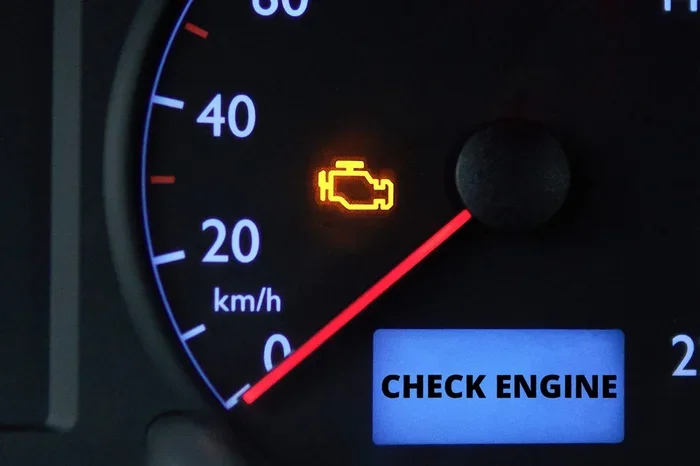
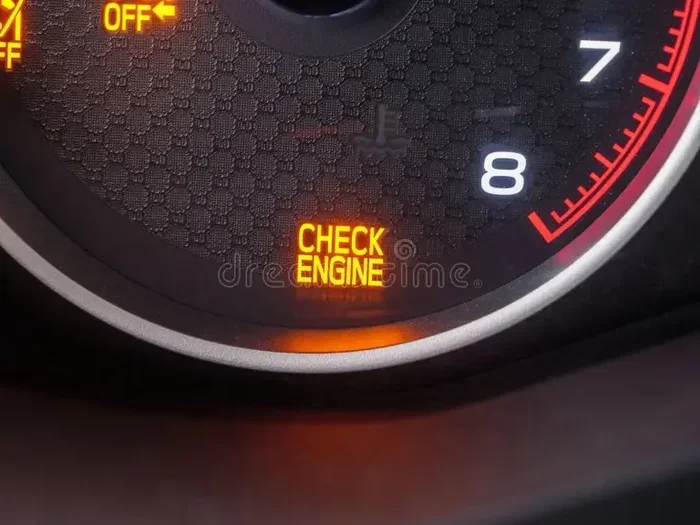
You are cruising down the highway, and suddenly a yellow or orange light pops up on your dashboard. It looks like an engine, and it is shaped like the cover of a book. Your heart drops. Can I drive with the check engine light on? This is one of the most common questions drivers ask, and the answer is not as simple as yes or no.
The check engine light is part of your vehicle’s onboard diagnostics system. It watches hundreds of sensors and components to keep your engine running properly. When something is off, the light turns on to alert you. Sometimes it is a tiny issue you can fix in minutes. Other times, it signals a problem that could destroy your engine if you ignore it.
This article will walk you through everything you need to know about driving with the check engine light on. You will learn what the different light behaviors mean, the most common causes, how to stay safe on the road, and when it is time to pull over and call for help. Let us break it down in plain, simple terms so you never have to guess again.
Key Takeaways
- A steady check engine light usually means a minor problem that still allows safe driving for a short distance.
- A flashing check engine light is a serious warning that demands you stop driving immediately to avoid engine damage.
- Common causes include a loose gas cap, faulty oxygen sensor, worn spark plugs, and catalytic converter issues.
- Ignoring the light can lead to expensive repairs, failed emissions tests, and reduced fuel efficiency.
- Getting a free diagnostic at an auto parts store can help you understand the problem before it gets worse.
- Safe driving habits when the light is on include keeping RPMs low, avoiding heavy loads, and monitoring your temperature gauge.
- When in doubt, get professional help — a mechanic can read the OBD-II code and tell you exactly what is wrong.
📑 Table of Contents
- What Does the Check Engine Light Actually Mean?
- Common Causes of the Check Engine Light
- Is It Safe to Drive With the Check Engine Light On?
- How to Respond When the Light Comes On
- What Happens If You Ignore the Check Engine Light?
- Tips for Driving Safely When the Check Engine Light Is On
- How to Prevent the Check Engine Light From Coming On
- When to See a Mechanic vs. When to Handle It Yourself
- Final Thoughts on Driving With the Check Engine Light On
What Does the Check Engine Light Actually Mean?
The check engine light is part of your car’s OBD-II system, which stands for On-Board Diagnostics II. This system has been standard in all cars sold in the United States since 1996. It monitors your engine, transmission, emissions system, and more through a network of sensors. When a sensor detects something outside the normal range, it stores a trouble code and turns on the light.
But here is the thing — the light does not tell you exactly what is wrong. It just tells you something needs attention. That is why people often wonder whether it is safe to keep driving. The answer depends heavily on how the light is behaving.
Steady vs. Flashing Check Engine Light
The behavior of the light matters a lot. A steady check engine light means the problem is real but not necessarily an emergency. You can usually drive a short distance, but you should get the car checked soon. A flashing check engine light, on the other hand, means something is seriously wrong. The engine is misfiring, and unburned fuel is entering the exhaust system. This can cause major damage to the catalytic converter and other expensive parts. If your light is flashing, pull over safely and stop driving.
Common Causes of the Check Engine Light
Understanding what triggers the check engine light helps you figure out how serious the situation is. Here are the most common reasons this light comes on.
Loose or Faulty Gas Cap
This is the number one most common cause, and it is also the easiest to fix. Your gas cap seals the fuel system and keeps pressure at the right level. If it is loose, cracked, or missing, fuel vapors escape, and the system throws a code. You might be surprised how often a simple tightening of the gas cap turns the light off within a few driving cycles.
Oxygen Sensor Failure
The oxygen sensor measures how much unburned oxygen is in your exhaust. This helps the engine control module adjust the fuel-to-air mixture. When the sensor fails, your car may use more fuel than it needs and run rough. While you can still drive with a bad oxygen sensor, ignoring it for too long can damage the catalytic converter.
Catalytic Converter Problems
The catalytic converter reduces harmful emissions by converting toxic gases into less harmful ones. A failing catalytic converter is a serious issue. Symptoms include reduced engine performance, a sulfur or rotten egg smell, and the check engine light turning on. Driving with a bad catalytic converter can eventually cause the engine to overheat and fail completely.
Spark Plug or Ignition Coil Issues
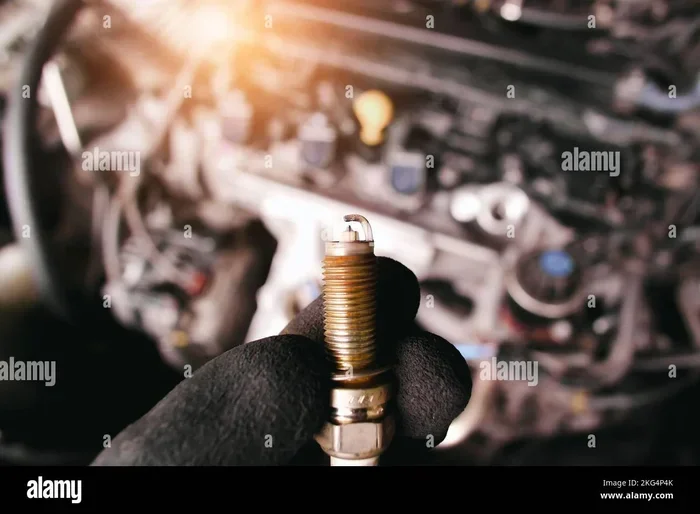
Worn or fouled spark plugs and damaged ignition coils can cause engine misfires. A misfire means the fuel in the cylinder is not burning properly. This not only hurts performance but also sends unburned fuel into the exhaust system, which can damage the catalytic converter. If you notice rough idling or hesitation when accelerating, get this checked right away.
Mass Airflow Sensor Failure
The mass airflow sensor tells the engine how much air is entering so it can deliver the right amount of fuel. A faulty sensor causes poor fuel economy, stalling, and rough running. While it is not an immediate emergency, you should address it soon to avoid further problems.
Is It Safe to Drive With the Check Engine Light On?
Safety is the real question here, and it comes down to a few key factors. Let us walk through different scenarios so you can make the right call every time.
When It Is Safe to Keep Driving
If the check engine light is steady and your car is running normally, you can usually drive a short distance. You should keep your speed moderate and avoid heavy acceleration. Pay close attention to how the car feels. If you notice any of the following, pull over and get help:
- Reduced power or hesitation when pressing the gas pedal
- Unusual sounds like knocking, pinging, or grinding
- Overheating — if your temperature gauge starts climbing, pull over immediately
- Smoke or strange smells coming from the engine or exhaust
- Fluid leaks under the car
In these situations, getting the car looked at quickly is important. If you are heading to a nearby mechanic or auto parts store, that is usually fine. Just do not take a long road trip with the light on and ignore it.
When You Should Stop Driving Immediately
There are situations where you should not drive at all. A flashing check engine light is the biggest red flag. This almost always indicates a severe engine misfire that can cause catastrophic damage. Other warning signs that mean you need to stop include:
- The temperature gauge reading in the red zone
- Strange noises coming from the engine bay
- Loss of power that makes the car unsafe to drive
- The smell of burning or fuel inside the cabin
- Multiple warning lights coming on at the same time
If any of these happen, turn on your hazard lights, pull over safely, and call for roadside assistance. Continuing to drive in these conditions can turn a small repair into a very expensive one.
How to Respond When the Light Comes On
Now that you know what the light means and when it is safe to drive, let us talk about what you should actually do when it comes on. Following a clear plan helps you stay calm and make smart decisions.
Step 1: Do Not Panic
First things first — do not slam on the brakes or pull over on a highway in a panic. A steady check engine light does not mean your car is about to explode. Take a deep breath and assess the situation calmly. Look at how the car is performing right now. Is it running smoothly? Is there any smoke or unusual noise? If everything seems normal, you have some time to address the issue.
Step 2: Check the Gas Cap
Before you do anything else, pull over safely and check your gas cap. Make sure it is tightened until it clicks. If it is loose, tighten it and continue driving. The light may stay on for a day or two but should turn off on its own once the system completes a few drive cycles. This simple step solves the problem more often than people realize.
Step 3: Get a Diagnostic Reading
You can get your car scanned at most auto parts stores, and many places offer a free diagnostic check. They plug a scanner into your car’s OBD-II port, which is usually located under the dashboard on the driver’s side. The scanner reads the trouble codes stored in your car’s computer. These codes tell you what sensor or system triggered the light. Write down the codes and look them up, or bring the printout to a mechanic.
Keep in mind that a free scan at an auto parts store gives you the code but not always the full diagnosis. A professional mechanic can interpret the code in context and determine the actual repair needed. If the light is flashing, skip the free scan and head straight to a repair shop.
Step 4: Decide Whether to Drive or Tow
Once you have the code, you can make a better decision. If the code points to something minor like a loose gas cap or a sensor issue, you might be able to drive carefully to the mechanic. If the code indicates a serious problem like a catalytic converter failure or major engine misfire, call a tow truck. Trying to drive a seriously damaged engine can turn a few hundred dollar repair into a few thousand dollar one.
Step 5: Address the Problem Promptly
Even if the car seems to run fine, do not ignore the check engine light. Small problems can grow into big ones fast. A sensor that costs fifty dollars to replace today might lead to a three hundred dollar catalytic converter replacement next month if you wait too long. Prompt attention saves money and keeps you safe on the road.
What Happens If You Ignore the Check Engine Light?
Some drivers see the check engine light and just keep driving, hoping it goes away. That might work for a day or two, but ignoring the light is a gamble that rarely pays off. Here is what can happen if you just drive on and pretend nothing is wrong.
First, your fuel economy will likely suffer. Many issues that trigger the check engine light cause the engine to run rich or lean, meaning it uses more fuel than it should. You will notice this at the pump over time. Second, your car may not pass an emissions test. Most states require vehicles to pass emissions testing for registration, and a lit check engine light almost always means an automatic fail.
Third, and most importantly, you risk causing more damage. A small issue like a failing oxygen sensor can lead to a melted catalytic converter if left unchecked. Replacing a catalytic converter can cost over a thousand dollars. What started as a simple fix has now become a major repair. And in the worst case, ignoring the light can lead to a breakdown on the side of the road, which is both dangerous and inconvenient.
Tips for Driving Safely When the Check Engine Light Is On
If you need to drive a short distance with the check engine light on, follow these tips to stay safe and avoid making things worse.
- Keep your RPMs low. Avoid redlining the engine. Drive at steady, moderate speeds to reduce stress on the engine and exhaust system.
- Avoid heavy loads. Do not haul heavy cargo or tow a trailer. This puts extra strain on an engine that is already signaling a problem.
- Watch your temperature gauge. Keep an eye on the temperature display. If it starts climbing, find a safe place to pull over immediately.
- Turn off the air conditioning. A/C puts extra load on the engine. Turning it off reduces strain and may help if the issue is related to engine performance.
- Plan your route. Avoid highway driving and heavy traffic if possible. Take quieter roads where you can stop safely if something goes wrong.
- Keep your phone charged. Have roadside assistance contact information ready in case you need help on the way to the mechanic.
How to Prevent the Check Engine Light From Coming On
Prevention is always better than cure, and there are simple steps you can take to reduce the chances of seeing that dreaded yellow light on your dashboard.
- Check your gas cap regularly. Make sure it is tight and in good condition. Replace it if it is cracked or damaged.
- Keep up with regular maintenance. Oil changes, spark plug replacements, and air filter changes go a long way in preventing issues that trigger the light.
- Use quality fuel. Cheap or contaminated fuel can cause sensor problems and engine misfires. Stick with reputable gas stations.
- Address small issues early. If you notice a rough idle, slight hesitation, or a decrease in fuel economy, get the car checked before the light comes on.
- Do not ignore dashboard warnings. Other warning lights like the oil pressure light or temperature light often come on alongside the check engine light. Pay attention to all of them.
When to See a Mechanic vs. When to Handle It Yourself
Not every check engine light situation requires a trip to the repair shop. Here is a simple guide to help you decide.
| Situation | Action |
|---|---|
| Light is steady, car runs fine | Get a free diagnostic scan at an auto parts store |
| Light comes on after filling up gas | Check gas cap, tighten it, drive for a few days |
| Light is flashing | Stop driving immediately and call a tow truck |
| Car runs rough or loses power | Tow to a mechanic — do not drive |
| Light is on with smoke or fluid leaks | Stop driving, call for roadside assistance |
| Code points to a minor sensor issue | Can drive carefully to a repair shop |
| Code points to catalytic converter | Tow to a mechanic — do not risk further driving |
Remember, when the check engine light is flashing, the safest choice is always to stop driving and get professional help. Even if the car seems to run okay, a flashing light means active engine damage is happening right now.
Final Thoughts on Driving With the Check Engine Light On
So, can you drive with the check engine light on? The answer is: sometimes yes, but you need to be smart about it. A steady light with no other symptoms usually means you can drive a short distance to get the car checked. A flashing light means stop and get help immediately. The most important thing is to never ignore the light. Your car is trying to tell you something, and listening to it early saves you money, stress, and keeps you and others safe on the road.
Take the time to understand what your dashboard warning lights are telling you. Get a diagnostic scan, address the problem promptly, and keep up with regular maintenance. These simple habits will keep your car running well and give you peace of mind every time you turn the key. The check engine light is not something to fear — it is a tool to help you take better care of your vehicle.
Frequently Asked Questions
Can I drive 50 miles with the check engine light on?
If the light is steady and your car is running normally, driving 50 miles to a repair shop is generally safe. However, keep your speed moderate, avoid heavy acceleration, and watch for any changes in how the car feels. If the light starts flashing or the car begins running rough, pull over and call for help.
Will the check engine light turn off by itself?
Sometimes yes. If the issue was temporary, like a loose gas cap, the light may turn off after a few drive cycles. However, if the underlying problem is not fixed, the light will likely come back on. It is always best to get the code read and address the root cause rather than waiting for it to go away on its own.
Is it safe to drive with the check engine light on to a nearby mechanic?
In most cases, yes. If the light is steady and the car runs normally, driving a short distance to a mechanic is usually fine. Just keep an eye on your temperature gauge and listen for any unusual sounds. If anything feels off, pull over safely and arrange for a tow instead.
What does it mean when the check engine light comes on and goes off?
A light that comes on and then goes off can indicate an intermittent issue. This might be caused by a sensor that works inconsistently, a loose gas cap that works itself tight, or a minor electrical glitch. Even if the light is off, you should still get the car scanned. Intermittent problems can become permanent and more serious over time.
Can I pass an emissions test with the check engine light on?
In most states, a lit check engine light means an automatic fail on the emissions test. The OBD-II system will flag the vehicle as not ready or having an active fault code. You will need to fix the underlying issue and clear the code before you can pass the test. Some states allow you to drive the car for a few weeks after a repair to let the system complete its readiness monitors before retesting.
How much does it cost to fix the problem that triggered the check engine light?
The cost varies widely depending on the cause. A loose gas cap costs nothing to fix. A faulty oxygen sensor might cost between 100 and 300 dollars. A catalytic converter replacement can range from 500 to 2,500 dollars or more. Getting the code read early is the best way to avoid expensive repairs, because small problems become big ones fast when left unchecked.
=== CONCLUSION ===
The check engine light is your car’s way of communicating with you, and learning to listen to it is one of the best things you can do as a driver. Whether it is a loose gas cap or a serious engine misfire, the light deserves your attention every single time. Now that you know the difference between a steady and flashing light, you can make informed decisions about whether it is safe to keep driving or if you need to stop and seek help. The key takeaway is simple: do not ignore the light. Address the problem quickly, drive safely, and keep your vehicle in good shape. Your wallet, your safety, and your car will all thank you for it.