Can I Add Blind Spot Monitoring to My Car Right Now
Yes, you can add blind spot monitoring to your car even if it didn’t come with the feature from the factory. Aftermarket blind spot detection systems are widely available and work with most vehicles on the road today. Whether you choose a mirror-mounted kit, a camera-based setup, or a full retrofit package, the process is more affordable and accessible than most drivers think. This guide covers every option, cost range, and installation path so you can make a confident choice. Adding blind spot monitoring is one of the smartest safety upgrades you can make for any vehicle.
Driving a car without blind spot monitoring can feel like driving with blindfolds on your sides. Every time you change lanes, you crane your neck, check your mirrors twice, and still wonder if anything is lurking in your blind spot. The good news is that you can add blind spot monitoring to your car right now, regardless of the year or model you drive. Aftermarket systems have come a long way, and they are easier to install than ever before.
This article walks you through everything you need to know about adding blind spot detection to your vehicle. We will cover the different types of systems available, what they cost, whether you can install them yourself, and how to avoid common pitfalls. By the end, you will have a clear picture of your options and the confidence to make the right choice for your car and your budget.
Key Takeaways
- Aftermarket systems work: You can add blind spot monitoring to almost any car using retrofit kits and sensor-based solutions.
- Multiple options exist: Mirror-mounted alerts, camera-based systems, and full sensor retrofits all offer different benefits.
- Costs vary widely: Budget kits start around $100, while professional installations can run $500 or more depending on complexity.
- DIY is possible: Many aftermarket blind spot systems are designed for easy self-installation with basic tools.
- Safety payoff is huge: Blind spot detection significantly reduces lane-change accidents and rear cross-traffic risks.
- Compatibility matters: Always check your vehicle’s wiring and make sure the system fits your make and model before buying.
📑 Table of Contents
- What Is Blind Spot Monitoring and Why Does It Matter?
- Can You Actually Add Blind Spot Monitoring to Any Car?
- Aftermarket Blind Spot Monitoring Systems: What Are Your Options?
- How Much Does It Cost to Add Blind Spot Monitoring?
- DIY vs. Professional Installation: Which Is Right for You?
- Common Mistakes to Avoid When Adding Blind Spot Monitoring
- Expert Tips for Getting the Most from Your Blind Spot System
- Conclusion
What Is Blind Spot Monitoring and Why Does It Matter?
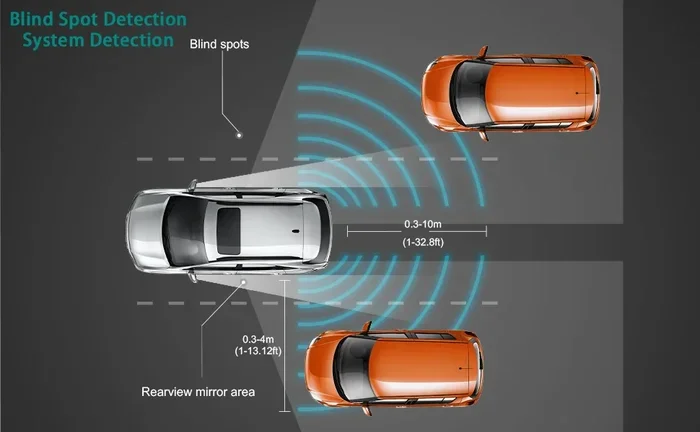
Blind spot monitoring is a driver assistance technology that alerts you when a vehicle is in your blind spots during lane changes. The system uses sensors, cameras, or radar to detect objects in areas your side mirrors cannot cover. When a vehicle enters your blind zone, the system triggers a visual warning, an audible beep, or even a vibrating alert in your steering wheel or seat.
According to the Insurance Institute for Highway Safety, vehicles equipped with blind spot detection have up to 14% fewer lane-change crashes. That is a significant safety improvement for a feature that works silently in the background every time you drive. Blind spot monitoring is especially helpful in heavy traffic, on highways, and in crowded parking lots where vehicles constantly weave in and out of lanes.
How Does Blind Spot Detection Work?
Most blind spot systems rely on one of three technologies:
- Radar-based sensors: These are the most common in factory-installed systems. They mount on the rear bumper and use radio waves to detect approaching vehicles.
- Camera-based detection: Some aftermarket kits use small cameras mounted near the side mirrors to monitor blind zones visually.
- Ultrasonic sensors: These use sound waves and are often found in parking assist systems that also double as blind spot alerts.
Each technology has its strengths. Radar sensors tend to be the most reliable at highway speeds. Cameras offer a visual feed that can help you see exactly what is beside you. Ultrasonic sensors work well at lower speeds and are often more affordable.
Can You Actually Add Blind Spot Monitoring to Any Car?
The short answer is yes. Adding blind spot monitoring to a car that did not come with it from the factory is entirely possible in most cases. However, the method you choose depends on your vehicle type, your budget, and your comfort level with car electronics.
Modern cars from the 2010s onward are generally the easiest to retrofit because they already have the wiring harnesses and electronic architecture to support add-on features. Older vehicles from the 1990s and early 2000s may require a bit more work, but universal aftermarket kits are designed to work with virtually any car, truck, or SUV on the road today.
Factors That Affect Compatibility
Before you buy a blind spot monitoring kit, consider these factors:
- Vehicle make and model: Some kits are designed for specific brands or models, while universal kits work with any car.
- Existing wiring: Cars with factory wiring for optional features are easier to retrofit than older models with simpler electrical systems.
- Side mirror type: Heated mirrors, power mirrors, and mirrors with built-in turn signals may require specific mounting solutions.
- Year of manufacture: Newer vehicles often have CAN bus systems that integrate more smoothly with aftermarket safety devices.
The key is to research your specific vehicle before purchasing. Many manufacturers list compatible models on their product pages, so you can confirm that a kit will work with your car before you spend a dime.
Aftermarket Blind Spot Monitoring Systems: What Are Your Options?
The aftermarket market offers several types of blind spot detection systems, each with its own set of advantages. Understanding your options helps you pick the right one for your needs, driving habits, and budget.
Mirror-Mounted Blind Spot Kits
These are the most popular aftermarket blind spot monitoring kits. They attach directly to your existing side mirrors and include small LED warning lights that flash when a vehicle enters your blind zone. Most mirror-mounted kits are wireless and use adhesive or clamp-on mounting, so no drilling or major wiring is required.
Brands like Auto Ventshade, DEWALT, and Donoratico offer well-reviewed mirror-mounted kits that range from $50 to $200. They are a great entry point for drivers who want a simple, effective safety upgrade without visiting a mechanic.
Camera-Based Blind Spot Systems
Camera-based systems mount a small wide-angle camera on each side of your vehicle, usually near the side mirrors or rear quarter panels. The feeds go to a small monitor mounted on your dashboard or inside your rearview mirror. These systems give you a live view of your blind spots, which is incredibly useful when changing lanes or merging onto highways.
Camera kits tend to cost more, typically between $200 and $600, and may require professional installation for proper wiring and angle calibration. However, they offer the most comprehensive view and work well in all lighting conditions, including at night.
Full Sensor Retrofit Kits
Full sensor retrofit kits are the closest thing to a factory-installed blind spot system. They include radar or ultrasonic sensors that mount to the rear bumper, a control module, and warning lights or audible alerts. These kits provide the most accurate detection and are ideal for drivers who spend a lot of time on highways or in dense traffic.
Full retrofit kits range from $300 to $1,000 for the parts alone, and professional installation adds another $200 to $500 depending on your location and vehicle complexity. Brands like Frontiers, Watchdog, and AutoSock offer popular retrofit options in this category.
Comparison Table: Aftermarket Blind Spot System Options
| Feature | Mirror-Mounted Kits | Camera-Based Systems | Full Sensor Retrofit |
|---|---|---|---|
| Price Range | $50 – $200 | $200 – $600 | $300 – $1,000 |
| Installation Difficulty | Easy (DIY-friendly) | Moderate | Difficult (professional recommended) |
| Detection Accuracy | Good | Very Good | Excellent |
| Night Performance | Good | Excellent | Excellent |
| Visual Feed | No | Yes | No (audio/light alerts) |
| Best For | Budget-conscious drivers | Frequent highway drivers | Heavy traffic and long-distance drivers |
How Much Does It Cost to Add Blind Spot Monitoring?
Cost is one of the biggest factors when deciding whether to add blind spot monitoring to your car. The good news is that options exist for every budget, from under $100 to over $1,000.
Budget-friendly mirror-mounted kits start around $50 and provide basic LED warning alerts. Mid-range camera systems cost between $200 and $600 and offer visual feeds for a more comprehensive view. Premium full sensor retrofit kits can run $300 to $1,000 for parts alone, and adding professional installation brings the total to $500 to $1,500.
Compare these costs to the potential cost of a lane-change accident. Even a minor fender-bender can result in hundreds or thousands of dollars in repairs, not to mention the physical and emotional toll. Blind spot detection is one of the most cost-effective safety upgrades you can make for your vehicle.
Hidden Costs to Consider
When budgeting for a blind spot monitoring system, remember to account for these potential extra costs:
- Wiring harness adapters: Some vehicles need specific adapters to integrate with the car’s electrical system, adding $20 to $50.
- Professional installation: If you are not comfortable with car electronics, hiring a professional can add $100 to $500 to the total cost.
- Replacement sensors: Sensors mounted on the bumper can be damaged in minor accidents and may need replacement over time.
- Insurance discounts: Some insurance companies offer discounts for vehicles equipped with advanced safety features like blind spot detection.
DIY vs. Professional Installation: Which Is Right for You?
One of the most common questions drivers ask is whether they can install a blind spot monitoring system themselves or if they need to visit a shop. The answer depends on the type of system you choose and your comfort level with basic car electronics.
When DIY Installation Makes Sense
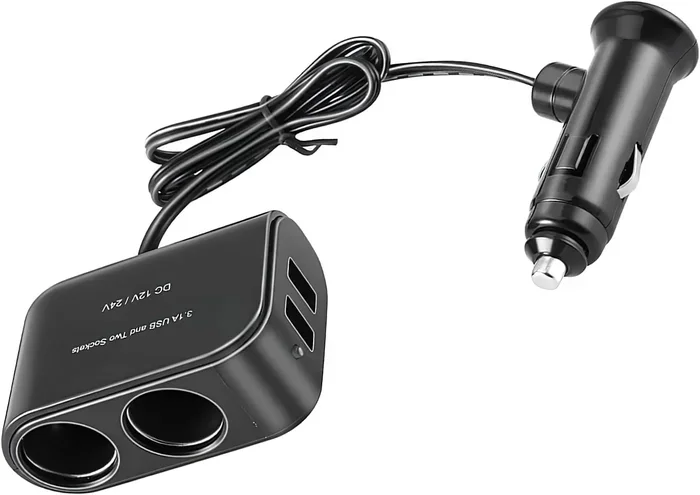
Mirror-mounted blind spot kits are the easiest to install and are perfect for a DIY approach. Most kits come with adhesive backing or simple clamp mounts, and they wire directly into your vehicle’s 12V power outlet or fuse box. The entire process usually takes 30 minutes to an hour and requires no special tools beyond a screwdriver and a pair of wire strippers.
If you have ever changed a car battery or replaced a fuse, you can handle a mirror-mounted blind spot kit with confidence. The instructions that come with these kits are clear, and many brands offer video tutorials on their websites to guide you through each step.
When to Hire a Professional
Camera-based systems and full sensor retrofit kits are more complex and often require professional installation. These systems involve running wires behind the dashboard, mounting sensors on the rear bumper, and programming control modules to integrate with your vehicle’s existing electronics.
Professional installation ensures that everything is wired correctly and that the sensors are calibrated for accurate detection. A poorly installed system can produce false alerts, miss actual vehicles in your blind spot, or even interfere with your car’s existing electronics. If you are not confident in your ability to handle the job, it is well worth the extra cost to hire a professional.
Many auto shops and mobile installers offer blind spot monitoring installation services for $100 to $500, depending on the complexity of the system and your vehicle type. It is a worthwhile investment that ensures your system works reliably every time you get behind the wheel.
Common Mistakes to Avoid When Adding Blind Spot Monitoring
Adding blind spot monitoring to your car is a great decision, but mistakes during the process can reduce effectiveness or even create new safety hazards. Here are the most common errors drivers make and how to avoid them.
Buying the Wrong System for Your Vehicle
Not all blind spot monitoring kits are created equal, and not all of them work with every vehicle. Some drivers buy a kit based on price alone without checking compatibility. The result is a system that does not integrate properly, produces constant false alerts, or simply does not work at all.
Always check the product specifications before purchasing. Look for kits that list your vehicle make, model, and year as compatible. When in doubt, contact the manufacturer’s customer support to confirm compatibility before you buy.
Skipping the Calibration Step
Sensors need to be properly calibrated to detect vehicles accurately. Skipping this step or rushing through it is one of the most common mistakes people make with aftermarket blind spot systems. A sensor that is even slightly misaligned can miss vehicles in your blind spot or trigger constant false warnings that cause you to ignore the alerts entirely.
Take the time to follow the calibration instructions carefully. Most systems require you to drive at a specific speed for a set distance to complete the calibration process. Do not skip this step, no matter how eager you are to start using your new system.
Relying Too Heavily on the System
Blind spot monitoring is a safety aid, not a replacement for good driving habits. Even with the best blind spot detection system installed, you should still check your mirrors and turn your head before changing lanes. The system may not detect motorcycles, bicycles, or very small objects in all situations.
Think of your blind spot monitoring system as an extra set of eyes, not a substitute for your own awareness. The safest drivers use technology to supplement their habits, not replace them.
Ignoring Wiring and Electrical Safety
When installing any aftermarket electronic system, proper wiring is essential. Tapping into your vehicle’s electrical system without understanding the wiring diagram can cause short circuits, drain your battery, or damage your car’s electronics. Always use fuse taps and wiring adapters designed for your vehicle, and never modify factory wiring without understanding what each wire does.
Expert Tips for Getting the Most from Your Blind Spot System
Once your blind spot monitoring system is installed, a few simple tips will help you get the most benefit from it and keep it working reliably for years to come.
Keep Your Sensors Clean
Radar sensors and cameras can become covered in dirt, mud, snow, or ice, which reduces their effectiveness. Make it a habit to clean your sensors during regular car washes or after driving in bad weather. A clean sensor is an accurate sensor.
Test Your System Regularly
Periodically test your blind spot monitoring system to make sure it is working correctly. Have a friend drive past your vehicle in a parked position and verify that the alerts trigger properly. If you notice any delays, missed alerts, or constant false warnings, check the sensors and wiring for issues.
Combine Blind Spot Monitoring with Other Safety Features
For maximum safety, combine blind spot monitoring with other driver assistance technologies. Rear cross traffic alert, lane departure warning, and adaptive cruise control all work together with blind spot detection to create a comprehensive safety net around your vehicle. Many aftermarket systems offer several of these features bundled together at a discounted price.
Stay Updated on Software and Firmware
Some advanced blind spot monitoring systems receive firmware updates that improve detection accuracy and reduce false alerts. Check with the manufacturer periodically to see if updates are available for your system and follow the instructions to install them.
Conclusion
Adding blind spot monitoring to your car is one of the most practical and impactful safety upgrades you can make. Whether you choose a simple mirror-mounted kit for under $100 or invest in a full sensor retrofit system for over $1,000, the result is the same: greater awareness, fewer risks, and more confidence every time you change lanes or merge into traffic.
The process has never been more accessible. Aftermarket blind spot monitoring systems are designed for easy installation, work with most vehicles on the road today, and deliver real-world safety benefits backed by crash data. You do not need a new car to enjoy this life-saving technology.
Take the time to evaluate your options, choose the system that fits your vehicle and your budget, and install it correctly. Your future self will thank you the first time your blind spot alert saves you from a dangerous lane-change situation. Drive safer, drive smarter, and add blind spot monitoring to your car right now.
Frequently Asked Questions
Can I add blind spot monitoring to an older car?
Yes, you can add blind spot monitoring to older cars using universal aftermarket kits. Mirror-mounted systems are the easiest option for older vehicles because they require minimal wiring and no bumper modifications. Camera-based and sensor retrofit kits may require more effort but are still possible with most vehicles manufactured after the 1990s.
Does adding blind spot monitoring void my car warranty?
In most cases, adding an aftermarket blind spot monitoring system does not void your warranty. However, if the installation causes damage to your vehicle’s electrical system or interferes with existing features, the manufacturer may deny a related claim. To stay safe, have the system installed by a professional or choose a kit that is designed for easy, non-invasive installation.
How long does it take to install a blind spot monitoring system?
Mirror-mounted kits typically take 30 minutes to an hour and are ideal for DIY installation. Camera-based systems and full sensor retrofits can take two to four hours and are best handled by a professional. The exact time depends on your vehicle model, the complexity of the kit, and your experience level with car electronics.
Are aftermarket blind spot monitoring systems reliable?
Most reputable aftermarket blind spot monitoring systems are highly reliable and use the same core technologies as factory-installed systems. Radar-based and camera-based kits from well-known brands consistently deliver accurate detection and timely alerts. The key is to choose a quality product, install it correctly, and maintain it by keeping sensors clean and firmware updated.
Can I use blind spot monitoring with a trailer or bike rack?
This depends on the system you choose. Some aftermarket blind spot kits are designed to work with trailers and include extended sensor ranges or adjustable detection zones. Others may produce false alerts when a trailer or bike rack is attached. Check the product specifications and look for kits that specifically mention trailer compatibility if you regularly tow.
What is the difference between blind spot monitoring and lane departure warning?
Blind spot monitoring alerts you when a vehicle is in your blind spot during lane changes, while lane departure warning alerts you when your vehicle drifts out of its lane without a turn signal. They are complementary systems that address different safety concerns. Many vehicles and aftermarket kits offer both features together for comprehensive lane safety coverage.