Can You Open the Trunk With a Key and Start Your Journey
Yes, you can open the trunk with a key, and it is one of the simplest yet most overlooked car skills every driver should know. Whether you have a traditional metal key or a modern key fob with a hidden trunk button, understanding your trunk key mechanism saves time and prevents lockout headaches. This guide walks you through every method, common issues, and smart maintenance tips to keep your trunk lock working flawlessly.
There is something deeply satisfying about using a physical key to open your car trunk. It feels simple, reliable, and direct. Yet many drivers do not know exactly how their trunk key works or where to find the key slot when they need it most.
Whether you are loading groceries, retrieving emergency supplies, or dealing with a lockout situation, knowing how to open the trunk with a key is an essential car care skill. This guide covers everything from basic trunk key mechanics to troubleshooting common problems. We will also share practical tips that keep your trunk lock in top shape for years to come.
So grab your keyring and let us walk through every method, every hidden trick, and every pro tip you need to master your trunk access.
Key Takeaways
- Every car trunk can be opened with a key: Whether you drive a sedan, SUV, or hatchback, your vehicle has a trunk key access point designed for emergencies.
- Know your trunk release location: The key slot is usually hidden under a trim panel, behind the license plate, or on the trunk handle itself.
- Regular maintenance prevents lockouts: Lubricating your trunk lock and checking your key condition keeps everything running smoothly.
- Modern cars offer backup options: Keyless entry systems, interior trunk releases, and emergency trunk levers provide multiple ways to access your trunk.
- Replace worn keys promptly: A damaged key can damage your trunk lock, leading to costly repairs.
📑 Table of Contents
Understanding Your Car Trunk and Key System
Before we dive into the how-to, let us understand what you are actually working with. Every car trunk uses a locking mechanism that connects to your physical key or key fob. The system is designed to be secure yet accessible when you need it.
Most vehicles use one of two trunk locking systems. The first is a traditional pin-tumbler lock that accepts a metal key. The second is an electronic lock that responds to a key fob or push-button release. Many modern cars use both systems together, giving you multiple ways to access your trunk.
How the Trunk Lock Mechanism Works
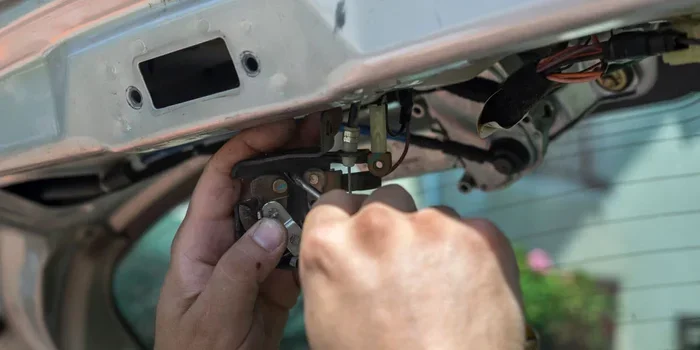
The trunk lock works much like your door locks. When you insert your key and turn it, a series of pins inside the lock cylinder align. This allows the cylinder to rotate, which retracts the locking bolts. The trunk lid then pops open or releases its latch.
This mechanism is simple but effective. It has been used in cars for decades because it works without electricity. Even if your car battery dies, your trunk key still functions. That is a huge advantage in emergency situations.
Types of Trunk Keys You Might Have
Not all trunk keys look the same. Car manufacturers use different key styles depending on the model and year of your vehicle. Here are the most common types you might encounter:
- Standard metal key: The classic flat or slightly ridged key that goes straight into the lock cylinder.
- Laser-cut key: A more advanced key with precision cuts on both sides. It offers better security and a smoother turn.
- Smart key with trunk button: A key fob that has a dedicated trunk release button built into it.
- Switchblade key: A folded key that pops out when you press a button on the fob.
Each type serves the same purpose, but they require different handling. Knowing which one you have makes the process smoother.
Step-by-Step: How to Open the Trunk With a Key
Opening your trunk with a key is straightforward once you know where to look. Different car models hide the key slot in different places. Let us walk through the most common locations and methods.
Method 1: The Trunk Handle Key Slot
Many sedans and SUVs place the trunk key slot directly on the trunk handle. Look at the trunk lid from outside. You might see a small cover or cap near the handle. This cover hides the key slot.
To use this method:
- Find the small cover on the trunk handle.
- Pry it gently with your key or a flat tool.
- Insert your key into the exposed slot.
- Turn the key clockwise or counterclockwise (check your owner manual for direction).
- The trunk lid should release and pop up slightly.
This is the most direct method and works on most older vehicles and many modern ones too.
Method 2: The Under-License-Plate Lock
Some car manufacturers hide the trunk key slot behind the license plate. This adds a layer of security because thieves are less likely to look there. If your trunk handle does not have a key slot, check under your license plate.
Here is what to do:
- Look at the trunk lid near the rear bumper.
- Find a small keyhole, often positioned center or to one side.
- Insert your key and turn it.
- The trunk latch should disengage.
This method is common on many sedan models and some compact SUVs. If you are unsure, consult your vehicle owner manual for the exact location.
Method 3: Interior Trunk Release Lever
Almost all cars built after 2000 include an interior trunk release lever or button. This is a safety feature designed to prevent children or pets from getting trapped inside the trunk.
To use the interior release:
- Open the rear seat or fold down the rear seats (if they fold).
- Look for a lever, handle, or glow-in-the-dark button near the trunk opening.
- Pull the lever or press the button.
- The trunk lid will pop open from the inside.
This method does not require a key at all. It is a great backup when your key is lost or the lock is stuck.
Method 4: Keyless Trunk Button on the Key Fob
Modern cars often let you open the trunk without even taking the key out of your pocket. Most key fobs have a trunk release button, usually marked with a trunk icon or an open box symbol.
To use this feature:
- Make sure you are within a few feet of the car.
- Press and hold the trunk button on your key fob.
- The trunk should unlock and pop open.
This is the most convenient method for daily use. However, it relies on your key fob battery being charged. If the battery dies, you will need to fall back on the physical key.
Common Trunk Key Problems and How to Fix Them
Trunk keys are reliable, but they are not immune to problems. Over time, wear and tear can cause issues that make trunk access difficult or impossible. Here are the most common problems and their solutions.
Key Stuck in the Trunk Lock
A key stuck in the trunk lock is frustrating but common. It usually happens when the lock cylinder is dirty or the key is slightly bent. Never force the key out. Instead, try these steps:
- Gently wiggle the key side to side while pulling.
- Spray a small amount of lock lubricant into the cylinder.
- Wait a minute for the lubricant to work.
- Try turning the key gently and pulling it out.
If the key is truly stuck, do not use excessive force. You risk breaking the key inside the lock, which makes the problem much worse.
Trunk Lock Cylinder Not Turning
When you insert the key but the lock cylinder will not turn, the issue is usually debris or rust inside the cylinder. This is especially common in cars that sit outside in harsh weather.
To fix this:
- Clean the keyhole with compressed air or a cotton swab.
- Apply a graphite-based lock lubricant (not WD-40, which can attract dust).
- Insert the key and try turning it slowly.
- If it still does not turn, the lock cylinder may need professional replacement.
Key Fob Trunk Button Not Working
If your key fob trunk button stops working, the most likely cause is a dead battery. Replacing the fob battery is simple and inexpensive. Most fobs use a CR2032 coin battery that you can swap in seconds.
Here is a quick fix:
- Find the small seam on your key fob.
- Pry it open with a small flathead screwdriver.
- Remove the old battery and note the orientation.
- Insert a new CR2032 battery.
- Snap the fob back together.
- Test the trunk button near your car.
If replacing the battery does not solve the problem, the fob itself may need reprogramming or replacement.
Trunk Lid Not Latching Properly
Sometimes the key works fine, but the trunk lid does not stay closed. This is usually a latch or hinge problem rather than a key problem. Check for worn latch mechanisms, loose hinges, or misaligned trunk seals.
Regular inspection of your trunk latch and hinges can prevent this issue. A simple tightening of bolts or application of silicone lubricant often solves the problem.
When to Replace Your Trunk Key or Lock
Knowing when to replace your trunk key or lock cylinder saves you from unexpected lockouts. Here are the clear signs that replacement is needed.
Signs Your Trunk Key Needs Replacing
- The key looks visibly worn, bent, or chipped.
- You need to jiggle the key excessively to get it to turn.
- The trunk lock feels loose or spongy when you turn the key.
- The key no longer fits smoothly into the lock cylinder.
- You have tried lubricating the lock but the problem persists.
If you notice any of these signs, get your key or lock inspected by a professional. Ignoring the problem can lead to a complete lockout or damage to the trunk latch mechanism.
Cost Considerations for Key and Lock Replacement
The cost of replacing a trunk key or lock varies widely. A standard metal key replacement might cost anywhere from 0 to 0 at a locksmith. A laser-cut or smart key replacement can run higher. Lock cylinder replacement typically costs between 0 and 0 for parts and labor.
Keep in mind that some newer vehicles require dealer programming for key fob replacements. This adds to the cost but ensures proper function and security. Always get a quote before committing to any replacement work.
Trunk Safety Features Every Driver Should Know
Car manufacturers design trunk safety features to protect passengers, especially children, from accidental entrapment. Understanding these features is not just useful, it is potentially life-saving.
The Interior Trunk Release Handle
Every car sold in the United States since 2002 must have an interior trunk release handle or lever. This glowing handle is located inside the trunk, usually on the trunk lid or the rear seat area.
In an emergency, pulling this handle releases the trunk latch from the inside. It is a simple mechanism that has saved countless lives. Make sure every driver in your household knows where this handle is located.
Emergency Trunk Release Cables
Some vehicles also include an emergency trunk release cable accessible from the rear seat area. This cable connects directly to the trunk latch and can be pulled to open the trunk even if the lock is jammed.
Locate this cable in your vehicle and show it to all family members. It is a critical backup that most people never think about until they need it.
Child Safety Locks for the Trunk
While not all cars have them, some models include additional child safety features for the trunk area. These prevent children from accidentally opening the trunk from the inside while the car is in motion or parked.
If you have young children, check your vehicle manual for trunk safety lock options. Some aftermarket solutions are also available if your car does not include them.
Expert Tips for Maintaining Your Trunk Key System
Proper maintenance keeps your trunk key system working reliably. Here are expert-backed tips that every car owner should follow.
Keep Your Key Clean and Dry
Moisture is the enemy of any lock mechanism. Wipe your trunk key dry before inserting it into the lock. If your car sits outdoors, consider using a protective key cover to shield the key from rain and humidity.
A clean key also slides into the lock more smoothly and causes less wear on the internal pins and cylinders.
Lubricate the Lock Cylinder Regularly
Apply a graphite-based lubricant to your trunk lock cylinder every six months. This prevents buildup of grime and keeps the mechanism operating smoothly. A little maintenance goes a long way toward avoiding stuck keys and lockouts.
Carry a Spare Trunk Key
Always keep a spare trunk key in a safe place at home or in your office. If you lose your primary key, a spare saves you from expensive locksmith calls and the stress of a trunk lockout.
Some drivers also keep a spare key fob battery in their glove box. This small preparation can save you when the fob battery dies unexpectedly.
Check Key Wear Periodically
Inspect your trunk key every few months for signs of wear. A worn key not only makes trunk access difficult, it can also damage the lock cylinder over time. If your key looks rough around the edges, consider getting a replacement cut before it causes bigger problems.
Since your car carries significant vehicle weight, a smooth trunk mechanism ensures that heavy loads do not put extra strain on the latch system. A well-maintained key and lock setup contributes to overall car care and vehicle longevity.
Key Takeaways
- Opening the trunk with a key is straightforward: The key slot is usually on the trunk handle, under the license plate, or accessible from inside the vehicle.
- Multiple methods exist: Physical key, interior release lever, key fob button, and emergency cable all provide trunk access.
- Maintenance prevents problems: Regular lubrication, clean keys, and spare key preparation keep your trunk lock in great shape.
- Safety features save lives: Interior release handles and emergency cables are critical safety features every driver should know about.
- Replace worn keys promptly: A damaged key damages the lock cylinder, leading to costly repairs and potential lockouts.
- Know your specific vehicle: Consult your owner manual for the exact trunk key location and recommended maintenance schedule.
Learning how to open the trunk with a key is one of those small skills that pays off big. It gives you confidence, independence, and a deeper understanding of your vehicle. Whether you are dealing with a daily routine or an unexpected situation, you now have the knowledge to handle any trunk access challenge.
Take a few minutes today to locate your trunk key slot and test your interior release handle. These simple checks can prevent a lot of trouble down the road. Your car works hard for you, and a little care goes a long way. Keep your keys maintained, your locks lubricated, and your spare keys safe. With these habits, your trunk will open smoothly every single time.
Drive safely, stay prepared, and enjoy the journey that starts right there in your trunk.
Frequently Asked Questions
Can I open my trunk if I lose my key entirely?
Yes, you can. Most vehicles have an interior trunk release lever or button inside the cabin. You can also contact a licensed locksmith who can help you gain trunk access without a key. Keeping a spare key at home or with a trusted person is always a smart backup plan.
Why does my trunk key not turn in the lock?
The most common reason is debris or dried lubricant inside the lock cylinder. Spraying a graphite-based lock lubricant and gently working the key back and forth usually solves the problem. If the key is bent or worn, it may need replacement to turn smoothly again.
Is it safe to use WD-40 on my trunk lock?
No, WD-40 is not recommended for trunk locks. It is a solvent that can attract dust and grime over time, making the lock stickier. Use a dedicated graphite-based lock lubricant instead, which stays clean and keeps the mechanism operating smoothly.
How much does it cost to replace a trunk lock cylinder?
Replacement costs typically range from 0 to 0 for parts and labor, depending on your vehicle make and model. Luxury vehicles or those with advanced security systems may cost more. Always get a detailed quote from a trusted locksmith or dealership before proceeding.
Can a trunk key get stuck inside the lock?
Yes, this can happen if the lock cylinder is dirty, the key is bent, or the mechanism is jammed. Never force the key out. Instead, apply lock lubricant, wait a moment, and try gently wiggling the key free. If it remains stuck, a professional locksmith can safely extract it without damaging the lock.
Do all cars have an interior trunk release handle?
Yes, all cars sold in the United States since 2002 are required to have an interior trunk release handle. This is a federal safety regulation designed to prevent entrapment. The handle is typically located inside the trunk near the lid or on the rear seat area, and it glows in the dark for easy visibility.
=== CONCLUSION ===
Opening your trunk with a key is a fundamental car care skill that every driver should master. From understanding your trunk lock mechanism to troubleshooting common problems, this guide has covered everything you need to know. The key takeaways are simple: know where your key slot is, maintain your lock regularly, and always have a backup plan.
Whether you use a traditional metal key, a smart key fob, or the interior release lever, you now have multiple ways to access your trunk confidently. Keep your keys clean, your locks lubricated, and your spare keys safe. These small habits make a big difference in the long run.
Take action today. Check your trunk key, test your interior release, and share this knowledge with everyone in your household. A little preparation today prevents a lot of hassle tomorrow. Safe travels and happy driving!