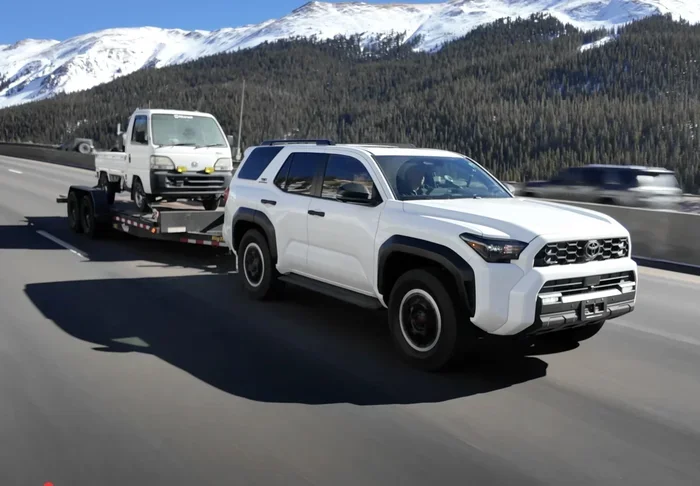
Can a 4Runner Tow 6500 Lbs Everything You Need to Know
Yes, a Toyota 4Runner can tow up to 6500 lbs when properly equipped. The towing capacity depends on your trim, year, and whether you have the towing package installed. This guide covers every detail you need to know about 4Runner towing, from hitch setup to safety tips.
So you want to know if a 4Runner can tow 6500 lbs. The short answer is yes. But like most things in the automotive world, the full answer comes with a few important details. Your specific 4Runner model, trim level, and year all play a role in whether you can safely pull that weight.
Towing is not just about horsepower. It involves the right hitch, proper wiring, braking systems, and even weight distribution. Many 4Runner owners hit the trails or haul boats every summer without a second thought. But those who skip the basics often run into trouble. This guide breaks down everything you need to know about Toyota 4Runner towing capacity in plain, simple terms.
Whether you are planning a camping trip with a trailer or hauling equipment for work, understanding your vehicle’s limits is critical. We will walk you through the specs, the setup, and the safety steps that keep you and your cargo safe. Let us dive in.
Key Takeaways
- Yes, the 4Runner can tow 6500 lbs: But only with the proper towing package and correct trim level.
- Not all trims are equal: Some 4Runner trims have lower towing limits than others.
- You need the right equipment: A proper tow hitch, wiring harness, and braking system are essential.
- Safety comes first: Always check tongue weight, tire pressure, and brakes before towing.
- Year matters: Towing specs vary between model years, so check your specific vehicle.
- Preparation prevents problems: A pre-trip inspection can save you from costly breakdowns on the road.
📑 Table of Contents
What Is the Toyota 4Runner Towing Capacity?
The Toyota 4Runner towing capacity has varied over the years. Most modern 4Runners from 2010 onward can tow between 5000 and 6500 lbs. The exact number depends on your engine, transmission, and trim level. Toyota engineered the 4Runner as a rugged SUV built for both on-road comfort and off-road capability.
When you look at 4Runner towing specs, you will see a few key numbers. The gross vehicle weight rating (GVWR) tells you the maximum weight your vehicle can carry, including passengers and cargo. The towing capacity is separate and refers to the maximum weight of a trailer you can pull. These two numbers work together, and exceeding either one can be dangerous.
How Towing Capacity Is Measured
Toyota measures towing capacity under specific conditions. The vehicle must have the proper towing package, the correct hitch receiver, and all fluids at optimal levels. The rating assumes a properly balanced trailer with the right tongue weight. If your setup differs from these conditions, your safe towing weight may be lower.
Here are the key factors that determine your 4Runner’s towing ability:
- Engine size and output: The 4Runner uses a 4.0-liter V6 engine that produces around 270 horsepower. This engine provides solid torque for pulling loads.
- Transmission type: Most 4Runners come with a 5-speed or 6-speed automatic transmission. Newer models may vary.
- Drivetrain: Both rear-wheel drive and 4WD configurations are available, and both can tow within the rated limits.
- Trim level: Higher trims often come with the towing package as standard or optional.
- Model year: Towing ratings changed slightly across different production years.
Before you tow anything heavy, always check your owner’s manual. It contains the exact towing specifications for your specific vehicle. You can also look for a label on the driver’s door jamb that lists your vehicle’s weight ratings.
Can a 4Runner Tow 6500 Lbs?
The answer is yes, but with conditions. The 2024 Toyota 4Runner Limited and Platinum trims, when equipped with the towing package, are rated to tow up to 6500 lbs. Older models from certain years also carry this rating. However, base trims or models without the towing package may have a lower limit, sometimes around 5000 lbs.
If you are shopping for a used 4Runner and plan to do heavy trailer towing, pay close attention to the trim and options. A TRD Off-Road model might have different towing specs than a base SR5, even if they share the same engine. This is one of the most overlooked details by buyers.
Towing Capacity by Trim and Year
Here is a general breakdown of what to expect across different 4Runner generations:
- 2010 to 2014 4Runner: Most trims can tow up to 6500 lbs with the towing package.
- 2015 to 2023 4Runner: Towing capacity remains around 6500 lbs for equipped trims.
- 2024 and newer 4Runner: The new generation maintains a 6500 lb towing rating on higher trims.
Always verify the exact rating for your specific vehicle. Toyota occasionally made small adjustments between model years. A quick call to your local dealer or a check of the VIN can confirm your truck’s exact towing capability.
The Towing Package Explained
The 4Runner tow package includes several components that make heavy towing possible and safe. It is not just a sticker on the window. The package typically includes a heavy-duty towing hitch receiver, a wiring harness for trailer lights, and an upgraded cooling system for the transmission.
Some trims come with the towing package standard. Others offer it as an add-on. If you are buying used, check whether the previous owner had this package installed. You can often verify this by looking for the hitch receiver and checking the vehicle identification number (VIN) decode.
If your 4Runner does not have the towing package, you can still have one installed aftermarket. However, this may not match the factory rating exactly. Always consult a certified mechanic to ensure your setup meets safety standards.
What You Need to Tow 6500 Pounds
Towing 6500 lbs is no small task. You need the right equipment and a solid understanding of how everything works together. Think of it like building a chain. Your 4Runner is only as strong as its weakest link in the towing setup.
Towing Hitch and Receiver
The towing hitch receiver is the physical connection between your truck and the trailer. For a 6500 lb load, you need a Class IV hitch receiver. This type of hitch is designed for heavy-duty towing and is commonly found on trucks and SUVs like the 4Runner.
Make sure the hitch is properly rated for the weight you plan to tow. A Class III hitch might work for lighter loads, but for 6500 lbs, you want the extra strength of a Class IV. The hitch should be bolted securely to the frame, not just the bumper.
Here are the key hitch components you need:
- Class IV receiver hitch: Rated for 10,000 lbs or more gross trailer weight.
- Ball mount and ball hitch: Sized correctly for your trailer coupler.
- Safety chains: Always use crossed safety chains as a backup connection.
- Hitch pin and clip: Keeps the ball mount securely in place.
Wiring and Electrical Setup
Your trailer needs working lights, and your 4Runner needs the wiring to power them. A proper towing wiring harness connects your vehicle’s electrical system to the trailer. This includes brake lights, turn signals, and running lights.
Most towing packages include a pre-wired harness. If yours does not, you can install one easily. Many aftermarket harnesses plug directly into your vehicle’s existing connections without cutting any wires. This is a simple weekend project that makes a big difference in safety.
Braking and Safety Equipment
When towing heavy loads, your 4Runner’s brakes work harder. For trailers over a certain weight, you may need a trailer brake controller. This device applies the trailer’s brakes in sync with your vehicle’s braking system. It makes stopping safer and more controlled.
Some states require trailer brakes for loads over 3000 lbs. Check your local towing regulations before heading out. You do not want to get pulled over or, worse, lose control on a downhill slope.
Other safety equipment to consider includes:
- Towing mirrors: Extended mirrors give you better visibility around the trailer.
- Weight distribution hitch: Helps distribute the trailer weight evenly across all axles.
- Sway control: Prevents trailer sway caused by wind or uneven road surfaces.
Safety Tips for Heavy Towing
Safety should always come first when trailer towing with a 4Runner. Towing 6500 lbs changes how your vehicle handles on the road. Braking distances increase, turning requires more care, and wind gusts affect you more than without a trailer.
Pre-Trip Vehicle Inspection
Before every towing trip, do a quick walk-around inspection. Check your tire pressure, including the spare. Inspect the hitch connections and make sure everything is tight. Verify that your trailer lights work properly. These simple steps take five minutes and can prevent major problems on the road.
One smart move is to have a free diagnostic on your car done before a long towing trip. Many auto parts stores offer this service. They can check for error codes, battery health, and other issues that might affect your towing performance. This is especially important for older 4Runner models.
Driving With a Heavy Trailer
Driving with a heavy trailer requires adjustments to your normal driving habits. Leave more following distance because stopping takes longer. Avoid sudden braking whenever possible. Take turns wider to account for the trailer’s swing.
On highways, keep a steady speed and use cruise control on flat stretches. If you are climbing a steep hill, drop to a lower gear to reduce strain on the engine. On descents, use engine braking rather than riding the brakes. This prevents brake fade and keeps you in control.
Weight Distribution and Tongue Weight
Tongue weight is the downward force the trailer puts on the hitch. As a general rule, tongue weight should be about 10 to 15 percent of the total trailer weight. For a 6500 lb trailer, that means 650 to 975 lbs of tongue weight.
Too little tongue weight causes trailer sway, which is dangerous. Too much tongue weight pushes the rear of your 4Runner down and reduces front-wheel traction. Use a tongue weight scale to check your setup before hitting the road.
Proper weight distribution also matters. Load heavy items over the axle and secure everything tightly. Loose cargo shifts during transit and can unbalance your trailer. Take the time to pack smart, and your towing experience will be much smoother.
Common Mistakes When Towing With a 4Runner
Even experienced 4Runner owners make towing mistakes. Learning from others’ errors can save you time, money, and stress. Here are the most common mistakes to avoid.
Overloading Beyond Rated Limits
This is the biggest and most dangerous mistake. Just because your 4Runner can tow 6500 lbs does not mean you should push right up to that limit every time. Add the weight of your passengers, gear, and cargo inside the vehicle. This reduces the amount of weight you can safely tow.
Always calculate the total weight of everything you are hauling. If you are close to the limit, play it safe and reduce your load. The payload capacity of your 4Runner matters just as much as the towing rating. You cannot ignore one and focus only on the other.
Skipping Regular Maintenance
Towing puts extra stress on your vehicle’s engine, transmission, brakes, and suspension. Skipping oil changes, transmission fluid checks, and brake inspections accelerates wear. If you tow regularly, consider shortening your maintenance intervals.
Your 4Runner is a durable vehicle, but it needs proper care. Think of towing as a marathon, not a sprint. Regular maintenance keeps everything running smoothly and extends the life of your truck.
Ignoring Towing Preparation
Many people hook up a trailer and drive off without a second thought. This is a recipe for disaster. Always test your trailer lights before leaving. Check that the hitch is locked and safety chains are secure. Adjust your mirrors and make sure you can see clearly in all directions.
Take a short test drive in a safe area to make sure everything feels right. Listen for any unusual sounds and check for any warning lights on your dashboard. Catching a problem early saves you from a breakdown miles down the road.
Final Verdict
So, can a 4Runner tow 6500 lbs? Absolutely. The Toyota 4Runner is a capable and reliable towing machine when properly equipped. With the right trim, the towing package, and the correct setup, pulling a 6500 lb trailer is well within its capabilities.
But capability does not mean you should be careless. Always follow the safety guidelines, inspect your equipment, and respect the weight limits. Towing is about more than just hooking up and going. It requires preparation, attention, and respect for the physics involved.
If you are new to towing, start with lighter loads and build your confidence gradually. Practice backing up, turning, and braking with a trailer in an empty parking lot. The more comfortable you become, the safer and more enjoyable your towing experience will be.
The 4Runner has earned its reputation as one of the most capable SUVs on the road. Whether you are hauling a boat, a camping trailer, or equipment for work, this truck handles the job with confidence. Just remember to stay within the limits, keep your equipment in good shape, and always prioritize safety above all else.
Happy towing, and enjoy the ride with your trusty 4Runner by your side.
Frequently Asked Questions
Can any 4Runner tow 6500 lbs?
Not every 4Runner can tow 6500 lbs. Only models equipped with the towing package and certain higher trims carry this rating. Base trims without the towing package typically have a lower towing capacity. Always check your specific vehicle’s owner manual or door jamb label for the exact rating.
Do I need a special license to tow 6500 lbs with a 4Runner?
In most states, a standard driver’s license is sufficient for towing up to 6500 lbs. However, some states have different weight thresholds that may require a special endorsement. Check your local Department of Motor Vehicles regulations before towing to make sure you are compliant with the law.
What year 4Runner has the best towing capacity?
Most modern 4Runners from 2010 onward share a similar towing capacity of up to 6500 lbs when equipped properly. The towing specs have remained fairly consistent across recent model years. Always verify the exact rating for your specific year and trim combination.
Can I tow 6500 lbs with a 4Runner that does not have the towing package?
It is not recommended. The towing package includes essential components like the heavy-duty hitch, wiring harness, and upgraded cooling. Without these, you risk damaging your vehicle or compromising safety. If you need to tow frequently, invest in the proper towing setup.
How does tongue weight affect towing with a 4Runner?
Tongue weight is critical for stable towing. For a 6500 lb trailer, aim for 650 to 975 lbs of tongue weight, which is about 10 to 15 percent of the total trailer weight. Too little tongue weight causes sway, and too much affects steering and ride quality. Always use a tongue weight scale to verify your setup.
What is the difference between towing capacity and payload capacity?
Towing capacity refers to the maximum weight of a trailer you can pull. Payload capacity refers to the maximum weight your vehicle can carry in passengers and cargo. Both numbers matter when towing. If you have heavy passengers and gear, your safe towing weight goes down because the total load on your vehicle increases.
=== INTERNAL LINKS ===
For more information on vehicle capabilities, check out our guide on Can A Car Pull A Trailer to understand the basics of trailer towing.
Before hitting the road, consider getting your vehicle checked. Learn more about Can You Get A Free Diagnostic On Your Car at most auto parts stores.
If you are having trouble with your key fob while on the road, read our article on Can You Start A Keyless Car With A Key for helpful troubleshooting tips.