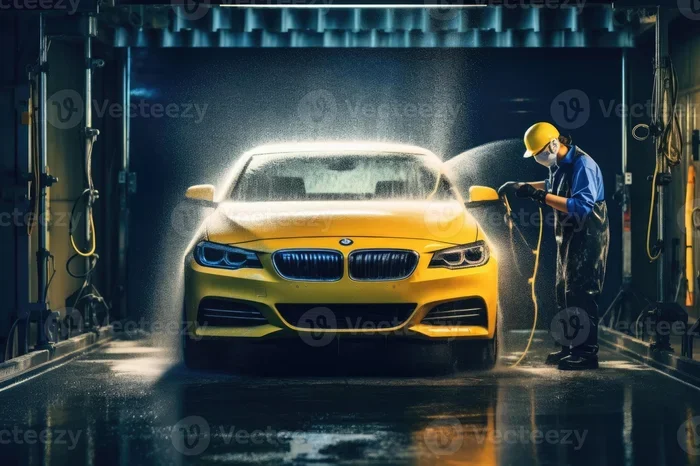
Everything You Need to Know About Auto Car Wash Equipment
Auto car wash equipment covers everything from tunnel systems to touchless bays. This guide breaks down the types, key components, costs, and maintenance tips you need to build or upgrade a car wash. You’ll learn how to choose the right setup for your business and avoid common pitfalls.
Running a car wash means you need the right auto car wash equipment. Whether you are building a new site or upgrading an existing one, understanding the machines and systems makes all the difference. This guide walks you through everything from tunnel washes to touchless bays. You will learn about key components, costs, and how to pick the best setup for your business.
The car wash industry has grown fast in recent years. Owners now look for automatic car wash equipment that saves time, water, and money. A well-designed wash bay can handle hundreds of cars a day with minimal staff. But choosing the wrong system leads to long lines, unhappy customers, and high repair bills. That is why knowing your options matters.
We will cover the main types of car wash systems, the parts inside them, and how to choose the right gear. You will also find tips on installation, maintenance, and budgeting. By the end, you will have a clear picture of what you need. Let us dive into the world of auto car wash equipment.
Key Takeaways
- Choose the right system type: tunnel, touchless, brush, or self-service setups each suit different spaces and traffic volumes.
- Core components matter: high-pressure washers, water recycling units, detergent dispensers, and dryers form the backbone of any wash bay.
- Budget wisely: equipment costs range from a few thousand dollars for a basic self-serve bay to over $500,000 for a full tunnel.
- Maintenance prevents downtime: regular cleaning, chemical checks, and parts replacement keep your car wash running smoothly.
- Water recycling saves money: reclamation systems cut water bills and help the environment.
- Avoid common mistakes: skipping pre-treatment, ignoring water quality, and under sizing equipment lead to costly repairs.
📑 Table of Contents
What Is Auto Car Wash Equipment?
Auto car wash equipment refers to all the machines and tools used to clean vehicles automatically or semi-automatically. This includes wash bays, conveyor systems, high-pressure sprays, chemical dispensers, and drying systems. Each piece works together to remove dirt, grime, and contaminants from cars, trucks, and SUVs.
Why does this matter? Because the right equipment determines how fast, how clean, and how safely you can wash cars. A tunnel wash system moves vehicles through a series of cleaning stations on a conveyor. A touchless car wash uses high-pressure water and chemicals without any brushes. A self-service bay lets customers wash their own cars with coin-operated tools. Each type has its pros and cons.
Why Choosing the Right Equipment Matters
Picking the wrong auto car wash equipment can hurt your business in several ways. If your wash is too slow, customers go to a competitor. If the machines use too much water, your utility bills soar. If the system breaks down often, you lose revenue and trust. On the other hand, the right setup boosts throughput, lowers costs, and keeps customers coming back.
Think about your target market. Are you serving daily commuters who want a quick touchless wash? Or are you attracting detail-oriented owners who prefer a soft-cloth friction wash? Your answer shapes the equipment you buy. A brush car wash might work well for families who want a thorough scrub, while a rollover car wash fits smaller footprints.
Core Components of Any Car Wash Setup
No matter the type, every auto car wash equipment setup shares a few core parts. High-pressure pumps push water through special nozzles. Detergent dispensers mix soap and chemicals in the right proportions. Foam cannons apply thick cleaning lather. Undercarriage wash arms spray from below to remove road salt and mud. Drying blowers or warm air dryers finish the job.
Water treatment systems are also essential. A water recycling system filters and reuses wash water, cutting both water costs and environmental impact. Chemical proportioners ensure you use the exact amount of soap, wax, and protectant. Without these, you waste chemicals and leave spots on vehicles.
Types of Auto Car Wash Systems
The auto car wash equipment market offers several distinct system types. Each fits different spaces, budgets, and customer needs. Let us look at the most popular options.
Tunnel Washes
A tunnel car wash is one of the most common setups for high-volume locations. Vehicles enter on a conveyor and move through a long bay. They pass through pre-soak, foam, brush or touchless cleaning, rinse, and drying stations. Tunnel washes can clean dozens of cars per hour. They work best in areas with steady traffic and enough space for a long building.
Tunnel systems often use soft cloth friction brushes that gently scrub the paint. Some tunnels are fully touchless, relying only on water pressure and chemicals. The choice between cloth and touchless depends on the types of vehicles you expect. Delicate cars may do better with a touchless option.
Touchless Washes
Touchless car wash equipment uses high-pressure water jets and chemical sprays instead of brushes. This method is very gentle on paint and reduces the risk of scratches. It is ideal for luxury cars, classic cars, and vehicles with custom wraps. Touchless systems also require less maintenance because there are no rotating brushes to replace.
The downside is that touchless washes may not remove heavy grime as effectively as friction washes. They often need stronger chemicals and higher water pressure. A good touchless wash system balances power with gentleness. Many modern setups add a soft foam pre-soak to lift dirt before the water jets hit.
Brush and Friction Washes
Brush car wash systems use soft cloth or foam brushes that touch the vehicle surface. These brushes move in a circular or back-and-forth motion to scrub away dirt. Friction washes are excellent at removing stubborn bugs, bird droppings, and road tar. Many car owners love the hands-on feel of a friction wash because it leaves a polished look.
However, brushes can cause micro-scratches if not maintained properly. Regularly replacing worn brushes and keeping them clean is crucial. A well-maintained friction wash system is safe for most vehicles. Look for systems with soft, closed-cell foam or terry cloth wraps.
Self-Service and Rollover Systems
A self-service car wash gives customers control. They pull into a bay, insert coins or use a card, and choose wash options. The bay provides high-pressure water, soap, foam, brush tools, and a self-serve vacuum. These systems require less staff and work well in smaller footprints.
A rollover car wash is similar but the equipment moves over a stationary car. The wash bay lowers from above and sprays from all angles. Rollover systems are popular for convenience stores and gas stations. They take up less space than a tunnel and can be added to an existing parking lot.
Comparison of Auto Car Wash Systems
| System Type | Best For | Space Needed | Throughput | Cost Range |
|---|---|---|---|---|
| Tunnel Wash | High-volume, dedicated car wash sites | Large (100+ ft long) | Very High | $200,000 – $1,000,000+ |
| Touchless Wash | Luxury cars, gentle cleaning | Medium to Large | High | $150,000 – $500,000 |
| Brush/Friction Wash | Thorough cleaning, family-friendly | Medium to Large | High | $180,000 – $600,000 |
| Self-Service Bay | Small footprint, low staff | Small (single bay) | Low to Medium | $10,000 – $50,000 |
| Rollover Wash | Convenience stores, gas stations | Small to Medium | Medium | $30,000 – $150,000 |
Key Equipment Components Explained
Understanding the individual parts of auto car wash equipment helps you make smarter buying decisions. Each component plays a specific role in the cleaning process.
High-Pressure Washers
The high-pressure washer is the heart of any wash system. It pushes water through tiny nozzles at pressures up to 1,000 PSI or more. This force blasts away loose dirt, mud, and debris. For a touchless car wash, the pressure washer does most of the heavy lifting. For friction washes, it handles the initial rinse and pre-soak.
Look for washers with stainless steel pumps and quick-change nozzle tips. These last longer and are easy to maintain. Also, check the water flow rate in gallons per minute (GPM). A higher GPM means faster cleaning but also higher water usage. Balance is key.
Water Recycling and Treatment
Water costs add up quickly. A water recycling system captures used wash water, filters it, and sends it back through the system. This can reduce fresh water consumption by 70% or more. Many municipalities now require water reclamation for new car wash builds.
A typical recycling setup includes settling tanks, filters, and sometimes a water treatment unit that removes chemicals and oils. The recycled water may not be as clean as fresh water, but it works well for the rinse cycle. Investing in a good recycling system pays for itself in a few years.
Detergent and Chemical Systems
Detergent dispensers and chemical proportioners mix soap, wax, and protectants in precise amounts. Too much detergent leaves a filmy residue. Too little means poor cleaning. A foam cannon turns liquid soap into thick foam that clings to the car, giving the chemicals time to break down dirt.
Use car wash-specific chemicals. Household detergents can damage paint and strip wax. Many suppliers offer undercarriage wash chemicals that fight rust and salt buildup. A good wheel cleaner formula removes brake dust without harming the wheel finish.
Drying and Finishing Tools
After the wash, vehicles need to be dried quickly. Drying blowers or warm air dryers use powerful fans to blow water off the car. Some systems use air knives that shoot a thin sheet of air at high speed. These are very effective at removing water from tight spots like mirrors and door handles.
A wax applicator can add a protective layer during the wash. This not only makes the car shine but also helps repel dirt for a few days. Many customers love the added value of a free wax cycle. It can justify a higher price per wash.
How to Choose the Right Auto Car Wash Equipment
Selecting auto car wash equipment is a big decision. It affects your startup costs, daily operations, and long-term profits. Follow these steps to make a confident choice.
Assess Your Space and Traffic
Measure your available space carefully. A tunnel wash needs a long, straight building. A self-service bay needs just a single parking spot. Check the local traffic patterns. How many cars pass your location each day? If you have high volume, a tunnel or high-speed rollover makes sense. For a smaller site, a self-service bay or rollover car wash works well.
Also consider the types of vehicles you will wash. If you expect many large trucks or SUVs, you need higher clearance and stronger wash arms. A touchless wash is often safer for large vehicles because there are no brushes to catch on mirrors or antennas.
Budget and ROI Considerations
Set a realistic budget before you start shopping. The cost of auto car wash equipment varies widely. A basic self-service bay with a high-pressure washer and a self-serve vacuum can cost under $30,000. A full tunnel wash system with water recycling, multiple wash programs, and a payment terminal can easily exceed $500,000.
Think about your return on investment (ROI). How many cars do you need to wash each day to cover your costs? A touchless wash might have a lower upfront cost but higher chemical and water expenses. A friction wash might use more energy but charge a premium price. Run the numbers for your specific location.
Brand and Supplier Tips
Buy from reputable suppliers who offer warranties and strong customer support. Look for brands that specialize in car wash equipment and have a track record of reliability. Ask for references from other car wash owners. Visit a working site if possible to see the machines in action.
Many suppliers offer car wash software that manages payment, loyalty programs, and equipment diagnostics. This software can boost customer retention and reduce downtime. A loyalty program integrated with the wash bay encourages repeat business. It is a small investment that pays off over time.
Installation, Maintenance, and Upkeep
Even the best auto car wash equipment needs proper installation and regular care. Skipping these steps leads to breakdowns, poor wash quality, and expensive repairs.
Installation Best Practices
Hire experienced installers who understand plumbing, electrical, and water treatment. The foundation must be level and able to handle the weight of the equipment. All electrical connections should meet local codes and safety standards. A payment terminal and car wash software need a reliable internet or network connection.
Before opening, run the system through a full test cycle. Check water pressure, chemical mixing, and drying performance. Train your staff on how to operate the auto car wash equipment safely. A proper launch sets the tone for smooth operations for years to come.
Routine Maintenance Checklist
Keep a maintenance log and follow it daily. Here is a simple checklist to follow:
- Daily: Inspect nozzles for clogs, check chemical levels, clean drain screens, and wipe down touch screens.
- Weekly: Lubricate moving parts, check belt tension on conveyor systems, and test water pressure.
- Monthly: Clean filter housings, inspect foam cannon and detergent dispensers, and run a descaling cycle on water lines.
- Quarterly: Service the high-pressure pump, check the water recycling system filters, and calibrate chemical proportioners.
Common Mistakes to Avoid
Many new car wash owners make avoidable mistakes. One common error is buying the cheapest equipment without considering maintenance costs. A cheap high-pressure washer might break down in six months, costing more in repairs. Another mistake is ignoring water quality. Hard water with high mineral content can clog nozzles and leave spots on cars. Install a water softener if needed.
Skipping the pre-treatment step is another pitfall. A good pre-soak loosens dirt before the main wash, reducing brush wear and improving cleaning. Also, do not underestimate the importance of staff training. Operators who do not understand the auto car wash equipment can run it incorrectly, wasting chemicals and water.
Costs and ROI for Car Wash Businesses
Understanding the costs behind auto car wash equipment helps you plan your budget and set the right price per wash. Let us break down the main expense categories.
Breakdown of Equipment Costs
The biggest cost is the wash system itself. A basic self-service bay with a high-pressure washer and a coin-operated vacuum might cost $15,000 to $40,000. A rollover car wash system for a gas station can range from $30,000 to $100,000. A full tunnel wash with water recycling, multiple wash programs, and a payment terminal can run from $200,000 to over $1 million.
Do not forget the hidden costs. Plumbing, electrical work, paving, and site preparation can add 20% to 30% to the equipment price. You will also need ongoing expenses for chemicals, water, electricity, and staff. A water recycling system reduces water costs but adds an upfront investment. Weigh these factors carefully.
Maximizing Return on Investment
To get the best ROI from your auto car wash equipment, focus on efficiency and customer experience. Offer multiple wash tiers so customers can choose a basic wash or a premium package with wax and interior cleaning. A loyalty program encourages repeat visits. Car wash software can track which programs are most popular and help you adjust pricing.
Keep your equipment in top shape. A well-maintained wash runs faster, uses less water, and delivers consistent results. Happy customers wash more often and spend more per visit. That is the real secret to a profitable car wash business.
Quick Tips for Success
- Start with a pilot program if you are unsure which system type works best for your location.
- Use water reclamation to cut costs and meet environmental regulations.
- Offer a touchless wash option alongside a friction wash to appeal to a wider audience.
- Keep your payment terminal and signage clean and easy to use.
- Train staff to explain wash options to customers, increasing average ticket size.
Conclusion
Auto car wash equipment is the backbone of any successful car wash business. From tunnel systems to touchless bays, the right setup can drive high volume, low costs, and happy customers. By understanding the types of systems, the key components, and the total cost of ownership, you make a smart investment. Choose equipment that fits your space, your budget, and your target market. Maintain it well, and it will serve you for many years. Start planning your auto car wash equipment setup today and watch your business grow.
Frequently Asked Questions
What is the most popular type of auto car wash equipment?
Tunnel washes and touchless systems are among the most popular. Tunnel washes handle high volumes and offer a full cleaning experience. Touchless systems appeal to owners who want a gentle wash with low maintenance. The best choice depends on your location and customer base.
How much does auto car wash equipment cost?
Costs range widely. A basic self-service bay can start around $15,000. A full tunnel wash system with water recycling and software can cost $500,000 or more. Your budget, space, and expected traffic will guide the final price.
Do I need a water recycling system for my car wash?
Many areas now require water reclamation. Even if not required, a recycling system saves money on water bills and helps the environment. It is a smart investment for any new or existing car wash.
What is the difference between a touchless wash and a friction wash?
A touchless wash uses only high-pressure water and chemicals, with no brushes. A friction wash uses soft cloth or foam brushes to scrub the car. Touchless is gentler on paint, while friction provides a more thorough clean for heavy grime.
How often should I maintain my auto car wash equipment?
Daily inspections are essential. Weekly and monthly tasks include lubricating parts, cleaning filters, and checking chemical levels. Quarterly professional service keeps pumps, proportioners, and water treatment systems running at peak performance.
Can I add a loyalty program to my car wash?
Yes, most modern auto car wash equipment setups support loyalty programs through car wash software. A payment terminal can track customer visits and apply rewards. This simple feature boosts repeat business and increases customer lifetime value.