Do Toyota Sequoias Last Long Here Is What You Should Know
The Toyota Sequoia is widely regarded as one of the most durable full-size SUVs on the road today. With proper maintenance, a Toyota Sequoia can easily surpass 200,000 miles and still deliver strong performance. Owners consistently praise the Toyota Sequoia reliability and long-lasting build quality that make this vehicle a trusted family hauler for years.
When you buy a Toyota Sequoia, you are not just buying a vehicle. You are buying years of dependable service, countless family road trips, and the peace of mind that comes from owning one of the most Toyota Sequoia reliability legends on the road. So, do Toyota Sequoias last long? The short answer is a resounding yes. But there is a lot more to the story that every potential buyer and current owner should know.
The Toyota Sequoia has been a staple in the full-size SUV market since it first rolled onto the scene in 2001. Built on the same platform as the legendary Toyota Tundra pickup truck, the Sequoia was designed from the ground up to handle tough conditions, heavy loads, and the demands of daily family life. Over the years, it has earned a reputation for being one of the Toyota Sequoia longevity champions in its class.
Whether you are looking at a used model or considering a new purchase, understanding what makes the Sequoia tick is essential. In this article, we will dive deep into the Toyota Sequoia lifespan, common issues, maintenance tips, and real-world owner experiences. By the end, you will have a clear picture of just how long this impressive SUV can truly last.
Key Takeaways
- Toyota Sequoias routinely last 200,000+ miles with regular maintenance and proper care.
- The 5.7-liter V8 engine is known for durability and can handle heavy towing and hauling.
- Common issues like transmission wear and rust are manageable when caught early.
- Regular oil changes and fluid flushes significantly extend the lifespan of your Sequoia.
- The Toyota Sequoia holds its resale value better than many competitors in the full-size SUV class.
- 4WD models offer excellent off-road capability while maintaining everyday drivability.
- Owner reviews consistently rate the Sequoia as one of the most reliable large SUVs available.
📑 Table of Contents
- Understanding Toyota Sequoia Lifespan
- The Toyota Sequoia Engine and Drivetrain
- Common Toyota Sequoia Problems and How to Avoid Them
- Toyota Sequoia Maintenance Schedule
- Toyota Sequoia Resale Value and Ownership Costs
- Real-World Owner Experiences and Reviews
- Expert Tips for Maximizing Your Toyota Sequoia’s Lifespan
- Final Thoughts
Understanding Toyota Sequoia Lifespan
The average lifespan of a Toyota Sequoia depends on several factors. These include how well you maintain it, what kind of driving you do, and whether you address small problems before they become big ones. However, the numbers paint a very encouraging picture for anyone considering this vehicle.
Average Mileage Expectations
Most Toyota Sequoias can comfortably reach the 200,000-mile mark. Some well-maintained examples have even pushed past 300,000 miles. This is well above the average lifespan for most SUVs on the market today. The key is consistent Toyota Sequoia maintenance and paying attention to the small things that add up over time.
Here are some general mileage benchmarks for the Toyota Sequoia:
- 0 to 50,000 miles: This is the break-in period. The vehicle runs smoothly, and most owners barely notice any issues.
- 50,000 to 100,000 miles: This is where routine maintenance becomes critical. Oil changes, tire rotations, and fluid checks keep everything running well.
- 100,000 to 150,000 miles: Some owners may notice minor wear on components like the transmission or suspension. Regular service helps prevent major repairs.
- 150,000 to 200,000+ miles: With proper care, the Sequoia continues to perform strong. Many owners report that their vehicles feel just as capable at this stage as they did when new.
Factors That Affect Longevity
Several factors influence how long your Toyota Sequoia will last. Understanding these can help you make smarter decisions about ownership and care.
Driving habits play a huge role. If you frequently tow heavy loads or drive in extreme conditions, your Sequoia will experience more wear and tear. On the other hand, gentle driving and avoiding overloading the vehicle can add years to its life.
Climate and environment also matter. Vehicles in coastal areas or places with heavy salt use on roads are more prone to rust and corrosion. Keeping your Sequoia clean and applying rust protection can help counteract this.
Maintenance history is perhaps the most important factor. A Sequoia that has received regular oil changes, timely repairs, and proper fluid maintenance will almost always outlast one that has been neglected. This is true for any vehicle, but it is especially important for large SUVs like the Sequoia.
The Toyota Sequoia Engine and Drivetrain
The heart of any Toyota Sequoia is its engine. The current generation features a 5.7-liter V8 engine that produces 381 horsepower and 401 pound-feet of torque. This engine has been a workhorse in the Toyota lineup for years and is known for its durability and reliability.
Engine Durability
The 5.7-liter V8 is a naturally aspirated engine, which means it does not rely on turbochargers or superchargers that can fail over time. This simpler design contributes to the Toyota Sequoia longevity that owners love. The engine uses a timing chain rather than a timing belt, which means fewer scheduled replacement intervals and less maintenance worry.
Many owners report that their Sequoia engines run strong well past the 200,000-mile mark. Some have even reached 300,000 miles without a major engine rebuild. This is a testament to the engineering quality that Toyota puts into its larger vehicles.
Transmission Reliability
The Sequoia pairs its V8 engine with a six-speed automatic transmission. While this transmission is generally reliable, it is not immune to issues. Some owners have reported rough shifting or hesitation around the 100,000 to 150,000-mile range.
The good news is that these issues are often manageable with proper maintenance. Regular transmission fluid changes can make a big difference. If you notice any unusual behavior, getting it checked early can prevent costly repairs down the road.
4WD System and Off-Road Capability
The Toyota Sequoia offers a 4WD system that makes it a capable off-road SUV. If you are wondering how to check whether your truck is in 4WD or 4WD Low, the process is straightforward and varies by model year. The 4WD system adds another layer of durability to the vehicle, as it is built to handle tough terrain without straining the drivetrain.
For those who use their Sequoia for towing or off-road adventures, the 4WD system is a major asset. It provides better traction and control in challenging conditions, which reduces stress on the vehicle and helps extend its overall lifespan.
Common Toyota Sequoia Problems and How to Avoid Them
No vehicle is perfect, and the Toyota Sequoia is no exception. However, most of the issues that owners encounter are well-documented and manageable when you know what to look for.
Transmission Issues
As mentioned earlier, the six-speed automatic transmission can develop problems over time. Symptoms include rough shifting, slipping, or delayed engagement. The best way to avoid serious transmission trouble is to stay on top of fluid changes and address any unusual behavior immediately.
Rust and Corrosion
Rust can be a concern for Toyota Sequoias, especially in colder climates where road salt is common. The undercarriage, wheel wells, and rocker panels are the most vulnerable areas. Regular washing, especially during winter months, and applying a rust inhibitor can help protect your investment.
Suspension Wear
The Sequoia is a heavy vehicle, and its suspension takes a beating over time. Common issues include worn shocks, struts, and bushings. These are normal wear items and are relatively affordable to replace. Staying on top of suspension maintenance keeps your Sequoia riding smooth and handling well.
Electrical Gremlins
Some older Sequoia models have experienced electrical issues, including problems with the power windows, locks, and infotainment system. These are usually minor and can be resolved with simple fixes or replacements. Keeping your electrical connections clean and dry helps prevent many of these issues.
Toyota Sequoia Maintenance Schedule
Staying on top of your Toyota Sequoia maintenance schedule is the single best thing you can do to ensure a long lifespan. Toyota provides a detailed maintenance guide for each model year, and following it closely pays off in the long run.
Here is a simplified maintenance timeline for the Toyota Sequoia:
- Every 5,000 to 7,500 miles: Oil change and oil filter replacement. Using quality synthetic oil, such as Mobil 1, can help extend engine life and improve performance.
- Every 15,000 to 30,000 miles: Replace the air filter, cabin filter, and inspect the brake system.
- Every 30,000 to 60,000 miles: Flush the coolant, replace the transmission fluid, and inspect the drive belt.
- Every 60,000 to 100,000 miles: Replace the spark plugs, inspect the suspension components, and check the exhaust system.
- Every 100,000+ miles: Perform a comprehensive inspection of all major systems. Replace any worn components before they cause secondary damage.
Many owners also take their Sequoias to Jiffy Lube for routine maintenance services. While Jiffy Lube can handle basic oil changes and fluid top-offs, it is always a good idea to refer to your owner’s manual for the specific service intervals recommended by Toyota.
Toyota Sequoia Resale Value and Ownership Costs
One of the biggest advantages of owning a Toyota Sequoia is its strong Toyota Sequoia resale value. The Sequoia consistently holds its value better than many competitors in the full-size SUV segment. This is largely due to its reputation for durability and reliability.
Why the Sequoia Holds Its Value
Several factors contribute to the Sequoia’s strong resale value:
- Brand reputation: Toyota is synonymous with reliability, and the Sequoia benefits from this trust.
- Limited production: Toyota has kept Sequoia production relatively modest compared to other SUVs, which helps maintain demand.
- Durability: Buyers know that a used Sequoia can last for many more years and miles, making it a smart investment.
- Strong towing and hauling capability: The Sequoia’s towing capacity makes it attractive for families and outdoor enthusiasts alike.
Average Ownership Costs
While the Toyota Sequoia is not the cheapest SUV to own, its costs are reasonable when compared to its size and capability. Routine maintenance is affordable, and major repairs are relatively uncommon before the 150,000-mile mark. The cost of ownership tends to be lower than many luxury competitors, which is another reason the Sequoia is such a popular choice.
For owners who want to protect their investment, accessories like mud flaps and cargo nets can help keep the vehicle in good condition. Mud flaps protect the body from road debris, while cargo nets prevent items from shifting and causing damage during transport.
Real-World Owner Experiences and Reviews
The best way to understand how long a Toyota Sequoia lasts is to hear from the people who own them. Owner reviews consistently highlight the vehicle’s durability, comfort, and capability.
Many owners report driving their Sequoias for 15 to 20 years without any major issues. The third-row seating, which is a standout feature in the full-size SUV class, remains comfortable and functional even after many years of use. Families appreciate the Sequoia’s ability to comfortably seat seven or eight passengers while still offering generous cargo space.
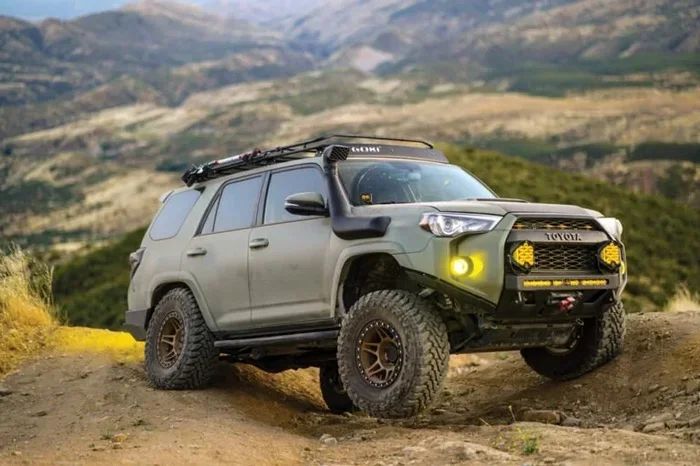
Off-road enthusiasts also praise the Sequoia for its capability. The 4WD system and high ground clearance make it a versatile vehicle that can handle everything from daily commutes to weekend adventures on rough trails. Whether you are navigating city streets or exploring back roads, the Sequoia delivers confidence and capability.
When it comes to Toyota Sequoia owner reviews, the overwhelming sentiment is positive. Owners value the vehicle’s longevity, low maintenance costs, and the peace of mind that comes from owning a Toyota. It is not uncommon to find Sequoias with over 200,000 miles still looking and performing like vehicles with half that mileage.
Expert Tips for Maximizing Your Toyota Sequoia’s Lifespan
Want to get the most miles out of your Toyota Sequoia? Follow these expert tips to keep your vehicle running strong for years to come.
- Stick to the maintenance schedule. Do not skip oil changes or fluid flushes. Regular service is the foundation of a long-lasting vehicle.
- Address small issues immediately. A small noise or warning light today can become a major repair tomorrow. Do not ignore anything unusual.
- Keep it clean. Regular washing protects the paint and undercarriage from corrosion. Pay special attention to the underside of the vehicle.
- Drive gently. Avoid aggressive acceleration and hard braking. Smooth driving reduces wear on the engine, transmission, and brakes.
- Use quality parts and fluids. Stick with manufacturer-recommended or high-quality aftermarket parts. Cheap fluids and components can cause premature wear.
- Store it properly. If you live in a harsh climate, consider garaging your Sequoia or using a quality cover to protect it from the elements.
By following these tips, you can help ensure that your Toyota Sequoia delivers the kind of Toyota Sequoia durability that has made this vehicle a legend in the SUV world.
Final Thoughts
So, do Toyota Sequoias last long? Without a doubt, yes. The Toyota Sequoia is built to last, and with proper care and maintenance, it can easily serve you well for 200,000 miles or more. From its robust 5.7-liter V8 engine to its capable 4WD system, every aspect of this vehicle is designed with longevity in mind.
Whether you are a first-time Sequoia owner or have been driving one for years, the key to a long-lasting vehicle is consistent maintenance and attentive ownership. Stay on top of service, address issues early, and treat your Sequoia with the respect it deserves. In return, it will reward you with years of reliable, comfortable, and capable service.
The Toyota Sequoia is more than just a vehicle. It is a long-term investment in quality, reliability, and peace of mind. And for those who appreciate the value of a well-built SUV, few choices can match what this impressive vehicle has to offer.
Frequently Asked Questions
How many miles can a Toyota Sequoia last?
With proper maintenance, a Toyota Sequoia can last 200,000 to 300,000 miles or more. Many owners report reaching the 250,000-mile mark without any major engine or transmission issues. The key is staying consistent with oil changes and routine service.
Is the Toyota Sequoia a reliable vehicle?
Yes, the Toyota Sequoia is widely considered one of the most reliable full-size SUVs available. Its reputation for Toyota Sequoia reliability is backed by years of positive owner reviews and strong resale values. Regular maintenance plays a big role in keeping it dependable.
What is the common problem with Toyota Sequoia?
The most common issues include transmission roughness, suspension wear, and rust in colder climates. These problems are manageable when caught early and addressed with proper repairs. Staying on top of maintenance helps prevent most of these issues from becoming serious.
Does the Toyota Sequoia hold its value well?
Yes, the Toyota Sequoia holds its resale value better than many competitors in the full-size SUV class. Its reputation for durability and limited production numbers contribute to strong demand in the used market. This makes it a smart choice for buyers looking at pre-owned models.
How often should I change the oil in my Toyota Sequoia?
Toyota recommends changing the oil every 5,000 to 7,500 miles for most driving conditions. Using high-quality synthetic oil can help extend engine life and improve performance. Always refer to your owner’s manual for the specific recommendation for your model year.
Can a Toyota Sequoia be used for towing and off-roading?
Absolutely. The Sequoia has a strong towing capacity and a capable 4WD system that makes it excellent for both towing and off-road adventures. Its durable drivetrain and high ground clearance handle tough terrain with confidence while remaining comfortable for daily driving.
=== INTERNAL LINKS ===
Taking care of your Toyota Sequoia means staying on top of its maintenance needs. For quality synthetic oil that helps protect your engine, check out whether Mobil 1 really lasts 10,000 miles before your next oil change.
If you are planning off-road trips or need better traction in tough conditions, understanding your Toyota Sequoia 4WD system is essential. Learn more about how to verify your 4WD engagement in our guide on how do I know if my truck is in 4WD.
Protecting your Sequoia from road debris and harsh conditions is an important part of long-term ownership. Find out if you really need accessories like mud flaps by reading do you really need mud flaps for your full-size SUV.
For routine maintenance and quick service, many Sequoia owners trust Jiffy Lube for diagnostics and basic services to keep their vehicle running smoothly between major service appointments.