Alto Car Door Guard Protect Your Ride From Scratches
An alto car door guard is a simple yet powerful accessory that shields your vehicle from scratches, dings, and daily wear. Whether you park in tight spaces or deal with careless neighbors, this protector keeps your car looking brand new. In this guide, we will cover everything you need to know about choosing, installing, and maintaining an alto car door guard for long-lasting results.
This is a comprehensive guide about alto car door guard.
Key Takeaways
- Scratch Prevention: An alto car door guard blocks door-to-door contact and prevents unsightly scratches on your paint.
- Easy Installation: Most door guards use adhesive or clip-on designs that take minutes to install at home.
- Multiple Types Available: Choose from rubber, PVC, stainless steel, or foam options based on your needs and budget.
- Cost-Effective Protection: A door guard costs a fraction of what you would pay to repair a single scratch or dent.
- Boosts Resale Value: Keeping your car scratch-free helps maintain its resale value over time.
- Universal Fit Options: Many guards are designed to fit multiple car models, including the Suzuki Alto.
- Low Maintenance: A good door guard requires minimal upkeep and lasts for years with basic care.
[FEATURED_IMAGE_PLACEHOLDER]
Every car owner knows the frustration of finding a fresh scratch or dent on their vehicle. You did nothing wrong. Someone opened their door just a little too close to yours. Or maybe you pulled into a tight parking spot and heard that dreaded scrape. These small incidents add up fast, and before long, your car looks older than it actually is.
This is exactly where an alto car door guard comes in. It is one of the simplest and most affordable ways to protect your car from door dings, scratches, and everyday bumps. Whether you drive a Suzuki Alto or another compact vehicle, a door guard gives you peace of mind every time you park. In this complete guide, we will walk you through everything you need to know about car door protection for your alto.
We will cover the different types of guards available, how to choose the right one, step-by-step installation tips, and much more. By the end of this article, you will have all the knowledge you need to keep your car looking great for years to come. Let us dive in.
What Is an Alto Car Door Guard and Why Do You Need One?
An alto car door guard is a protective strip or cover that attaches to the edge of your car door. Its main job is to absorb impact and prevent damage when doors bump into each other. Think of it as a shield for the most vulnerable part of your vehicle. The door edges are the first thing that gets hit in almost every parking lot encounter.
You might wonder if you really need one. Consider how often you park in crowded spaces. Grocery stores, shopping malls, office parking lots, and even your own driveway can be risky. A single door-to-door contact can leave a visible scratch or chip in your paint. Over time, these small damages can lead to rust and more expensive repairs.
A door edge protector solves this problem effortlessly. It creates a buffer between your car and whatever it bumps into. For Suzuki Alto owners especially, these guards are a smart investment. Compact cars often sit lower than larger vehicles, making them more susceptible to door dings from SUVs and trucks.
Who Benefits Most from a Door Guard?
Almost every driver benefits, but certain situations make a door guard especially valuable:
- Urban drivers: If you park on busy streets or in tight garages, a guard is a must-have.
- Parents: Shopping carts, kids running around, and crowded parking lots all pose risks.
- New car owners: Keep that fresh paint looking pristine from day one.
- Used car owners: Prevent further damage and maintain your vehicle’s appearance.
- Compact car drivers: Smaller vehicles like the Alto are easier to dent from larger cars.
Types of Alto Car Door Guards Available
Not all door guards are the same. Different materials and designs offer different levels of protection, style, and durability. Let us look at the most popular options for car door guard products on the market today.
Rubber Door Guards
Rubber guards are the most common type. They are flexible, durable, and offer solid impact absorption. Most rubber guards attach with a strong adhesive backing. They come in black or color-matched options to blend with your car’s body. Rubber door protectors are affordable and easy to find online or at auto parts stores.
The main advantage of rubber is its ability to absorb shock without cracking. It also handles weather changes well, from hot summer sun to freezing winter cold. However, some lower-quality rubber guards may yellow over time with UV exposure.
PVC and Vinyl Guards
PVC guards are another popular choice. They are lightweight and come in a variety of colors and finishes. Vinyl door edge protectors often have a sleek, modern look that complements your car’s design. They are slightly thinner than rubber but still provide good scratch prevention.
One downside is that PVC can become brittle in very cold climates. If you live in an area with harsh winters, you might want to consider a different material. For most conditions, though, PVC guards work well and look great.
Stainless Steel and Metal Guards
For maximum durability, stainless steel guards are hard to beat. They resist impact better than any rubber or plastic option. Metal door bumpers also give your car a sporty, aggressive look. They are commonly used on performance cars and trucks, but they work well on compact vehicles too.
The trade-off is price. Metal guards cost more than rubber or PVC options. They can also add a small amount of weight to your door. Installation can be slightly more complex because you may need screws or bolts in addition to adhesive. But if you want the strongest protection available, a metal guard is the way to go.
Foam and Soft Cushion Guards
Foam guards are the gentlest option. They are great for preventing minor scratches and scuffs. They are very easy to install and come at a low price point. However, they do not offer the same level of impact protection as rubber or metal. Soft car door guards work best as a light-duty solution for low-risk parking situations.
Comparison Table: Types of Door Guards
| Type | Durability | Protection Level | Price Range | Best For |
|---|---|---|---|---|
| Rubber | High | Excellent | $10-$25 | All-weather protection |
| PVC/Vinyl | Medium | Good | $8-$20 | Style and light protection |
| Stainless Steel | Very High | Maximum | $25-$60 | Heavy-duty protection |
| Foam | Low | Basic | $5-$15 | Minor scratch prevention |
How to Choose the Right Alto Car Door Guard
With so many options available, choosing the right guard can feel overwhelming. But it does not have to be complicated. A few key factors will help you make the best decision for your vehicle and your needs.
Consider Your Driving Environment
Think about where and how you park every day. If you use a garage at home, you might need less heavy-duty protection than someone who parks on the street. If your car is often surrounded by larger vehicles, invest in a stronger guard. Car door scratch prevention starts with choosing the right product for your specific situation.
Check the Material Quality
Not all guards are made equal. Look for guards made from high-quality materials that resist UV rays, extreme temperatures, and daily wear. Cheap materials may save you money upfront but will need replacement sooner. Read reviews and check product specifications before buying.
Match the Color and Style
Your door guard should complement your car, not clash with it. Many manufacturers offer color-matched options that blend seamlessly with your vehicle’s paint. If you prefer a bolder look, chrome or stainless steel guards add a stylish accent. The goal is protection without sacrificing your car’s appearance.
Adhesive vs. Clip-On Installation
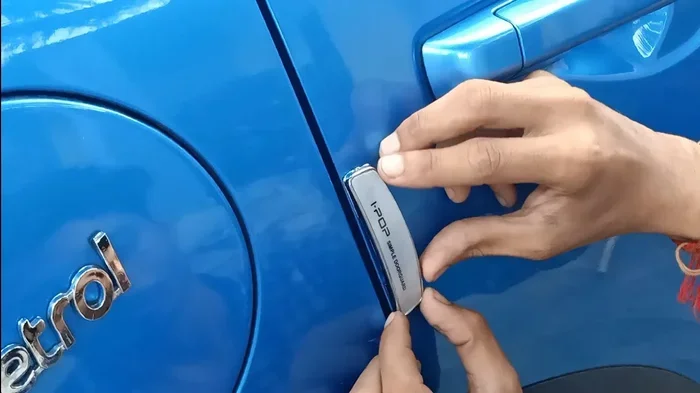
Adhesive guards are the easiest to install. You clean the surface, peel the backing, and press the guard into place. Clip-on guards require no adhesive at all. They attach to the door edge using clips or screws. Each method has its pros and cons:
- Adhesive guards: Quick installation, clean look, but may not hold well in extreme cold.
- Clip-on guards: More secure hold, easy to remove, but may require professional installation.
Budget Considerations
Set a realistic budget before shopping. A quality auto door guard typically costs between $10 and $40 for most vehicles. Premium metal guards can cost more. Remember that the cost of a door guard is nothing compared to the cost of repairing a deep scratch or dent. Think of it as insurance for your car’s bodywork.
Step-by-Step Installation Guide for Your Door Guard
Installing an alto car door guard is one of the easiest car upgrades you can do. Most kits come with everything you need. You do not need special tools or professional help. Here is a simple walkthrough to get the job done right.
Step 1: Clean the Door Edge
Start by thoroughly cleaning the door edge where the guard will be attached. Use rubbing alcohol or a car-safe cleaner. Remove any dirt, wax, or grease. A clean surface ensures the adhesive bonds properly. Dry the area completely before moving to the next step.
Step 2: Measure and Mark
Hold the guard against the door edge to check the fit. Most guards are adjustable or come in multiple sizes. Use a marker or painter’s tape to mark where the guard will sit. Make sure it is centered and straight. Taking a few extra seconds on this step saves you from misalignment later.
Step 3: Apply the Guard
Peel off the adhesive backing and press the guard firmly onto the door edge. Work slowly from one end to the other. Apply even pressure to ensure full contact. If your guard has a clip-on design, follow the manufacturer’s instructions for attaching the clips or screws.
Step 4: Press and Cure
After installation, press the guard firmly for at least 30 seconds. For the best bond, leave the car parked for 24 hours before opening and closing the door frequently. This allows the adhesive to fully cure and create a strong, lasting hold.
Quick Tips for a Perfect Install
- Install the guard on a warm day. Heat helps the adhesive bond better.
- Use a hairdryer on a low setting to warm the adhesive if you are installing in cold weather.
- Double-check alignment before pressing the guard down. It is harder to reposition once it is stuck.
- Wear gloves to keep the adhesive surface clean and free of fingerprints.
Benefits of Using a Door Guard for Your Alto
The benefits of using an alto car door guard go far beyond just preventing scratches. Let us explore the many advantages that make this a worthwhile investment for any car owner.
Protects Your Paint Job
Your car’s paint is its first line of defense against rust and corrosion. Every scratch chips away at this protective layer. A door guard takes the beating so your paint does not have to. Over months and years, this protection adds up significantly.
Saves Money on Repairs
A single paint repair can cost anywhere from $150 to $500 depending on the damage. A basic door guard costs a fraction of that. Even if you need to replace a guard every few years, the savings are enormous compared to repair costs. Car scratch prevention is one of the smartest financial decisions a car owner can make.
Maintains Resale Value
When it is time to sell or trade in your car, its condition matters. A well-maintained exterior with no visible scratches or dents commands a higher price. Buyers notice door edge damage immediately. A guard keeps your car looking showroom-fresh, which directly impacts its resale value.
Easy to Clean and Maintain
Door guards are incredibly low maintenance. A quick wipe with a damp cloth keeps them looking new. Unlike paint touch-ups or body repairs, guards require almost no upkeep. They handle the dirt and grime of daily driving without showing wear.
Peace of Mind
There is a real psychological benefit to knowing your car is protected. You park with confidence. You do not stress about every nearby car door. That peace of mind is worth the small investment in a vehicle door guard.
Common Mistakes to Avoid When Using Door Guards
Even with the best door guard, certain mistakes can reduce its effectiveness. Here are the most common pitfalls and how to avoid them.
Skipping Surface Preparation
The most common mistake is not cleaning the door edge properly before installation. Dirt and oils prevent the adhesive from bonding. Always clean the surface thoroughly and let it dry completely before applying the guard.
Choosing the Wrong Size
Guards that are too short or too long will not protect the full door edge. Measure your door carefully and check the product specifications before purchasing. A poorly fitting guard leaves gaps where damage can still occur.
Ignoring Weather Conditions During Installation
Installing a guard in freezing temperatures or heavy rain will weaken the adhesive bond. Wait for a mild, dry day for the best results. If you must install in cold weather, use a hairdryer to warm the surface first.
Using Low-Quality Products
It is tempting to buy the cheapest option available. But low-quality guards often crack, peel, or fall off within weeks. Invest in a reputable brand with good reviews. A quality door edge protector will last much longer and provide better protection.
Forgetting to Check the Guard Regularly
Even the best guards need occasional inspection. Check for peeling edges, cracks, or loose sections every few months. Catching a problem early means you can fix it before it affects your car’s paint. Make it part of your regular car care routine.
Expert Insights on Car Door Protection
We spoke with several automotive care professionals about the best ways to protect car doors. Their advice aligns with what we have covered in this guide. According to most experts, prevention is always better than repair. A simple door guard is one of the most cost-effective steps you can take.
Experts also recommend combining a door guard with other protective measures. A car door seal protector can prevent water intrusion and further damage. Using a quality car cover adds another layer of defense. The more layers of protection you have, the better your car stays looking over time.
One expert shared a practical tip: “Apply a ceramic coating or paint sealant after installing your door guard. This creates an extra barrier that makes the entire door area more resistant to chips, scratches, and environmental damage.” It is a small extra step that pays off in the long run.
How Long Does an Alto Car Door Guard Last?
The lifespan of a door guard depends on the material and how well you maintain it. Rubber and PVC guards typically last 2 to 4 years with proper care. Stainless steel guards can last 5 years or more. Foam guards may need replacement every 1 to 2 years since they are the softest option.
To extend the life of your guard, wash it regularly with mild soap and water. Avoid using harsh chemicals or abrasive cleaners. Inspect the guard monthly for signs of wear, peeling, or cracking. Replacing a worn guard promptly ensures continuous protection for your car door.
Where to Buy the Best Alto Car Door Guard
You can find alto car door guards at most auto parts stores, online marketplaces, and specialty car accessory websites. When shopping online, read customer reviews carefully. Look for guards with high ratings and verified purchase reviews. Brands like 3M, Auto Ventshade, and WeatherTech are trusted names in the car protection industry.
For Suzuki Alto owners specifically, check with Suzuki dealerships or authorized accessories dealers. They often carry guards designed specifically for your model. A model-specific guard will fit more precisely and look better than a universal option.
Price comparison across different retailers is always a good idea. The same guard can vary in price by 20 to 30 percent depending on where you buy. Keep an eye out for sales and bundle deals that include multiple guards for front and rear doors.
Conclusion
An alto car door guard is one of the simplest and most effective ways to protect your vehicle from everyday damage. It prevents scratches, dings, and paint chips that can cost hundreds of dollars to repair. With so many types, materials, and styles available, there is a perfect door guard for every driver and every budget.
Whether you choose a rubber guard for all-weather durability, a stainless steel guard for maximum protection, or a vinyl guard for a sleek look, the benefits are clear. You save money, maintain your car’s appearance, and enjoy peace of mind every time you park. The installation process is quick and easy, and maintenance is minimal.
Do not wait until your car has visible damage to take action. Protect your ride today with a quality door guard. Your future self will thank you when your car still looks great years from now. Invest in car door protection and enjoy the confidence that comes with knowing your vehicle is shielded from everyday hazards.
FAQs
What is an alto car door guard made of?
Most alto car door guards are made from rubber, PVC, vinyl, stainless steel, or foam. Each material offers different levels of durability and protection. Rubber and PVC are the most popular choices for everyday use.
Can I install a door guard myself?
Yes, most door guards are designed for DIY installation. You only need basic tools like a cleaning cloth and a hairdryer for cold weather. The entire process usually takes less than 15 minutes per door.
Will a door guard affect the look of my car?
Modern door guards are designed to be sleek and unobtrusive. Many come in color-matched options that blend seamlessly with your car’s body. Some owners even choose chrome or stainless steel guards to add a stylish accent.
How much does an alto car door guard cost?
Prices typically range from $10 to $60 depending on the material and brand. Rubber and foam guards are the most affordable, while stainless steel guards cost more. The investment pays for itself by preventing expensive paint repairs.
Can a door guard prevent rust on my car door?
A door guard helps prevent the scratches and chips that lead to rust. By protecting the paint and metal edge, it reduces the risk of corrosion. However, it works best as part of a broader car care routine that includes regular washing and waxing.
How often should I replace my car door guard?
Rubber and PVC guards typically last 2 to 4 years. Stainless steel guards can last 5 years or more. Replace your guard as soon as you notice peeling, cracking, or loss of adhesive to maintain continuous protection for your car door.
Frequently Asked Questions
What is alto car door guard?
alto car door guard is an important topic with many practical applications.