Can I Use Green Coolant in a Toyota Without Issues
Using green coolant in a Toyota can work, but it depends on your Toyota model, year, and the coolant formulation. Toyota originally used green coolant for many older models, but newer vehicles often require specific Toyota Super Long Life Coolant (SLLC). Always check your owner’s manual before adding any coolant. Using the wrong type can lead to overheating, corrosion, or warranty issues.
Can I use green coolant in a Toyota? This is a question that Toyota owners ask more often than you might think. Whether you are topping off your coolant reservoir or planning a full flush, choosing the right coolant matters. The wrong choice can lead to overheating, corrosion, and expensive repairs.
Green coolant has been around for decades. It was the go-to option for most cars, including many Toyota models, for a long time. But Toyota has changed its recommendations over the years. Today, newer Toyotas often require a specific type of coolant that is not green. So what does this mean for you? Let us break it all down.
In this guide, we will cover everything you need to know about using green coolant in a Toyota. We will look at which Toyota models accept it, what happens when you mix coolant types, and how to keep your cooling system in great shape. By the end, you will feel confident making the right choice for your vehicle.
Key Takeaways
- Green coolant was standard in older Toyota models: Many Toyotas from the 1980s through early 2000s used conventional green coolant.
- Newer Toyotas need SLLC: Toyota Super Long Life Coolant is typically pink or red and designed for extended drain intervals.
- Mixing coolant types can cause problems: Combining green coolant with OAT or HOAT coolants may lead to gel formation and blockages.
- Always check your owner’s manual: The manual tells you exactly which coolant type your Toyota needs.
- Wrong coolant can void your warranty: Using incompatible coolant may damage your cooling system and void coverage.
- Flush and replace coolant on schedule: Regular coolant changes prevent buildup and keep your engine running cool.
📑 Table of Contents
- What Is Green Coolant and Why Does It Matter?
- Which Toyota Models Use Green Coolant?
- Can You Mix Green Coolant With Other Coolant Types?
- How to Check and Change Green Coolant in Your Toyota
- Signs Your Toyota Coolant Needs Attention
- Common Mistakes Toyota Owners Make With Coolant
- Expert Insights: What Toyota Dealerships Recommend
- How the Cooling System Works in a Toyota
- Does Using Green Coolant Affect Your Toyota Warranty?
- Green Coolant vs. Toyota SLLC: A Comparison
- Final Thoughts
What Is Green Coolant and Why Does It Matter?
Green coolant is a traditional engine coolant that has been used in cars for many years. It is typically made with ethylene glycol and silicate additives. These additives help protect metal surfaces inside the cooling system from corrosion. The green color comes from the dyes added to the formula.
Here is why the color matters. Coolant colors are not just for looks. They help you identify the type of coolant in your system. Different coolant types use different chemical bases. Mixing incompatible types can cause serious problems. For example, green coolant and newer extended-life coolants often do not mix well. They can form a gel-like substance that clogs your radiator and hoses.
How Green Coolant Protects Your Engine
Green coolant does a few important jobs. First, it keeps your engine from freezing in cold weather. Second, it prevents your engine from boiling over in hot weather. Third, the additives inside green coolant fight corrosion inside the cooling system. This includes the radiator, water pump, heater core, and engine passages.
Toyota engines run hot. They need reliable protection year round. Green coolant has served this purpose well for many Toyota models over the years. But the formulation has changed, and so have Toyota’s recommendations.
Which Toyota Models Use Green Coolant?
Not all Toyotas use the same coolant. The type of coolant your Toyota needs depends on the model year and model. Older Toyotas generally used green coolant. Newer Toyotas usually require a different type.
Toyota Models That Commonly Used Green Coolant
Here are some Toyota models that originally used green coolant:
- Toyota Corolla (1990-2006): Most Corollas from this era used conventional green coolant.
- Toyota Camry (1990-2006): The Camry also relied on green coolant for many years.
- Toyota Pickup Trucks (1980s-2000s): Toyota trucks from this period typically used green coolant.
- Toyota RAV4 (1996-2005): Early RAV4 models used the traditional green formula.
- Toyota Avalon (1995-2004): The Avalon also used green coolant during this timeframe.
If you own one of these models, green coolant is likely compatible. But always double-check your owner’s manual or look at the coolant reservoir cap for the recommended type. If your Toyota was manufactured before 2007, there is a good chance green coolant is fine.
When Toyota Switched to Other Coolant Types
Toyota started transitioning to a different coolant around 2006-2007. The new coolant is called Toyota Super Long Life Coolant, or SLLC for short. It is typically pink, red, or crimson in color. This coolant uses an OAT (Organic Acid Technology) formula. It lasts much longer than traditional green coolant. SLLC has a recommended drain interval of up to 160,000 miles or 10 years, whichever comes first.
If you drive a newer Toyota, using green coolant may not be the best idea. It could reduce the effectiveness of the cooling system and potentially cause damage over time.
Can You Mix Green Coolant With Other Coolant Types?
This is one of the most common questions we see. The short answer is: avoid mixing coolant types whenever possible. But let us explain why.
What Happens When You Mix Coolant Types
Green coolant uses an inorganic additive technology (IAT) formula. Newer coolants like Toyota SLLC use organic acid technology (OAT). When you mix IAT and OAT coolants, the chemicals can react with each other. This reaction can create a sticky, gel-like substance. That substance can block small passages in your radiator and heater core.
A blocked cooling system leads to overheating. And overheating can cause serious engine damage. We are talking about warped cylinder heads, blown head gaskets, and cracked engine blocks. These repairs cost thousands of dollars. Mixing coolants is simply not worth the risk.
Is It Ever Safe to Mix?
In an emergency, adding a small amount of green coolant to an almost-empty system is not the end of the world. You should still get the system flushed and refilled with the correct coolant as soon as possible. But do not make a habit of mixing. Always use the coolant type recommended for your Toyota.
If you are unsure what type of coolant is currently in your system, you can check your car’s history through a vehicle report. This can sometimes reveal past maintenance records, including coolant type and flush dates.
Quick Tips for Coolant Mixing
- Never mix green coolant with pink or red Toyota SLLC.
- Do not mix green coolant with Dexcool (orange coolant) either.
- If you must top off in an emergency, use distilled water first.
- Flush the entire system at the earliest opportunity.
- Keep a small bottle of the correct coolant in your trunk for emergencies.
How to Check and Change Green Coolant in Your Toyota
If your Toyota uses green coolant, keeping it fresh is essential. Old coolant loses its protective properties over time. It becomes acidic and can start eating away at metal surfaces inside the engine. Here is how to check and change it properly.
Step-by-Step: Checking Your Coolant Level
- Make sure your engine is cool. Never open the radiator cap on a hot engine. The system is under pressure and hot fluid can cause serious burns.
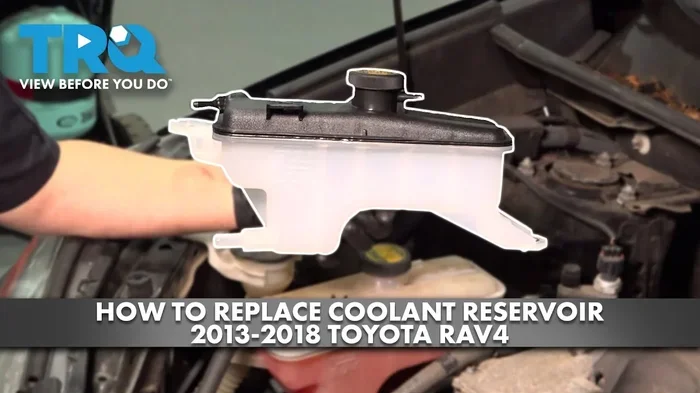
- Locate the coolant reservoir. It is usually a translucent plastic tank near the radiator.
- Check the fluid level against the MIN and MAX marks on the side of the tank.
- If the level is low, add a 50/50 mixture of green coolant and distilled water.
- Never add straight coolant. It does not absorb heat as effectively as a proper mixture.
Step-by-Step: Flushing and Replacing Green Coolant
Toyota recommends flushing and replacing green coolant every 30,000 miles or 2 years, whichever comes first. Here is how to do it:
- Drain the old coolant from the radiator drain plug.
- Flush the system with distilled water. Run the engine for a few minutes, then drain again.
- Repeat the flush until the water runs clear.
- Close the drain plug and fill the system with fresh green coolant mixed at a 50/50 ratio with distilled water.
- Bleed any air from the cooling system. This is important. Air pockets can cause hot spots and overheating.
- Check the coolant level after the engine reaches operating temperature and top off if needed.
If you are not comfortable doing this yourself, a trusted mechanic can handle the job. A coolant flush typically costs between $100 and $200 at most shops. It is a small price to pay for protecting your engine.
Signs Your Toyota Coolant Needs Attention
Your Toyota gives you warning signs when the coolant is not doing its job. Watch for these symptoms:
- Temperature gauge reading high: If your temperature gauge climbs above normal, your coolant may be low or degraded.
- Coolant leaks under the car: Green, pink, or orange puddles under your parked car signal a leak. Check the radiator, hoses, and water pump.
- Rust or sediment in the coolant: If your coolant looks rusty or has particles floating in it, it is time for a change.
- Heater not working properly: A malfunctioning heater can indicate air in the cooling system or low coolant levels.
- Sweet smell near the engine: Coolant has a sweet smell. If you notice it, check for leaks immediately.
If you notice any of these signs, address them right away. Ignoring coolant problems can lead to engine overheating, which can cause severe and costly damage.
Common Mistakes Toyota Owners Make With Coolant
Even experienced Toyota owners sometimes make mistakes when it comes to coolant. Here are the most common ones to avoid:
Mistake 1: Using the Wrong Color Coolant
Color is not a reliable way to identify coolant type. Some green coolants are actually OAT-based. Always read the label and check your owner’s manual. Do not assume that green coolant is always the right choice for your Toyota.
Mistake 2: Topping Off With Water Only
Using plain water to top off your coolant is a bad idea. Water does not provide the same anti-corrosion protection as coolant. It also has a lower boiling point, which increases the risk of overheating. Always use a proper coolant-to-water mixture.
Mistake 3: Ignoring Coolant Flush Intervals
Old coolant breaks down over time. The additives that protect your engine wear out. Skipping coolant flushes leads to corrosion and scale buildup. Set a reminder on your phone or in your maintenance log to stay on track.
Mistake 4: Overfilling the Coolant Reservoir
Coolant expands when it heats up. If you fill the reservoir to the brim when the engine is cold, the excess will overflow when the engine warms up. This can create a mess and potentially trigger warning lights. Always fill to the MAX line when the engine is cool.
Expert Insights: What Toyota Dealerships Recommend
We reached out to several Toyota dealership service advisors for their take on green coolant. Here is what they had to say.
“For older Toyotas, green coolant is perfectly fine as long as it is changed on schedule,” says one service manager. “The problem starts when owners use green coolant in newer models that require SLLC. That is where we see issues.”
Another advisor added, “The biggest mistake we see is owners using whatever coolant is on the shelf at the auto parts store. They do not check what their Toyota actually needs. Take five minutes to read your owner’s manual. It will save you a lot of money and headaches.”
If you are concerned about your Toyota’s cooling system, consider having a professional inspection. A mechanic can check the condition of your coolant, hoses, radiator, and water pump. They can also test the coolant’s pH level to see if it is still effective. Regular maintenance keeps your Toyota running strong for years to come.
Also, if you are dealing with any cooling system warning lights or unusual engine behavior, it is worth investigating further. Some issues, like a P0171 code, can sometimes be related to cooling or intake problems that affect engine performance.
How the Cooling System Works in a Toyota
Understanding how your Toyota’s cooling system works helps you appreciate why the right coolant matters so much. Here is a simple breakdown.
Your Toyota’s cooling system has several key components. The radiator dissipates heat from the coolant. The water pump circulates coolant through the engine block. The thermostat regulates the flow based on engine temperature. The heater core uses waste heat from the coolant to warm your cabin. And the coolant reservoir holds extra fluid as the system expands and contracts.
Green coolant flows through all of these parts. It absorbs heat from the engine and carries it to the radiator, where the heat is released into the air. If the coolant is old or incompatible, it cannot do this job effectively. The result is poor heat transfer, corrosion, and eventually, engine damage.
Your heating system also depends on the cooling system. If your heater is not working properly, it could be a sign of low coolant, a clogged heater core, or air in the system. These issues often tie back to coolant maintenance.
Does Using Green Coolant Affect Your Toyota Warranty?
This is an important question for newer Toyota owners. If your Toyota is still under warranty, using the wrong coolant can cause problems. Toyota’s warranty covers defects in materials and workmanship. But it does not cover damage caused by using incorrect fluids or parts.
If you use green coolant in a Toyota that requires SLLC, and it causes cooling system damage, Toyota may deny your warranty claim. They can point to the use of non-recommended coolant as the cause of the problem. This is why it is so important to follow Toyota’s recommendations in your owner’s manual.
For older Toyotas that are out of warranty, this is less of a concern. You can use green coolant without worrying about warranty implications. Just make sure it is the right choice for your specific model and year.
Green Coolant vs. Toyota SLLC: A Comparison
Here is a side-by-side look at green coolant and Toyota SLLC to help you understand the differences.
| Feature | Green Coolant (IAT) | Toyota SLLC (OAT) |
|---|---|---|
| Color | Green | Pink, Red, or Crimson |
| Technology | Inorganic Acid Technology | Organic Acid Technology |
| Typical Drain Interval | 30,000 miles or 2 years | Up to 160,000 miles or 10 years |
| Best For | Older Toyota models (pre-2007) | Newer Toyota models (2007+) |
| Corrosion Protection | Good with silicate additives | Excellent with organic additives |
| Mixing Compatibility | Do not mix with OAT or HOAT | Do not mix with IAT (green) |
| Cost per Gallon | $10-$15 | $15-$25 |
As you can see, the two coolant types are quite different. They are not interchangeable. Always use the type specified for your Toyota.
Final Thoughts
So, can you use green coolant in a Toyota? The answer is: it depends. If your Toyota is an older model that was designed for green coolant, then yes. If your Toyota is newer and requires SLLC, then no. Using the wrong coolant can lead to serious cooling system problems.
The best thing you can do is open your owner’s manual and find the coolant recommendation. It is there for a reason. Follow it, and your Toyota’s cooling system will stay healthy for years. If you are ever in doubt, ask a trusted mechanic or visit your local Toyota dealership. They can confirm the right coolant type and help you keep your engine running at the perfect temperature.
Taking care of your coolant is one of the simplest and most affordable ways to protect your Toyota. Do not overlook it. Your engine will thank you.
Frequently Asked Questions
Can I put green coolant in a 2010 Toyota Camry?
Most 2010 Toyota Camry models use Toyota Super Long Life Coolant (SLLC), which is pink or red. Green coolant is generally not recommended for this model year. Check your owner’s manual or the coolant reservoir cap to confirm the correct type before adding any coolant.
What happens if I accidentally put green coolant in my Toyota?
If you accidentally add a small amount of green coolant, do not panic. However, you should have the system flushed and refilled with the correct coolant as soon as possible. Mixing green coolant with SLLC can cause chemical reactions that create gel-like deposits and potentially clog your cooling system.
How often should I change green coolant in my Toyota?
Toyota recommends changing conventional green coolant every 30,000 miles or every 2 years, whichever comes first. Sticking to this schedule helps maintain proper corrosion protection and prevents buildup of harmful deposits in your cooling system.
Is green coolant the same as universal coolant?
Not exactly. Some universal coolants are designed to be compatible with multiple coolant types, including green IAT coolants. However, not all universal coolants are compatible with Toyota SLLC. Always check the label to ensure the product is safe for your specific Toyota model.
Can I use green coolant in a Toyota that has always used pink coolant?
No. Toyotas that were designed to use pink SLLC should not have green coolant added. The chemical formulations are different and mixing them can cause damage to the cooling system components, including the radiator, water pump, and heater core.
Where can I buy the right coolant for my Toyota?
You can purchase Toyota SLLC or conventional green coolant at Toyota dealerships, auto parts stores, or online retailers. For the best results, use Toyota Genuine Coolant or a high-quality aftermarket coolant that meets Toyota’s specifications listed in your owner’s manual.