Why Wont My Car Start but Has Power And What To Do
Your car has power but won’t start when the electrical system is alive but the engine can’t turn over. This frustrating problem usually stems from a weak battery, a failing starter motor, a bad ignition switch, or fuel system issues. Understanding the root cause saves you time, money, and a lot of stress on a bad day.
Key Takeaways
- Battery problems are the #1 cause: A weak or corroded battery often explains why your car has power but won’t start.
- Listen to the sounds: A clicking noise without cranking usually points to the starter motor or solenoid.
- Try simple fixes first: Cleaning terminals, shifting gears, or jump-starting can solve the issue fast.
- Don’t ignore the fuel pump: A failed fuel pump means no gas reaches the engine, even with full power.
- Know when to call a pro: Ignition switch failures and immobilizer issues need expert diagnosis.
- Prevention beats repair: Regular maintenance keeps your starting system reliable for years.
📑 Table of Contents
- What Does “Has Power but Won’t Start” Mean?
- Common Reasons Your Car Won’t Start but Has Power
- How to Diagnose Why Your Car Won’t Start but Has Power
- Comparison Table: Common Causes and Their Symptoms
- Step-by-Step Fixes You Can Do at Home
- When to Call a Professional Mechanic
- Preventive Tips to Keep Your Car Starting Reliably
- Final Thoughts
What Does “Has Power but Won’t Start” Mean?
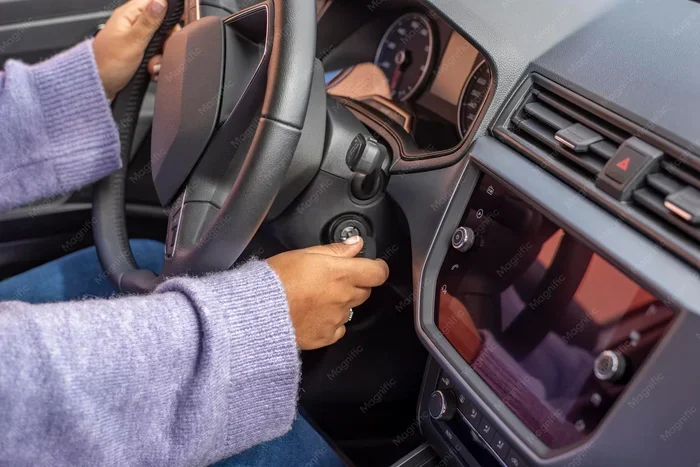
You turn the key or push the start button. The dashboard lights up. The radio works. But the engine won’t turn over. This is the classic “has power but won’t start” problem. It’s one of the most common reasons drivers call a tow truck or stand in a cold driveway feeling helpless.
When we say your car “has power,” we mean the electrical system is working. The battery is sending energy to the lights, the stereo, and the dashboard. But something is stopping the engine from actually running. That “something” could be small and cheap to fix. Or it could be a bigger issue that needs a mechanic.
The good news? Most causes of this problem are easy to identify. You don’t need to be a car expert. You just need to know what to look for and what sounds to listen to. This guide walks you through every common reason your car won’t start but has power and gives you real solutions you can use today.
Whether it’s a freezing winter morning or a hot summer afternoon, a car that won’t start ruins your day. Let’s fix it together.
Common Reasons Your Car Won’t Start but Has Power
There are several reasons why your car has power but won’t start. Each one comes with its own set of symptoms. Knowing these symptoms helps you narrow down the cause fast. Here are the most common culprits.
Dead or Weak Battery
A weak battery is the number one reason cars won’t start. Your battery might have enough juice to power the lights and the radio. But it doesn’t have the punch to crank the engine. This happens a lot in cold weather. Heat can also damage batteries over time.
Look at your battery terminals. If you see white or greenish crusty buildup, that’s corrosion. Corrosion blocks the electrical connection. Even if the battery is fine, your car might not start because the power can’t flow properly.
A battery typically lasts three to five years. If yours is older, it might be time for a replacement. A simple voltage test at any auto parts store can tell you exactly where your battery stands.
Faulty Starter Motor or Solenoid
The starter motor is what actually turns the engine over. When you turn the key, the solenoid sends a signal to the starter. The starter then spins the engine. If either part fails, you get power but no crank.
A bad starter often makes a single loud click when you turn the key. Sometimes it makes a grinding noise. These sounds are telltale signs. The starter motor can wear out over time. It can also fail if water gets inside or if the wiring is damaged.
Replacing a starter motor is not a DIY job for most people. It requires getting under the car. But the part itself isn’t always expensive. Labor costs vary by vehicle and location.
Ignition Switch Problems
The ignition switch controls the flow of electricity from the battery to the starter and engine. When this switch goes bad, your dashboard might light up just fine. But turning the key won’t send the signal needed to start the engine.
Ignition switch problems are more common in older vehicles. The wear and tear from thousands of key turns adds up. You might also notice your car stalling randomly or your accessories working intermittently. These are all signs of a failing ignition switch.
A mechanic can test the ignition switch with a multimeter. Replacement is usually straightforward and affordable. Don’t ignore this one because a bad ignition switch can leave you stranded unexpectedly.
Fuel Pump or Fuel System Issues
Your engine needs fuel to run. If the fuel pump fails, gas can’t get from the tank to the engine. You’ll have full electrical power. The dashboard will light up. But turn the key and nothing happens because there’s no fuel reaching the cylinders.
A failing fuel pump often makes a faint humming sound when you turn the key to the “on” position. If you don’t hear that hum, the pump might be dead. Other causes include a clogged fuel filter, empty tank (yes, this happens!), or bad fuel injectors.
Fuel pump replacement can be pricey because the pump sits inside the fuel tank. But it’s a necessary repair for safety and performance. Always keep your tank at least a quarter full to help protect the fuel pump.
Neutral Safety Switch or Clutch Interlock
Modern cars have a safety feature that prevents starting unless the transmission is in park or neutral. This is the neutral safety switch. If this switch malfunctions, your car has power but won’t start. It doesn’t matter what you do with the key.
Manual transmission cars have a similar system called the clutch interlock. You must press the clutch pedal fully to start the engine. If the clutch switch goes bad, the car won’t start even with the clutch pressed all the way down.
These switches are simple and cheap to replace. Sometimes the fix is as easy as slightly adjusting the shifter position or tapping the clutch pedal a few times. It’s a quirky fix, but it works more often than you’d think.
Security System or Immobilizer Malfunction
Many modern vehicles have an immobilizer system that prevents theft. This system reads a chip in your key fob or key. If the system doesn’t recognize the chip, it won’t allow the engine to start. You’ll still have power to the dashboard and lights.
A dead key fob battery is the most common cause of this issue. Replace the battery in your key fob and try again. If that doesn’t work, the immobilizer module itself might need reprogramming or replacement.
This problem is more common in vehicles that are five years old or newer. If your dashboard shows a security warning light, the immobilizer is likely the culprit. A dealer or qualified locksmith can usually resolve this quickly.
How to Diagnose Why Your Car Won’t Start but Has Power
Diagnosing a no-start condition doesn’t require expensive tools. You can do a lot of basic detective work yourself. Here’s how to figure out what’s going on.
Listen for the Sounds
Sound is one of your best diagnostic tools. When you turn the key, what do you hear?
- Nothing at all: This often points to a dead battery, bad ignition switch, or faulty neutral safety switch.
- A single loud click: This usually means the starter motor or solenoid is failing.
- Rapid clicking: This typically signals a weak battery that has enough power to engage the starter but not enough to crank the engine.
- The engine cranks but won’t fire: This suggests a fuel delivery problem, spark plug issue, or sensor failure.
Pay close attention to these sounds. They tell you a lot about what’s happening inside the electrical and mechanical systems.
Check the Dashboard Lights
When you turn the key to the “on” position (before cranking), look at your dashboard. Do all the warning lights come on? If yes, your battery has some charge. If the lights are dim or missing, your battery is likely the problem.
Also watch for any flashing security lights. A flashing key icon or a car with a lock symbol means the immobilizer is active and not recognizing your key. This narrows your diagnosis quickly.
Test the Battery Voltage
A fully charged battery should read about 12.6 volts with the engine off. If it reads below 12.0 volts, the battery is weak. Between 12.0 and 12.4 volts means it’s partially discharged and might still start the car in warm weather but fail in the cold.
You can buy a basic multimeter for under $20 at any hardware store. Testing your battery takes just two minutes. This simple step rules out the most common cause of “car has power but won’t start” issues.
Comparison Table: Common Causes and Their Symptoms
| Cause | Key Symptom | Sound When Turning Key | DIY Fix Possible? |
|---|---|---|---|
| Weak Battery | Dim lights, slow crank | Rapid clicking | Yes, jump-start or clean terminals |
| Bad Starter Motor | No crank, single click | Single loud click | No, needs professional replacement |
| Faulty Ignition Switch | Accessories work, no crank | No sound at all | No, needs mechanic diagnosis |
| Failed Fuel Pump | Engine cranks but won’t fire | Engine turns over normally | No, needs pump replacement |
| Neutral Safety Switch | Works in some gears only | No crank in park | Sometimes, try shifting to neutral |
| Immobilizer Issue | Security light flashing | No crank at all | Try new key fob battery first |
Step-by-Step Fixes You Can Do at Home
Not every “car has power but won’t start” problem needs a mechanic. Some fixes are simple and you can do them in your driveway with basic tools. Here are the most effective DIY solutions.
Jump-Start the Battery
If your battery is weak, a jump-start is the fastest way to get going. You’ll need jumper cables and another vehicle or a portable jump starter. Connect the red clamp to the positive terminal on your dead battery first. Then connect the other red clamp to the positive terminal on the working battery. Next, connect the black clamp to the negative terminal on the working battery. Finally, attach the last black clamp to an unpainted metal surface on your car’s engine block.
Start the working vehicle first. Let it run for a few minutes. Then try starting your car. Once it starts, drive for at least 15 to 20 minutes to recharge the battery. Remove the jumper cables in reverse order.
Always keep a portable jump starter in your trunk. They cost around $50 to $100 and can save you from a long walk home.
Clean Corroded Battery Terminals
Battery corrosion is a sneaky cause of no-start conditions. That white, powdery buildup on the terminals blocks electricity from flowing. You can clean it with a simple mixture of baking soda and water.
Mix a tablespoon of baking soda with a cup of warm water. Dip an old toothbrush into the solution and scrub the terminals gently. The mixture will fizz and break down the corrosion. Wipe the terminals clean with a dry cloth. Then apply a thin layer of petroleum jelly or terminal grease to prevent future corrosion.
This takes about five minutes and costs almost nothing. It’s one of the easiest and most overlooked fixes for a car that won’t start.
Tap the Starter Motor
This sounds strange, but it works more often than you’d expect. When the starter motor’s internal brushes stick, a firm tap with a wrench or hammer can free them up. Have someone turn the key to the “start” position while you gently tap the starter motor with a tool.
Be careful not to hit too hard. You just want to loosen stuck components, not damage anything. This is a temporary fix, though. If your starter motor is failing, it will need full replacement soon.
Shift the Gear Selector
If your car won’t start in park, try shifting to neutral and trying again. The neutral safety switch can sometimes get stuck or misaligned. Shifting between park and neutral a few times and then trying to start can reset the switch.
For manual transmission cars, press the clutch pedal all the way to the floor and try starting. If the clutch interlock switch is the problem, this bypasses it and lets the engine crank. These are quick, zero-cost fixes that solve the problem surprisingly often.
Check and Replace the Key Fob Battery
If your car uses a push-button start, the key fob battery might be dead. Without a working fob, the immobilizer won’t recognize your key. Replace the battery inside the fob. Most key fobs use a small CR2032 coin battery. You can open the fob with a small flathead screwdriver and swap the battery in seconds.
Many dealerships will also reprogram a key fob for free or a small fee. If replacing the battery doesn’t work, visit your dealer for further diagnosis.
When to Call a Professional Mechanic
DIY fixes are great for simple problems. But some issues need professional tools and expertise. You should call a mechanic if you’ve tried the basic steps and your car still won’t start but has power.
Also call a professional if you notice any of these warning signs. Your engine cranks but never fires up, suggesting a deeper fuel or ignition problem. You smell gasoline near the car, which could indicate a fuel leak. The check engine light is flashing, which often signals a serious sensor or emissions issue. You hear grinding or metal-on-metal sounds when trying to start, which could mean the starter is damaging the flywheel.
A qualified mechanic has diagnostic scanners that read error codes from your car’s computer. These codes pinpoint the exact problem faster than any DIY method. They can also test the fuel pressure, check spark plug condition, and inspect the entire electrical system. Investing in a professional diagnosis saves money in the long run by preventing unnecessary part replacements.
Don’t wait too long either. A car that won’t start can leave you stranded in an unsafe location. If basic fixes don’t work within 30 minutes, call for roadside assistance or a tow truck.
Preventive Tips to Keep Your Car Starting Reliably
The best way to deal with a no-start problem is to prevent one from happening in the first place. Regular maintenance keeps your starting system strong and reliable. Here are simple habits that make a big difference.
- Replace your battery every three to five years: Even if it seems fine, an old battery can fail without warning. Mark your calendar for replacement based on the purchase date.
- Keep your terminals clean: Inspect the battery terminals every six months. Clean any corrosion early before it causes a no-start situation.
- Don’t leave electronics on when the engine is off: Headlights, interior lights, and the radio drain the battery when the engine isn’t running to recharge it.
- Keep your fuel tank at least a quarter full: This protects the fuel pump from overheating and prevents sediment from clogging the system.
- Replace key fob batteries annually: Don’t wait until the fob stops working. Swap the battery once a year to avoid being locked out or unable to start.
- Run your car regularly: If you have a secondary vehicle or one you don’t drive often, start it at least once a week and let it run for 10 to 15 minutes.
- Follow the manufacturer’s maintenance schedule: Regular oil changes, spark plug replacements, and fuel filter changes keep all systems running smoothly.
These small habits add up to a reliable car that starts every single time. Prevention is always cheaper and easier than repair.
Final Thoughts
Dealing with a car that has power but won’t start is frustrating. But it’s almost always a solvable problem. The most common causes are a weak battery, a failing starter motor, ignition switch issues, fuel pump failure, or a malfunctioning safety switch. Each one has clear symptoms you can identify with a little patience.
Start with the simplest fixes. Check the battery. Clean the terminals. Try shifting gears. Replace the key fob battery. Many “no-start” problems go away with these basic steps. If the problem persists, don’t hesitate to call a professional mechanic for a proper diagnosis.
Remember that regular maintenance is your best defense against starting problems. A little attention today saves you from a major headache tomorrow. Your car is a big investment, and keeping it running well starts with understanding how it works.
Now you know exactly what to do when your car won’t start but has power. Use this knowledge to stay calm, diagnose the issue, and get back on the road safely.
Frequently Asked Questions
Why does my car have power but won’t start when it’s cold?
Cold weather weakens battery performance significantly. A battery that works fine in summer might not have enough cranking power in freezing temperatures. The chemical reactions inside the battery slow down in the cold, reducing the available voltage. Keeping your battery fully charged and replacing it every three to five years helps prevent cold-weather starting problems.
Can a bad ground wire cause my car to have power but not start?
Yes, a corroded or loose ground wire can absolutely cause this issue. The ground wire completes the electrical circuit. Without a proper ground connection, electricity can’t flow correctly to the starter motor and engine control systems. Inspect your ground wires for corrosion or loose connections. Cleaning or tightening them often resolves no-start problems caused by grounding issues.
How do I know if it’s the starter or the battery?
The easiest way to tell the difference is by listening. A weak battery causes rapid clicking sounds when you turn the key. A bad starter makes a single loud click or no sound at all. If the dashboard lights are bright but the engine won’t crank, the starter is more likely the culprit. If the lights are dim and you hear rapid clicking, the battery is probably the problem.
What should I do if my car starts sometimes but not others?
Intermittent starting problems are often caused by a failing ignition switch, a weak battery, or a loose electrical connection. These issues worsen over time and usually get worse before they get better. Have a mechanic test your battery, ignition switch, and starter motor as soon as possible. Catching the problem early prevents you from being stranded completely.
Is it safe to keep trying to start my car if it won’t turn over?
No, repeatedly trying to start your car can overheat the starter motor and drain the battery even further. Wait at least 10 to 15 seconds between each attempt. Give the starter motor time to cool down. If your car doesn’t start after three or four tries, stop and investigate the cause or call for professional help instead of continuing to turn the key.
How much does it cost to fix a car that won’t start but has power?
The cost depends entirely on the cause. A jump-start or battery cleaning costs nothing. A new battery ranges from $100 to $250. Replacing a starter motor typically costs $300 to $500 including parts and labor. Ignition switch replacement runs $150 to $300. Fuel pump replacement is the most expensive, usually between $400 and $800. Always get a diagnostic before committing to a repair so you know exactly what you’re paying for.