Does Car Insurance Cover Lost Keys Replacement Costs
Does car insurance cover lost keys? The answer depends on your policy type. Most comprehensive car insurance plans include lost key replacement coverage, but basic liability policies typically do not. Understanding your auto insurance coverage can save you hundreds of dollars in key replacement costs.
Losing your car keys is one of those frustrating experiences that nobody plans for. You search your pockets. You check your bag. You retrace your steps. And then it hits you — your keys are gone. The panic sets in quickly, especially when you think about the cost of getting a new set.
So, does car insurance cover lost keys replacement costs? The short answer is: it depends on your policy. Many drivers assume their auto insurance will handle this, but the reality is more nuanced. Some policies cover it fully, while others offer no help at all. In this guide, we break down everything you need to know about car insurance and lost keys. You will learn what types of coverage apply, how much it costs, and what steps to take right after you lose your keys.
Whether you drive a sedan or an SUV, whether your key is a simple metal blade or a high-tech transponder key, this article has you covered. Let us dive in and help you understand your options.
Key Takeaways
- Comprehensive coverage: Most full-coverage policies include lost key replacement under comprehensive insurance.
- Liability-only plans: Basic liability car insurance usually does not pay for lost key replacement.
- Deductibles matter: You may need to pay your deductible before the insurance company covers the cost.
- Key fob and transponder keys: Modern car keys with electronic components cost more to replace than traditional keys.
- Documentation is key: Keep receipts and proof of loss to speed up your insurance claim process.
📑 Table of Contents
- Understanding Car Insurance Coverage for Lost Keys
- How Much Does It Cost to Replace Lost Car Keys?
- Does Car Insurance Cover Lost Keys? Policy Details Explained
- Steps to Take After Losing Your Car Keys
- Preventing Lost Keys in the Future
- Common Mistakes People Make When Their Keys Go Missing
- Expert Insights on Lost Key Claims
- Key Takeaways
- Conclusion
Understanding Car Insurance Coverage for Lost Keys
Not all car insurance policies are the same. The type of coverage you have determines whether your insurer will pay for a lost key. Most people carry a mix of coverage types, and each one serves a different purpose.
What Does Comprehensive Car Insurance Cover?
Comprehensive car insurance is the type of coverage most likely to pay for lost keys. This coverage protects your vehicle against non-collision incidents. These include theft, vandalism, fire, flooding, and falling objects. Many comprehensive policies also extend to lost key replacement.
Here is what comprehensive coverage typically includes:
- Lost key replacement: The insurer pays for a new set of keys.
- Key fob replacement: If your remote key fob is lost, coverage may apply.
- Locksmith services: Some policies cover emergency locksmith calls.
- Key programming: Modern cars need electronic key programming, which comprehensive plans may cover.
However, not every comprehensive policy includes lost key coverage automatically. You need to read your policy documents carefully or call your agent to confirm. Some insurers treat lost keys as a covered peril, while others exclude them entirely.
What Does Liability-Only Insurance Cover?
If you carry only liability insurance, you are likely out of luck when it comes to lost keys. Liability coverage pays for damage you cause to other people or their property. It does not cover damage to your own vehicle. And it certainly does not cover lost keys.
Here is a simple breakdown:
- Bodily injury liability: Covers injuries you cause to others.
- Property damage liability: Covers damage you cause to others’ property.
- Lost keys: Not covered under liability-only plans.
If you have a basic policy, you will need to pay for key replacement out of pocket. This is why many experts recommend upgrading to comprehensive coverage, especially if you rely heavily on your vehicle.
How Much Does It Cost to Replace Lost Car Keys?
The cost of replacing lost car keys varies widely. The price depends on your vehicle make and model, the type of key, and where you get the replacement. Let us look at the common scenarios.
Traditional Metal Keys
Older vehicles often use simple metal keys without electronic components. Replacing a traditional key is relatively affordable. You can expect to pay between $10 and $75 at a locksmith or dealership. These keys do not require special programming, which keeps the cost low.
Transponder Keys
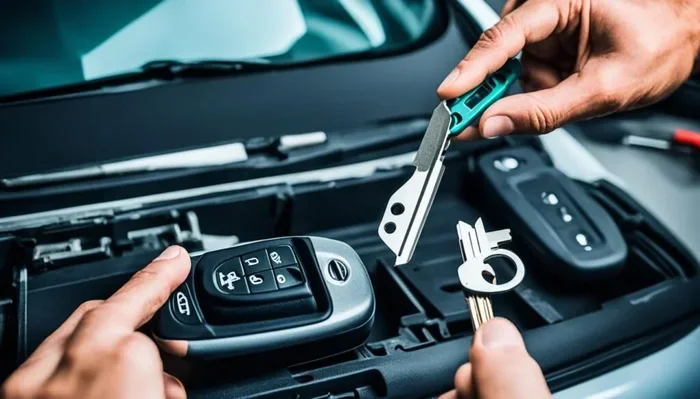
Most modern vehicles use transponder keys with embedded chips. These chips communicate with your car’s ignition system. If the chip does not match, the car will not start. Replacing a transponder key costs more because of the electronic component.
Typical costs for transponder key replacement:
- Aftermarket key: $50 to $150
- OEM key from dealership: $100 to $400
- Key programming fee: $50 to $100 extra
Smart Keys and Keyless Entry Fobs
Luxury vehicles and newer models often use smart keys or proximity-based key fobs. These are the most expensive to replace. A lost smart key can cost anywhere from $200 to $600 or more. Some high-end brands charge even higher fees because of the complex electronics involved.
The takeaway? The more advanced your key technology, the higher the replacement cost. This is exactly why having the right auto insurance coverage matters so much.
Does Car Insurance Cover Lost Keys? Policy Details Explained
Let us get into the specifics. When you file a claim for lost keys, your insurance company will evaluate several factors before approving or denying your request.
When Insurance Will Cover Lost Keys
Your insurance is most likely to cover lost keys when:
- You have comprehensive coverage on your policy.
- The policy explicitly includes lost key replacement benefits.
- The loss was not due to negligence (such as leaving keys in an unlocked car).
- You file the claim promptly after discovering the loss.
Some insurance companies offer roadside assistance add-ons that cover lockout services and key replacement. If you have this add-on, you may get help at no extra cost.
When Insurance Will Not Cover Lost Keys
There are situations where your claim will likely be denied:
- You only carry liability insurance without comprehensive coverage.
- The policy excludes lost keys as a covered event.
- The keys were lost due to reckless behavior (for example, leaving them in a public place).
- You have already exceeded your policy’s claim limit.
Always read the fine print of your policy. If you are unsure about your coverage, call your insurance provider directly. A quick phone call can save you from unexpected expenses.
Your Deductible and Out-of-Pocket Costs
Even if your policy covers lost key replacement, you will likely need to pay a deductible first. A deductible is the amount you pay before your insurance kicks in. Typical deductibles range from $100 to $1,000, depending on your policy.
For example, if your key replacement costs $300 and your deductible is $250, you pay $250 and your insurer pays $50. In some cases, the replacement cost may be lower than your deductible, making a claim not worth it. Weigh the cost carefully before filing.
Steps to Take After Losing Your Car Keys
Losing your keys is stressful, but acting quickly can make the process smoother. Here is what you should do right away.
Step 1: Retrace Your Steps and Search Thoroughly
Before assuming the keys are truly lost, search everywhere. Check your coat pockets, your purse, your car seats, and your home. Sometimes keys end up in unusual places. A thorough search can save you the cost of replacement entirely.
Step 2: Contact a Locksmith
If you confirm the keys are lost, call a trusted locksmith. A professional locksmith can create a new key on the spot in many cases. Look for licensed and insured locksmiths in your area. Ask for an estimate before committing to any service.
Step 3: Contact Your Insurance Company
Once you have a replacement cost estimate, contact your insurance provider. Report the lost keys and ask about your coverage options. Be ready to provide documentation, including the locksmith quote and proof of ownership.
Step 4: File a Claim if Necessary
If your policy covers lost keys, file a claim. Your insurer will guide you through the process. Submit all required documents promptly to avoid delays. Keep copies of everything you send.
Step 5: Consider a Spare Key
Going forward, consider getting a spare key made. Many dealerships and locksmiths can cut a duplicate for a fraction of the replacement cost. Having a spare key can save you from the same stress in the future.
It is also worth noting that a worn-out key can cause starting problems over time. If you have experienced issues with keys not turning or cars not starting, you may want to read our article on can a worn out key prevent a car from starting to understand common key-related issues better.
Preventing Lost Keys in the Future
Prevention is always better than cure. While you cannot eliminate every risk, you can take simple steps to reduce the chances of losing your keys again.
Use a Key Tracker
Key trackers are small Bluetooth devices you attach to your keychain. They connect to your smartphone and help you locate your keys if they go missing. Popular brands include Tile and Apple AirTag. These devices are affordable and can save you from the hassle of lost keys.
Designate a Key Spot
Always place your keys in the same spot when you enter your home. A hook by the door or a bowl on the entryway works great. This simple habit can prevent a lot of unnecessary searching.
Avoid Leaving Keys in the Car
Leaving keys in your car is a common cause of lost keys — and theft. Never leave your keys in the ignition or on the seat when you exit the vehicle. This is also a safety issue, as thieves target unattended vehicles.
Some people wonder about the legal side of car key issues. For instance, if someone intentionally damages your car keys, you might face legal consequences. To learn more about the legal implications of car key damage, check out our article on can you go to jail for keying a car.
Keep a Spare Key Somewhere Safe
Having a spare key stored in a secure location — such as a locked drawer at home or with a trusted family member — can be a lifesaver. It costs very little to have a spare made and can save you hundreds in emergency locksmith fees.
Common Mistakes People Make When Their Keys Go Missing
When panic sets in, people often make mistakes that cost them time and money. Here are the most common errors to avoid.
- Panic buying a new key immediately: Always get a quote first. Prices vary widely.
- Skipping the insurance claim: You might be covered and not even know it.
- Using an unlicensed locksmith: This can lead to poor key quality and security risks.
- Not checking for a spare: You might have a spare hiding somewhere you forgot.
- Ignoring the claim deadline: Most policies require you to file within a certain timeframe.
One mistake people often make is assuming their car will not start after a key issue. While losing your keys is different from a mechanical problem, it is good to understand the difference. If your car cranks but won’t start, that is a separate issue entirely. You can learn more about that in our article on car cranks but won’t start causes and solutions.
Similarly, if you have a keyless car and wonder whether a traditional key can still start it, we have covered that topic too. Check out our guide on can you start a keyless car with a key for helpful insights.
Expert Insights on Lost Key Claims
Insurance experts recommend being proactive about understanding your coverage. According to industry professionals, many drivers do not realize their comprehensive policy includes lost key benefits until they need them.
Tip from the experts: Review your policy once a year. Ask your agent specifically about lost key coverage. If your current policy does not include it, consider adding an endorsement or upgrading to a plan that does. The small extra cost can save you a significant amount of money in an emergency.
Another expert tip is to keep all your key-related receipts. If you ever need to file a claim, having documented proof of the locksmith visit and the replacement cost makes the process much smoother. Insurers prefer claimants who provide clear and organized documentation.
Some people also ask about the connection between lost keys and car starting problems. A lost key is different from a key that fails to turn the ignition. If you have experienced a situation where your car won’t start and there is no noise, that could indicate a different problem altogether. Understanding the root cause helps you choose the right solution.
Key Takeaways
- Comprehensive coverage: Most full-coverage policies include lost key replacement under comprehensive insurance.
- Liability-only plans: Basic liability car insurance usually does not pay for lost key replacement.
- Deductibles matter: You may need to pay your deductible before the insurance company covers the cost.
- Key fob and transponder keys: Modern car keys with electronic components cost more to replace than traditional keys.
- Documentation is key: Keep receipts and proof of loss to speed up your insurance claim process.
- Prevention helps: Key trackers, spare keys, and good habits reduce the risk of losing your keys again.
Conclusion
So, does car insurance cover lost keys replacement costs? The answer is yes — but only if you have the right type of coverage. Comprehensive car insurance is your best friend when it comes to lost key replacement. It typically covers the cost of a new key, key fob, and even locksmith services, minus your deductible.
If you carry only liability insurance, you will need to pay for the replacement yourself. This is a good reminder to review your policy regularly and make sure your coverage matches your needs.
The cost of replacing a lost key can range from under $50 for a basic metal key to over $600 for a smart key fob. Having the right auto insurance coverage can make a huge difference in how much you pay out of pocket.
Take action today. Check your policy, understand your coverage, and consider preventive measures like spare keys and key trackers. Losing your keys does not have to be a financial disaster if you are prepared.
Remember, a little planning goes a long way. Keep your keys safe, your coverage up to date, and your spare keys accessible. You will be glad you did when the unexpected happens.
Frequently Asked Questions
Does full coverage car insurance cover lost keys?
Yes, most full coverage policies that include comprehensive coverage will pay for lost key replacement. However, you should check your specific policy details, as some insurers may exclude lost keys or limit the reimbursement amount. Contact your insurance provider to confirm your exact coverage.
What is the average cost of replacing a lost car key?
The cost ranges from $10 for a basic metal key to over $600 for a smart key fob. Transponder keys typically cost between $50 and $400, depending on your vehicle make and model. The dealership or locksmith you choose also affects the final price.
Will my insurance deductible apply to a lost key claim?
Yes, if your comprehensive policy covers lost keys, you will need to pay your deductible first. The deductible amount varies by policy, typically ranging from $100 to $1,000. If the replacement cost is lower than your deductible, filing a claim may not be worth it.
How long does it take to get a replacement key through insurance?
The timeline varies. After filing a claim, most insurers process it within a few days. The locksmith or dealership appointment can usually be scheduled within one to three business days. Some insurers offer expedited services for urgent cases.
Can I claim lost keys on my car insurance more than once?
Most policies do not limit the number of lost key claims, but frequent claims may affect your premium. It is best to check with your insurer about their specific policy on repeated claims. Keeping a spare key can help you avoid multiple claims.
What should I do immediately after losing my car keys?
First, search thoroughly to make sure the keys are truly lost. Then, contact a licensed locksmith for an estimate. Next, call your insurance company to check your coverage. Finally, file a claim if your policy covers the replacement. Acting quickly helps keep costs down and speeds up the process.