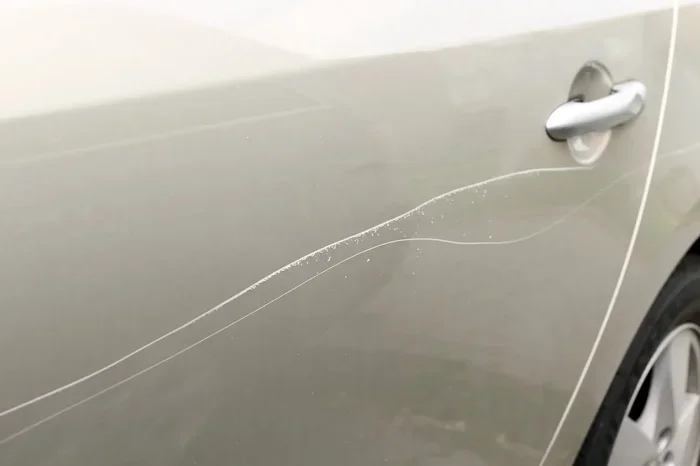
Can You Go to Jail for Keying a Car And What Happens
Yes, you can go to jail for keying a car. Keying a vehicle is a form of vandalism that carries serious legal consequences, including misdemeanor or even felony charges depending on the damage amount. The penalties can include fines, restitution, probation, community service, and in some cases, actual jail time.
Have you ever walked out to your car and found long, ugly scratches down the side? That sinking feeling in your stomach is something no one wants to experience. Whether you are the victim or the person who did the damage, the question on many minds is the same: can you go to jail for keying a car?
The short answer is yes. Keying a car is a serious offense that can lead to criminal charges, fines, and even imprisonment. But the full story is more nuanced than most people think. The consequences depend on several factors, including the extent of the damage, your criminal history, and the laws in your state. Let us walk through everything you need to know about keying a car and what happens next.
Understanding the legal and financial consequences of this act is important whether you are a victim seeking justice or someone who made a mistake and wants to know what lies ahead. This guide covers it all in plain, straightforward language.
Key Takeaways
- Keying a car is illegal: It is classified as vandalism or criminal mischief in most states.
- Jail time is possible: Depending on the damage and your history, you could face misdemeanor or felony charges.
- Financial costs add up fast: Repair bills, fines, restitution, and legal fees can easily reach thousands of dollars.
- You need to act quickly: Filing a police report and documenting damage are the first steps to take.
- Insurance can help: Comprehensive coverage often covers vandalism, but your rates may increase.
- Prevention works: Parking in safe areas and using protective measures can reduce risk.
- A criminal record follows you: A vandalism conviction can impact employment, housing, and more.
📑 Table of Contents
- What Happens When Someone Keys Your Car
- Criminal Charges for Keying a Car
- Civil Consequences and Financial Impact
- What to Do If Your Car Gets Keyed
- How to Prevent Keying Damage
- The Long-Term Effects of a Vandalism Conviction
- Common Mistakes to Avoid
- Expert Insights on Vehicle Vandalism
- Key Takeaways
- Conclusion
What Happens When Someone Keys Your Car
Understanding the Damage
When someone keys a car, they scrape a sharp object across the paint and metal surface. The damage can range from shallow scratches that only affect the clear coat to deep gouges that expose bare metal. The severity of the damage plays a huge role in determining the legal consequences.
Minor scratches might only cost a few hundred dollars to fix. But deep keying that reaches the primer or metal underneath can lead to rust, structural damage, and repair bills in the thousands. Here are the common types of damage caused by keying:
- Surface scratches: These only affect the clear coat and can often be buffed out.
- Paint scratches: These reach the base coat and require touch-up or repainting.
- Deep gouges: These expose metal and can cause rust if not repaired quickly.
- Multiple panel damage: Scratches across several panels significantly increase repair costs.
- Mirror or glass damage: Keying can also damage side mirrors or window glass.
The cost of repair directly influences whether the case is treated as a misdemeanor or a felony. Most states set a dollar threshold that determines the classification of the charge.
Why People Key Cars
People key cars for many reasons. Road rage is a common trigger. Someone might scratch a car after a traffic dispute or a parking altercation. In other cases, the act is purely random and malicious. Jealousy, revenge, and boredom also drive some people to vandalize vehicles.
Whatever the reason, it does not excuse the behavior. Understanding the motivation does not reduce the legal consequences for the person who did it. And for victims, knowing why it happened does not make the emotional and financial toll any easier to bear.
Criminal Charges for Keying a Car
Misdemeanor vs Felony Vandalism
Keying a car is typically charged as vandalism or criminal mischief. In most states, the charge depends on the total cost of the damage. Let us break this down.
When the repair cost falls below a certain threshold, usually between $400 and $1,500 depending on the state, the charge is a misdemeanor. Misdemeanor vandalism can result in:
- Fines ranging from $500 to $5,000
- Up to one year in county jail
- Probation for six months to three years
- Community service, often 100 to 500 hours
- Restitution to the victim for repair costs
However, when the damage exceeds the state threshold, the charge can escalate to a felony. Felony vandalism carries much harsher penalties:
- Fines of $5,000 to $50,000 or more
- State prison sentences of one to five years
- Longer probation periods
- Mandatory restitution payments
- A permanent felony record
For example, in California, keying a car causing over $400 in damage is a felony under Penal Code 594. In Texas, the threshold is $2,500 for a state jail felony. These numbers vary widely, so knowing your local laws matters.
Factors That Increase Penalties
Not all keying cases are treated equally. Several factors can make the penalties worse:
- Prior criminal record: A history of vandalism or other crimes can lead to harsher sentencing.
- Targeting specific vehicles: Keying multiple cars or targeting a specific person can increase charges.
- Use of dangerous tools: Using something like a key that causes significant injury risk can add charges.
- Hate crime enhancement: If the act is motivated by bias, additional charges may apply.
- Gang-related activity: Vandalism tied to gang activity can trigger enhanced penalties.
These factors show why keying a car is never worth the risk. What might feel like a moment of anger can spiral into life-changing legal trouble.
Civil Consequences and Financial Impact
The Cost of Repair
The financial impact of car keying goes far beyond the legal system. Victims face real out-of-pocket costs that can be devastating. A simple scratch repair might cost $150 to $300 per panel. But deep keying that requires full panel replacement and repainting can cost $2,000 to $5,000 or more per panel.
Here is a rough breakdown of common repair costs:
- Buffing out surface scratches: $50 to $150
- Touch-up paint for small scratches: $100 to $300
- Full panel repaint: $500 to $1,500 per panel
- Panel replacement and repaint: $1,500 to $5,000 per panel
- Full vehicle repaint: $5,000 to $15,000+
These numbers add up fast. And that is before considering the cost of rental cars while repairs are being done, the decrease in vehicle value, and the emotional stress of dealing with the damage.
Civil Lawsuits
Beyond criminal charges, victims can file civil lawsuits against the person who keyed their car. A civil case is separate from the criminal case and focuses on financial compensation. Victims can seek damages for:
- Repair costs
- Diminished vehicle value
- Rental car expenses
- Emotional distress
- Lost wages if they had to miss work for repairs or court
Even if the criminal case is resolved, the civil case can continue. And if the vandal cannot pay the judgment, it can affect their credit score and financial standing for years.
Insurance Implications
If you are the victim of car keying, your insurance may cover the repairs. Comprehensive auto insurance typically covers vandalism. However, filing a claim can lead to higher premiums at your next renewal.
If you are the one who keyed a car, your insurance will not cover the damage you caused. You will be personally responsible for all costs. And if the victim sues you, your auto insurance liability coverage may not cover intentional acts like vandalism.
This is an important distinction that many people overlook. Intentional damage is almost never covered by standard auto policies, which means the financial burden falls entirely on the person who caused it.
What to Do If Your Car Gets Keyed
Immediate Steps to Take
Discovering that your car has been keyed is upsetting. But staying calm and taking the right steps can make a big difference in getting the situation resolved. Here is what you should do immediately:
- Do not touch or clean the scratches. Leave the damage as-is for evidence.
- Take clear photos and videos from multiple angles, showing the full extent of the damage.
- Look for witnesses or surveillance cameras nearby. Ask neighbors or businesses if they have doorbell cameras or security footage.
- Call the police and file a report. This creates an official record of the incident.
- Contact your insurance company to start the claims process.
- Get written estimates from at least two repair shops.
Documenting everything thoroughly strengthens your case, whether you are pursuing criminal justice or a civil claim. The police report number is especially important for insurance purposes.
Working with Law Enforcement
When you file a police report, provide as much detail as possible. Tell officers when you last saw the car undisturbed, any suspicious activity you noticed, and whether you have any idea who might have done it. If you have surveillance footage, share it with the police right away.
Keep in mind that police may not always be able to identify the perpetrator. Car keying often happens in public places with no clear witnesses. But filing a report is still essential. It creates a paper trail and can help if the same person targets other vehicles in your area.
Working with Your Insurance
When you call your insurance company, ask about your comprehensive coverage deductible. If the repair cost is close to your deductible amount, it might not be worth filing a claim. Sometimes paying out of pocket is the smarter financial move.
Your insurer can also recommend approved repair shops and may provide a rental car while yours is being fixed. These are valuable benefits that make the claims process less stressful.
Quick Tips for Victims
Quick Tips:
- Keep a camera or your phone ready to document damage immediately.
- Note the date, time, and location of the incident as soon as you discover it.
- Save all receipts for repairs, rental cars, and any related expenses.
- Follow up with the police regularly to check on the progress of your case.
- Consider installing a dashcam or doorbell camera for future protection.
How to Prevent Keying Damage
Parking Strategies
Prevention is always better than dealing with the aftermath. One of the simplest ways to reduce your risk is to be smart about where you park. Choose well-lit areas whenever possible. Avoid parking near crowded events where tempers might run high. If you can, park in a garage or a private driveway instead of on the street.
These small changes in your parking habits can make a big difference. It is not about being paranoid, it is about being proactive.
Protective Measures
Several products and measures can help protect your car from keying damage:
- Paint protection film (PPF): This clear, durable film applied to vulnerable panels can absorb the impact of keys and prevent scratches.
- Ceramic coatings: These create a hydrophobic surface that makes it harder for scratches to penetrate the paint.
- Car covers: A high-quality cover adds a physical barrier between your paint and potential vandals.
- Dashcams and security cameras: Visible cameras deter vandals and can capture the act if it does happen.
- Parking in view of security: Choose spots near building entrances or security booths when available.
None of these measures guarantee 100% protection, but they significantly reduce your risk. And if damage does occur, having camera footage can be the key to catching the culprit.
Community Awareness
Talk to your neighbors and neighbors in your parking area about vehicle security. When people look out for each other, vandals are less likely to target the area. Report suspicious activity promptly and encourage others to do the same.
Some communities also set up neighborhood watch programs that specifically focus on vehicle protection. These efforts build a sense of shared responsibility and can deter opportunistic vandals.
The Long-Term Effects of a Vandalism Conviction
Impact on Your Record
A conviction for vandalism or criminal mischief stays on your record. In many states, you cannot simply have it expunged or sealed, especially for felony charges. This means it follows you for years, potentially decades.
Employers routinely run background checks. A vandalism conviction can cost you job opportunities, especially in fields that require trust or security clearance. Landlords may also reject your rental applications based on a criminal record.
Financial Ripple Effects
The financial consequences extend well beyond the immediate repair costs. Here is what a conviction can cost over time:
- Legal fees: Hiring a defense attorney can cost $1,000 to $10,000 or more.
- Restitution payments: You may be ordered to pay for all of the victim’s damages.
- Fines: Court-imposed fines can range from hundreds to thousands of dollars.
- Increased insurance rates: A criminal record can raise your auto and even renters insurance premiums.
- Lost employment opportunities: Difficulty finding work can cost thousands in lost income over time.
When you add all of these costs together, the financial impact of keying a car can easily reach tens of thousands of dollars. It is a steep price to pay for a moment of anger or frustration.
Emotional and Social Consequences
Beyond the financial and legal impact, a vandalism conviction can take a toll on your mental health and relationships. The stress of court dates, legal proceedings, and the fear of a permanent record can be overwhelming. Relationships with family and friends may also suffer.
For victims, the emotional impact of having their car vandalized should not be underestimated. Many people feel violated and unsafe after their vehicle is damaged. The sense of violation can linger long after the repairs are complete.
Common Mistakes to Avoid
Whether you are a victim or someone facing charges, certain mistakes can make things worse. Here are common pitfalls to avoid:
- Delaying the police report: Waiting too long to report the incident weakens your case and may make it harder to gather evidence.
- Cleaning the damage before documenting it: This can destroy important evidence that helps identify the perpetrator.
- Confronting the suspect directly: This can escalate the situation and put you at risk of physical harm.
- Admitting guilt without legal counsel: If you are facing charges, never speak to police or prosecutors without an attorney present.
- Ignoring repair estimates: For victims, getting multiple estimates ensures fair compensation and proper repairs.
- Assuming insurance covers everything: Understand your policy’s deductible, limits, and exclusions before relying on coverage.
Avoiding these mistakes protects your rights and strengthens your position, regardless of which side of the situation you are on.
Expert Insights on Vehicle Vandalism
Legal professionals emphasize that the severity of penalties for keying a car often surprises people. Many assume it is a minor offense with minimal consequences. In reality, the legal system treats vehicle vandalism seriously because it represents a violation of someone’s property rights and personal security.
Insurance agents point out that comprehensive coverage is the best protection for victims. They recommend reviewing your policy annually to ensure you have adequate coverage for vandalism and other non-collision incidents.
Auto repair professionals note that the cost of repairing keying damage has increased significantly in recent years. Modern vehicle paint systems are more complex, and matching colors and finishes requires specialized equipment and expertise. What might have been a $500 repair five years ago can now cost $2,000 or more.
Key Takeaways
- Keying a car is a criminal offense: It is treated as vandalism or criminal mischief and can result in misdemeanor or felony charges.
- Jail time is a real possibility: Depending on the damage amount and your history, you could face jail sentences ranging from days to several years.
- Financial costs are substantial: Repair bills, fines, legal fees, and restitution can easily reach thousands of dollars.
- Victims should act quickly: File a police report, document the damage, contact your insurer, and get repair estimates right away.
- Prevention is effective: Smart parking, protective films, and security cameras can significantly reduce your risk.
- Consequences last a long time: A vandalism conviction affects your employment, housing, finances, and reputation for years.
- Avoid common mistakes: Do not delay reporting, do not clean evidence, and do not confront suspects directly.
Conclusion
The answer to the question can you go to jail for keying a car is a clear and definitive yes. Keying a car is not a harmless prank or a minor act of mischief. It is a criminal offense that carries real legal penalties, significant financial costs, and lasting personal consequences.
Whether you are a victim dealing with the emotional and financial aftermath, or someone facing charges for this type of vehicle vandalism, understanding the full scope of what can happen is essential. The legal system takes property damage seriously, and the penalties reflect that seriousness.
If you have been a victim, take action immediately. File your report, document everything, and work with your insurance company to get your car restored. If you are the one who caused the damage, seek legal counsel right away and take responsibility for your actions. The sooner you address the situation, the better the outcome will be for everyone involved.
Remember, a moment of anger or frustration can lead to consequences that follow you for years. The best approach is always prevention and, if damage does occur, swift and responsible action to make things right.
Frequently Asked Questions
Can keying a car lead to felony charges?
Yes, if the damage exceeds your state’s felony threshold, which typically ranges from $400 to $2,500 depending on where you live, the charge can be elevated to a felony. Felony keying charges carry much harsher penalties including state prison time and larger fines.
How much does it cost to repair keying damage?
Repair costs vary widely based on the depth and extent of the scratches. Surface scratches might cost $50 to $150 to fix, while deep keying that requires panel replacement can cost $1,500 to $5,000 or more per panel. Full vehicle repainting can exceed $10,000.
Will my insurance cover keying damage?
If you are the victim, comprehensive auto insurance typically covers vandalism damage minus your deductible. If you are the one who caused the damage, your insurance will not cover it, and you will be personally responsible for all costs.
Can the person who keyed my car go to jail?
Yes, depending on the severity of the damage and the person’s criminal history, they could face jail time. Misdemeanor cases may result in up to one year in county jail, while felony cases can lead to state prison sentences of one to five years or more.
What should I do right after finding my car keyed?
Do not clean the damage. Take photos and videos, file a police report immediately, contact your insurance company, and get repair estimates from at least two shops. Preserving the evidence is critical for both the criminal and insurance processes.
Can I sue someone who keyed my car even if they are not caught?
You can file a civil lawsuit, but you need to identify the responsible party first. Without a suspect, it is difficult to pursue a civil claim. This is why filing a police report and gathering evidence like surveillance footage is so important.