What Is Push-Button Start Everything You Need to Know
Push-button start is a modern ignition system that lets you start your car with the press of a button instead of turning a traditional key. Also known as keyless ignition or push to start, this technology uses a smart key or key fob to communicate with your vehicle’s engine. It offers convenience, enhanced security, and a sleek driving experience. Whether you are new to this feature or just curious, this guide covers everything you need to know about how it works, its benefits, and how to troubleshoot common problems.
Have you ever stepped into a car and simply pressed a button to fire up the engine? That is the magic of push-button start. It is one of the most popular features in modern vehicles today. What was once a luxury found only in high-end models has now become standard in most new cars. Whether you drive a compact sedan or a full-size SUV, there is a good chance your vehicle has this handy system.
But how does it actually work? Is it safe? What happens when something goes wrong? These are questions many car owners ask. In this guide, we will break down everything about push-button start in simple, easy-to-understand terms. You will learn the inner workings, the benefits, potential drawbacks, and practical tips to keep your system running smoothly. By the end, you will feel confident using your keyless ignition every single day.
Key Takeaways
- Easy to Use: Push-button start lets you start your engine with one simple press, no key turning required.
- Keyless Convenience: The smart key or key fob stays in your pocket or bag, making entry and startup seamless.
- Enhanced Security: Modern systems use transponder chips and immobilizer technology to prevent theft.
- Common Issues Exist: Dead key fob batteries and brake pedal issues are the most frequent problems users face.
- Remote Start Capability: Many push-button start systems allow you to warm up or cool down your car from a distance.
- Simple Maintenance: Replacing the key fob battery and keeping the fob near the start button are easy habits to adopt.
📑 Table of Contents
- What Is Push-Button Start?
- How Does Push-Button Start Work?
- Benefits of Push-Button Start
- Common Push-Button Start Issues and How to Fix Them
- Push-Button Start vs. Traditional Key Ignition
- Tips for Using Push-Button Start Like a Pro
- Is Push-Button Start Safe?
- How to Maintain Your Push-Button Start System
- The Future of Push-Button Start Technology
- Conclusion
What Is Push-Button Start?
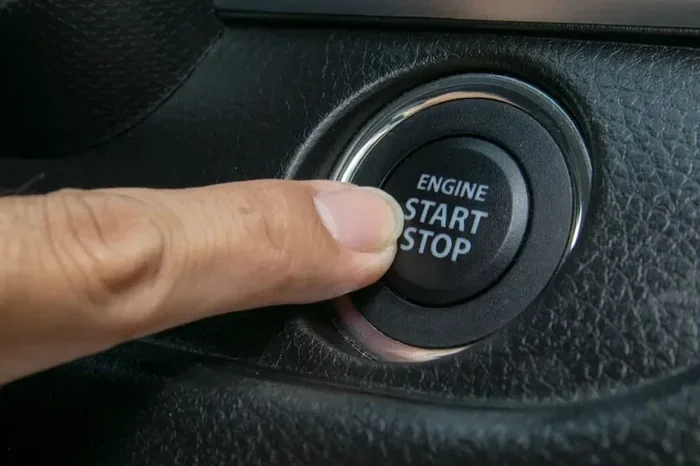
Push-button start, also called push to start or keyless ignition, is an electronic system that allows you to start your vehicle without inserting a physical key into an ignition slot. Instead, you press a button on the dashboard or center console. The system communicates wirelessly with a smart key or key fob that you carry with you.
This technology replaced the traditional metal key and ignition cylinder that cars used for decades. The first push-button start systems appeared in luxury vehicles around the early 2000s. Today, they are found across all price ranges and vehicle types. From economy cars to trucks, push-button ignition has become the new normal.
How Does It Differ from a Traditional Key Ignition?
With a traditional key, you physically insert the key into a lock cylinder and turn it to start the engine. The key mechanically engages the starter motor and signals the ignition system to fire up. A push-button start system does the same job electronically. The key fob sends a coded signal to the car when you press the button. The car verifies the signal matches the registered fob, and then the engine starts.
The difference is subtle but significant. You no longer need to fumble with a key in the dark or worry about locking it inside the car. The entire process is faster and more streamlined.
How Does Push-Button Start Work?
Understanding how push-button start works is simpler than you might think. The system relies on a few key components working together seamlessly. Let us break it down step by step.
The Role of the Key Fob and Smart Key
Your key fob is a small handheld device that contains a transponder chip. This chip emits a unique identification code. When you are inside the car and press the start button, the car’s antenna picks up the signal from your fob. The vehicle’s computer checks the code against its stored list of authorized keys. If the code matches, the engine start sequence begins.
You do not need to press any buttons on the fob itself. The system detects the fob’s presence automatically. This is why you can keep the fob in your pocket, purse, or glove box and still start the car.
The Brake Pedal Requirement
Most push-button start systems require you to press the brake pedal before pressing the start button. This is a safety feature. It prevents the car from starting while in gear or rolling. The brake pedal sensor sends a signal to the car’s computer confirming you are ready to start. Without pressing the brake, the push to start button will not engage the engine.
The Immobilizer and Security System
Every modern push-button ignition system includes an immobilizer. This is an anti-theft feature that prevents the engine from starting with an unauthorized fob. The transponder chip inside your key fob contains a unique cryptographic code. If someone tries to hot-wire your car or use a copied fob, the immobilizer blocks the engine start. This makes push-button start vehicles very difficult to steal.
Benefits of Push-Button Start
Push-button start offers many advantages over traditional key ignition. Here is why so many drivers love this feature.
Convenience and Ease of Use
The biggest benefit is convenience. You do not need to dig for a key or insert it into a slot. Simply carry your fob, step in, press the brake, and push the button. It takes less than two seconds. This is especially helpful when your hands are full with groceries, a baby, or a coffee in hand.
Enhanced Vehicle Security
Push-button start systems are more secure than traditional keys. The transponder chip and immobilizer make it nearly impossible for thieves to hot-wire the car. Many systems also include rolling codes that change every time you use the fob, preventing signal cloning.
Remote Start Capability
Many vehicles with push-button start also offer remote start. This lets you start the engine from outside the car using the fob or a smartphone app. In winter, you can warm up the cabin before you get in. In summer, you can cool down the car before your drive. It is a small luxury that makes a big difference.
Modern Aesthetic and Feel
Let us be honest. A glowing start button looks cool. It gives the interior a clean, modern look. There is no bulky ignition cylinder taking up space on the dashboard. The minimalist design is part of why many car buyers choose vehicles with this feature.
Common Push-Button Start Issues and How to Fix Them
Like any electronic system, push-button start can sometimes have issues. Most problems are easy to fix at home. Here are the most common ones and their solutions.
Dead Key Fob Battery
The most frequent issue is a dead battery in the key fob. When the fob battery is low, the car may not detect it. You might see a warning light on the dashboard or the start button will not respond. The fix is simple: replace the fob battery. Most key fobs use a small CR2032 coin battery. You can swap it yourself in under five minutes.
Not Pressing the Brake Pedal
If the engine does not start when you press the button, check that you are pressing the brake pedal firmly. Some drivers forget this step, especially if they are used to traditional keys. The system will not engage without the brake signal.
Fob Not Near the Start Button
Most systems require the smart key to be within a certain range of the car, usually inside the cabin. If you leave the fob in the trunk or far back in the glove box, the car may not detect it. Keep the fob in a pocket or the center console for reliable operation.
Steering Wheel Lock
Sometimes the steering wheel lock engages after the car is turned off. This can prevent the push to start button from working. To fix this, gently wiggle the steering wheel while pressing the start button. The lock should release, and the engine will start normally.
What to Do If the Push Button Does Not Respond
If none of the above solutions work, try these steps:
- Check that the car is in Park or Neutral.
- Make sure the key fob battery is not dead.
- Ensure the fob is close enough to the start button area.
- Try pressing the start button with the fob directly against the button or the designated fob detection zone on the center console.
- Check the dashboard for warning lights or error messages.
Push-Button Start vs. Traditional Key Ignition
Both systems have their strengths. Here is a side-by-side comparison to help you understand the differences.
| Feature | Push-Button Start | Traditional Key Ignition |
|---|---|---|
| Ease of Use | Very easy, one-button operation | Requires inserting and turning a key |
| Security | High, uses transponder and immobilizer | Moderate, keys can be copied or picked |
| Convenience | Keyless entry and start | Must carry and use a physical key |
| Remote Start | Often available | Rarely available |
| Cost to Repair | Higher for electronic components | Lower, mechanical parts |
| Reliability | Very reliable with proper maintenance | Very reliable, fewer electronics |
| Key Replacement | More expensive, requires programming | Cheaper, simple duplication |
Overall, push-button start wins in convenience and modern features. Traditional key systems are simpler and cheaper to repair. Most drivers today prefer the keyless ignition experience and would not go back to a traditional key.
Tips for Using Push-Button Start Like a Pro
Getting the most out of your push-button start system is easy with a few smart habits. Here are some practical tips to keep everything running smoothly.
Always Carry a Spare Key Fob
Keep a spare smart key in a safe place at home. If your primary fob gets lost, damaged, or the battery dies unexpectedly, the spare will save you from a stressful situation. Some dealers can program a new fob, but it is often costly and time-consuming.
Replace the Fob Battery Before It Dies
Most key fob batteries last one to two years. Do not wait until the fob stops working. Replace the battery proactively. You will find the battery type in your owner’s manual. A CR2032 battery costs just a few dollars and takes seconds to swap.
Keep the Fob Away from Metal Objects
Metal objects can interfere with the signal between your key fob and the car. Avoid placing the fob near large keys, coins, or metal surfaces. Keep it in a dedicated pocket or pouch for the best signal strength.
Do Not Leave the Fob in the Car Overnight
While it is safe to leave the fob inside the car during normal use, removing it when the car is parked for long periods adds a layer of security. It also prevents the car from accidentally staying in accessory mode, which can drain the 12-volt battery.
Learn Your Car’s Specific Features
Every vehicle is slightly different. Some cars let you start the engine without pressing the brake if the fob is detected inside the cabin. Others require the fob to be in a specific slot. Read your owner’s manual to understand your car’s unique push-button start behavior.
Is Push-Button Start Safe?
Safety is a top concern for many drivers considering or using push-button start. The short answer is yes, these systems are very safe. They include multiple built-in safeguards that protect both the vehicle and the occupants.
The immobilizer prevents unauthorized starts. The brake pedal requirement ensures the car is stationary before ignition. The steering wheel lock engages automatically when the engine is off. Together, these features make push-button start vehicles just as safe, if not safer, than traditional key vehicles.
One thing to keep in mind is carbon monoxide risk. Because push-button start is so quiet and easy to use, some drivers accidentally leave the engine running in a closed garage. Always double-check that the engine is off when you exit the vehicle. This is a simple habit that prevents a serious safety hazard.
How to Maintain Your Push-Button Start System
Maintaining your push-button start system is straightforward. Here is what you need to do to keep it in top shape.
- Replace the fob battery every 12 to 18 months.
- Keep the start button and fob clean and free of dirt.
- Check the 12-volt battery regularly, as a weak battery can affect the electronic ignition system.
- Store the fob properly when not in use, away from extreme heat or cold.
- Visit your dealer for software updates if your vehicle offers them. These updates can improve keyless ignition performance.
With basic care, your push to start system will serve you reliably for the life of the vehicle. Most systems are designed to last the entire lifespan of the car with minimal maintenance.
The Future of Push-Button Start Technology
The automotive industry is always evolving. Push-button start technology is no exception. Here are some trends to watch.
Many new vehicles now offer smartphone-based remote start and digital key functionality. Instead of carrying a physical fob, you can use your phone to unlock and start the car. Some manufacturers are even experimenting with facial recognition and biometric authentication to replace the fob entirely.
Another exciting development is the integration of push-button start with advanced driver-assistance systems (ADAS). This allows for smoother automated startup sequences and enhanced security features. As cars become more connected and autonomous, the start button will continue to evolve.
For now, the current push-button start systems are reliable, secure, and user-friendly. They represent a big step forward in automotive convenience and will likely remain a standard feature for years to come.
Conclusion
Push-button start has revolutionized the way we drive. What started as a premium feature is now a standard expectation for most car buyers. The system offers unmatched convenience, strong security through keyless ignition technology, and a modern driving experience that is hard to go back from.
Understanding how your push to start system works helps you get the most out of it. From replacing the key fob battery to knowing the brake pedal requirement, these small details make a big difference. Most issues are simple to diagnose and fix at home. And the added benefits of remote start and enhanced anti-theft protection make this feature truly worthwhile.
Whether you are a new car owner or have been driving a push-button start vehicle for years, taking a few minutes to learn the system pays off. Keep your fob charged, keep your fob close, and enjoy the ease of modern driving. The push-button start is here to stay, and now you know exactly how to make the most of it.
Frequently Asked Questions
Can I start my push-button start car without the key fob inside?
No, the system requires the key fob or smart key to be inside the vehicle for the engine start to work. The car’s antenna detects the fob’s unique signal before allowing ignition. If the fob is not detected, the push to start button will not engage the engine.
What happens if my key fob battery dies while driving?
If the fob battery dies while you are driving, the engine will continue running normally. You can still drive to your destination and turn off the engine. However, you will not be able to restart the car until the fob battery is replaced or the fob is placed in the backup detection zone near the start button.
Is push-button start more expensive to repair than a traditional key system?
Electronic components in a push-button ignition system can cost more to repair than a traditional mechanical ignition. However, most push-button start systems are very reliable and rarely need repairs. The most common maintenance cost is replacing the key fob battery, which is inexpensive and easy to do yourself.
Can I add push-button start to an older car that has a traditional key ignition?
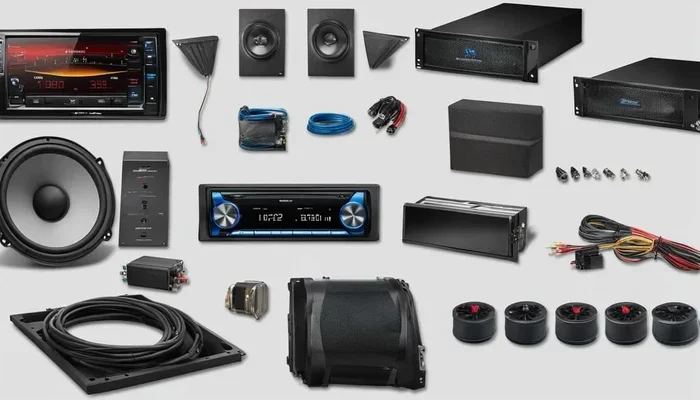
Yes, it is possible to retrofit a keyless ignition system onto an older vehicle. Aftermarket kits are available from automotive retailers and online stores. However, installation can be complex and may require professional help. The cost and compatibility depend on your vehicle’s make and model.
Does push-button start use more battery power than a traditional ignition?
The push-button start system itself uses very little power. However, the key fob emits a low-power signal periodically, which can drain the fob battery over time. The car’s 12-volt battery may also experience slightly higher draw when the ignition system is active. Overall, the difference in battery usage is minimal and not a cause for concern.
What should I do if the push-button start button is stuck or unresponsive?
First, check that the car is in Park or Neutral and the brake pedal is pressed firmly. If the button still does not respond, the key fob battery may be dead. Try placing the fob directly against the start button or in the backup detection zone. If the problem persists, consult a certified mechanic or your vehicle’s dealer for diagnosis.