Can I Pay More on My Car Loan Here Is What You Should Know
Yes, you can pay more on your car loan, and doing so can save you hundreds or even thousands of dollars in interest. Making extra principal payments reduces your loan balance faster, shortens your loan term, and frees up your monthly budget sooner. This guide covers everything from how extra payments work to potential prepayment penalties and smart strategies you can start today.
Key Takeaways
- Paying extra reduces total interest: Even small additional payments can significantly lower the total cost of your auto loan over time.
- Check for prepayment penalties: Some lenders charge fees for paying off your loan early, so always read your loan agreement carefully.
- You have options for extra payments: Biweekly payments, lump sum payments, and rounding up your monthly payment are all effective strategies.
- Your credit score can improve: Paying down your auto loan faster can positively impact your credit utilization and overall credit health.
- Not all loans benefit equally: High interest rate loans benefit the most from extra payments, while low rate loans may be better invested elsewhere.
- Always specify principal-only payments: Without clear instructions, lenders may apply extra money to fees or interest instead of reducing your balance.
📑 Table of Contents
- Can I Pay More on My Car Loan Here Is What You Should Know
- How Paying Extra on Your Car Loan Works
- Different Ways to Pay More on Your Car Loan
- Benefits of Paying More Than Your Minimum
- Potential Drawbacks and Things to Watch Out For
- Comparison: Standard Payment vs. Extra Payments
- Expert Tips for Maximizing Your Savings
- Common Mistakes People Make When Paying Extra on Their Car Loan
- When Paying Extra on Your Car Loan Makes the Most Sense
- Final Thoughts on Paying More on Your Car Loan
Can I Pay More on My Car Loan Here Is What You Should Know
Have you ever looked at your car loan statement and thought, “I wish I could just pay this off faster”? You are not alone. Millions of Americans carry auto loan debt, and many of them want to know if putting extra money toward their loan is even allowed. The short answer is yes. You absolutely can pay more on your car loan, and doing so can change your financial life in a big way.
When you make an extra payment, you directly reduce the principal balance of your loan. This means less interest accrues over time. Your loan pays off sooner, and you keep more money in your pocket. But the details matter. Not every lender handles extra payments the same way, and some loans come with hidden traps. In this article, we break down exactly how paying extra on your auto loan works, what to watch out for, and the best strategies to save the most money.
Whether you are dealing with a high interest rate car loan or just want to be debt-free faster, this guide has practical tips you can use right away. Let us dive in.
How Paying Extra on Your Car Loan Works
Understanding how extra payments affect your loan amortization schedule is the first step. Most car loans use simple interest. This means interest is calculated daily based on your remaining balance. When you pay extra, you lower the balance faster. Less balance means less interest charged each day. Over the life of the loan, this adds up to real savings.
The Power of Principal-Only Payments
When you send extra money to your lender, you should always specify that it is a principal-only payment. If you do not, the lender may apply it to the next month’s payment or to fees. That defeats the whole purpose. Call your lender or log into your online account and clearly state that the extra amount should go toward the principal.
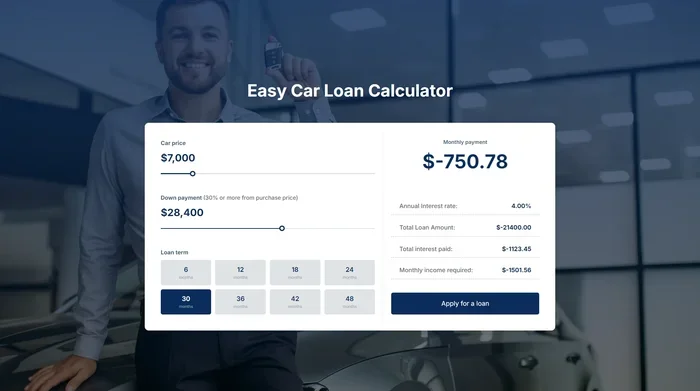
Here is a simple example. Say you have a $20,000 loan at 6% interest with 60 months left. Your monthly payment is about $387. If you add just $100 extra each month toward the principal, you could save over $600 in interest and pay off the loan nearly a year early. That is real money back in your wallet.
How Extra Payments Shorten Your Loan Term
Making extra payments does two things at once. It reduces your balance and shortens the number of months you are paying. Some lenders let you choose whether the extra payment shortens the term or reduces the monthly payment. Shortening the term almost always saves more money because you pay less total interest over the life of the loan.
Think of it this way. Every dollar you pay toward the principal is a dollar that stops earning interest for the lender. That dollar starts working for you instead.
Different Ways to Pay More on Your Car Loan
There is no single right way to pay extra. Different strategies work for different budgets and lifestyles. Here are the most popular methods people use to pay down their car loan balance faster.
Biweekly Payments
Instead of making one monthly payment, you pay half your monthly amount every two weeks. Since there are 52 weeks in a year, you end up making 26 half-payments. That equals 13 full monthly payments instead of 12. You make one extra full payment every year without even feeling it. Over a five-year loan, this can save you hundreds of dollars in interest.
Lump Sum Payments
If you get a tax refund, a work bonus, or a cash gift, consider putting a lump sum toward your car loan. Even a one-time extra payment of $1,000 can shave months off your loan term. The key is to make the payment early in the loan cycle when interest has the most time to accumulate. A lump sum payment is one of the fastest ways to reduce your principal balance significantly.
Rounding Up Your Monthly Payment
This is a simple trick that many people overlook. If your monthly payment is $347, round it up to $350 or $375. The extra $3 to $28 per month may not feel like much, but over 48 months it adds up to real savings. Most lenders allow you to adjust your payment amount without penalty.
One-Time Extra Payments
If you prefer not to change your monthly budget permanently, you can make occasional one-time extra payments. Some people do this every quarter or whenever they have extra cash. The important thing is consistency. Even small, irregular extra payments can make a noticeable difference over time.
Benefits of Paying More Than Your Minimum
Paying extra on your car loan offers several powerful benefits that go beyond just saving money on interest.
Save Thousands in Interest
The most obvious benefit is the interest savings. The longer you carry a loan, the more interest you pay. By paying extra, you shorten the timeline and reduce the total amount of interest you owe. On a typical five-year auto loan, extra payments can save you anywhere from a few hundred to over a thousand dollars.
Improve Your Credit Score
Paying down your debt faster improves your credit utilization ratio. A lower loan balance compared to your original loan amount signals financial health. Over time, this can boost your credit score. A higher credit score opens doors to better interest rates on future loans, credit cards, and even insurance premiums.
Become Debt-Free Sooner
There is a deep emotional and financial freedom that comes with being debt-free. When you pay off your car loan early, you eliminate a monthly obligation from your budget. That frees up cash for savings, investments, or other goals. Many people find that the peace of mind is worth more than any interest savings.
Avoid Being Upside Down on Your Loan
Being upside down means you owe more on your car than it is worth. This is a risky position, especially if you need to sell or get into an accident. Extra payments help you build equity faster and avoid this dangerous situation. Staying above water on your loan gives you options and financial flexibility.
Potential Drawbacks and Things to Watch Out For
Paying more on your car loan is almost always a good idea, but there are a few things you should know before you start.
Prepayment Penalties
Some lenders charge a prepayment penalty for paying off your loan early. This is a fee designed to protect the lender’s interest income. Before making extra payments, check your loan agreement or call your lender to ask about any fees. If your loan has a prepayment penalty, calculate whether the savings from extra payments outweigh the penalty cost. In many cases, the savings still make it worthwhile.
It is also worth noting that refinancing your auto loan can be another option if you want better terms. If you have a Tesla loan, for example, you might explore whether you can refinance your Tesla loan for a lower rate instead of just making extra payments.
Opportunity Cost
Every dollar you put toward your car loan is a dollar you are not investing elsewhere. If your car loan has a very low interest rate, say 2% or 3%, you might get a better return by investing the extra money in the stock market or paying down higher interest debt first. Always compare your loan interest rate to potential investment returns before deciding where to put your extra cash.
Impact on Your Monthly Budget
Make sure extra payments do not strain your monthly budget. If you are tight on cash, adding extra payments could lead to missed payments on other bills. A missed car payment can hurt your credit score and trigger late fees. Always build a small emergency fund before committing to extra loan payments.
Insurance and Tax Considerations
If your car is financed, your lender likely requires full coverage insurance. Paying off your loan early means you can drop the comprehensive and collision coverage, which may lower your insurance premiums. On the other hand, if you use your vehicle for business purposes, you should check whether you can write off car payments through your LLC or business entity. Understanding the tax implications helps you make the best financial decision.
Comparison: Standard Payment vs. Extra Payments
Seeing the numbers side by side makes the benefits of extra payments very clear. Here is a comparison of a standard five-year car loan with and without extra payments.
| Scenario | Loan Amount | Interest Rate | Monthly Payment | Total Interest Paid | Payoff Time |
|---|---|---|---|---|---|
| Standard Payment | $20,000 | 6% | $386.66 | $3,199.60 | 60 months |
| +$100/Month Extra | $20,000 | 6% | $486.66 | $2,502.40 | 48 months |
| +$200/Month Extra | $20,000 | 6% | $586.66 | $1,948.80 | 40 months |
| One-Time $2,000 Extra | $20,000 | 6% | $386.66 | $2,678.20 | 52 months |
As you can see, even modest extra payments create meaningful savings. The earlier you start making extra payments, the more you save because interest has less time to compound.
Expert Tips for Maximizing Your Savings
Want to get the most out of your extra car loan payments? Follow these proven tips from financial experts.
Always Confirm Where Your Extra Payment Goes
Do not assume your extra payment goes to principal. Call your lender or check your online portal after each extra payment to confirm it was applied correctly. If it was not, contact them immediately to correct it. This one simple step ensures you are actually saving money.
Make Extra Payments Early in the Loan Term
Interest is front-loaded on most car loans. This means more of your early payments go toward interest rather than principal. Making extra payments in the first few years of your loan has the greatest impact on total interest savings. The effect compounds over time, so every month you pay early matters.
Set Up Automatic Extra Payments
Automate your extra payments to avoid forgetting. Most lenders let you set up recurring additional payments through your online account. Automating removes the temptation to skip a month when money is tight. Even automating a small amount like $25 or $50 per month adds up significantly over the life of the loan.
Check for Hidden Fees
Some lenders charge processing fees for extra payments or have specific rules about how and when you can make them. Read your loan contract carefully. If anything is unclear, ask your lender directly. There should be no surprises when you are trying to pay off your loan faster.
Consider Your Overall Financial Picture
Paying extra on your car loan is great, but do not neglect other financial goals. Make sure you are also saving for emergencies, contributing to retirement accounts, and paying off any high interest credit card debt first. A balanced financial approach always wins in the long run.
Common Mistakes People Make When Paying Extra on Their Car Loan
Even with good intentions, many people make mistakes that reduce the impact of their extra payments. Here are the most common ones to avoid.
- Not specifying principal-only payments: Without clear instructions, lenders may apply extra money to interest or fees instead of your balance.
- Forgetting to check for prepayment penalties: Paying extra only to discover a penalty later can eat into your savings.
- Making extra payments but skipping regular ones: Never skip your regular monthly payment to make an extra one. Late payments hurt your credit and may trigger fees.
- Not tracking your savings: Keep a record of your extra payments and the interest you have saved. Seeing the progress motivates you to keep going.
- Paying extra on a low interest loan instead of high interest debt: Focus extra payments on the debt with the highest interest rate first for maximum savings.
When Paying Extra on Your Car Loan Makes the Most Sense
Extra payments work best in certain situations. Here is when they deliver the most value.
- Your loan has a high interest rate, above 5%
- You are still in the early years of your loan term
- You have a stable income and an emergency fund in place
- You want to become debt-free before buying another vehicle
- Your lender does not charge prepayment penalties
On the other hand, if your loan has a very low interest rate and you can invest the extra money at a higher return, it may make more sense to stick with minimum payments and invest the difference. Every financial situation is unique.
It is also worth noting that your financial goals may change over time. If you are considering selling your vehicle or dealing with other loan-related decisions, understanding your options is key. For instance, if you are wondering about the implications of financial hardship, learning about what happens if you surrender your car can help you understand your alternatives.
Final Thoughts on Paying More on Your Car Loan
The bottom line is clear. Paying more on your car loan is one of the smartest financial moves you can make. It saves you money on interest, shortens your loan term, and helps you build equity in your vehicle faster. The key is to do it strategically. Check for prepayment penalties, always specify principal-only payments, and make sure extra payments fit comfortably within your budget.
You do not need to make huge payments to see results. Even small, consistent extra payments add up over time. The most important thing is to start and stay consistent. Your future self will thank you when that loan is paid off and the monthly payment disappears from your budget.
Take control of your auto loan today. Review your loan agreement, check your interest rate, and choose a payment strategy that works for you. Every extra dollar you pay is a step closer to financial freedom.
Frequently Asked Questions
Can I pay extra on my car loan without penalty?
Most lenders allow extra payments without penalty, but some loans include prepayment penalties. Always check your loan agreement or call your lender to confirm before making extra payments. If there is a penalty, calculate whether the savings still outweigh the cost.
How do I make sure my extra payment goes toward the principal?
Call your lender or use your online account to specify that the extra payment is a principal-only payment. You can also send a written note with your check or payment confirmation. Always verify the application of your extra payment after it posts.
Will paying extra on my car loan improve my credit score?
Yes, paying down your loan balance faster can improve your credit score over time. Lowering your debt reduces your credit utilization and shows responsible financial behavior. However, the impact varies depending on your overall credit profile.
How much extra should I pay on my car loan each month?
There is no set amount. Even $25 or $50 extra per month can make a difference. The more you can comfortably afford, the faster you will pay off the loan and save on interest. Choose an amount that fits your budget without causing financial strain.
What happens if I miss a regular payment but make an extra payment?
Missing a regular payment can result in late fees and potential credit damage. Always make your regular monthly payment on time. Extra payments are on top of your required monthly payment, not a replacement for it.
Can I pay off my car loan in full at any time?
Yes, you can typically pay off your car loan in full at any time. However, check for any prepayment penalties in your loan agreement. Paying off the full balance is the fastest way to eliminate the loan and stop paying interest entirely.
=== CONCLUSION ===
Paying more on your car loan is one of the simplest yet most effective ways to save money and achieve financial freedom faster. Whether you choose biweekly payments, lump sum contributions, or simply rounding up your monthly payment, every extra dollar reduces your principal balance and cuts down on total interest paid. The key is to start, stay consistent, and always confirm that your extra payments are applied correctly to the principal.
Remember to check for prepayment penalties, maintain your regular payment schedule, and keep your overall financial health in focus. With the right strategy, you can pay off your car loan ahead of schedule and keep more of your hard-earned money where it belongs: in your pocket. Take action today and start making extra payments toward your auto loan. Your future self will thank you.