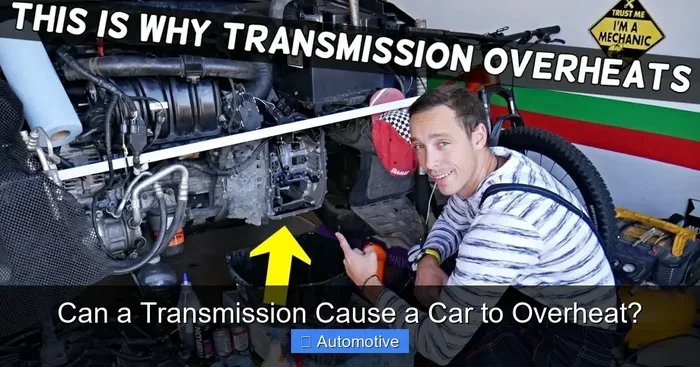
Can A Transmission Cause A Car To Overheat?
Yes, a transmission can absolutely cause a car to overheat, and this is one of the most overlooked reasons for engine temperature spikes. When transmission fluid breaks down, leaks, or the system is under constant strain, excess heat transfers directly to the engine and pushes your cooling system to its limits. Understanding this connection is essential for any car owner who wants to prevent costly damage and keep their vehicle running safely.
Key Takeaways
- Low transmission fluid causes overheating: Insufficient fluid increases friction and generates dangerous heat buildup.
- Dirty fluid reduces cooling efficiency: Old fluid loses its ability to regulate transmission temperature.
- A failing torque converter generates excess heat: This component malfunction can overheat your entire drivetrain.
- Regular fluid changes prevent overheating: Consistent maintenance keeps your transmission running cool and smooth.
- Overheating damages internal transmission parts: Ignoring heat leads to expensive repairs and total failure.
- Watch for early warning signs: Slipping gears and burning smells signal transmission overheating.
- Check your cooling system regularly: A healthy radiator supports proper transmission temperature control.
📑 Table of Contents
- Can A Transmission Cause A Car To Overheat?
- How Your Transmission Generates Heat
- Common Causes Of Transmission Overheating
- Warning Signs Your Transmission Is Overheating
- How Transmission Overheating Differs From Engine Overheating
- Prevention And Maintenance Tips
- Quick Comparison: Transmission Overheating vs Engine Overheating
- When To See A Professional
- Key Takeaways
Can A Transmission Cause A Car To Overheat?
Your car relies on many systems working together to keep things running smoothly. One of the most overlooked parts of that puzzle is your transmission. Most people think overheating is strictly an engine problem, but that’s not always the case. Can a transmission cause a car to overheat? The short answer is yes, absolutely. A struggling transmission can push your engine temperatures through the roof, leading to serious damage if you ignore the warning signs.
Whether you’re dealing with old transmission fluid, a failing torque converter, or a clogged transmission cooler, the root cause often traces back to the gearbox. In this guide, we’ll break down exactly how your transmission triggers overheating, what symptoms to watch for, and what you can do to fix it before it turns into a costly repair bill. This is practical knowledge every car owner needs.
We’ll also look at how transmission overheating compares to regular engine overheating and why tackling the problem early saves you both money and stress. Let’s dive in.
How Your Transmission Generates Heat
Your transmission works hard every single time you drive. It shifts gears, manages torque, and keeps power flowing from the engine to the wheels. All of that effort creates friction, and friction creates heat. Under normal conditions, your transmission fluid absorbs that heat and carries it away through the transmission cooler.
But when something goes wrong inside the gearbox, heat builds up fast. Here are the main ways your transmission generates excess heat:
- Low transmission fluid levels — not enough fluid means less cooling and more friction.
- Dirty or old transmission fluid — degraded fluid loses its ability to absorb heat.
- Slipping gears — when gears slip, they create extra friction and generate excess heat.
- Torque converter problems — a locked-up torque converter forces the transmission to work overtime.
- Blocked transmission cooler lines — restricted fluid flow traps heat inside the system.
Think of your transmission fluid like coolant for the gearbox. When that fluid breaks down or runs low, the internal components start grinding against each other without proper lubrication. The result is a spike in transmission temperature that can quickly spread to the engine.
Common Causes Of Transmission Overheating
Understanding the root causes of transmission overheating helps you take action before things get worse. Several factors can push your gearbox beyond safe operating temperatures.
Old Or Dirty Transmission Fluid
Over time, transmission fluid breaks down and loses its protective properties. Dark, burnt-smelling fluid is a red flag. When fluid degrades, it can’t lubricate the internal components properly. This creates more friction, which means more heat. A transmission fluid change is one of the simplest and most effective ways to prevent overheating.
Transmission Fluid Leaks
A small leak might not seem like a big deal at first. But even a slow leak reduces the fluid level over time. Less fluid means less cooling capacity. Eventually, your transmission starts running hot, and you may notice transmission slipping or jerky shifts. If you spot a reddish puddle under your car, get it checked right away.
Faulty Transmission Solenoid
The solenoid controls fluid flow through the transmission. When it malfunctions, the wrong amount of fluid reaches certain parts of the gearbox. This creates uneven cooling and excess heat buildup. A faulty solenoid often triggers a transmission warning sign like rough shifting or delayed engagement.
Overloading Your Vehicle
Towing heavy loads or carrying too much weight puts extra strain on your transmission. The gearbox has to work harder to manage the increased torque demand. This generates more heat than the cooling system can handle. If you regularly tow a trailer or haul heavy cargo, consider upgrading your transmission cooler to handle the extra load.
Driving Habits That Cause Overheating
How you drive matters more than you might think. Constantly shifting between drive and reverse on a hot day, riding the brakes downhill, or aggressive acceleration all put extra stress on the transmission. These habits slowly increase transmission temperature over time and can lead to premature wear.
Warning Signs Your Transmission Is Overheating
Catching the symptoms early is the key to avoiding a major repair. Your transmission will tell you when something is wrong if you know what to look for. Here are the most common transmission warning signs to watch for:
- Burnt smell — a sweet or burnt odor coming from under the hood signals overheating fluid.
- Slipping gears — your transmission shifts unexpectedly or fails to hold gear.
- Delayed shifting — there’s a noticeable pause when switching between gears.
- Dashboard warning light — the check engine light or transmission temperature light illuminates.
- Unusual noises — grinding, whining, or buzzing sounds during operation.
- Fluid leaks — reddish fluid pooling beneath your vehicle.
If you notice any of these signs, pull over safely and let your car cool down. Continuing to drive with an overheating transmission can cause permanent damage to internal components like the clutch packs and planetary gears.
How Transmission Overheating Differs From Engine Overheating
People often confuse transmission overheating with engine overheating, but they are different problems with different causes. Engine overheating usually stems from coolant issues, a broken radiator, or a failing water pump. Transmission overheating comes from within the gearbox itself — low fluid, degraded fluid, or cooling system failures.
However, the two problems are connected. When your transmission runs hot, the extra heat radiates into the engine bay. This raises your overall engine temperature and can contribute to engine overheating as well. That’s why some drivers notice both problems happening at the same time, especially during hot weather or heavy towing.
If you’ve ever dealt with a car overheating on a hot day, you know how frustrating it can be. The same principle applies when your transmission is the culprit. Heat builds up, spreads, and affects everything around it. Addressing the transmission issue often helps bring your engine temperatures back to normal too.
Prevention And Maintenance Tips
The good news is that preventing transmission overheating is much easier than repairing the damage it causes. A little regular maintenance goes a long way toward keeping your gearbox cool and running smoothly.
Stick To A Regular Transmission Fluid Change Schedule
Most manufacturers recommend changing your transmission fluid every 30,000 to 60,000 miles. Check your owner’s manual for the exact interval. Fresh fluid keeps the internal components properly lubricated and helps maintain safe operating temperatures. This simple step is one of the best car maintenance habits you can build.
Install A Transmission Cooler
If you tow frequently or drive in hot climates, a transmission cooler is a smart investment. It works like an extra radiator specifically for your gearbox. The cooler circulates fluid through an additional heat exchanger, which drops transmission temperature significantly. Many modern vehicles come with factory-installed transmission coolers, but older models or trucks may benefit from an aftermarket upgrade.
Check Fluid Levels Regularly
Get in the habit of checking your transmission fluid at least once a month. Low fluid is one of the most common causes of overheating. Look for the transmission dipstick under your hood (some modern cars have sealed transmissions that don’t have a dipstick — consult your manual). The fluid should be reddish and smooth to the touch. If it looks dark brown or smells burnt, it’s time for a change.
Avoid Aggressive Driving
Hard acceleration and abrupt shifting put unnecessary stress on your transmission. Ease off the gas pedal when slowing down, and avoid shifting from drive to reverse while the car is still moving. These small changes reduce heat buildup and extend the life of your gearbox.
Address Problems Immediately
Don’t ignore warning signs. If your transmission starts slipping or you notice a strange smell, get it inspected by a professional right away. Early intervention prevents small problems from turning into expensive repairs. A quick transmission repair today can save you thousands of dollars down the road.
Quick Comparison: Transmission Overheating vs Engine Overheating
| Factor | Transmission Overheating | Engine Overheating |
|---|---|---|
| Primary Cause | Low or dirty fluid, torque converter issues | Coolant leaks, radiator failure, water pump issues |
| Fluid Involved | Transmission fluid | Coolant/antifreeze |
| Common Symptoms | Slipping gears, burnt smell, delayed shifting | Steam from hood, temperature gauge in red zone |
| Typical Temperature Range | Above 220°F is dangerous | Above 230°F is concerning |
| Repair Cost Range | 200 to 2,500 depending on severity | 150 to 3,000 depending on the cause |
| Prevention | Regular fluid changes, transmission cooler | Coolant flushes, radiator maintenance |
As you can see, both types of overheating share some similarities but require different approaches. The best approach is to stay on top of routine maintenance for both systems. If your car overheats on a hot day, it’s worth checking both the engine and transmission to rule out either cause.
When To See A Professional
Some transmission overheating issues are simple enough to handle at home, like checking fluid levels or topping off low fluid. But other problems need the expertise of a trained mechanic. You should seek professional help if:
- The transmission temperature light stays on even after letting the car cool down.
- You notice metal particles or debris in your transmission fluid.
- Your transmission slips frequently despite having the correct fluid level.
- You hear grinding or clunking noises when shifting gears.
- The burnt smell persists after a fluid change.
A mechanic can run diagnostic tests to pinpoint exactly what’s causing the transmission overheating. They’ll check the solenoid, inspect the torque converter, and evaluate the condition of your transmission cooler. Getting a professional diagnosis early can save you from a full transmission replacement, which is one of the most expensive repairs a car owner can face.
Key Takeaways
Your transmission plays a bigger role in keeping your car cool than most people realize. Here’s what you should remember:
- Yes, a transmission can cause a car to overheat — it happens through excess friction, fluid breakdown, and cooling system failures.
- Regular transmission fluid changes are the single most effective prevention method.
- Watch for warning signs like slipping gears, burnt smells, and delayed shifting.
- Transmission overheating and engine overheating are different but connected problems.
- Simple habits like checking fluid levels and avoiding aggressive driving go a long way.
Taking care of your transmission means taking care of your entire vehicle. A cool, well-maintained gearbox keeps your engine running smoothly and helps you avoid expensive repairs. Stay proactive with your car maintenance routine, and your transmission will thank you for years to come.
Frequently Asked Questions
Can a Transmission Cause a Car to Overheat?
Yes, a failing transmission can absolutely cause your car to overheat. When the transmission struggles to shift properly or slips, it creates extra friction and heat. This excess heat can spread to the engine and push your overall temperature gauge into the danger zone.
What Are the Signs That My Transmission Is Causing Overheating?
Common signs include a burning smell coming from under the hood, slipping gears, delayed shifting, and a rising temperature gauge. You may also notice dark or burnt-looking transmission fluid on your dipstick. If you see any of these symptoms together, your transmission is likely generating too much heat.
Can Low Transmission Fluid Cause My Car to Overheat?
Yes, low or dirty transmission fluid is one of the most common reasons a transmission causes overheating. Fluid lubricates the internal parts and helps keep temperatures manageable. When the fluid level drops or breaks down, metal parts grind against each other, creating excessive heat that can spread to the entire engine.
What Should I Do If My Transmission Is Causing the Car to Overheat?
First, pull over safely and let the car cool down for at least 15 to 20 minutes. Check your transmission fluid level and look for signs of contamination or a burnt smell. If the fluid looks dark or smells burned, avoid driving and have a mechanic inspect the transmission and cooling system right away.
Can a Faulty Transmission Solenoid Lead to Overheating?
A bad transmission solenoid can indeed contribute to overheating problems. When a solenoid fails, it can cause rough or delayed shifting, which increases internal friction and heat buildup. Over time, this extra strain on the transmission can raise your engine temperature as well.
How Can I Prevent Transmission-Related Overheating?
Regularly checking and changing your transmission fluid is the best way to prevent overheating issues. Make sure your cooling system is working properly, including the radiator and transmission cooler lines. Avoid towing heavy loads beyond your vehicle’s capacity, and address any slipping or rough shifting immediately before it leads to serious heat damage.