Can a Car Overheat With Low Oil and How to Prevent It
Yes, a car can absolutely overheat when it has low oil. Oil lubricates and cools your engine, so when levels drop, friction and heat build up fast. This guide explains how low oil triggers overheating, the warning signs you should never ignore, and easy prevention tips to protect your engine.
Can a car overheat with low oil? The short answer is a firm yes. Many drivers don’t realize that oil does more than just lubricate engine parts. It also helps pull heat away from critical components. When your oil level drops too low, your engine loses its cooling support. This can lead to dangerous overheating, serious damage, and even a total engine failure.
Whether you drive a daily commuter or an older vehicle, understanding the link between low oil and engine overheating is essential. This guide walks you through exactly how low oil causes overheating, the signs to watch for, and what you can do to stop it before it becomes a big problem.
## What Happens When Your Car Has Low Oil
Your engine has many moving metal parts. Pistons, crankshafts, camshafts, and valves all spin and slide at high speed. Without enough oil, these parts grind against each other. The friction creates intense heat.
Oil serves two main jobs in your engine. First, it lubricates moving parts to reduce friction. Second, it helps carry heat away from hot spots inside the engine block. Think of oil as your engine’s personal coolant partner. The coolant system handles most of the heat removal. But oil handles the heat that coolant cannot reach.
When oil levels drop, both jobs suffer. Parts start to wear faster. Heat builds up in areas that normally stay cool. Over time, this combination of friction and excess heat can warp metal, damage bearings, and even seize an engine completely.
### How Oil Cools Your Engine
Most people think of coolant or antifreeze when they hear the word “cooling.” But oil plays a quiet but critical role. Engine oil flows through tight spaces between pistons and cylinder walls. It picks up heat from these areas and carries it to the oil pan, where it cools slightly before circulating again.
When you run low on oil, this heat transfer process breaks down. Hot spots develop. Metal expands. Tolerances shrink. Soon, parts that once fit perfectly are rubbing and grinding. This creates even more heat, which makes the problem worse.
### The Role of Oil Pressure
Oil pressure matters too. A healthy engine maintains steady oil pressure to push oil through all the passages. When oil levels drop, pressure falls. Low oil pressure means less oil reaches the top of the engine. The camshaft and valves at the top of the engine are often the first parts to suffer.
If you have a dashboard warning light, pay attention to it. The oil pressure warning light is one of the most important alerts your car can give you. Ignoring it can lead to overheating and engine failure.
## How Low Oil Causes Your Engine to Overheat
The connection between low oil and engine heat is direct. When oil is low, friction increases. Increased friction creates more heat. More heat raises the engine temperature. And if the temperature climbs too high, your engine overheats.
This process can happen fast. In some cases, a car can overheat within minutes of running on critically low oil. The engine does not need to be working hard either. Even idling in a parking lot can cause overheating if the oil level is dangerously low.
### Friction and Heat Build-Up
Every engine part that moves creates some friction. Oil creates a thin film between these parts. This film prevents metal-on-metal contact. When oil is low, that film breaks down. Metal touches metal. The resulting friction generates heat very quickly.
This heat does not just stay in one spot. It spreads through the engine block. It raises the overall engine temperature. The thermostat and cooling system may not be able to keep up. That is when the temperature gauge starts climbing.
### Oil Breakdown and Its Effects
Old or degraded oil makes the problem worse. Over time, oil breaks down from heat and use. It becomes thinner and less effective. Dirty oil does not flow as well. It does not cool as efficiently. If you skip oil changes, your oil loses its ability to protect your engine.
Even if your oil level is full, old oil can cause overheating. But low oil combined with old oil is a double threat. The engine has less cooling capacity and less lubrication. This is one of the fastest ways to cause serious engine damage.
### Can Low Oil Cause Overheating Even With a Full Coolant System?
Yes. Many drivers assume that as long as the coolant tank is full, the engine will not overheat. But coolant and oil work as a team. Coolant handles the bulk of heat removal from the engine block and radiator. Oil handles the heat inside the engine that coolant cannot reach.
If your oil is low, the heat inside the engine has nowhere to go. Even with plenty of coolant, the internal engine temperature can still rise to dangerous levels. This is why checking both your coolant and your oil matters.
## Warning Signs Your Car Is Overheating From Low Oil
Catching the signs early can save your engine. Most cars give you several warning signals before a full overheating event. Knowing what to look for helps you act fast.
### Temperature Gauge Rising
The most obvious sign is the temperature gauge on your dashboard. If the needle moves into the red zone, your engine is too hot. This can happen suddenly or gradually. Either way, you should pull over and turn off the engine right away.
Do not keep driving if the gauge is in the red. Continuing to drive can cause the head gasket to blow, the engine block to crack, or pistons to seize. These repairs are expensive and sometimes mean the end of the car.
### Strange Engine Noises
Low oil often causes unusual sounds. You might hear knocking, ticking, or clicking from the engine. These noises come from metal parts rubbing together without enough lubrication.
A ticking noise at the top of the engine often means the valve train is starved for oil. A deeper knocking sound can mean the crankshaft or connecting rods are under stress. Both are signs that your engine needs oil immediately.
### Steam or Smoke From the Hood
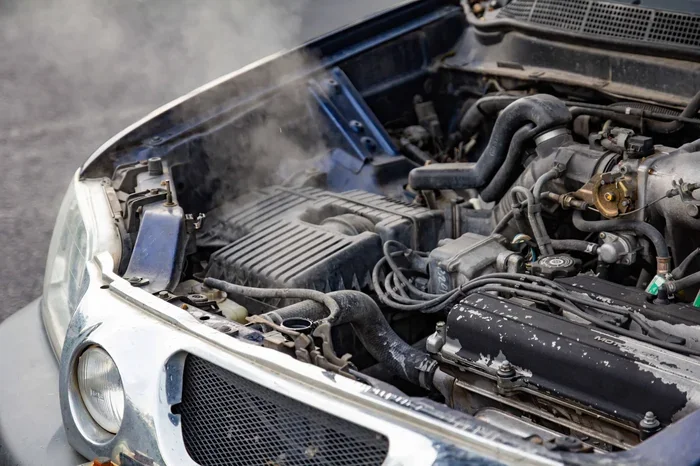
If you see steam or smoke coming from under the hood, pull over safely. This is a clear sign that your engine is overheating. The steam comes from coolant or oil hitting hot engine parts.
Do not open the hood right away. The steam can burn you. Let the engine cool for at least 15 to 20 minutes. Then check the oil level and coolant level carefully.
### Burning Oil Smell
A burning oil smell inside or outside the car is another warning sign. When oil levels are low, parts that should be coated in oil start to overheat. The oil itself can start to burn on hot engine surfaces.
This smell often comes with a dark smoke from the exhaust. If you notice this combination, stop driving and check your oil level as soon as it is safe.
## Common Causes of Low Oil Levels
Understanding why oil levels drop helps you prevent the problem. Several common issues can cause your oil to run low over time.
### Oil Leaks
Oil leaks are the most common reason oil levels drop. Leaks can happen from the oil pan, valve cover gasket, oil filter, or oil drain plug. A small leak might not be obvious at first. But over days or weeks, it can drain a significant amount of oil.
Check under your car for dark puddles or stains. If you see oil on the ground, have a mechanic inspect your vehicle. Fixing a small leak early is much cheaper than replacing a damaged engine.
### Burning Oil
Some cars burn oil as they age. Worn piston rings or valve seals can let oil slip into the combustion chamber. You might notice blue smoke from the exhaust, especially when accelerating.
If your car burns oil, you will need to add oil more frequently. Keep an eye on your levels and top off between oil changes. But also have a mechanic check for worn seals or rings.
### Not Topping Off After an Oil Change
This sounds simple, but it happens often. After an oil change, the new oil level should be checked. Sometimes not enough oil is added. Or the old oil is not fully drained before refilling. Either way, the result is a low oil level.
Always ask your mechanic or check the dipstick yourself after an oil change. It takes just a few seconds and can prevent a lot of trouble.
### Using the Wrong Oil
Not all oils are the same. Using the wrong viscosity or type of oil can cause problems. Thinner oil may leak out faster or burn off more quickly. Thicker oil may not flow properly in cold weather.
Always use the oil type recommended in your owner’s manual. If you are unsure, check with a trusted mechanic or look up your vehicle’s specifications online.
## How to Prevent Your Car From Overheating With Low Oil
Prevention is much easier than repair. A few simple habits can keep your oil at the right level and your engine running cool.
### Check Your Oil Regularly
Make it a habit to check your oil at least once a month. Park on level ground, wait for the engine to cool, and pull out the dipstick. Wipe it clean, reinsert it, then pull it out again to read the level.
The oil should fall between the minimum and maximum marks on the dipstick. If it is close to or below the minimum, add oil right away. Use the same type and weight of oil already in your engine.
### Stick to a Regular Oil Change Schedule
Old oil breaks down and loses its effectiveness. Changing your oil on schedule keeps it fresh and protective. Most cars need an oil change every 5,000 to 7,500 miles. Check your owner’s manual for the exact recommendation for your vehicle.
If you drive in hot weather or stop-and-go traffic, you may need to change your oil more often. Extreme conditions put extra stress on your oil and engine.
### Fix Leaks Promptly
Do not ignore oil leaks, no matter how small. A few drops under your car today can become a quart low next week. Small leaks get bigger over time, and low oil leads to overheating.
Have a mechanic inspect any leaks as soon as you notice them. The cost of a gasket replacement is far less than an engine rebuild.
### Monitor Your Oil Pressure
If your car has an oil pressure gauge, keep an eye on it. Normal oil pressure varies by vehicle, but it should stay steady while driving. A sudden drop in oil pressure often means your oil level is too low or the oil pump is failing.
If the oil pressure light comes on, pull over immediately. Continuing to drive with low oil pressure can destroy your engine in minutes.
### Keep Your Cooling System in Good Shape
While this article focuses on oil, your cooling system works alongside it. Make sure your coolant level is adequate and your radiator is working properly. A failing cooling system can cause overheating even when oil levels are fine.
If you ever notice your car overheating on a hot day, it could be related to both oil and coolant issues. Learn more about how heat affects your car and what you can do to stay safe.
## What to Do If Your Car Overheats From Low Oil
If your car starts overheating while you are driving, stay calm. Follow these steps to protect yourself and your engine.
1. Pull over safely. Find a parking lot or roadside spot as soon as you can. Turn on your hazard lights.
2. Turn off the engine. Do not keep driving. Every minute of driving with an overheating engine causes more damage.
3. Do not open the hood right away. Steam and hot coolant can cause burns. Wait at least 15 to 20 minutes.
4. Check your oil level. Once the engine has cooled, pull out the dipstick and check the level. Add oil if it is low.
5. Call for help if needed. If the engine is severely overheated, do not try to drive it. Call a tow truck and have it taken to a mechanic.
After the engine cools, you can also check the coolant level. But be careful. The coolant system may still be pressurized and hot. Wait longer if you are unsure.
Can you still drive the car after it overheats? It depends on the damage. Some minor overheating events cause no lasting harm. But repeated overheating or prolonged overheating can cause permanent engine damage. If you are unsure, have a professional inspect the vehicle before driving it again.
If you notice a check engine light or an error code after overheating, it is worth getting a diagnostic. Many auto parts stores offer free diagnostics that can help you understand what went wrong and what repairs are needed.
## Key Maintenance Habits That Protect Your Engine
Keeping your engine healthy goes beyond just checking oil. A few extra habits can extend the life of your vehicle and prevent overheating.
- Follow the manufacturer’s maintenance schedule. Every car comes with a recommended service plan. Stick to it for the best results.
- Keep a spare quart of oil in your trunk. This gives you a quick fix if your oil level drops between changes.
- Watch for fluid puddles under your car. Oil, coolant, and transmission fluid leaks all leave visible marks on your driveway or garage floor.
- Listen to your engine. Unusual sounds, vibrations, or smells often come before a breakdown. Trust your instincts and get things checked.
- Keep your engine bay clean. Dirt and debris can trap heat and make it harder for your engine to cool properly.
## Can Electric Cars Overheat From Low Oil?
Electric cars do not use oil in the same way that gas-powered vehicles do. Most electric vehicles do not have a traditional engine oil system. However, they still have cooling systems that keep the battery and motor at safe temperatures.
If you are curious about how electric vehicles handle heat, learn more about electric car overheating. While the causes are different, the principle is the same. Keeping all fluid levels topped off and your cooling system in good shape prevents overheating in any vehicle.
## Final Thoughts
So, can a car overheat with low oil? Absolutely. Oil is the lifeblood of your engine. It keeps parts moving smoothly and pulls heat away from the hottest spots. When oil levels drop, your engine loses its protection. Friction rises. Heat builds. And before you know it, your temperature gauge is in the red.
The good news is that preventing low-oil overheating is simple. Check your oil regularly. Change it on schedule. Fix leaks promptly. And never ignore warning signs like strange noises, rising temperatures, or burning smells.
Your engine is one of the most expensive parts of your car to replace. Taking a few minutes each month to care for it can save you thousands of dollars in repairs. Stay proactive, stay aware, and keep your engine running cool for miles to come.
Key Takeaways
- Low oil causes overheating: Oil reduces friction and carries heat away from engine parts. Without enough oil, temperatures spike quickly.
- Warning signs are clear: The temperature gauge rising, strange noises, and steam from the hood all point to low oil and overheating.
- Check your oil regularly: A simple dipstick check once a month can prevent major engine damage and costly repairs.
- Act fast when overheating: Pull over safely, turn off the engine, and let it cool before checking anything.
- Prevention is easy: Regular oil changes, leak checks, and monitoring oil levels keep your engine running smoothly and cool.
Frequently Asked Questions
Can low oil cause a car to overheat even if the coolant is full?
Yes. Oil and coolant serve different cooling functions. Oil cools internal engine parts that coolant cannot reach. When oil is low, those parts overheat even if the coolant system is working perfectly.
How often should I check my oil level?
Check your oil at least once a month. You should also check it before long trips. It only takes a minute and can prevent serious engine damage.
What should I do if my car overheats while driving?
Pull over safely, turn off the engine, and wait at least 15 to 20 minutes for it to cool. Do not open the hood right away. Once cooled, check the oil level and call for help if needed.
Can I just add oil instead of getting an oil change?
Adding oil is a temporary fix. It raises the level but does not replace old, dirty oil. You still need a full oil change at the recommended interval to keep your engine healthy.
How much does engine damage from low oil cost to repair?
The cost varies widely. A seized engine can cost several thousand dollars to repair or replace. Regular oil checks cost nothing and are the cheapest form of engine protection.
Can driving with low oil damage the catalytic converter?
Yes. Low oil can cause your engine to run poorly, which increases harmful emissions. Unburned oil can also damage the catalytic converter over time, leading to expensive repairs.