Can You Tell If a Starter Is Going Bad and How to Fix It
You can often tell if a starter is going bad by listening for grinding noises, noticing slow cranking, or feeling a clicking sound when you turn the key. A failing starter can leave you stranded, so catching the early signs matters. This guide covers the top symptoms, causes, and simple fixes to get you back on the road.
Have you ever turned the key and heard nothing but silence? Or maybe your car cranks slowly like it’s barely awake. These moments are frustrating, and they often point to one culprit: a bad starter motor. The good news is that you can usually spot the warning signs early. You don’t need to be a mechanic to know something’s off.
Your car’s starting system works hard every single time you turn the key. It engages the engine, spins the flywheel, and gets everything running. When that system starts to fail, it gives you clues. The trick is knowing what to listen for and what to look out for. This guide walks you through every sign of a failing starter and shows you how to fix it step by step.
Whether you’re dealing with a grinding noise, intermittent starting, or a complete no-start situation, you’re in the right place. Let’s break down the symptoms, causes, and solutions so you can tackle this problem with confidence.
Key Takeaways
- Listen for grinding or clicking sounds: These are the most common signs of a failing starter motor.
- Slow cranking means trouble: If your engine turns over slowly, the starter may be wearing out.
- Intermittent starting is a red flag: Your car starting sometimes and not others often points to starter problems.
- You can test your starter at home: Simple methods like a voltage test can save you a trip to the shop.
- Replacement costs vary: A new starter motor ranges from $200 to $600 depending on your vehicle.
- Preventive maintenance helps: Keeping electrical connections clean can extend your starter’s lifespan.
📑 Table of Contents
What Does a Starter Do and Why Does It Matter?
The starter motor is a small but powerful electric motor. Its job is simple but critical. When you turn your ignition key or push the start button, the starter engages with the engine’s flywheel. This spins the engine fast enough to kick-start the combustion process. Without a working starter, your car simply won’t start.
Think of the starter as the heartbeat of your vehicle’s ignition system. It works closely with the starter solenoid, the ignition switch, and your battery. When all these parts work together, you hear that satisfying rumble and your engine comes to life. When one part fails, the whole system breaks down.
Many people confuse starter problems with battery issues. That’s understandable. Both can cause a car won’t start situation. But the sounds and symptoms are different. A dead battery usually means silence or a single click. A bad starter often brings grinding, whirring, or repeated clicking. Learning the difference saves you time and money.
Top Warning Signs Your Starter Is Going Bad
Your car talks to you. It uses sounds, feelings, and behaviors to tell you something’s wrong. Here are the most common signs that your starter motor is on its way out.
1. Grinding Noise When Starting
A grinding sound is one of the clearest signs of a bad starter. This happens when the starter gear wears out and can’t properly engage with the flywheel. It sounds like metal-on-metal grinding, and it’s hard to miss. If you hear this, don’t ignore it. Continued grinding can damage the flywheel too, which is a much bigger repair.
The grinding usually happens because the starter drive gear is worn or damaged. Over time, the teeth on the gear wear down. They can’t mesh properly with the flywheel anymore. This creates that awful grinding noise every time you try to start your car.
2. Clicking Sound but No Crank
You turn the key and hear a rapid clicking sound. But the engine doesn’t turn over. This is another classic sign of a starter motor failure. The clicking comes from the starter solenoid trying to engage but failing to do so.
Sometimes the clicking happens once. Other times, it’s a rapid-fire series of clicks. Either way, it means the starter isn’t doing its job. The solenoid is receiving power, but the motor itself may be seized or the electrical connections may be corroded.
3. Slow Cranking
If your engine turns over slowly and weakly, the starter may be struggling. A healthy starter spins the engine quickly and confidently. A failing one drags and labors. You might notice it takes longer than usual for the engine to catch.
Slow cranking can also point to a weak battery. But if you’ve ruled out battery problems, the starter is the next suspect. A worn-out starter motor simply doesn’t have the power to spin the engine at the right speed.
4. Intermittent Starting Problems
Here’s a tricky one. Your car starts fine sometimes and won’t start other times. This inconsistency is a hallmark of a dying starter. The internal components may be worn enough to work sometimes but fail under certain conditions.
Heat is a common trigger. After driving for a while, a hot starter may fail to engage. It works again once it cools down. This intermittent behavior makes starter problems especially frustrating because they can be hard to reproduce at the repair shop.
5. Starter Keeps Running After the Engine Starts
Once your engine starts, the starter should immediately disengage. If it keeps running, you’ll hear a loud whirring or grinding noise. This means the starter solenoid isn’t pulling the gear back out of engagement with the flywheel.
This is a serious issue. A starter that keeps running can overheat and suffer permanent damage. It can also damage the flywheel. If you notice this, turn off the engine immediately and get it checked.
6. Burning Smell or Smoke
A burning smell when you try to start your car is never a good sign. It usually means the starter is overheating. This can happen when the starter draws too much current or when the gear is stuck engaged.
Smoke or a burning smell means you should stop trying to start the car. Repeated attempts can cause further damage. Call for help or have the vehicle towed to a repair shop.
Common Causes of Starter Failure
Understanding why starters fail helps you prevent future problems. Several factors can wear out your starter motor over time.
Worn Starter Drive Gear
The drive gear is the part that connects to the flywheel. It has teeth that mesh with the flywheel’s ring gear. Over thousands of starts, these teeth wear down. Eventually, they can’t engage properly. This causes grinding and starting failures.
Corroded or Loose Electrical Connections
The starter needs a strong electrical connection to work properly. Corrosion on the terminals or loose wires can reduce the power reaching the motor. This causes slow cranking or a complete failure to start. Regularly checking your electrical connections is a simple way to prevent this issue.
Bad Starter Solenoid
The solenoid acts as a switch that sends power to the starter motor. When it fails, the starter won’t engage even if the motor itself is fine. A bad solenoid often produces that telltale clicking sound. Replacing the solenoid is usually simpler and cheaper than replacing the entire starter.
Heat Damage
Starters generate a lot of heat during operation. Over time, this heat can damage the internal windings and brushes. Vehicles that operate in hot climates or tow heavy loads are more susceptible to heat-related starter failure.
Oil Leaks
Oil that leaks onto the starter can cause serious problems. It contaminates the internal components and prevents proper operation. If you notice oil leaks near the starter, address them quickly to avoid starter damage.
How to Test If Your Starter Is Bad
You don’t need fancy tools to check your starter. A few simple tests can help you confirm whether the starter is the problem. These tests work even if you’re not a professional mechanic.
Test 1: The Voltage Test
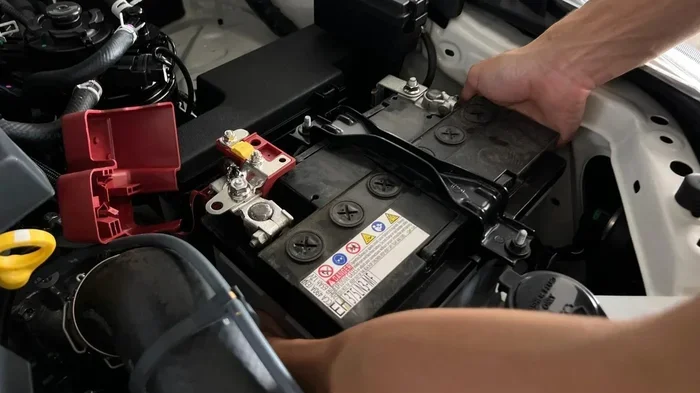
First, make sure your battery is fully charged. A weak battery can mimic starter symptoms. Use a multimeter to check the battery voltage. It should read 12.6 volts or higher. If the battery is good, move to the next step.
Turn the key to the start position. Check the voltage at the starter terminals. You should see at least 10.5 volts. If the voltage drops significantly, the starter is drawing too much power and may be failing.
Test 2: The Tap Test
This one is simple but effective. Have someone turn the key while you gently tap the starter motor with a wrench or hammer. If the starter kicks in after tapping, the internal brushes are likely worn. They need a little help to make contact with the commutator.
The tap test is a quick diagnostic trick that many mechanics use. It won’t work for every type of starter failure, but it’s a good first step.
Test 3: Check the Connections
Inspect the wiring going to the starter. Look for corrosion, loose connections, or frayed wires. Clean any corrosion with a wire brush and tighten all connections. Sometimes a simple fix like this solves the entire problem.
If you’re still unsure, consider getting a free diagnostic on your car. Many auto parts stores offer this service at no cost. It can confirm whether the starter is the issue or if something else is at play.
How to Fix a Bad Starter
Once you’ve confirmed the starter is the problem, you have a few options. You can replace it yourself, replace just the solenoid, or rebuild the existing unit. The right choice depends on your skill level and budget.
Option 1: Replace the Starter Motor
Full replacement is the most common fix. The cost of a starter motor replacement typically ranges from $200 to $600 for parts and labor. The exact price depends on your vehicle’s make and model. Some vehicles have starters that are easy to access. Others require removing other components first.
If you’re handy with tools, you can save on labor by doing it yourself. The process involves disconnecting the battery, removing the starter bolts, and unhooking the wiring. It usually takes about one to two hours for most vehicles.
Option 2: Replace the Starter Solenoid
If the solenoid is the only bad part, replacing just the solenoid can save you money. Solenoid replacement is simpler and often costs between $50 and $150. However, many mechanics recommend replacing the entire starter assembly because the solenoid and motor are integrated.
Option 3: Rebuild the Starter
Some local shops offer starter rebuilding services. They replace worn brushes, bearings, and the drive gear. This is usually the most affordable option, costing around $100 to $200. A rebuilt starter can work just as well as a new one, but the warranty may be shorter.
Option 4: Remanufactured Starter
A remanufactured starter is a factory-refurbished unit. It comes with a warranty and is more reliable than a random rebuild. Expect to pay $100 to $300 for a quality remanufactured starter. This is a great middle-ground option between new and rebuilt.
| Option | Cost Range | Difficulty | Best For |
|---|---|---|---|
| New Starter | $300-$600 | Moderate | Long-term reliability |
| Solenoid Replacement | $50-$150 | Easy | Solenoid-only failure |
| Rebuilt Starter | $100-$200 | Moderate | Budget-friendly fix |
| Remanufactured Starter | $100-$300 | Moderate | Warranty-backed quality |
Preventing Starter Problems Before They Start
You can’t prevent every starter failure, but you can take steps to extend its life. Regular maintenance and good habits make a big difference.
- Keep your battery healthy: A weak battery forces the starter to work harder. Replace your battery every 3 to 5 years.
- Check electrical connections regularly: Clean terminals and tighten loose wires. This ensures the starter gets full power.
- Avoid turning the key repeatedly: If the car doesn’t start, wait 10 seconds between attempts. Repeated cranking overheats the starter.
- Fix oil leaks promptly: Oil on the starter causes damage over time. Address leaks as soon as you notice them.
- Listen for early warning signs: Don’t ignore grinding or clicking sounds. Early intervention prevents bigger repairs.
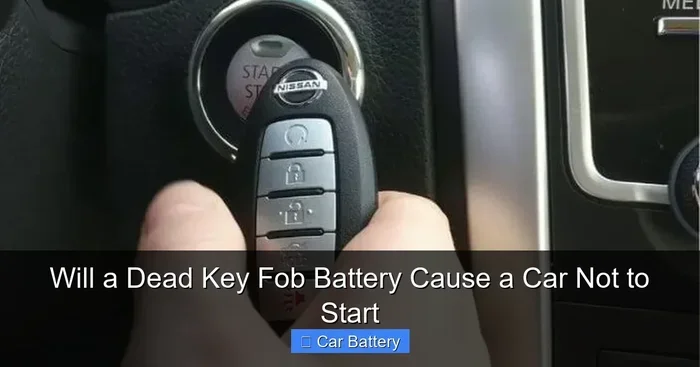
If you’ve ever tried to start a keyless car with a key and experienced starting issues, you know how stressful it can be. The same principles apply whether your car uses a traditional key or a push-button start. The starter motor works the same way in both systems.
Also, if you’ve noticed your car sometimes won’t start and sometimes it does, this mirrors the same kind of intermittent behavior that can happen with a worn-out key preventing a car from starting. Both problems share the common thread of an unreliable ignition or starting system component.
When in doubt, don’t hesitate to seek professional help. Many shops offer free diagnostics on your car that can pinpoint the exact cause of your starting problems. This saves you from guessing and spending money on the wrong repair.
When to Call a Professional
Some starter problems are simple enough to handle at home. Others require professional expertise. Here’s when you should call a mechanic.
- The starter is completely seized and won’t turn at all.
- You’ve tested the battery and connections, but the car still won’t start.
- You hear a loud grinding noise that doesn’t go away.
- Your vehicle has a complex starter setup that’s hard to access.
- You’ve tried the tap test and it didn’t work.
A professional mechanic has the tools and experience to diagnose starter problems accurately. They can also check related components like the ignition switch and starter relay to make sure nothing else is contributing to the problem.
Final Thoughts on Starter Motor Problems
A bad starter can turn your morning routine into a headache. But the good news is that you have the power to catch it early and fix it. By paying attention to the warning signs, you can avoid being stranded on the side of the road.
Remember the key symptoms: grinding noises, clicking sounds, slow cranking, and intermittent starting. These are your car’s way of telling you the starter needs attention. Don’t wait until it completely fails. Address the problem early and you’ll save money and hassle.
Whether you choose to replace the starter yourself or have a professional do it, the fix is straightforward and affordable. A new starter motor gets your car running like new again. Keep your electrical connections clean, maintain your battery, and listen to your car. It will tell you exactly what it needs.
Stay proactive about your vehicle’s starting system. A little attention goes a long way. You’ll spend less time worrying about starting problems and more time enjoying the drive.
Frequently Asked Questions
How do I know if it’s my starter or my battery?
Listen carefully to the sound your car makes when you turn the key. A dead battery usually produces silence or a single weak click. A bad starter often creates grinding, rapid clicking, or a whirring sound. You can also test your battery voltage with a multimeter. If the battery reads 12.6 volts or higher but the car still won’t start, the starter is likely the culprit.
Can a bad starter drain your battery?
Yes, a failing starter can draw excessive power from the battery. When the starter motor is worn out, it requires more current to engage. This extra draw can leave your battery weakened or completely dead. If you find yourself needing frequent jump starts, a bad starter could be the hidden cause.
How long does a starter motor last?
A starter motor typically lasts between 100,000 and 150,000 miles. However, this varies based on driving habits, climate, and vehicle maintenance. Frequent short trips and extreme temperatures can shorten the starter’s lifespan. Regular electrical system maintenance helps extend it.
Can I drive my car with a bad starter?
No, a bad starter means your car won’t start. You can’t drive it without a working starter. If your starter fails while driving, it’s extremely rare but possible. More commonly, the starter fails when you try to start the engine. In either case, you’ll need to repair or replace the starter before driving again.
Is it safe to tap a starter to get it working?
The tap test is a safe diagnostic method when done gently. Lightly tapping the starter with a wrench while someone turns the key can help if the internal brushes are stuck. However, this is only a temporary fix. If tapping works, it confirms the starter needs replacement. Don’t use excessive force, as this can damage surrounding components.
How much does it cost to replace a starter motor?
The average cost ranges from $200 to $600 for parts and labor combined. The exact price depends on your vehicle’s make, model, and year. Some vehicles have starters that are easy to access, reducing labor costs. Others require more disassembly, increasing the price. Getting multiple quotes from local mechanics helps you find the best deal.