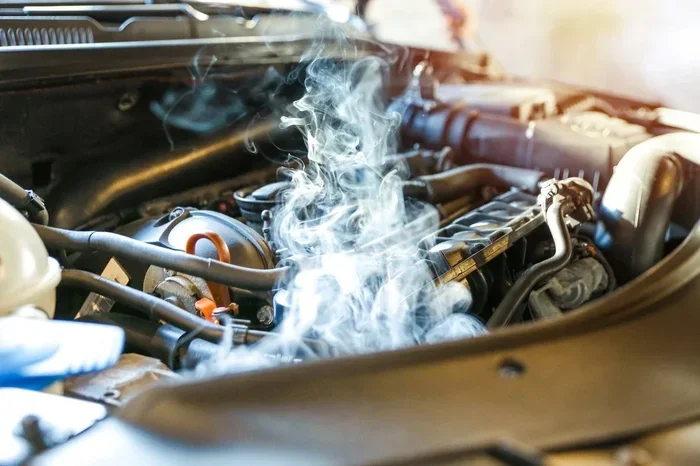
Can Low Oil Cause Overheating And Serious Engine Damage
Can low oil cause overheating? Yes, low oil levels can lead to serious engine damage and engine overheating. When your oil level drops too low, the engine loses lubrication, causing friction and heat buildup. This article explains the risks, symptoms, and prevention steps to keep your car running safely.
Your car’s engine is a complex machine that relies on many things to work properly. Oil is one of the most important. It lubricates moving parts, reduces friction, and helps control heat. But what happens when that oil level drops too low? Can low oil cause overheating? The answer is a definite yes. Low oil can lead to engine overheating and serious engine damage in a surprisingly short time.
Many drivers ignore the oil gauge until it’s too late. They assume a little low oil won’t matter much. That assumption can cost thousands in repairs. When oil levels fall below the minimum mark, the engine starts to suffer. Metal parts grind against each other without proper lubrication. Friction builds up fast. That friction creates heat. Without enough oil to absorb and carry that heat away, temperatures soar. This is how a simple low oil level turns into a major problem.
The good news is that preventing this is straightforward. Regular maintenance and quick checks can save you from a breakdown. In this guide, we’ll explore exactly how low oil causes overheating, what signs to watch for, and how to protect your engine. We’ll also cover what to do if you’re already dealing with an overheating car. Let’s dive in.
Key Takeaways
- Low oil causes overheating: Insufficient oil leads to increased friction and heat, which can cause your engine to overheat rapidly.
- Engine damage is a real risk: Running on low oil can warp bearings, seize pistons, and lead to costly repairs.
- Watch for warning signs: Oil pressure light, unusual noises, and high temperature gauge are key indicators.
- Prevention is simple: Regular oil changes and checking your oil level can prevent most overheating issues.
- Act quickly: If you suspect low oil, stop driving immediately to avoid catastrophic engine failure.
📑 Table of Contents
Can Low Oil Cause Overheating?
The short answer is yes. Oil is the lifeblood of your engine. It reduces friction between metal parts and carries heat away from critical areas. When the oil level drops, the engine loses its ability to manage heat effectively. The result is a rapid temperature increase that can warp components and seize moving parts.
Engine oil does more than just lubricate. It also plays a key role in heat management. As oil circulates through the engine, it picks up heat from hot spots like the pistons and cylinder walls. It carries that heat to the oil pan and oil cooler, where it dissipates. When the oil level is low, there’s simply not enough oil to absorb all that heat. Hot spots develop. Temperatures climb quickly.
Without enough oil, metal surfaces rub together directly. This creates intense friction. Friction generates heat. The oil normally acts as a buffer. When the buffer disappears, heat builds up fast. Think of it like running your hand quickly across a table. Now imagine doing that with no skin. The result is heat and damage. The same thing happens inside your engine. A low oil level means less buffer and more heat.
How Long Can You Drive On Low Oil?
This depends on several factors. The type of engine, the outside temperature, and how hard you’re driving all matter. In cool weather, you might get a few extra miles. But in hot conditions, the engine can overheat within minutes. Some modern cars have sensors that shut down the engine before major damage occurs. Others don’t. You should never push your luck. If the oil light comes on, pull over safely and turn off the engine.
Quick Tips: Checking Your Oil Level
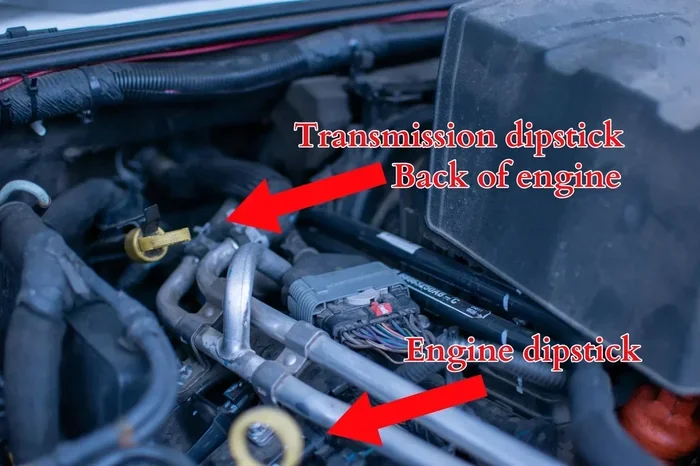
- Check oil when the engine is cool and the car is on level ground.
- Use the dipstick and wipe it clean before reinserting.
- Look for the level between the minimum and maximum marks.
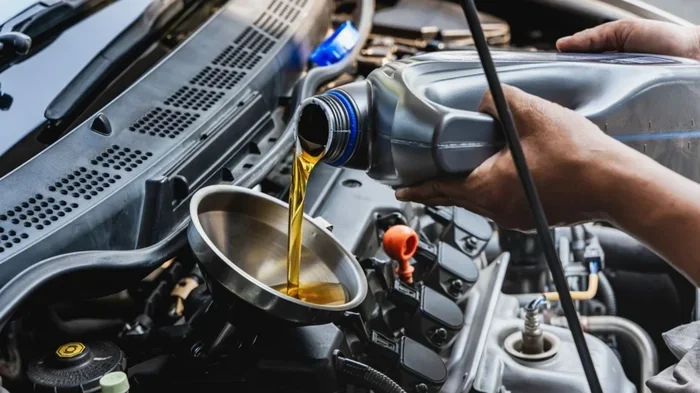
- Add the correct oil type specified in your owner’s manual.
Warning Signs That Your Oil Level Is Too Low
It’s important to catch low oil before it causes overheating. Your car gives you several warning signs. Recognizing them early can save you from a breakdown.
The Oil Pressure Warning Light
This is the most obvious sign. The oil pressure light on your dashboard looks like an oil can. If it turns on, your oil pressure is too low. This often means the oil level is dangerously low. Don’t ignore it. Pull over and check the dipstick. Continuing to drive with this light on is one of the fastest ways to destroy an engine.
Unusual Engine Noises
Engine oil keeps parts moving smoothly. When oil is low, you might hear knocking or ticking sounds. These noises come from metal parts hitting each other without enough lubrication. If you hear new or louder noises, check your oil immediately. A persistent ticking that gets louder with acceleration is a classic sign of low oil pressure.
High Temperature Gauge Readings
Your temperature gauge shows how hot the engine is. If it starts climbing into the red zone, low oil could be the cause. The oil isn’t removing heat fast enough. The engine is overheating. This is a serious situation. Turn off the air conditioner and pull over safely. Continuing to drive with an overheating car can cause a blown head gasket or warped cylinder head.
Burning Oil Smell
A smell of burning oil inside the car can mean an oil leak or low oil level. Oil dripping onto hot engine parts produces a distinct odor. If you notice this smell, check your oil level and look for leaks under the car. A small leak can drain your oil slowly over days or weeks.
Common Mistakes: Ignoring Early Warning Signs
Many drivers see the oil pressure light and think they can make it to the next gas station. That’s a dangerous mistake. Others notice a slight ticking noise but assume it’s normal. The truth is that engines are very forgiving of short term neglect but unforgiving of long term abuse. Ignoring early signs is the most common error that leads to catastrophic engine failure.
The Serious Engine Damage Caused By Low Oil
Driving with low oil can cause irreversible damage. The longer you drive, the worse it gets. Understanding what can happen helps you take this warning seriously.
Warped Bearings And Scored Cylinders
Engine bearings are delicate. They need a constant film of oil to float on. When oil is low, bearings grind against the crankshaft. This can warp them. Scored cylinders happen when piston rings scrape the cylinder walls without enough oil. Both repairs are expensive and often require a full engine rebuild. The cost can easily exceed several thousand dollars.
Seized Engine
In extreme cases, low oil causes the engine to seize. The pistons weld themselves to the cylinder walls due to extreme heat and friction. A seized engine means the car won’t start. Repair costs can exceed the value of the vehicle. This is why can low oil cause overheating is such an important question to answer quickly.
Blown Head Gasket
Low oil leads to overheating. Overheating can warp the cylinder head. A warped head often causes a blown head gasket. Coolant can leak into the oil passages, and oil can leak into the coolant. This creates a messy and expensive repair. A head gasket replacement can cost over a thousand dollars. It also means your car will likely overheat again if the gasket is not replaced properly.
| Damage Type | Typical Symptoms | Estimated Repair Cost |
|---|---|---|
| Warped Bearings | Knocking noise, low oil pressure | $1,500 – $3,000 |
| Scored Cylinders | Blue smoke, loss of power | $2,000 – $4,000 |
| Seized Engine | Car won’t start, grinding noise | $3,000 – $5,000+ |
| Blown Head Gasket | Overheating, white smoke, milky oil | $1,000 – $2,000 |
Expert Insight: Why Mechanics Stress Oil Changes
Experienced mechanics often say that oil is the cheapest insurance you can buy for your engine. A regular oil change costs between $50 and $100. An engine rebuild can cost $4,000 or more. The math is simple. Changing your oil on time and keeping the level correct is the single most effective way to prevent overheating and extend engine life. Many shops offer a free diagnostic on your car if you suspect oil related issues. Take advantage of that.
Can Low Oil Cause Overheating In Hot Weather?
Hot weather puts extra stress on your engine. The ambient temperature is already high. Your cooling system works harder to maintain normal temperatures. When you add low oil into the mix, the problem multiplies.
Why Hot Weather Makes It Worse
In hot weather, the oil itself can thin out if it’s old or the wrong viscosity. Thin oil doesn’t lubricate as well. It also absorbs heat less effectively. The engine already struggles to stay cool in the summer. Low oil on a hot day can push the engine over the edge. If you’ve ever asked can a car overheat on a hot day, you know the answer is yes. Low oil makes that risk even greater.
Electric Cars And Overheating
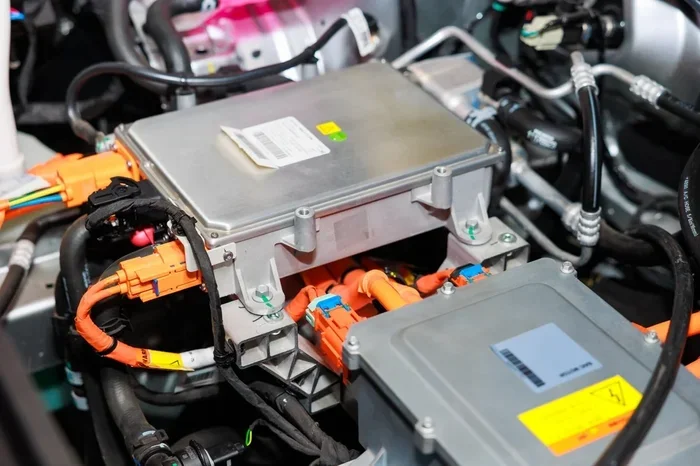
You might wonder about electric vehicles. Do they suffer from low oil? Can an electric car overheat? Yes, but not from oil. Electric cars don’t have traditional engines that use oil for cooling. They rely on coolant systems and battery thermal management. However, if you drive a hybrid, it has both an electric motor and a gas engine. The gas engine still needs oil. So hybrids can absolutely suffer from low oil overheating. Always check the oil in your hybrid, especially in summer.
How To Prevent Low Oil And Overheating
Prevention is always better than repair. Here are simple steps to keep your oil at the right level and your engine cool.
Check Your Oil Level Regularly
Make it a habit to check your oil at least once a month. Use the dipstick when the engine is cool and the car is on level ground. If the level is between the minimum and maximum marks, you’re good. If it’s near or below the minimum, add the correct type of oil. Keep a quart of the right oil in your trunk for emergencies.
Stick To Your Oil Change Schedule
Old oil breaks down and loses its ability to lubricate and cool. Follow the manufacturer’s recommended oil change interval. For many cars, this is every 5,000 to 7,500 miles. If you drive in severe conditions like stop-and-go traffic or extreme heat, you may need to change it more often. Check your owner’s manual for the severe service schedule.
Use The Right Oil Viscosity
Oil comes in different weights, like 5W-30 or 10W-40. The right viscosity for your engine is listed in the owner’s manual. Using the wrong oil can lead to poor lubrication and increased heat. Always use the type recommended by the manufacturer. Don’t assume a heavier oil is better. It can actually reduce fuel efficiency and increase stress on the oil pump.
Watch For Oil Leaks
Oil leaks are a common cause of low oil. Check under your car for dark puddles. Look around the oil pan, oil filter, and valve cover gaskets. If you notice a leak, have it repaired quickly. Even a small leak can drain your oil over time. A slow drip can leave you with a low oil level before you even notice.
Keep Your Cooling System In Good Shape
The cooling system works together with the oil to manage engine heat. Make sure your coolant level is correct. Check hoses for cracks or leaks. A well-maintained cooling system reduces the strain on your oil. Flush your coolant according to the manufacturer’s schedule to prevent buildup and corrosion.
What To Do If Your Car Is Already Overheating
If you see the temperature gauge climbing while driving, act fast. Safety comes first.
Step By Step Response
- Turn off the air conditioner immediately. This reduces the load on the engine.
- Turn the heater to full blast. This helps pull heat away from the engine.
- If the temperature doesn’t drop, pull over safely as soon as possible.
- Turn off the engine and wait at least 15 minutes before opening the hood.
- Never open the radiator cap when the engine is hot. You could be burned by hot coolant or steam.
Checking The Oil After Cooling Down
Once the engine is cool, check the oil level with the dipstick. If it’s low, add oil slowly. Do not overfill. If the oil looks dark or gritty, you may need a full oil change. If the engine has been running low for a while, even adding oil might not reverse the damage. Listen for any unusual noises after restarting.
When To Call A Mechanic
If your car overheated and you’re not sure why, get a professional inspection. Many auto parts stores offer a free diagnostic check. A technician can read error codes and check your oil pressure. This is a smart first step before committing to expensive repairs. They can also check for hidden leaks or a failing water pump.
Key Takeaways For Protecting Your Engine
Keeping your oil at the right level is one of the easiest ways to protect your engine. Overheating caused by low oil is entirely preventable with regular maintenance. Don’t ignore warning lights or strange noises. Address low oil immediately. Your engine will thank you with years of reliable service. Keep your oil at the right level, and your car will stay cool and running strong.
The bottom line is simple. Can low oil cause overheating? Yes, and the damage can be severe. But with a little attention and regular care, you can avoid the worst outcomes. Check your oil, change it on time, and listen to your car. It will tell you what it needs.
Frequently Asked Questions
How Long Can An Engine Run Without Oil?
An engine can run without oil for only a few minutes before sustaining severe damage. Most engines will seize within 30 minutes of running completely dry. Even a few minutes of low oil can cause scoring and bearing failure. Always keep your oil at the proper level.
Can Low Oil Cause A Car To Shut Down?
Yes, many modern cars have safety features that shut down the engine when oil pressure drops too low. This is designed to prevent catastrophic damage. If your car stalls unexpectedly, check the oil level first. It could be a simple low oil issue.
Does Synthetic Oil Help Prevent Overheating?
Synthetic oil generally handles heat better than conventional oil. It maintains its viscosity longer and resists breakdown at high temperatures. While it won’t fix a critically low oil level, it can provide better protection in hot weather and heavy use.
How Much Does It Cost To Fix Engine Damage From Low Oil?
Repair costs vary widely. A simple oil change might cost $50 to $100. But if low oil caused a seized engine, the cost can be $3,000 or more for a rebuild. A blown head gasket repair often runs over $1,000. Early detection saves money.
Can I Just Add Oil Instead Of Changing It?
If your oil level is low but the oil is still clean, you can top it off. However, if the oil is dark, gritty, or past its change interval, a full change is better. Old oil loses its protective properties. Adding new oil on top of old oil is only a temporary fix.
Is It Safe To Drive With The Oil Light On?
No. The oil light means your oil pressure is dangerously low. Driving with it on risks immediate engine damage. Pull over safely, turn off the engine, and check the oil level. If you’re unsure, call for roadside assistance.