What Are the Disadvantages of Traction Control System
While traction control keeps your car stable on slippery roads, it comes with several hidden drawbacks that affect performance, fuel costs, tire wear, and off-road capability. This article breaks down every real disadvantage of traction control system so you can make informed decisions about when to use it and when to turn it off.
Most modern cars come with traction control as a standard safety feature. It helps you maintain grip when the road gets slippery. But here is the thing many people don’t talk about. The disadvantages of traction control system can affect your driving experience in ways you might not expect. From reduced acceleration to higher maintenance costs, there are real downsides to this technology that every driver should know about.
In this article, we will explore every disadvantage of traction control in detail. You will learn how it affects your fuel economy, tire health, and off-road performance. We will also look at when it helps and when it actually makes things worse. By the end, you will have a clear picture of whether this system works for your driving style or against it.
Key Takeaways
- Reduced Acceleration: Traction control can slow down your vehicle’s acceleration by limiting wheel spin, which frustrates performance drivers.
- Increased Tire Wear: The system’s constant intervention can cause uneven tire wear over time, leading to higher replacement costs.
- Lower Fuel Economy: When traction control activates frequently, it can reduce your miles per gallon by interfering with throttle response.
- Off-Road Limitations: Traction control often works against you when driving on dirt, mud, snow, or rocky terrain where wheel spin is needed.
- False Sense of Security: Some drivers rely too heavily on the system and forget to develop safe driving habits for icy or wet conditions.
- Sensor and System Failures: Like any electronic system, traction control sensors can fail, causing warning lights and unpredictable behavior.
- Not a Replacement for Safe Driving: Traction control is a helper, not a substitute for proper tire maintenance and defensive driving skills.
📑 Table of Contents
What Is a Traction Control System?
Before we dive into the negatives, let us quickly understand what traction control does. The traction control system is an electronic safety feature found in most modern vehicles. It monitors the speed of your drive wheels using sensors. When it detects that one or more wheels are spinning faster than the others, it steps in to reduce engine power or apply the brakes. This helps prevent wheel slip and keeps your car moving in the intended direction.
The system works closely with other safety features like the anti-lock braking system and electronic stability control. Together, these technologies help you maintain vehicle stability on wet, icy, or uneven road surfaces. But just because a feature is helpful does not mean it is perfect. Every system has trade-offs, and traction control is no exception.
How Traction Control Interacts with Other Safety Systems
Your traction control system does not work alone. It talks to the anti-lock braking system and the electronic stability control module. When one system activates, the others often respond too. This interconnected network of sensors and modules creates a safety net. But it also means that a problem in one area can affect the entire system. For example, a faulty wheel speed sensor can trigger the traction control warning light and cause the whole system to behave unpredictably.
Understanding these connections helps you see why the disadvantages of traction control system go beyond just the system itself. When it interferes with other components, the effects multiply.
How Does Traction Control Work?
The traction control system uses wheel speed sensors to track how fast each wheel is spinning. These sensors send data to the car’s onboard computer. If the computer notices that a drive wheel is spinning much faster than the others, it takes action. It may reduce engine power, limit throttle input, or apply the brakes to the slipping wheel. All of this happens in milliseconds, often before you even notice the slip.
On paper, this sounds great. In real-world driving, though, the system’s response can sometimes feel intrusive. It can cut your engine power at the worst possible moment. It can also create a false sense of confidence that leads drivers to take unnecessary risks on dangerous road surfaces.
The Role of the Throttle Body and Engine Control Module
When traction control activates, it often communicates with the throttle body to reduce the amount of air and fuel entering the engine. The engine control module processes the information from the wheel speed sensors and decides how much power to cut. This is why you might feel a sudden loss of acceleration when the system kicks in. The car essentially tells the engine to back off, which can feel frustrating if you are trying to merge onto a highway or climb a steep hill.
The Main Disadvantages of Traction Control
Now let us get into the heart of the matter. The disadvantages of traction control system are real and they affect everyday drivers in practical ways. Here is a detailed look at each one.
Reduced Acceleration and Performance
This is the most obvious disadvantage of traction control system. When the system activates, it limits wheel spin to maintain grip. But limiting wheel spin also means limiting acceleration. If you are driving a rear-wheel drive sports car or a powerful truck, this can feel incredibly annoying. You press the gas pedal and expect a burst of speed, but the system holds you back.
Performance enthusiasts often complain about this issue. When you are trying to launch the car quickly or pass another vehicle on a two-lane road, traction control can feel like a handbrake on your engine. The system prioritizes stability over speed, which is great for safety but frustrating for drivers who want full control of their vehicle’s power.
In some cases, drivers report a noticeable lag between pressing the accelerator and feeling the response. This delay happens because the system is constantly monitoring wheel slip and adjusting throttle input. While the delay is usually small, it can be enough to matter in situations that require quick acceleration.
Increased Tire Wear
Here is a disadvantage that many drivers overlook. Traction control can actually increase tire wear over time. How does this happen? When the system activates frequently, it applies brakes to individual wheels and reduces engine power in short bursts. These small, repeated interventions put extra stress on your tires. The constant braking and releasing creates uneven friction patterns across the tread surface.
Over months of driving, this uneven wear can shorten the life of your tires significantly. Replacing tires is expensive, and frequent traction control activation only adds to the cost. Drivers who live in areas with frequent rain, ice, or loose gravel often experience this problem more than others. The system activates more often in these conditions, which means more stress on the tires and more money spent on replacements.
Some drivers also notice that their tires wear more on one side than the other. This happens when the traction control system applies brakes to specific wheels more frequently than others. The result is an uneven tread pattern that reduces the overall lifespan of the tire set.
Lower Fuel Economy
Did you know that traction control can hurt your fuel economy? It is true. When the system constantly intervenes, it disrupts the smooth delivery of power from the engine to the wheels. Every time it cuts engine power or applies brakes, it wastes energy. Over time, these small interruptions add up and reduce your miles per gallon.
Drivers who spend a lot of time on slippery roads or gravel surfaces may notice a more significant drop in fuel efficiency. The traction control system stays active more often in these conditions, which means more frequent interventions and more wasted fuel. If you are trying to save money at the pump, the disadvantages of traction control system in this area can be surprisingly costly.
Studies have shown that electronic stability and traction control systems can reduce fuel economy by one to three percent in certain driving conditions. While this might not sound like much, it adds up over thousands of miles of driving. For fleet operators and daily commuters, this difference can translate into hundreds of dollars per year in extra fuel costs.
Limitations in Off-Road and Low-Traction Environments
One of the biggest disadvantages of traction control system shows up when you venture off the paved road. If you enjoy off-roading, driving on dirt trails, or navigating muddy terrain, traction control can actually work against you. The system is designed for paved roads and normal driving conditions. When you are on loose surfaces like sand, mud, or gravel, wheel spin is actually helpful. It helps your tires dig in and find grip.
But traction control fights wheel spin. It interprets any spinning wheel as a loss of control and immediately steps in to stop it. On a muddy trail, this can cause your car to get stuck. The system keeps cutting power just when you need the wheels to spin and find traction in the loose surface. Many off-road enthusiasts learn to turn off traction control early in their journey for exactly this reason.
Even in snow driving, traction control can sometimes make things worse. On deep snow, a little wheel spin helps the tires create a pocket of space in the snow, allowing the tire to grip the road beneath. When traction control stops the spin, the tires just slide on top of the snow without finding any purchase. This is why experienced winter drivers often disable the system when conditions demand it.
False Sense of Security
This is a psychological disadvantage that is just as real as the mechanical ones. When drivers have traction control, they often feel more confident than they should be. They might take corners too fast, follow too closely, or drive too aggressively on slippery roads. The system creates a safety net that makes drivers feel invincible.
The truth is that traction control cannot do the impossible. If you are driving too fast for the conditions, no electronic system can save you. The system can only help with mild slips and gradual loss of grip. It cannot overcome the laws of physics. When a driver relies too heavily on the traction control system and ignores safe driving practices, the result can be a serious accident.
Driving schools and safety experts often warn about this exact problem. They teach new drivers that traction control is a helper, not a replacement for careful driving. The disadvantages of traction control system in this area are subtle but dangerous. They can lead to overconfidence and poor decision-making on the road.
Sensor Failures and System Malfunctions
Like any electronic system in your car, traction control depends on sensors to work properly. When those sensors fail or get dirty, the system can behave erratically. A faulty wheel speed sensor is one of the most common causes of traction control problems. When the sensor sends incorrect data, the system may activate when it is not needed or fail to activate when you really need it.
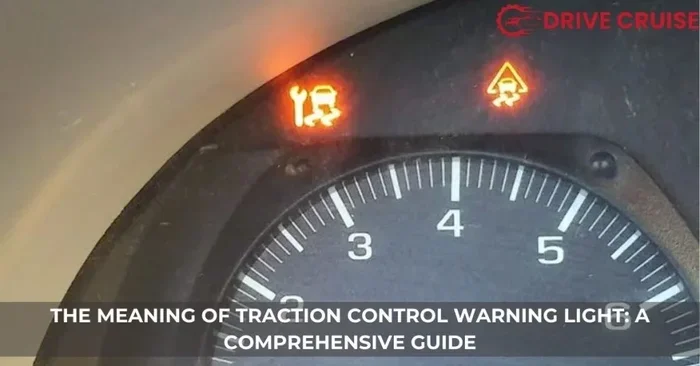
Drivers often see the traction control warning light on their dashboard when a sensor fails. This light can be confusing because it does not always clearly explain what is wrong. Some people assume the entire system is broken, while others ignore it entirely. Neither reaction is ideal. A malfunctioning traction control system leaves you without the safety benefits you expect and without the warning you need to seek repairs.
In rare cases, a bad traction control module can cause intermittent problems. The system might work fine for a few days and then suddenly stop working. These unpredictable failures can be difficult to diagnose and expensive to repair. The cost of replacing a traction control module or a set of wheel speed sensors can range from $100 to $500 or more, depending on your vehicle.
Interference with Vehicle Recovery and Towing
If you ever need to tow your car or be towed, the traction control system can create complications. When a vehicle is being towed with the wheels on the ground, the sensors detect unusual wheel speeds. This can trigger the traction control system and the anti-lock braking system, potentially causing damage to the drivetrain. Many vehicle owners manuals warn about this specific issue, but it is not widely known.
Similarly, when you are trying to free a stuck vehicle, traction control can interfere with your efforts. The system tries to prevent wheel spin, which is exactly what you need when rocking a car out of mud or sand. This is another situation where the disadvantages of traction control system become very practical and very frustrating.
When Traction Control Becomes a Liability
There are specific situations where the disadvantages of traction control system outweigh the benefits. Understanding these scenarios can help you make better decisions about when to keep the system on and when to turn it off.
Driving on Ice and Packed Snow
On ice, traction control can sometimes make things worse. The system tries to prevent wheel slip by cutting power, but on ice, you actually need a small amount of wheel spin to build momentum. When the system keeps stopping the wheels from spinning, your car may not be able to move forward at all. This is especially common with front-wheel drive vehicles on icy hills.
Driving Through Deep Water or Mud
Deep water and mud are two more environments where traction control becomes a liability. In water, the system cannot distinguish between a spinning wheel and a wheel that is simply moving through water. In mud, it keeps cutting power when you need the wheels to spin to find grip. In both cases, turning off the system gives you a better chance of getting through safely.
High-Performance and Track Driving
If you enjoy spirited driving or track days, traction control can be a major hindrance. Performance driving often requires precise control over wheel spin and throttle application. The system’s automatic interventions can disrupt your driving line and slow your lap times. Many track enthusiasts and professional drivers disable traction control entirely when pushing their vehicles to the limit.
Common Myths About Traction Control
There are several myths about traction control that make the disadvantages of traction control system seem worse than they are. Let us clear up a few of these misconceptions.
Myth One: Traction control makes your car safer in all conditions. This is not true. While the system helps on paved roads, it can hurt you on loose surfaces, deep snow, and off-road terrain. The system is designed for specific conditions and does not work equally well in all situations.
Myth Two: You never need to turn off traction control. Wrong again. There are many situations where turning off the system gives you better control. Off-roading, stuck-in-snow recovery, and performance driving all benefit from having the system disabled.
Myth Three: Traction control replaces good tires. No electronic system can replace proper tires. If your tires are worn out or the wrong type for the season, traction control cannot compensate. Good tires remain the single most important factor in road grip and safety.
Should You Turn Off Traction Control?
The answer depends on your driving situation. For everyday driving on paved roads in normal weather conditions, keep the system on. It provides valuable stability and safety benefits that can prevent accidents. However, there are clear situations where turning off traction control makes sense.
When you are off-roading, driving through deep snow, or trying to free a stuck vehicle, turn the system off. When you are on a track or driving spiritedly on open roads, consider disabling it. The key is knowing when the system helps and when it gets in the way.
Most vehicles have a simple button to turn off traction control. Look for a button with a car icon and wavy lines beneath it. When you press it, the traction control warning light on your dashboard should illuminate, confirming the system is off. Remember to turn it back on when you return to normal driving conditions.
Quick Tips for Managing Traction Control
- Always check your owner’s manual for specific instructions on disabling traction control in your vehicle.
- Turn the system back on when you return to paved roads and normal driving conditions.
- Keep your wheel speed sensors clean and free of debris to prevent false activations.
- If the traction control warning light stays on, have the system diagnosed by a qualified mechanic promptly.
- Invest in quality tires that match your driving conditions. No electronic system can replace good rubber.
- Practice driving with and without traction control in safe, controlled environments to understand how the system affects your vehicle.
Expert Insights on Traction Control Limitations
Automotive engineers and driving safety experts agree that traction control is a valuable tool with clear limitations. According to many experts, the system works best as a backup safety feature, not a primary driving aid. It should complement your driving skills, not replace them.
Experts also emphasize that the disadvantages of traction control system are manageable. Most problems arise from driver overreliance on the technology rather than from the technology itself. When drivers understand what the system can and cannot do, they can use it more effectively and avoid the common pitfalls.
Driving instructors often teach students to be aware of when traction control is intervening. This awareness helps drivers develop better instincts for road conditions and vehicle behavior. Over time, experienced drivers learn to anticipate when the system will activate and adjust their driving accordingly.
Key Takeaways
- Reduced Acceleration: The traction control system limits wheel spin, which can slow down your vehicle when you need quick acceleration the most.
- Increased Tire Wear: Frequent system activations cause uneven brake application and extra friction, leading to premature tire wear.
- Lower Fuel Economy: Constant interventions disrupt smooth power delivery and waste fuel over time.
- Off-Road Limitations: The system fights wheel spin, which is essential for navigating mud, sand, snow, and rocky terrain.
- False Sense of Security: Overreliance on traction control can lead to risky driving habits and reduced awareness of road conditions.
- System Failures: Faulty sensors and modules can cause unpredictable behavior and expensive repairs.
- Not a Replacement for Safe Driving: Traction control is a helper tool that works best when combined with good driving practices and proper tires.
Conclusion
The disadvantages of traction control system are real, but they are also manageable. This technology is not perfect, and it is not meant to be. It is a safety aid designed to help in specific situations. When you understand its limitations, you can use it wisely and avoid the problems it creates.
Reduced acceleration, increased tire wear, lower fuel economy, off-road limitations, false security, and potential system failures are all legitimate concerns. But none of these disadvantages should scare you away from using traction control entirely. The key is balance. Keep the system on when it helps you, and turn it off when it gets in your way.
The best drivers understand their vehicles and the technology inside them. They know when to trust the system and when to rely on their own skills. By learning about the disadvantages of traction control, you are already ahead of most drivers. Use this knowledge to drive smarter, safer, and more confidently on every road you travel.
Take a few minutes today to locate the traction control button in your vehicle. Read your owner’s manual section on the system. Understand what it does and what it cannot do. This small effort can make a big difference in how you drive and how safe you are on the road.
Frequently Asked Questions
Can I drive with the traction control light on?
You can drive short distances with the traction control warning light on, but you should get the system checked as soon as possible. The light usually indicates a sensor failure or module problem. Without a working traction control system, you lose the stability benefits it provides, especially on slippery roads.
Does turning off traction control save fuel?
Turning off traction control can slightly improve fuel economy because the system stops interfering with throttle input. However, the savings are usually small, around one to two percent. You should only turn it off when you genuinely need to, such as during off-road driving or when freeing a stuck vehicle.
Can a bad traction control system cause the check engine light to come on?
Yes, a faulty traction control module or a bad wheel speed sensor can trigger the check engine light. The systems are interconnected through the onboard diagnostic network. If the traction control system detects a problem, it often reports it to the engine control module, which then illuminates the check engine light.
Is it safe to drive without traction control in the rain?
Driving without traction control in the rain is generally safe if you drive carefully and at appropriate speeds. However, the system provides valuable help on wet roads, and disabling it removes a layer of protection. If you must turn it off, reduce your speed, increase your following distance, and avoid sudden movements.
How much does it cost to repair a traction control system?
Repair costs vary widely depending on the problem. A wheel speed sensor replacement typically costs between $100 and $250. A traction control module repair can range from $200 to $500. Labor costs depend on your location and vehicle model. Always get a professional diagnosis before committing to repairs.
Do all-wheel drive vehicles need traction control?
Yes, even all-wheel drive vehicles benefit from traction control. While AWD distributes power to all four wheels, it does not prevent wheel slip on individual tires. Traction control works alongside AWD to manage power delivery and maintain stability. The two systems complement each other rather than replacing one another.
=== SEO Title ===
What Are the Disadvantages of Traction Control System
=== META TITLE ===
Disadvantages of Traction Control System: What You Need to Know
=== URL SLUG ===
/disadvantages-of-traction-control-system
=== META DESCRIPTION ===
Discover the real disadvantages of traction control system that most drivers don’t know about. Learn when it hurts performance, fuel economy, and safety.