How Much Does a Jeep Wrangler Weigh and Why It Matters
The Jeep Wrangler weight varies by model, trim, and year, typically ranging from about 3,900 to 4,900 pounds. Understanding your vehicle’s curb weight helps you make smarter decisions about towing, payload, and fuel economy. Whether you own a Sport, Sahara, Rubicon, or 4xe hybrid, knowing the numbers keeps you safe and gets the most out of your ride.
The Jeep Wrangler weight is one of the most talked-about specs among owners and buyers. It shapes how the truck drives, how much it can tow, and even how much fuel it burns. If you are shopping for a Wrangler or already own one, understanding the numbers behind the weight gives you a real advantage.
Every trim level, every engine option, and every add-on package changes the final number on the scale. A base Sport two-door model weighs far less than a fully loaded Rubicon 4xe plug-in hybrid. And those differences matter more than most people realize. Vehicle weight affects handling, braking, acceleration, and long-term durability.
In this guide, we break down the Jeep Wrangler weight by model, trim, and generation. We also explain why it matters for your daily driving, off-road adventures, and wallet. By the end, you will know exactly what your Wrangler weighs and how to get the best performance out of it.
Key Takeaways
- Weight varies by trim: A base Sport weighs less than a Rubicon or 4xe hybrid model.
- Curb weight affects everything: From fuel economy to towing capacity and braking distance.
- Payload matters most: Overloading your Wrangler can damage the suspension and reduce safety.
- Four-wheel drive adds weight: The 4×4 system adds roughly 100-200 pounds compared to two-wheel drive.
- Weight distribution is key: Proper loading keeps your Wrangler stable on and off the trail.
- Newer models are heavier: Modern safety features and tech add pounds compared to older generations.
📑 Table of Contents
- How Much Does a Jeep Wrangler Weigh?
- Weight Breakdown by Model and Trim
- Why Jeep Wrangler Weight Matters for Performance
- Towing and Payload: What Your Wrangler Can Carry
- How Weight Affects Fuel Economy and Long-Term Costs
- Jeep Wrangler Weight in the Real World
- Tips for Managing Your Jeep Wrangler Weight
- Conclusion
How Much Does a Jeep Wrangler Weigh?
The curb weight of a Jeep Wrangler depends on several factors. Curb weight means the weight of the vehicle with a full tank of fuel and all standard equipment, but no passengers or cargo. This is the number you see on the manufacturer’s spec sheet.
Most modern Jeep Wranglers fall between 3,900 and 4,900 pounds. That range might seem wide, and it is. The difference comes down to the trim level, the engine type, and whether you choose a two-door or four-door body style. Vehicle weight also increases when you add aftermarket parts like bumpers, roll cages, or larger tires.
Here is a quick look at the approximate curb weights for recent Wrangler models:
- Sport (two-door): Around 3,900 to 4,100 pounds
- Sahara (two-door): Around 4,200 to 4,400 pounds
- Rubicon (two-door): Around 4,400 to 4,600 pounds
- Sport (four-door Unlimited): Around 4,200 to 4,500 pounds
- Rubicon 4xe (plug-in hybrid): Around 4,800 to 4,900 pounds
These numbers are estimates based on recent model years. Always check your specific year and trim for the exact figure. The Jeep Wrangler weight has gradually increased over the years as manufacturers added safety features, infotainment systems, and stronger structural components.
Why Do the Numbers Vary So Much?
Several factors drive the differences in vehicle curb weight. The engine is a big one. A standard 3.6-liter V6 weighs less than the hybrid powertrain in the 4xe model. The four-door Unlimited body style adds length and structural support, which adds pounds. Even the wheels and tires you choose can shift the number by 50 pounds or more.
Off-road accessories also play a role. Steel bumpers, rock rails, and spare tire mounts all add weight. This is important to keep in mind if you plan to modify your Wrangler heavily. The more you add, the further you move from the factory vehicle specifications.
Weight Breakdown by Model and Trim
Not all Wranglers are created equal when it comes to the scale. Each trim level targets a different kind of buyer, and the weight reflects that. Let us look at how the main trims compare.
Sport and Sahara Trims
The Sport trim is the entry-level Wrangler. It comes with the essentials and keeps the curb weight as low as possible. This makes it a great choice for buyers who want a lightweight, nimble compact SUV that can still go off-road.
The Sahara trim adds more comfort features. Heated seats, better sound insulation, and upgraded wheels all contribute to a heavier vehicle. The Sahara weight typically runs a few hundred pounds more than the Sport. That extra weight does not hurt much in daily driving, but it can affect fuel economy slightly.
Rubicon and 4xe Hybrid Variants
The Rubicon is the off-road beast of the Wrangler lineup. It comes with locking differentials, heavy-duty axles, and skid plates. All of that hardware adds to the Jeep Wrangler weight. The Rubicon is one of the heavier trims in the lineup.
The 4xe plug-in hybrid takes weight to another level. The battery pack and electric motor add roughly 200 to 300 pounds compared to the gas-only version. This makes the 4xe model one of the heaviest Wranglers you can buy. But the trade-off is serious off-road capability and impressive electric-only range for short trips.
| Model | Body Style | Approximate Curb Weight |
|---|---|---|
| Sport | Two-Door | 3,900 – 4,100 lbs |
| Sahara | Two-Door | 4,200 – 4,400 lbs |
| Rubicon | Two-Door | 4,400 – 4,600 lbs |
| Sport | Four-Door Unlimited | 4,200 – 4,500 lbs |
| Rubicon 4xe | Four-Door Unlimited | 4,800 – 4,900 lbs |
Why Jeep Wrangler Weight Matters for Performance
The Jeep Wrangler weight is not just a number on a spec sheet. It directly affects how the vehicle performs in real-world situations. Whether you are cruising on the highway or crawling over rocks, weight plays a role.
Think of it this way. A lighter vehicle accelerates faster, brakes shorter, and uses less fuel. A heavier vehicle has more momentum, which helps on the trail but hurts on the pavement. The key is finding the right balance for how you use your Wrangler.
Impact on Fuel Economy
Heavier vehicles need more energy to move. This is basic physics. A lighter Wrangler Sport will get better fuel economy than a heavy Rubicon 4xe. The difference can be noticeable at the pump.
Here are some rough estimates for combined fuel economy:
- Sport two-door (V6): Around 22-24 mpg
- Sahara two-door (V6): Around 21-23 mpg
- Rubicon (V6): Around 20-22 mpg
- Rubicon 4xe (hybrid): Around 49 mpg-e (electric) and 20-22 mpg (gas)
The 4xe hybrid is a special case. When running on electric power alone, it uses zero gas. But when the battery is depleted, the extra weight means the gas engine works harder, which can lower fuel economy compared to a lighter gas-only model.
Effect on Handling and Braking
Weight affects how a vehicle handles. A heavier Wrangler takes longer to stop and may feel less agile in tight turns. This is especially true when you are loaded down with gear or passengers.
For off-road use, extra weight can actually help. More weight means more traction on loose surfaces like sand or mud. But on the highway, it means more strain on the brakes and suspension components. This is why staying within the recommended vehicle gross weight is so important.
When you are considering modifications that add significant weight, it is worth thinking about how they affect your daily driving. For example, adding heavy steel bumpers can make the front end feel sluggish. If you are concerned about weight affecting your ride quality, you might also consider 20 percent window tint to help manage cabin heat without adding any pounds at all.
Towing and Payload: What Your Wrangler Can Carry
The payload capacity of a Jeep Wrangler is the maximum weight it can safely carry in passengers and cargo combined. Towing capacity is the maximum weight it can pull behind it. Both numbers are directly tied to the vehicle’s base weight.
A heavier Wrangler starts with a higher base weight, which can reduce the remaining capacity for payload and towing. This is a key concept that many buyers overlook. The gross vehicle weight rating (GVWR) is the absolute maximum weight the vehicle can be, including itself, passengers, cargo, and trailer tongue weight.
Gross Vehicle Weight Rating Explained
The GVWR for most Jeep Wranglers falls between 5,000 and 5,700 pounds, depending on the model. To find your specific number, check the sticker on the driver’s door jamb. This sticker lists the GVWR, curb weight, and maximum payload.
Here is a simple way to think about it:
- GVWR = Maximum total weight of the vehicle
- Curb weight = Weight of the empty vehicle
- Payload = GVWR minus curb weight (passengers + cargo)
If your Wrangler has a curb weight of 4,400 pounds and a GVWR of 5,500 pounds, your payload capacity is 1,100 pounds. That includes you, your passengers, and everything in the cargo area and on the trailer hitch.
Common Mistakes When Loading Your Wrangler
One of the biggest mistakes owners make is ignoring the payload limit. Adding a heavy roof rack, a full spare tire, coolers, and camping gear can quickly eat into your capacity. When you load the vehicle past its limit, you risk damaging the suspension, tires, and transmission.
Another common error is forgetting about weight distribution. Putting all the heavy gear in the rear of the Wrangler can lift the front end and reduce steering control. Spread the weight evenly and secure everything tightly. If you are regularly hauling heavy loads, you might want to look into how much weight is considered 000 lbs heavy for a car in general terms, as it gives useful context for understanding where your Wrangler sits on the scale.
Quick Tips for Towing and Payload
- Always check the door jamb sticker for your exact GVWR.
- Weigh your cargo and passengers before a long trip.
- Use a weight distribution hitch if you are towing near the max limit.
- Never exceed the maximum towing capacity listed in the owner’s manual.
- Remember that the 4xe hybrid has a lower towing capacity than some gas-only models due to the added battery weight.
How Weight Affects Fuel Economy and Long-Term Costs
The relationship between vehicle weight and fuel economy is straightforward. More weight means more work for the engine, which means more fuel burned. Over time, this adds up at the pump and affects your overall cost of ownership.
A lighter Wrangler will save you money on gas over the life of the vehicle. But weight is not the only factor. Aerodynamics, driving habits, and engine efficiency all play a role. The Wrangler is not known for being an aerodynamic machine, so even a lighter model will not match the fuel economy of a sleek sedan.
Expert Insight: Weight and Long-Term Ownership
From a long-term perspective, the Jeep Wrangler weight affects wear and tear on components. Heavier vehicles put more stress on brakes, tires, and suspension parts. This means more frequent replacements and higher maintenance costs over time.
That said, the Wrangler is built tough. The solid front and rear axles are designed to handle heavy loads and rough terrain. If you maintain your vehicle properly, the extra weight should not cause premature failures. Just be aware that a heavier Wrangler will cost slightly more to maintain than a lighter one.
If you are planning to keep your Wrangler for a long time, understanding mileage and engine health is also important. For context on how mileage affects vehicle longevity, check out our guide on 000 miles a lot for a diesel, which offers useful perspective on engine wear over high mileage, even though the Wrangler is not a diesel.
Quick Tips for Managing Weight and Fuel Costs
- Remove unnecessary accessories when not using them.
- Keep tires properly inflated to reduce rolling resistance.
- Avoid hauling heavy cargo unless you need it.
- Use cruise control on the highway to maintain steady speed.
- Consider the 4xe hybrid if fuel economy is a top priority.
Jeep Wrangler Weight in the Real World
So how does the Jeep Wrangler weight stack up against similar vehicles? Let us put it into context. The Wrangler is a compact SUV with off-road DNA. It is heavier than a compact car but lighter than many full-size trucks and large SUVs.
For comparison, a Ford Bronco starts at around 4,300 pounds for the base model. A Toyota 4Runner weighs in at around 4,700 pounds. The Wrangler sits in a competitive range, especially considering its legendary off-road capability.
Real-world owner data shows that many Wrangler owners add 200 to 500 pounds of aftermarket parts over time. Lift kits, larger tires, bumpers, and roof racks all contribute. This is why it is smart to plan ahead and choose accessories wisely. Every pound you add changes how the vehicle drives and how much capacity you have left for passengers and cargo.
One thing many Wrangler owners overlook is cabin comfort in hot weather. With the heavy body and solid doors, the interior can heat up quickly. A good 20 percent window tint can help reduce interior temperatures and make off-road trips more comfortable without adding any weight.
How Does the Wrangler Compare to Other SUVs?
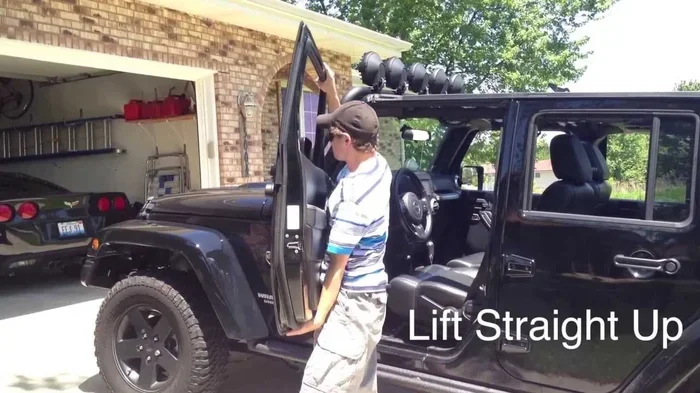
The Wrangler is in a unique position in the SUV market. It offers removable doors and a fold-down windshield, which no other mass-produced vehicle does. This engineering complexity adds weight compared to a simple crossover SUV.
But the trade-off is unmatched off-road capability. The solid axles, disconnecting sway bars, and low-range transfer case make the Wrangler one of the best trail-ready vehicles on the market. The extra weight is a price worth paying for most enthusiasts who buy this truck for its ruggedness.
Tips for Managing Your Jeep Wrangler Weight
You cannot change the base weight of your Wrangler without swapping out major components. But you can manage how weight affects your experience. Here are practical steps to get the most out of your vehicle.
Choose Accessories Wisely
Every aftermarket part adds weight. Before you buy a heavy steel bumper or a roof rack, ask yourself if you really need it. Lightweight alternatives like aluminum bumpers or soft tops can save significant pounds. Over time, these savings add up and improve performance.
Distribute Weight Properly
How you load your Wrangler matters just as much as how much you load. Keep heavy items low and centered. Avoid loading all the weight on one side. Proper weight distribution improves handling, braking, and stability on the road and off.
Know Your Limits
Every Wrangler has a maximum weight capacity. Exceeding it is dangerous and can cause mechanical failures. Check your owner’s manual, know your numbers, and stay within the limits. This is one of the simplest and most important things you can do as a Wrangler owner.
Common Mistakes to Avoid
- Ignoring the payload sticker on the door jamb.
- Overloading the rear with heavy gear and no front cargo.
- Adding too many heavy accessories without considering the total weight.
- Forgetting to account for passenger weight when calculating payload.
- Assuming the towing capacity is the same across all trims and engine options.
Expert Insight: The Future of Wrangler Weight
As Jeep continues to evolve, weight will remain a key consideration. The move toward electrification, as seen in the 4xe models, adds battery weight but also improves efficiency in other ways. Future Wranglers may use lightweight materials like aluminum and high-strength steel to offset the added tech and safety features. The goal is to keep the Wrangler capable and fun without making it unmanageably heavy.
Conclusion
The Jeep Wrangler weight is a topic that matters more than most buyers realize. It affects fuel economy, towing capacity, handling, braking, and long-term maintenance costs. Whether you are looking at a lightweight Sport two-door or a heavy Rubicon 4xe hybrid, understanding the numbers helps you make the best choice for your needs.
Use the weight specs in this guide to plan your purchases, load your Wrangler safely, and get the most out of every drive. Remember to check your specific model’s door jamb sticker for exact numbers. And always stay within the recommended payload and towing limits.
The Wrangler is a remarkable vehicle built for adventure. Knowing its weight is just one more way to ensure you get years of safe, enjoyable miles out of it. Keep these numbers in mind, drive smart, and hit the trail with confidence.
Frequently Asked Questions
What is the curb weight of a Jeep Wrangler?
The curb weight of a Jeep Wrangler ranges from about 3,900 pounds for a base Sport two-door to around 4,900 pounds for a Rubicon 4xe four-door. Curb weight includes a full tank of fuel and all standard equipment but excludes passengers and cargo.
Why is the Jeep Wrangler so heavy?
The Wrangler is heavy because of its solid axles, heavy-duty suspension, strong body-on-frame construction, and off-road equipment. The four-door Unlimited model is heavier than the two-door due to its longer wheelbase and added structural support. Four-wheel drive systems and the hybrid battery in the 4xe also add weight.
Does Jeep Wrangler weight affect towing capacity?
Yes, the towing capacity is directly affected by the vehicle’s weight. A heavier Wrangler has less remaining capacity for towing because the gross vehicle weight rating stays the same. Always check your specific model’s towing specs in the owner’s manual.
How can I reduce my Jeep Wrangler’s weight?
You can reduce weight by removing unnecessary accessories, switching to lighter wheels and tires, replacing steel bumpers with aluminum ones, and choosing a soft top over a hard top. Every pound saved improves fuel economy and handling.
Is the Jeep Wrangler 4xe heavier than the gas-only models?
Yes, the 4xe plug-in hybrid is significantly heavier due to the battery pack and electric motor. The added weight is roughly 200 to 300 pounds more than the comparable gas-only model. This extra weight slightly reduces fuel economy when running on gas but provides strong electric-only range for short trips.
How does Jeep Wrangler weight compare to other SUVs?
The Wrangler sits in the middle of the compact SUV weight range. It is lighter than vehicles like the Toyota 4Runner and Ford Bronco in some configurations but heavier than smaller crossovers. Its weight reflects its rugged off-road engineering and body-on-frame design.