Does Tesla Have Two Charging Ports And Which One You Need
Yes, Tesla vehicles come with two charging ports, and understanding the difference is essential for every owner. The Tesla charging port setup includes the NACS port for Superchargers and the J1772 port for home charging. Knowing which port to use saves time, prevents confusion, and keeps your electric vehicle charging experience smooth and hassle-free.
So, does Tesla have two charging ports? The short answer is yes. Every Tesla vehicle on the road today comes equipped with two distinct charging ports. This design might surprise new electric vehicle owners, especially those just starting their journey with electric vehicle charging. But once you understand the purpose of each port, everything makes perfect sense.
The two ports serve two very different roles. One handles DC fast charging at Tesla Supercharger stations. The other works with home charging setups and public Level 2 chargers. Together, they give Tesla owners flexibility and convenience. Whether you are charging at home overnight or grabbing a quick top-up on a road trip, the right port makes all the difference.
In this guide, we will walk through everything you need to know about the Tesla charging port setup. We will cover what each port does, which Tesla models have them, and which one you should use in different situations. By the end, you will feel confident about charging your Tesla every single day.
Key Takeaways
- Tesla Has Two Ports: Every Tesla comes with a NACS port and a J1772 mobile connector port for different charging needs.
- NACS Is for Supercharging: The North American Charging Standard port connects directly to Tesla Superchargers for fast DC charging on the road.
- J1772 Is for Home Charging: The mobile connector port works with Level 2 home charging stations using a J1772 cable.
- All Models Have Two Ports: Model 3, Model Y, Model S, and Model X all follow the same dual-port design.
- Adapters Expand Compatibility: Tesla offers adapters to connect to CCS stations and other non-Tesla charging networks.
- Using the Right Port Matters: Using the correct port for each situation ensures faster charging and protects your battery.
📑 Table of Contents
- What Are Tesla’s Two Charging Ports?
- Which Tesla Models Have Two Charging Ports?
- How Does the NACS Port Work for Fast Charging?
- What Is the J1772 Port Used For?
- Which Port Should You Use and When?
- Common Mistakes Tesla Owners Make
- Expert Tips for Optimizing Your Tesla Charging
- The Future of Tesla Charging
- Conclusion
What Are Tesla’s Two Charging Ports?
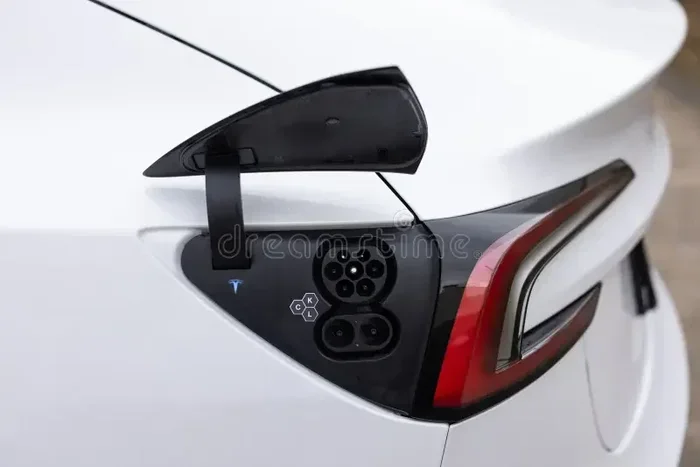
Every Tesla vehicle has two separate charging ports located on the left side of the car, near the rear wheel. These two Tesla connector types serve different purposes and work with different charging networks. Understanding what each one does is the first step to mastering your Tesla charging routine.
The North American Charging Standard (NACS) Port
The NACS charging standard port is the main port on your Tesla. It is the rounded, sleek connector that Tesla designed and has used for years. This is the port that plugs directly into Tesla Supercharger stations across North America. When you pull up to a Supercharger, this is the port you use.
NACS stands for North American Charging Standard. Tesla originally developed this connector and later opened it up to other automakers. Today, many new electric vehicles from Ford, GM, and other brands are adopting NACS. This means the NACS port is becoming the universal standard for fast charging in North America.
The NACS port supports both DC fast charging and Level 2 charging when used with the right equipment. However, its primary role is fast charging at Tesla’s extensive Supercharger network. These stations can add up to 200 miles of range in just 15 minutes, making long road trips entirely practical.
The Mobile Connector or J1772 Port
The second port on your Tesla is the mobile connector port. This port accepts a J1772 connector, which is the standard plug used by most public Level 2 charging stations. When you use your Tesla mobile connector cable with a J1772 plug, you plug it into this port.
This port is essential for home charging. Most people charge their Tesla overnight using a Tesla Wall Connector or a J1772-compatible home charging station. The mobile connector cable that comes with every Tesla plugs into this port and delivers Level 2 charging speeds.
You can also use this port at public Level 2 chargers found at shopping centers, hotels, and parking garages. The J1772 connector is widely available, making it easy to top up your battery while running errands or during a longer stop.
Which Tesla Models Have Two Charging Ports?
All current Tesla models come with the same dual-port setup. Whether you drive a sedan or an SUV, the charging port layout is consistent across the lineup. Here is a quick look at each model and its charging capabilities.
| Tesla Model | NACS Port | J1772/Mobile Connector Port | Max Supercharger Speed | Max Home Charging Speed |
|---|---|---|---|---|
| Model 3 | Yes | Yes | 250 kW | 11.5 kW (with Wall Connector) |
| Model Y | Yes | Yes | 250 kW | 11.5 kW (with Wall Connector) |
| Model S | Yes | Yes | 250 kW | 11.5 kW (with Wall Connector) |
| Model X | Yes | Yes | 250 kW | 11.5 kW (with Wall Connector) |
As you can see, every model shares the same two-port design. The Tesla Model 3 and Tesla Model Y are the most popular models, and they both use the same charging setup. The Tesla Model S and Tesla Model X also follow this pattern, even though they are larger vehicles with bigger batteries.
This consistency is a huge advantage for Tesla owners. You do not need to learn different port layouts for different models. The same cables, adapters, and charging habits apply across the entire lineup.
How Does the NACS Port Work for Fast Charging?
The NACS port is the star of the show when it comes to fast charging. It is the port you will use most often on road trips and when you need a quick charge. Let us break down exactly how it works and why it matters.
Supercharger Compatibility
Tesla Superchargers are the backbone of Tesla’s charging network. These stations use the NACS connector and deliver high-speed DC charging directly to your battery. There are over 50,000 Superchargers worldwide, making long-distance travel in a Tesla incredibly convenient.
When you plug into a Supercharger, the station communicates directly with your vehicle. It automatically adjusts the charging power based on your battery temperature, state of charge, and the station’s output. This seamless process means you just plug in and go.
Most Tesla vehicles can accept between 150 kW and 250 kW of power at a Supercharger. Newer models, including the updated Model 3 and Model Y, support the higher end of that range. This means you can gain significant range in a short amount of time.
Home Charging with NACS
While the NACS port is primarily designed for Supercharging, it can also work with Level 2 home charging. However, you will need a Tesla Wall Connector or an adapter. The Wall Connector plugs directly into the NACS port and delivers up to 11.5 kW of power for overnight charging.
This is the fastest way to charge at home. With a Wall Connector, a Tesla Model 3 can gain about 44 miles of range per hour of charging. That is more than enough to replenish your battery overnight, especially if you have a short daily commute.
What Is the J1772 Port Used For?
The J1772 port, sometimes called the mobile connector port, handles the other half of your charging needs. It is the port you rely on for home charging and public Level 2 charging. Let us take a closer look at its role.
Mobile Connector Details
Every Tesla comes with a mobile connector in the trunk. This cable has a J1772 plug on one end and a proprietary connector on the other. The J1772 end plugs into the mobile connector port on your car. The other end plugs into a standard 120-volt or 240-volt outlet.
Using a standard 120-volt household outlet, the mobile connector delivers about 3 miles of range per hour. This is known as Level 1 charging. It is slow, but it works in a pinch. For faster speeds, you can plug into a 240-volt outlet, which doubles the charging rate to about 6 miles per hour.
For the best home charging experience, Tesla recommends installing a home charging station like the Tesla Wall Connector. This setup uses the mobile connector cable plugged into the Wall Connector, which is hardwired into your electrical panel. The result is fast, reliable Level 2 charging every night.
Level 2 Home Charging
Level 2 charging is the sweet spot for daily home charging. It uses a 240-volt circuit, similar to what a clothes dryer or oven uses. A Level 2 charger can fully charge most Tesla models overnight, typically in 6 to 10 hours depending on the battery size.
Public Level 2 chargers also use the J1772 connector. You will find them at grocery stores, gyms, airports, and shopping centers. When you stop at one of these locations, you plug your mobile connector cable into the J1772 charger and into your car’s mobile connector port.
The key advantage of the J1772 port is its universal compatibility. Unlike the NACS port, which is Tesla-specific, the J1772 standard is used by virtually all electric vehicles. This means you can charge at any J1772 station, not just Tesla ones.
Which Port Should You Use and When?
Now that you know what each port does, let us talk about when to use which one. The answer depends on where you are charging and how quickly you need power.
Daily Home Charging
For your nightly home routine, the J1772 mobile connector port is your go-to option. Plug in your mobile connector cable, connect to your Wall Connector or a Level 2 home station, and let your car charge overnight. By morning, your battery will be full and ready to go.
Quick Tip: Set a charging limit in your Tesla app. Most owners charge to 90% for daily use. This preserves battery health and extends the life of your cells. You can set this limit in the Charging section of your vehicle settings.
Road Trips and Fast Charging
When you are on a road trip, the NACS port is your best friend. Pull up to a Tesla Supercharger, plug in using the NACS connector, and get back on the road quickly. Most Tesla vehicles add 150 to 200 miles of range in just 20 to 30 minutes at a Supercharger.
Expert Insight: Try to charge between 10% and 50% at Superchargers for the fastest speeds. Charging slows down significantly once you pass 80%. Plan your stops accordingly and use the Tesla navigation system, which automatically routes you to Superchargers and suggests optimal charge levels.
Emergency Situations
If you are running low on charge and there is no Supercharger nearby, the J1772 port can save the day. Find any public Level 2 charger, plug in your mobile connector, and top up your battery. It will not be as fast as a Supercharger, but every bit of charge helps.
Another option is to use a standard 120-volt outlet with the mobile connector. This is the slowest method, but it works when nothing else is available. Just remember that you will only gain about 3 miles of range per hour at 120 volts.
Common Mistakes Tesla Owners Make
Even experienced Tesla owners sometimes make charging mistakes. Here are the most common ones and how to avoid them.
Using the Wrong Port
The most common mistake is trying to use the J1772 cable at a Supercharger station. Superchargers require the NACS port, and the J1772 connector will not fit. Always check which port you need before you plug in. It sounds simple, but it happens more often than you might think.
Quick Tip: The NACS port is the one that connects to Superchargers. The J1772/mobile connector port is for home and Level 2 public charging. Keep this simple rule in mind and you will never mix them up.
Ignoring the Adapter
Tesla offers adapters that expand your charging options. The most important one is the CCS adapter, which lets you use non-Tesla DC fast chargers. If you travel to areas with limited Supercharger coverage, a CCS adapter can be a lifesaver. Many owners overlook this accessory and end up stranded with a low battery.
Another useful adapter is the J1772 to Tesla adapter. This lets you use J1772 cables at stations that do not have a Tesla-specific plug. It is a small investment that adds a lot of flexibility to your charging routine.
Leaving the Cable Plugged In Too Long
Once your Tesla reaches its charge limit, the charging session stops automatically. However, leaving the cable plugged in for days after reaching 100% can put unnecessary stress on the battery. Try to unplug as soon as your car is done charging, especially if you are using a Supercharger.
Expert Tips for Optimizing Your Tesla Charging
Want to get the most out of your Tesla charging setup? Here are some expert-backed tips that every owner should know.
- Precondition your battery: When navigating to a Supercharger, your Tesla will preheat the battery for optimal charging speeds. Let the car do this work before you arrive.
- Charge during off-peak hours: Electricity rates are often lower at night. Charging at home during off-peak hours saves money and keeps your battery topped up for the next day.
- Keep your charging port clean: Dirt and debris can interfere with the connection. Wipe the port area regularly with a dry cloth to ensure a solid connection every time.
- Use the Tesla app for monitoring: The app lets you check your charging status remotely, set scheduled charging times, and receive notifications when charging is complete.
- Invest in a Wall Connector: If you charge at home regularly, a Tesla Wall Connector is the best option. It charges faster than a mobile connector on a 240-volt outlet and looks clean and professional.
These small habits add up over time. They protect your battery, save you money, and make the entire charging experience more enjoyable. The more consistent you are with your charging routine, the less you will ever worry about range or battery health.
The Future of Tesla Charging
Tesla continues to evolve its charging technology. The NACS charging standard is now being adopted by other automakers, which means more non-Tesla vehicles will use Tesla Superchargers in the future. This could lead to even faster expansion of the Supercharger network and more competitive pricing.
Tesla is also working on improvements to battery technology and charging speeds. Future Tesla vehicles may support even higher power levels at Supercharger stations, potentially cutting charging times in half. The dual-port design is likely to remain, as it offers the versatility that Tesla owners value.
One thing is clear: understanding your Tesla charging port setup today will serve you well for years to come. As the electric vehicle landscape evolves, the fundamentals of how you charge will remain the same. The NACS port for fast charging and the J1772 port for home and Level 2 charging will continue to be the backbone of your Tesla ownership experience.
Conclusion
So, does Tesla have two charging ports? Absolutely. And now you know exactly what each one does and when to use it. The NACS port handles fast charging at Superchargers and works with a Wall Connector at home. The J1772 mobile connector port handles Level 2 home charging and public charging at stations everywhere.
By using the right port for the right situation, you will charge faster, protect your battery, and enjoy a seamless electric driving experience. Whether you are plugging in at home every night or stopping at a Supercharger on a cross-country road trip, the dual-port system gives you the flexibility and confidence that electric vehicle ownership should provide.
Take a few minutes to familiarize yourself with your Tesla’s charging ports. Locate them on your vehicle, try both cables, and get comfortable with the routine. Once you do, charging your Tesla will feel second nature. It is one of those simple things that, once you understand, makes the whole ownership experience better.
Frequently Asked Questions
Can I use the J1772 port to charge at a Tesla Supercharger?
No, you cannot. Tesla Superchargers require the NACS port. The J1772 connector will not fit into a Supercharger stall. Always use the NACS port when charging at a Supercharger station for fast DC charging on the road.
Do I need an adapter to charge at non-Tesla stations?
It depends on the station. For J1772 Level 2 chargers, you can use the mobile connector cable that comes with your Tesla without any adapter. For CCS DC fast chargers, you will need a Tesla CCS adapter, which is sold separately by Tesla.
Is it okay to charge my Tesla every night?
Yes, charging every night is perfectly fine and is actually recommended for most owners. Setting a charge limit of 90% in your Tesla settings helps preserve long-term battery health. Overnight charging ensures you start each day with a full battery.
How long does it take to charge a Tesla at home?
With a Tesla Wall Connector, most Tesla models charge from 0 to 100% in about 6 to 10 hours. Using the mobile connector on a 240-volt outlet takes slightly longer. With a standard 120-volt outlet, it can take 20 to 40 hours depending on the battery size.
What is the difference between NACS and CCS connectors?
NACS (North American Charging Standard) is Tesla’s proprietary connector used for Superchargers. CCS (Combined Charging System) is a different standard used by many other automakers. Tesla offers a CCS adapter that lets Tesla vehicles use CCS fast chargers when Superchargers are not available.
Can I charge my Tesla at any public charging station?
You can charge at any J1772 Level 2 station using the mobile connector cable. For DC fast charging, you can use Tesla Superchargers with the NACS port or non-Tesla DC fast chargers with the appropriate adapter. Tesla’s navigation system helps you find compatible stations nearby.