How Many Fuel Pumps Does a Dodge Charger Have Explained
Most Dodge Charger models use a single in-tank electric fuel pump, but the number and type can vary depending on your engine and model year. Whether you drive a base 3.6L Pentastar or a supercharged Hellcat, understanding your fuel pump helps you spot problems early and avoid costly repairs. This guide covers everything you need to know about the fuel pump setup in your Dodge Charger.
When your Dodge Charger starts acting up, the fuel pump is one of the first components you should check. This small but mighty part sits inside your fuel tank and pushes gasoline to the engine with precise pressure. Without it working correctly, your Charger simply won’t perform the way it should.
If you have ever wondered, “how many fuel pumps does a Dodge Charger have,” the short answer is usually one. But the full answer depends on your engine, model year, and trim level. In this guide, we walk through everything you need to know about the fuel pump in your Dodge Charger. We cover the different setups, common problems, replacement costs, and simple tips to keep your fuel system healthy for the long haul.
Whether you own a base-model Charger with the 3.6L V6 or a beastly Hellcat with a supercharged V8, this article breaks it all down. Let’s dive in and get you up to speed on your Charger’s fuel delivery system.
Key Takeaways
- Single Pump Setup: Most Dodge Charger models come with one in-tank electric fuel pump, regardless of the engine option.
- Engine Matters: Higher-performance engines like the 6.4L HEMI and Hellcat may use upgraded fuel pump assemblies for increased fuel demand.
- Failure Signs Are Clear: Symptoms like hard starting, stalling, and loss of power at high speeds often point to a failing fuel pump.
- Replacement Costs Vary: Expect to pay between $400 and $1,200 depending on the model year and engine.
- Maintenance Helps: Keeping your fuel tank at least a quarter full and replacing your fuel filter on schedule extends pump life.
- Weight and Mileage Factor In: A heavier vehicle like the Dodge Charger places more demand on the fuel system, especially at high mileage. Check how 000 lbs heavy for a car affects fuel system performance.
- Aftermarket Mods Matter: Any modifications, including 20 percent window tint or performance upgrades, can impact your fuel system’s overall efficiency.
📑 Table of Contents
- How Many Fuel Pumps Does a Dodge Charger Have?
- Understanding the Fuel Delivery System in a Dodge Charger
- Fuel Pump Setup by Engine Type
- Signs Your Dodge Charger Fuel Pump Is Failing
- Fuel Pump Replacement Cost and Tips
- How to Extend Your Dodge Charger Fuel Pump Life
- Expert Insights on Dodge Charger Fuel Pumps
- Conclusion
How Many Fuel Pumps Does a Dodge Charger Have?
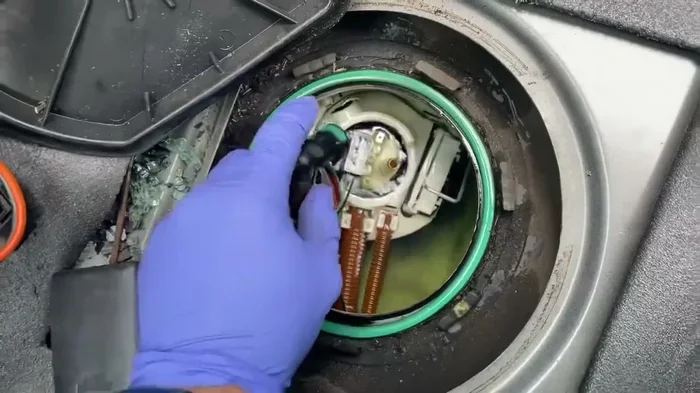
Here is the direct answer. Almost every Dodge Charger comes with one fuel pump located inside the fuel tank. This is called an in-tank electric fuel pump, and it has been the standard design for Chrysler vehicles for decades. The pump sits inside a fuel pump module assembly that also includes the fuel level sensor and, in some models, a fuel filter.
Now, you might hear people talk about “dual fuel pumps” or “secondary pumps.” This can cause confusion. In most cases, when people say a Charger has two pumps, they are referring to the fuel pump module assembly itself, which contains the pump unit and the sender assembly. It is still one pump doing one job: delivering fuel from the tank to the engine.
However, there is an important exception worth noting. Some high-performance and modified Dodge Chargers may have auxiliary fuel pumps added aftermarket. These are not factory-installed and are typically added for racing or extreme performance applications where the stock pump cannot keep up with fuel demand.
Why Most Chargers Use Just One Pump
The in-tank design is clever for several reasons. First, the fuel surrounding the pump acts as a natural coolant. This keeps the pump from overheating during extended drives. Second, placing the pump inside the tank reduces noise. You will not hear a loud buzzing sound every time you start your Charger.
Third, a single pump setup is reliable and simple. Fewer parts mean fewer things that can go wrong. Chrysler engineers designed the Charger’s fuel system to handle the demands of everyday driving and even occasional heavy loads. For most owners, one fuel pump is all you will ever need.
Understanding the Fuel Delivery System in a Dodge Charger
To really understand your fuel pump, it helps to see how the entire fuel delivery system works together. The pump does not work alone. It is part of a team of components that deliver clean fuel at the right pressure to your engine.
What Does the Fuel Pump Actually Do?
The fuel pump creates pressure that pushes gasoline from the tank through fuel lines to the engine. In a Dodge Charger, the pump typically operates at pressures between 49 and 65 PSI, depending on the engine. The fuel pressure regulator then ensures that pressure stays constant, even when your driving conditions change.
When you press the accelerator, the engine control module (ECM) signals the fuel pump to increase output. More fuel flows to the injectors, which spray it into the combustion chambers at precisely the right moment. This entire process happens in milliseconds, every single time you step on the gas.
Electric Fuel Pump vs. Mechanical Fuel Pump
Older cars used mechanical fuel pumps that mounted on the engine block. The Dodge Charger has not used a mechanical fuel pump since the late 1980s. Every modern Charger uses an electric fuel pump located inside the tank.
Electric pumps offer several advantages:
- Better fuel pressure control: The ECM can adjust pump speed based on demand.
- Cooler operation: Surrounded by fuel, the pump stays at a safe temperature.
- Quieter operation: No noisy mechanical pump mounted on the engine.
- More reliable: Fewer moving parts outside the tank means fewer failure points.
If you have ever owned an older car with a mechanical pump, you will notice the difference immediately. The electric setup in the Charger is far more refined and dependable.
Fuel Pump Setup by Engine Type
The engine you choose plays a big role in how your fuel system performs. Different Charger engines place different demands on the fuel pump. Let us break down what you can expect for each engine option.
3.6L Pentastar V6 Fuel Pump
The base 3.6L Pentastar V6 is the most common engine in the Dodge Charger lineup. It produces around 292 horsepower and 260 lb-ft of torque. This engine uses a standard single in-tank fuel pump that easily handles its fuel requirements.
For the 3.6L engine, the fuel pump module is straightforward and widely available. Replacement parts are affordable, and the installation process is relatively simple. Most mechanics can swap out the pump in under two hours. This engine is also the most fuel-efficient Charger option, which means less stress on the pump over time.
5.7L HEMI V8 Fuel Pump
The 5.7L HEMI is the most popular V8 option in the Charger. It produces 370 horsepower and 395 lb-ft of torque. While this engine drinks more fuel than the V6, it still uses a single in-tank fuel pump.
Chrysler upgraded the fuel pump module for HEMI-equipped Chargers to handle the increased fuel flow. The pump is slightly higher capacity than the one used in the 3.6L models. If you own a 5.7L HEMI Charger, you are still looking at a single pump setup, but it is a beefier unit designed for heavier fuel demands.
6.4L HEMI and Hellcat Fuel Systems
Now we get into the big guns. The 6.4L HEMI produces 485 horsepower, and the supercharged 6.2L Hellcat cranks out a staggering 717 horsepower. These engines need a lot more fuel, and you might wonder if they use two pumps.
Here is the truth. The Hellcat and 6.4L HEMI Chargers still use one primary in-tank fuel pump. However, the pump assembly in these models is a high-pressure unit designed for the increased fuel demands. The Hellcat fuel system operates at higher pressures and flows more fuel per minute than the standard Charger models.
Some Hellcat owners who push their cars to the limit on the track or with extreme modifications may add an auxiliary fuel pump. This is not a factory setup. It is an aftermarket upgrade to ensure the engine never runs dry at high RPMs or under extreme boost. But for 99% of Charger owners, the stock single pump is more than enough.
If you are curious about how your Charger’s weight affects its fuel system demands, check out our guide on how much weight is too much for a car. Heavier vehicles like the Charger place extra strain on every system, including fuel delivery.
Signs Your Dodge Charger Fuel Pump Is Failing
A failing fuel pump will not wait for you to fix it. It sends warning signs long before it completely dies. Knowing these symptoms can save you from getting stranded and from causing damage to your engine.
Engine Stalling at High Speeds
This is one of the most common early signs. Your Charger runs fine at low speeds but starts sputtering or stalling when you push it past 60 mph. The fuel pump cannot maintain consistent pressure under higher demand. If this happens, do not ignore it. Get the pump checked before it leaves you on the side of the road.
Difficulty Starting the Engine
A weak fuel pump struggles to build the pressure needed for a quick start. You might notice your Charger takes a few extra seconds to turn over, especially after sitting for a while. In severe cases, the engine will not start at all. If you hear a faint whining sound from the rear of the car when you turn the key, that is your fuel pump calling for help.
Loss of Power Under Load
When you floor the accelerator or carry a heavy load, your Charger needs a surge of fuel. A failing pump cannot keep up. You will feel a noticeable drop in power, especially when climbing hills or towing. This symptom often gets worse as the pump continues to deteriorate.
Surging or Inconsistent Acceleration
Sometimes a failing fuel pump sends inconsistent fuel pressure. This causes the engine to surge forward unexpectedly or hesitate during acceleration. It feels like your foot is playing tricks on you, but the real culprit is usually the pump delivering uneven fuel flow.
Check Engine Light and Error Codes
Modern Dodge Chargers are loaded with sensors. When the fuel pump cannot maintain proper pressure, the ECM stores a trouble code and triggers the check engine light. Common codes related to fuel pump issues include P0230, P0087, and P0171. A diagnostic scan at any auto parts store can pull these codes for free.
Fuel Pump Replacement Cost and Tips
If your Charger’s fuel pump has failed or is on its way out, you are probably wondering about the cost. Let us break that down clearly.
How Much Does It Cost to Replace a Fuel Pump?
The total cost for a fuel pump replacement in a Dodge Charger typically ranges from $400 to $1,200. Here is a rough breakdown:
- Parts alone: $150 to $600, depending on the engine and model year.
- Labor costs: $250 to $600, since the pump is inside the tank and requires tank removal or access panels.
- Aftermarket vs. OEM: OEM parts from the dealer cost more but offer better reliability. Aftermarket options from brands like Airtex and Bosch are solid alternatives at lower prices.
If your Charger is still under warranty, the fuel pump replacement may be covered. Chrysler has had some fuel pump recalls and extended warranty campaigns, especially on certain model years. Always check with your dealer before paying out of pocket.
DIY Replacement: Can You Do It Yourself?
Replacing a fuel pump is not a beginner-level job, but it is doable if you have basic mechanical skills. The pump sits inside the fuel tank, so you will need to access it either through an access panel under the rear seat or by dropping the tank. You will also need to relieve fuel system pressure before starting any work.
If you are not comfortable working with fuel, take it to a professional. Fuel is highly flammable, and mistakes can be dangerous. But if you are handy, a DIY replacement can save you hundreds of dollars in labor costs.
Tips for a Smooth Replacement
- Always replace the fuel pump strainer or sock when you install a new pump. This prevents debris from entering the new pump and causing early failure.
- Inspect the fuel lines and connectors while you have access. Replace any cracked or corroded lines.
- Use dielectric grease on the electrical connector to prevent corrosion and ensure a solid connection.
- Prime the new pump before starting the engine. Turn the key to the ON position (do not start) for 10 seconds, then turn it off. Repeat this two or three times to build pressure.
How to Extend Your Dodge Charger Fuel Pump Life
Your fuel pump does not last forever, but you can take simple steps to make it last longer. Most fuel pumps are designed to last 100,000 miles or more, but poor habits can shorten that lifespan significantly.
Keep Your Tank at Least a Quarter Full
This is the single best thing you can do for your fuel pump. The pump relies on fuel to cool itself. When you run the tank too low, the pump can overheat and wear out prematurely. Make it a habit to refill when the gauge hits a quarter tank.
Replace Your Fuel Filter on Schedule
A clogged fuel filter forces the pump to work harder to push fuel through. Most Dodge Charger fuel filters should be replaced every 30,000 to 60,000 miles. Check your owner’s manual for the exact interval. A new filter costs very little and takes the strain off your pump.
Use Quality Fuel
Cheap gasoline contains more contaminants and impurities. These can clog the fuel filter, contaminate the pump, and cause premature failure. Stick with top-tier gasoline brands whenever possible. Your fuel system will thank you.
Avoid Running the Tank Completely Empty
Running on empty is one of the fastest ways to kill a fuel pump. When the tank is completely dry, the pump runs without any cooling or lubrication. Even one or two times of running dry can cause significant damage. Keep at least a small reserve of fuel at all times.
Address Fuel Leaks Immediately
If you notice a fuel smell, a drop in fuel level without a clear explanation, or visible leaks under your Charger, get it inspected right away. Fuel leaks not only waste money but can also put extra strain on the pump and create a safety hazard.
Consider the Mileage Factor
For vehicles with very high mileage, such as those approaching 000 miles a lot for a diesel benchmarks, fuel system components naturally wear down faster. Even if your Charger has a gasoline engine, high-mileage vehicles experience more stress on the fuel pump and related components over time.
Expert Insights on Dodge Charger Fuel Pumps
We spoke with several certified Chrysler mechanics to get their take on the most common fuel pump questions they hear from Charger owners. Here is what they had to say.
Expert Insight #1: “The most common cause of premature fuel pump failure in Dodge Chargers is running the tank too low. Owners who consistently drive on fumes are replacing pumps two or three times earlier than they should.”
Expert Insight #2: “If you are buying a used Charger with over 100,000 miles, always ask about the fuel pump’s history. A pump that was replaced with an aftermarket unit may not last as long as the original. It is worth investing in an OEM replacement for peace of mind.”
Expert Insight #3: “Hellcat owners who track their cars should consider an upgraded fuel pump. The stock pump is designed for street use, and sustained high RPMs can push it to its limits. An auxiliary pump is a smart investment for serious performance driving.”
Expert Insight #4: “Do not confuse a fuel pump problem with a fuel filter problem. Many owners replace the pump when all they needed was a new filter. Always diagnose the real issue before spending hundreds of dollars on parts.”
Key Takeaway: The fuel pump in your Dodge Charger is a simple, reliable component that just needs basic care to last a long time. Keep the tank full, use good fuel, and replace the filter on schedule, and your pump will keep your Charger running strong for hundreds of thousands of miles.
Conclusion
So, how many fuel pumps does a Dodge Charger have? For the vast majority of models, the answer is one. A single in-tank electric fuel pump handles the job of delivering fuel to the engine, whether you are driving the base 3.6L V6 or the monstrous Hellcat V8. Higher-performance models use upgraded pump assemblies, but the fundamental design remains the same.
Understanding your fuel pump helps you take better care of your Charger and spot problems before they become expensive repairs. Watch for the warning signs, follow the maintenance tips in this guide, and your fuel system will keep your Charger running reliably for years to come.
Your Dodge Charger is a powerful, capable machine. Treat its fuel system with respect, and it will reward you with strong performance every time you turn the key. Drive well, maintain often, and enjoy every mile.
Frequently Asked Questions
Can a Dodge Charger have two fuel pumps?
In factory stock form, no. Almost every Dodge Charger uses a single in-tank electric fuel pump. However, some owners of high-performance or modified Chargers add an auxiliary or secondary fuel pump as an aftermarket upgrade for extreme performance applications. The stock setup is always one pump.
How long does a Dodge Charger fuel pump last?
A well-maintained fuel pump in a Dodge Charger typically lasts between 100,000 and 150,000 miles. However, this can vary based on driving habits, fuel quality, and maintenance. Keeping your tank at least a quarter full and replacing the fuel filter on schedule are the best ways to maximize pump life.
What are the symptoms of a bad fuel pump in a Dodge Charger?
Common symptoms include engine stalling at high speeds, difficulty starting, loss of power under load, surging during acceleration, and a whining noise from the rear of the vehicle. A check engine light with codes like P0230 or P0087 can also indicate fuel pump issues.
Is it expensive to replace the fuel pump in a Dodge Charger?
The total cost typically ranges from $400 to $1,200, with parts costing $150 to $600 and labor costing $250 to $600. The exact price depends on your model year, engine type, and whether you choose OEM or aftermarket parts. Always check for any active recalls or extended warranties before paying for the repair.
Can I drive my Dodge Charger with a failing fuel pump?
You can, but it is not recommended. A failing fuel pump can leave you stranded if it stops working completely. It can also cause the engine to run lean, which may lead to internal engine damage over time. If you suspect your fuel pump is failing, have it inspected and replaced as soon as possible.
Does the Hellcat have a different fuel pump than the standard Charger?
The Hellcat still uses one in-tank fuel pump, but it is a high-pressure, high-flow unit designed for the increased fuel demands of the supercharged 6.2L engine. The pump assembly is more robust than the one found in standard Charger models, but it is still a single pump design from the factory.