How Do You Find Out the Fair Market Value of Your Car
Finding the fair market value of your car is easier than you think. You can use free online tools like Kelley Blue Book and Edmunds to get instant estimates. Knowing your car’s true worth helps you sell smarter, trade in confidently, and avoid being lowballed. This guide walks you through every step with simple, practical advice.
Have you ever wondered what your car is actually worth? Maybe you are thinking about selling it. Perhaps you want to trade it in for a newer model. Or maybe you just need to know for insurance purposes. Whatever the reason, understanding the fair market value of your car is incredibly important.
The good news is that you do not need to be a car expert to figure this out. There are simple, free tools available that can give you a solid estimate in just minutes. In this guide, I will walk you through exactly how to find the fair market value of a car step by step. You will learn about the best tools, what numbers to look at, and how to avoid common mistakes that cost people money.
Whether your car is brand new or has seen better days, this guide has you covered. I will break down everything you need to know in plain, simple language. No jargon. No confusing terms. Just clear, actionable advice that you can use right away.
Key Takeaways
- Multiple tools exist: Kelley Blue Book, Edmunds, NADA Guides, and others offer free car valuation estimates online.
- Three values matter: Trade-in value, private party value, and retail value are the three key numbers you need to know.
- Condition counts: Your car’s mileage, service history, and overall condition heavily impact its fair market value of a car.
- Comparable sales help: Looking at similar cars sold near you gives you real-world pricing data.
- Get multiple estimates: Never rely on just one source. Cross-check several tools for the most accurate car valuation.
- Timing matters: Seasonal demand, market trends, and economic factors can shift used car pricing quickly.
- Professional appraisal is an option: For high-value or unique vehicles, a certified car appraisal provides the most reliable figure.
📑 Table of Contents
- What Is the Fair Market Value of a Car?
- Why Knowing Your Car’s Market Value Matters
- The Best Tools to Find Fair Market Value
- Factors That Affect Your Car’s Value
- Step-by-Step: How to Actually Find Your Car’s Value
- Common Mistakes to Avoid
- When to Get a Professional Appraisal
- How to Maximize Your Car’s Value Before Selling
- Final Thoughts on Finding Your Car’s Fair Market Value
What Is the Fair Market Value of a Car?
Before you start looking up numbers, it helps to understand what “fair market value” actually means. In simple terms, it is the price a willing buyer would pay a willing seller for a vehicle. Both parties are informed, and neither is under pressure to buy or sell.
Think of it as the middle ground. It is not the lowest price a dealer might offer you. And it is not the highest price a showroom might ask. The fair market value of a car sits right in the middle, reflecting what a typical buyer would pay in your local area.
Several factors go into this number. Your car’s year, make, and model matter a lot. So does the mileage, overall condition, and service history. Even where you live can affect the price. A car valuation takes all of these details and turns them into a single dollar figure.
It is also worth noting that fair market value is different from trade-in value. When a dealer buys your car, they need to make a profit. That means the trade-in offer is almost always lower. Understanding this difference helps you set realistic expectations.
Why Knowing Your Car’s Market Value Matters
You might be thinking, “Why does this even matter?” The truth is, knowing your vehicle’s market value estimate affects many important decisions in your life.
Selling Your Car for the Right Price
If you are selling privately, you want to price your car correctly. Too high, and buyers will scroll right past. Too low, and you leave money on the table. A solid market value estimate gives you a starting point for listing your car at a competitive price.
For example, let us say you have a 2018 Honda Civic with 60,000 miles. A quick check on an online car valuation tool tells you the private party value is around $14,000. You can then list your car near that number, maybe with a small adjustment based on your car’s specific condition.
Getting a Fair Trade-In Offer
When you visit a dealership, they will offer you a trade-in value. If you do not know what your car is worth, you might accept a lowball offer without realizing it. Walking in with a car valuation in hand puts you in a much stronger position.
Dealers expect some negotiation. But having real data on your side makes the conversation fairer. You can politely push back if the offer does not match the fair market value of your car.
Insurance and Loan Purposes
Insurance companies use your car’s value to determine premiums and payouts. If your car is totaled, they will pay out based on its fair market value. Knowing this number ahead of time protects you from surprises.
Similarly, if you are refinancing an auto loan, the lender will assess your vehicle’s equity. A clear car equity picture helps you qualify for better loan terms.
The Best Tools to Find Fair Market Value
Now let us get into the practical stuff. There are several trusted resources you can use to find the fair market value of a car. Most of them are free and take just a few minutes to use.
Kelley Blue Book (KBB)
Kelley Blue Book, often called KBB, is one of the most well-known names in used car pricing. It has been around for decades and is trusted by millions of people.
To use KBB, you simply enter your car’s details. You will need to know the year, make, model, trim level, mileage, and condition. The tool then generates three key numbers:
- Trade-in value: What a dealer would likely offer you.
- Private party value: What a private buyer might pay.
- Retail value: What a dealer would ask for a similar car.
KBB also factors in your geographic location, which is important because car prices vary by region. The fair market value of a car from KBB is a great starting point for any valuation search.
Edmunds
Edmunds is another top-tier resource for car valuation. It is especially popular among people who want detailed, transparent pricing data.
Edmunds breaks down its estimates into similar categories. You get the trade-in value, private party value, and retail value. But Edmunds also provides something extra. It shows you the “True Market Value,” which is based on actual transaction data from real car sales in your area.
Many people prefer Edmunds because it feels more grounded in real-world numbers. Instead of just estimating, it pulls from actual comparable sales data. This makes the market value estimate from Edmunds particularly reliable.
NADA Guides
NADA Guides are backed by the National Automobile Dealers Association. Because dealers use NADA, the values tend to lean slightly higher than some other sources. This makes NADA a good resource if you are looking at trade-in numbers from a dealer’s perspective.
NADA Guides are especially popular in the auto financing world. Banks and lenders often reference NADA values when determining loan amounts. If you are refinancing or applying for a loan, checking NADA is a smart move.
Other Helpful Resources
Beyond the big three, there are several other tools worth checking out:
- Cars.com: Offers free vehicle appraisal tools based on local listings.
- CarGurus: Shows you what similar cars are listed for in your area.
- AutoTrader: Lets you browse current listings to gauge used car pricing.
- CarMax: Provides instant online offers that reflect their trade-in value.
- National Automobile Dealers Association (NADA): Widely used by lenders for auto loan valuations.
Using multiple tools gives you a range of numbers. This range helps you understand where the fair market value of your car really sits. No single tool is perfect, but together they paint a clear picture.
Factors That Affect Your Car’s Value
Two cars of the same year, make, and model can have very different values. Why? Because many factors beyond the basics influence car depreciation and overall worth.
Mileage
Mileage is one of the biggest factors in vehicle condition assessment. Lower mileage almost always means a higher value. A car with 30,000 miles will typically be worth significantly more than one with 100,000 miles.
That said, some high-mileage cars hold their value well if they have been properly maintained. A well-cared-for 150,000-mile vehicle can still command a good price. The key is consistent maintenance and no major mechanical issues.
Overall Condition
When you use an online car valuation tool, it will ask you to rate your car’s condition. This usually falls into categories like excellent, good, fair, or poor.
Here is what each level generally means:
- Excellent: No visible damage, clean interior, all features work perfectly.
- Good: Minor cosmetic issues, everything still functions well.
- Fair: Some noticeable wear, maybe a few dents or scratches, but still runs fine.
- Poor: Significant damage or mechanical problems that need repair.
Be honest when rating your car’s condition. Inflating it will only lead to disappointment later. The fair market value of a car reflects reality, not wishful thinking.
Service History and Maintenance Records
A full service history can boost your car’s value. Buyers love seeing proof that a vehicle was regularly maintained. Oil change records, inspection reports, and receipts for major repairs all add confidence.
On the flip side, gaps in maintenance history can lower the value. Buyers worry about hidden problems. If you have records, gather them before you list your car or visit a dealership.
Vehicle History Report
Services like Carfax and AutoCheck provide a vehicle history report. These reports show accidents, title issues, ownership history, and more.
A clean history report adds value. A report with accidents or title brands can significantly reduce it. Before you list your car, consider pulling a report to understand what buyers might find.
Location and Seasonal Demand
Where you live affects your car’s value. Cars in warm climates without salt damage tend to be worth more. Trucks and SUVs might fetch higher prices in rural areas. Sports cars might be more valuable in urban markets.
Seasonal demand also plays a role. Convertibles sell better in spring and summer. Four-wheel-drive trucks command higher prices in snowy regions during winter. Timing your sale to match seasonal demand can boost your car selling price.
Step-by-Step: How to Actually Find Your Car’s Value
Now that you know the tools and factors, let me walk you through the actual process. This is the part where you put everything into action.
Step 1: Gather Your Car’s Details
Before you go online, gather the key information about your vehicle. You will need:
- The year, make, and model
- The trim level (base, SE, SEL, etc.)
- The current mileage
- The vehicle identification number (VIN)
- A list of any upgrades or extras (leather seats, sunroof, navigation, etc.)
Having all of this ready makes the valuation process smooth and fast.
Step 2: Check Multiple Valuation Tools
Go to at least two or three trusted sources. I recommend starting with Kelley Blue Book and Edmunds. Then check NADA Guides for a third perspective.
Enter your car’s details carefully. Make sure you select the right trim level and accurately describe the condition. Small mistakes here can lead to big differences in the final number.
Write down the trade-in value, private party value, and retail value from each source. This gives you a range to work with.
Step 3: Look at Local Listings
Next, browse local listings on platforms like CarGurus, AutoTrader, and Facebook Marketplace. Look for cars similar to yours in terms of year, mileage, and condition.
What are they listed for? What have they actually sold for? This comparable sales research gives you real-world data that goes beyond any tool’s estimate.
Step 4: Adjust for Your Car’s Unique Factors
Now you can fine-tune your number. Does your car have any upgrades that add value? Are there any issues that might reduce it? Have you kept up with all the maintenance?
Make small adjustments based on what you find. This step is where your car valuation starts to feel truly personalized.
Step 5: Decide Your Target Price
Finally, pick your target price. If you are selling privately, aim for the higher end of your range. If you are trading in, expect something closer to the lower end.
Remember, the fair market value of a car is a starting point for negotiation, not a fixed price. Flexibility and honesty will serve you well.
Common Mistakes to Avoid
Many people make avoidable mistakes when trying to find their car’s value. Here are a few to watch out for:
- Relying on just one tool: No single source is perfect. Always cross-check multiple resources.
- Overrating your car’s condition: Be honest. Buyers will notice issues you might overlook.
- Ignoring local market data: National averages do not always reflect your local area.
- Forgetting about fees and costs: If you are selling, factor in advertising costs or dealer fees.
- Skipping the vehicle history report: Hidden issues can destroy buyer trust and lower your price.
- Not understanding the difference between values: Trade-in, private party, and retail value are all different numbers for different purposes.
Avoiding these mistakes saves you time, money, and frustration. A little effort upfront goes a long way toward getting the best possible outcome.
When to Get a Professional Appraisal
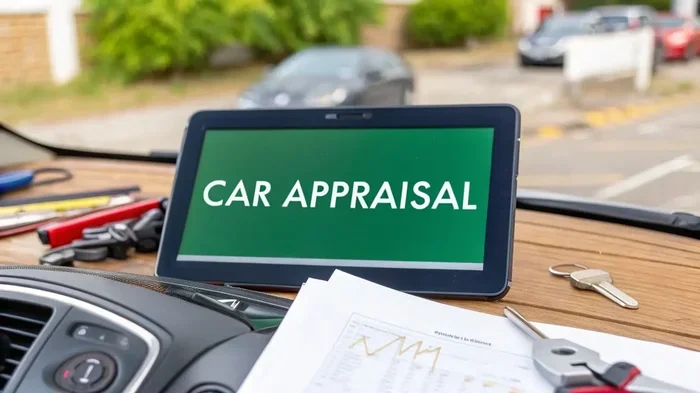
For most everyday cars, online tools are more than enough. But there are situations where a professional car appraisal makes sense.
If you own a classic car, a rare collectible, or a luxury vehicle with unique features, an online estimate might not capture its full value. A certified appraiser has the expertise to evaluate these vehicles properly.
You might also want a professional appraisal if you are going through a divorce, handling an estate, or disputing an insurance claim. In these cases, a formal appraisal document carries more weight than an online estimate.
Professional appraisals typically cost between $100 and $300. It is a small investment for peace of mind, especially with high-value vehicles.
How to Maximize Your Car’s Value Before Selling
If you are planning to sell, there are steps you can take to boost your fair market value of your car before listing it.
Clean It Thoroughly
A clean car makes a much better first impression. Wash the exterior, vacuum the interior, and detail the dashboard and windows. A professional detailing job can sometimes add hundreds of dollars to your perceived value.
Handle Minor Repairs
Fix small issues before you list. A cracked windshield, burnt-out bulb, or squeaky brake can distract buyers and give them leverage to negotiate down. Small repairs often pay for themselves many times over.
Gather Your Documentation
Organize your maintenance records, service receipts, and vehicle history report. Having these ready shows buyers you have taken good care of the car. It builds trust and can justify a higher price.
Take Great Photos
Good photos sell cars faster. Take pictures in natural light, from multiple angles. Show the interior, the engine bay, and the tires. A well-phrased listing with clear photos attracts more serious buyers.
Final Thoughts on Finding Your Car’s Fair Market Value
Finding the fair market value of a car does not have to be complicated or intimidating. With the right tools and a bit of effort, you can get a reliable estimate in under an hour.
Start with trusted sources like Kelley Blue Book, Edmunds, and NADA Guides. Cross-check with local listings. Consider your car’s unique condition and history. And never rely on just one number.
Whether you are selling, trading in, refinancing, or just curious, knowing your car’s value empowers you. It helps you make smarter decisions, negotiate with confidence, and avoid costly mistakes.
The fair market value of your car is out there waiting for you. All you need to do is look. Use the steps in this guide, trust the process, and you will have a clear picture of what your car is truly worth.
Take action today. Run your numbers, do your research, and walk into any negotiation fully prepared. Your wallet will thank you for it.
Frequently Asked Questions
What is the difference between trade-in value and private party value?
The trade-in value is what a dealer offers to pay for your car. The private party value is what an individual buyer would likely pay you. Trade-in values are always lower because dealers need to resell the car for a profit. The fair market value of a car usually falls somewhere between these two numbers.
How accurate are online car valuation tools?
Online tools like Kelley Blue Book and Edmunds are quite accurate for most vehicles. They use large datasets and real transaction information to generate estimates. However, they cannot account for every unique detail of your specific car. That is why it is always smart to cross-check multiple sources and adjust based on your car’s actual condition.
Can I find the fair market value of my car for free?
Absolutely. All the major online car valuation tools are completely free to use. You do not need to pay for KBB, Edmunds, or NADA Guides. Just visit their websites, enter your car’s details, and you will get instant estimates. Some services also offer paid detailed reports, but the basic valuation is always free.
How often should I check my car’s market value?
It is a good idea to check your car’s value at least once a year. Used car pricing can shift due to market trends, economic changes, and seasonal demand. If you are planning to sell or trade in soon, check the value a few weeks before you take any action. This gives you time to adjust your expectations and pricing strategy.
Does the color of my car affect its fair market value?
Color can have a small impact on your car’s value. Neutral colors like white, black, silver, and gray tend to sell faster and hold value better than bold or unusual colors. However, color is just one small factor in the overall car valuation. Condition, mileage, and maintenance history matter far more.
What should I do if my car is worth less than I owe on the loan?
This situation is called being “upside down” on your loan. If your car equity is negative, you still have options. You can pay the difference out of pocket when trading in. Some dealers offer rollover loan programs, though these are not always the best choice. Checking your fair market value of a car early helps you avoid this situation or plan for it in advance.
=== CONCLUSION ===
Finding the fair market value of your car is one of the smartest things you can do as a car owner. It takes just a little time, and the payoff is huge. You will sell smarter, trade in with confidence, and avoid costly surprises.
Use the free tools available. Cross-check multiple sources. Understand the factors that influence your car’s worth. And always be honest about your vehicle’s condition. With the right approach, you will walk away with the best possible outcome.
Now that you know how to find the fair market value of a car, there is nothing stopping you. Take action today, and put this knowledge to work for you.