Can a Bad Temperature Sensor Cause Overheating in Cars
A bad temperature sensor can absolutely cause your car to overheat by sending incorrect readings to the engine computer. When the sensor fails, it disrupts the cooling system, fuel mixture, and ignition timing, which can lead to serious engine damage. This guide covers the symptoms, causes, and fixes you need to know right now.
Your car’s temperature sensor plays a bigger role than you might think. It sits right in the engine block or radiator and reads the heat level every second you drive. When it works right, it keeps your engine running smooth and cool. But when it goes bad, things can go wrong fast.
So can a bad temperature sensor cause overheating? The short answer is yes. A failing sensor can send wrong signals to your engine computer. This can throw off the fuel mixture, change the ignition timing, and even stop the cooling fans from turning on. All of these problems can make your engine run hot, and that can lead to serious damage over time.
In this guide, we will walk through exactly how a bad temperature sensor causes overheating. You will learn the symptoms to watch for, what happens inside your engine, and how to fix the problem. Whether you drive a gas car or a diesel truck, this information will help you stay ahead of engine trouble.
Key Takeaways
- Yes, a bad temperature sensor can cause overheating: it sends wrong data to the engine computer, disrupting the cooling system and fuel mixture.
- Common symptoms include a warning light, erratic temperature gauge, and poor fuel economy: do not ignore these signs.
- A failing sensor can mess with your fuel mixture and ignition timing: both affect engine temperature directly.
- Diagnosis is simple with an OBD2 scanner: you can check for error codes at home or at a shop.
- Replacing the sensor is usually affordable: most repairs cost between 50 and 250 dollars.
- Regular maintenance helps prevent sensor failure: keep your coolant fresh and your radiator clean.
📑 Table of Contents
What Does a Temperature Sensor Do?
The temperature sensor is a small but mighty part of your car’s cooling system. It goes by a few names, like the coolant temperature sensor or the temperature sending unit. No matter what you call it, the job is the same. It measures how hot your engine is and sends that information to the engine control unit, or ECU.
Your ECU uses this data to make smart decisions. It adjusts the fuel mixture so your engine gets the right amount of fuel. It controls the ignition timing to keep combustion smooth. And it tells the cooling fans when to turn on and off. Without accurate temperature readings, your ECU is basically flying blind.
Think of it like a thermostat in your house. When the room gets too cold, the thermostat tells the heater to kick on. When it gets too hot, it tells the heater to shut off. Your car’s temperature sensor does the same thing, but for your engine. When the sensor breaks, that feedback loop falls apart.
How the Sensor Talks to Your Engine Computer
The sensor works using something called a thermistor. This is a small piece of material that changes its electrical resistance based on temperature. When the engine is cold, the resistance is high. When the engine is hot, the resistance drops. The ECU reads this resistance and converts it into a temperature reading.
If the sensor sends a signal that says the engine is cold when it is actually hot, the ECU will keep dumping extra fuel into the engine. This rich fuel mixture creates more heat. The engine temperature climbs even higher, and the cooling system may not respond fast enough. That is one of the main ways a bad sensor leads to overheating.
Can a Bad Temperature Sensor Cause Overheating?
The direct answer is yes. But the way it happens might surprise you. A bad temperature sensor does not always cause the engine to overheat in the same way. Sometimes it causes overheating because the cooling fans never turn on. Other times, it causes overheating because the engine runs too rich with fuel.
Let us break down the two main scenarios. First, the sensor sends a cold signal when the engine is actually hot. The ECU thinks everything is fine, so it does not trigger the cooling fans. The engine keeps heating up with no relief. Second, the sensor sends a hot signal when the engine is actually cold. The ECU dumps too much fuel, which creates extra heat during combustion. Both paths lead to the same place: an overheating engine.
Some people ask, “Can a bad temperature sensor cause overheating even if the cooling system is working fine?” Yes, it can. The cooling system might be in perfect shape, but if the sensor is not telling the ECU the right information, the system cannot respond properly. The sensor is the messenger. If the message is wrong, the whole system suffers.
Also, keep in mind that vehicle weight plays a role in how hard your cooling system works. Heavier vehicles put more stress on every system, including the cooling system. If your car is carrying a heavy load, a bad sensor will cause even more trouble. You can learn more about how weight affects your vehicle in this article on why weight matters for your car.
When the Sensor Sends a Cold Signal
This is the most common failure mode. The sensor tells the ECU that the engine is cold, even when the temperature gauge shows it is hot. Here is what happens step by step:
- The ECU thinks the engine needs more fuel, so it enriches the fuel mixture.
- The extra fuel creates more heat during combustion.
- The cooling fans do not turn on because the ECU thinks the engine is still cool.
- The engine temperature keeps climbing with no relief.
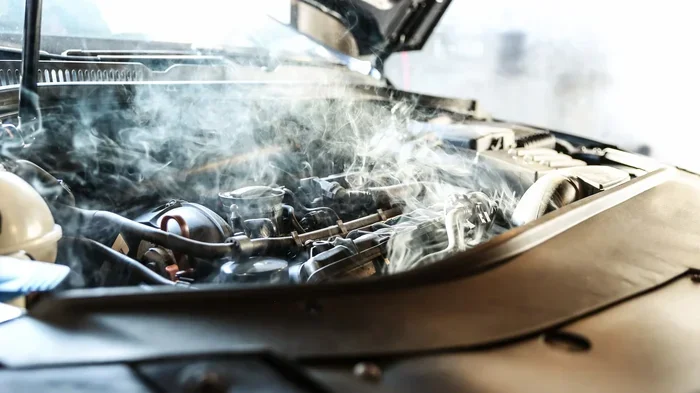
- Eventually, the engine overheats, and you see the warning light come on.
This is a serious problem because it can happen slowly. You might not notice the first signs right away. By the time the temperature gauge spikes, the damage could already be starting.
When the Sensor Sends a Hot Signal
In this case, the sensor tells the ECU the engine is hotter than it actually is. The ECU responds by leaning out the fuel mixture, which means less fuel. This might sound like it would keep the engine cooler, but it can cause other problems. A lean fuel mixture can cause detonation, also known as knocking. Detonation creates extra heat and pressure inside the cylinders. Over time, this can damage the pistons, rings, and even the head gasket.
Plus, a lean mixture can cause the engine to run rough and lose power. You might notice your car hesitating when you step on the gas. These are all signs that something is off with the sensor readings.
Common Symptoms of a Failing Temperature Sensor
Knowing the symptoms can save you from a major repair bill. Here are the most common signs that your temperature sensor is going bad:
- Temperature gauge reads erratically: The needle jumps up and down without reason. It might show normal one minute and hot the next.
- Check engine light comes on: The ECU stores an error code when it gets confusing signals from the sensor. A mechanic can read this code with an OBD2 scanner.
- Cooling fans do not turn on: If the fans never kick on when the engine is hot, the sensor might be sending a false cold signal.
- Poor fuel economy: A rich fuel mixture wastes gas. If you are filling up more often than usual, the sensor could be the culprit.
- Black smoke from the exhaust: Extra fuel that does not burn completely comes out as dark smoke. This is a classic sign of a rich mixture caused by a bad sensor.
- Engine runs rough or stalls: Wrong fuel mixture and timing can cause misfires, rough idling, or stalling, especially when the engine is cold.
- Overheating warnings: The temperature gauge hits the red zone, or you see a warning message on the dashboard.
If you notice any of these symptoms, do not ignore them. A bad temperature sensor is a cheap fix, but ignoring it can lead to a very expensive repair. The longer you drive with a failing sensor, the more damage it can cause to your engine.
What Happens When the Sensor Sends Wrong Data?
When the temperature sensor sends incorrect data, your engine computer makes bad decisions. These bad decisions affect almost every system in your car. Let us look at the three main areas impacted.
| System Affected | What Goes Wrong | Result |
|---|---|---|
| Fuel Mixture | ECU enriches or leans the mixture based on wrong temp data | Rich mixture causes overheating; lean mixture causes knocking and damage |
| Ignition Timing | ECU adjusts timing based on wrong temp data | Detonation, reduced power, and increased engine heat |
| Cooling Fans | Fans do not activate when they should | Engine overheats, especially at idle or in traffic |
| Fuel Economy | ECU adds too much or too little fuel | Wasted gas and increased emissions |
| Engine Longevity | Constant overheating stresses internal parts | Premature wear on pistons, head gasket, and bearings |
As you can see from the table, one bad sensor can cause a chain reaction. The fuel mixture, timing, and cooling all depend on accurate temperature data. When that data is wrong, everything downstream suffers.
For diesel owners, this is especially important. Diesel engines run hotter than gas engines and rely heavily on accurate sensor data to manage combustion temperatures. If you want to learn more about diesel maintenance, check out our guide on what counts as a lot of miles for a diesel engine.
Quick Tips for Temperature Sensor Health
Here are some simple tips to keep your temperature sensor working well:
- Check your coolant level regularly: Low coolant can cause the sensor to read incorrectly. Top it off with the right type of coolant for your vehicle.
- Keep your radiator clean: Dirt and debris can block airflow, making the sensor think the engine is hotter than it is.
- Do not ignore warning lights: If the check engine light or temperature warning comes on, get it checked right away.
- Use an OBD2 scanner at home: A basic scanner costs under 30 dollars and can help you catch sensor problems early.
- Follow your maintenance schedule: Regular coolant flushes help prevent sensor corrosion and keep readings accurate.
Common Mistakes People Make
Here are some mistakes car owners make when dealing with temperature sensor issues:
- Replacing the sensor without diagnosing the real problem: Sometimes the sensor is fine, but the wiring or connector is corroded. Always check the whole circuit first.
- Ignoring the check engine light: Many people drive for months with the light on. This can turn a small sensor problem into a blown head gasket.
- Adding water instead of coolant: Water does not have the same properties as coolant. It can cause corrosion inside the sensor and radiator.
- Assuming the temperature gauge is always right: The gauge on your dashboard is only as good as the sensor feeding it. A bad sensor means a bad reading.
- Driving an overheating car: This is the worst mistake. Even a few minutes of driving while overheating can warp the cylinder head or blow the head gasket.
How to Diagnose a Faulty Temperature Sensor
Diagnosing a bad temperature sensor is easier than you might think. You do not need to be a professional mechanic. With a few basic tools and some patience, you can figure out if the sensor is the problem.
Step 1: Check the temperature gauge. Watch the gauge while the engine is running. Does it read normally, or does it jump around? A steady normal reading does not always mean the sensor is good, but erratic readings are a red flag.
Step 2: Look for the check engine light. If the check engine light is on, grab an OBD2 scanner. Common error codes for a bad temperature sensor include P0115, P0116, P0117, and P0118. These codes point directly to the coolant temperature sensor circuit.
Step 3: Inspect the sensor and wiring. Locate the temperature sensor on your engine. Check for corrosion, loose connections, or damaged wires. Sometimes the problem is not the sensor itself but the connector or wiring harness.
Step 4: Test the sensor with a multimeter. Set your multimeter to measure resistance. Disconnect the sensor connector and measure the resistance across the sensor terminals. Compare your reading to the manufacturer’s specifications. The resistance should change smoothly as you warm the sensor with your hands or a heat gun.
Step 5: Check the coolant. Old or contaminated coolant can cause the sensor to give false readings. If it has been more than two years since your last coolant flush, this could be part of the problem.
Expert Insight: Many mechanics say that a temperature sensor should last the lifetime of the vehicle, but that is not always true. Heat, corrosion, and age can all take a toll. If your car has over 100,000 miles, it is worth checking the sensor as part of your regular maintenance routine.
If you are not comfortable doing these checks yourself, take your car to a trusted mechanic. A quick diagnostic visit can save you hundreds of dollars in the long run. The key is to catch the problem early before it turns into a major overheating event.
Fixing and Preventing Temperature Sensor Problems
Once you have confirmed the sensor is bad, fixing it is usually straightforward. The exact process depends on your vehicle, but here is the general approach.
Step 1: Locate the sensor. It is usually found near the thermostat housing or on the engine block. Refer to your vehicle’s service manual for the exact location.
Step 2: Disconnect the electrical connector. Unplug the wiring harness that connects to the sensor. Be gentle to avoid breaking the connector.
Step 3: Remove the old sensor. Use the correct size wrench or socket to unscrew the sensor. Be careful not to strip the threads in the engine block.
Step 4: Install the new sensor. Apply a small amount of thread sealant to the new sensor’s threads. Screw it in by hand first, then tighten with the wrench. Do not overtighten.
Step 5: Reconnect the wiring harness. Plug the connector back in until you hear it click.
Step 6: Clear the error codes. Use your OBD2 scanner to clear any stored codes. Start the engine and let it run for a few minutes. Watch the temperature gauge to make sure it reads normally.
The cost of replacing a temperature sensor is usually between 50 and 250 dollars, depending on your vehicle. The part itself is often under 50 dollars. The rest is labor. Most mechanics can do the job in under an hour.
Prevention is the best medicine. Here is how to keep your temperature sensor healthy for the long haul:
- Flush your coolant on schedule: Most manufacturers recommend a coolant flush every 30,000 to 50,000 miles. Fresh coolant prevents corrosion inside the sensor.
- Check for coolant leaks: Even small leaks can lower the coolant level and affect sensor readings. Inspect under your car for any green, orange, or pink puddles.
- Keep the engine bay clean: Dirt and grime can build up around the sensor and connector. A clean engine bay helps the sensor work properly and makes it easier to spot problems early.
- Use the right coolant: Not all coolants are the same. Check your owner’s manual and use the type recommended by the manufacturer.
- Address overheating quickly: If your engine ever starts to run hot, pull over and turn off the engine. Continuing to drive can damage the sensor and many other components.
The bottom line is this: a bad temperature sensor is a small part that can cause big problems. But the good news is that it is also a small fix. The key is catching it early and not ignoring the warning signs. Your engine works hard every day. Give it the accurate information it needs to stay cool and run strong.
A bad temperature sensor is one of the most overlooked causes of engine overheating. Most people think of a broken water pump, a leaking radiator, or a failed thermostat when they hear the word “overheating.” But the temperature sensor sits at the heart of the entire cooling system. It is the link between your engine and your ECU. When that link breaks, the whole system falls apart.
Take care of your temperature sensor, and it will take care of your engine. Check your coolant, watch your temperature gauge, and never ignore a warning light. These simple habits can keep your car running cool and trouble-free for years to come.
Frequently Asked Questions
Can a bad temperature sensor cause my car to overheat even if the coolant level is fine?
Yes, it absolutely can. The temperature sensor tells the ECU how hot the engine is. If the sensor is broken, the ECU might not trigger the cooling fans or might send the wrong fuel mixture. This can cause overheating even when you have plenty of coolant in the system.
How much does it cost to replace a temperature sensor?
Most replacements cost between 50 and 250 dollars total. The sensor part itself is usually under 50 dollars. The rest is labor, which most mechanics can do in under an hour. Prices vary depending on your vehicle make and model.
Can I drive my car with a bad temperature sensor?
You can, but you should not. A bad sensor can cause the engine to overheat without warning. Even a short drive while overheating can cause serious damage like a blown head gasket or warped cylinder head. Get it fixed as soon as possible.
What error codes are linked to a bad temperature sensor?
The most common codes are P0115, P0116, P0117, and P0118. These codes all relate to the coolant temperature sensor circuit. An OBD2 scanner can read these codes quickly, making diagnosis simple and affordable.
How often should I replace my temperature sensor?
Temperature sensors are designed to last a long time, often 100,000 miles or more. However, heat and corrosion can cause them to fail earlier. If your car has high mileage or you notice any symptoms, it is worth having the sensor checked during regular maintenance visits.
Will a bad temperature sensor affect my fuel economy?
Yes, it can. A failing sensor often causes the ECU to run a rich fuel mixture, which wastes gas. You might notice you need to fill up more often than usual. Fixing the sensor can restore normal fuel economy and save you money at the pump.