Can You Use an E-ZPass in a Rental Car Everything You Need
Yes, you can use an E-ZPass in a rental car in most cases, but the rules vary by rental company and location. Many major rental agencies now offer E-ZPass toll transponders as add-ons, while others charge automatic toll fees to your credit card. Understanding the policy before you drive is the best way to avoid unexpected rental car toll charges.
Key Takeaways
- E-ZPass works in most rental cars: You can typically use your personal E-ZPass or rent one from the car rental company, but policies differ widely.
- Watch for hidden toll fees: Rental companies often add service fees on top of actual toll charges, making your total cost higher than expected.
- Check your rental agreement carefully: Always read the fine print about toll handling before you drive off the lot.
- Some E-ZPass transponders may not work: Older or incompatible transponders might not function properly in all rental vehicles.
- Return the transponder on time: Late returns can result in additional fees or charges to your account.
- Know the toll booths that accept E-ZPass: E-ZPass works across 16 eastern states and parts of the Midwest, so plan your route accordingly.
- Consider alternatives: Pay-by-plate systems and rental car toll packages offer different benefits depending on your travel needs.
📑 Table of Contents
- Can You Use an E-ZPass in a Rental Car? Everything You Need to Know Before You Drive
- How E-ZPass Works in Rental Cars
- Rental Car Toll Policies by Company
- Common Mistakes When Using E-ZPass in Rental Cars
- Understanding Toll Violations and Fines
- Alternatives to Using E-ZPass in Rental Cars
- Expert Insights on E-ZPass and Rental Cars
- E-ZPass Coverage and Compatible States
- What Happens When You Return the Rental Car
- Final Thoughts and Tips
Can You Use an E-ZPass in a Rental Car? Everything You Need to Know Before You Drive
Planning a road trip and wondering about tolls? If you have an E-ZPass account, you might be asking yourself, “Can I use my E-ZPass in a rental car?” The short answer is yes, but the details matter a lot. Not every rental company handles tolls the same way, and a few wrong moves can lead to surprise charges on your credit card.
Let us break down everything you need about E-ZPass rental car policies, toll fees, and how to stay ahead of those hidden costs. Whether you are crossing state lines or just driving through a few toll booths, this guide has you covered.
How E-ZPass Works in Rental Cars
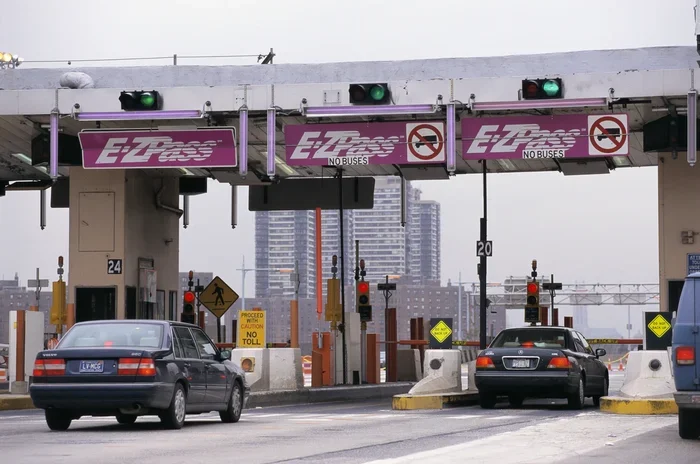
E-ZPass is an electronic toll collection system used across much of the eastern United States. It uses a small transponder mounted on your windshield. The transponder communicates with toll booths automatically, so you do not need to stop and pay cash.
When you rent a car, the toll situation gets a little more complicated. Here is what typically happens:
- Your personal E-ZPass transponder can usually be placed in the rental car. It will work at toll booths just like it does in your own vehicle.
- The rental company may offer a toll transponder for you to use during your rental period. This is often mounted on the windshield for you.
- Some companies use license plate recognition to bill tolls directly to your rental account. You do not need a transponder at all.
Using Your Own E-ZPass Transponder
You can absolutely bring your own E-ZPass toll payment device into a rental car. Most rental companies do not prohibit this. However, there are a few things to keep in mind:
- Make sure your transponder is active and has a balance or linked payment method.
- Place it on the windshield behind the rearview mirror, just like you would in your personal car.
- Check that your E-ZPass account is set up for the states you will be driving through.
- Remove the transponder before you return the car if the rental agreement says so.
Renting a Transponder From the Car Rental Company
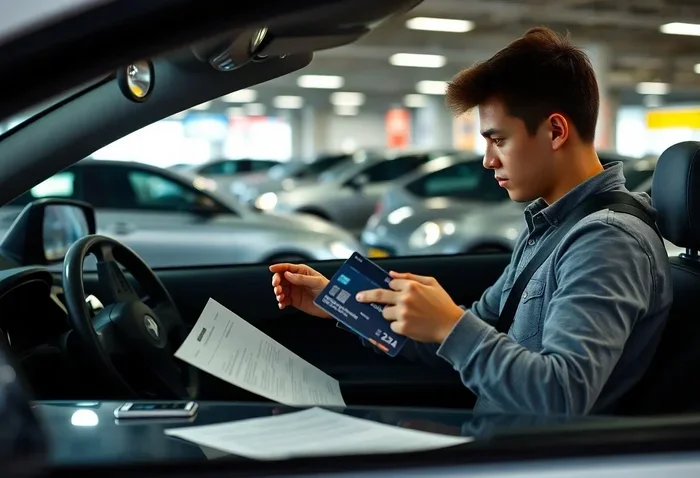
Many major rental agencies like Hertz, Enterprise, and Avis now offer toll transponder rental as an add-on. You pick up the transponder when you collect your car. You return it when you bring the car back. The company charges you for each toll crossing plus a daily or flat fee for the device itself.
This option works well if you do not have your own E-ZPass account or if you are traveling through states where your current E-ZPass might not work.
Rental Car Toll Policies by Company
Every rental company has its own approach to car rental toll fees. Here is a quick look at how some of the biggest names handle tolls:
| Rental Company | Toll Option | Approximate Fee Structure |
|---|---|---|
| Enterprise | Toll transponder available | Daily rental fee plus actual toll charges |
| Hertz | Passport toll program | Toll charges plus service fee per transaction |
| Avis | Pay-by-plate or transponder | Toll amount plus administrative fee |
| Budget | Toll transponder available | Daily device fee plus toll charges |
| National | Toll transponder available | Toll charges plus service fee |
As you can see, the fees add up fast. The actual toll might be only a few dollars, but the service fee can double or triple that amount. Always compare your options before committing to a rental company toll program.
What to Watch Out For
The biggest surprise for most renters is the rental car toll violations that can pop up. If you drive through a toll booth and the system does not recognize your transponder or license plate, the toll authority may send a violation notice. The rental company will then forward that fine to you, often with an additional processing fee on top.
Common Mistakes When Using E-ZPass in Rental Cars
Even experienced road trippers can stumble when it comes to tolls. Here are some common mistakes to avoid:
- Forgetting to activate the transponder: A dormant transponder will not work at toll booths. Check your E-ZPass account status before you leave.
- Leaving your personal transponder in the car: Some rental agreements require you to remove personal devices. Always read the return policy.
- Not checking which states your E-ZPass covers: E-ZPass works in over 16 states, but coverage varies. Make sure your account works in every state on your route.
- Ignoring the rental toll agreement: Skipping the toll add-on might sound smart, but it can lead to violations and extra charges.
- Returning the transponder late: Late returns often mean extra daily fees. Mark your calendar or set a reminder.
Quick Tips to Avoid Toll Trouble
- Always ask about toll options when you pick up your rental car.
- Take a photo of the toll transponder and its location in the car.
- Keep all toll receipts in case of a billing dispute later.
- Check your credit card statement after the rental for unexpected toll charges.
- Call the rental company immediately if you notice a toll error.
Understanding Toll Violations and Fines
One of the biggest concerns with rental car tolls is the risk of violations. When a toll booth does not register payment, the toll authority sends a notice. The rental company gets involved because they own the vehicle. Then you get a bill in the mail.
Here is how the process usually works:
- You drive through a toll booth without a successful payment reading.
- The toll authority issues a violation notice to the vehicle registration.
- The rental company identifies you as the renter at that time.
- The rental company forwards the violation to you with a processing fee added.
- You pay the fine, which often includes the original toll cost plus a penalty charge.
These toll road charges can range from $25 to over $100 depending on the state and the rental company. It pays to be proactive about avoiding these situations.
How to Dispute a Toll Violation
If you receive a toll violation you believe is unfair, you have options:
- Contact the rental company first. They often have a dedicated toll dispute department.
- Gather evidence like GPS logs, toll receipts, or photos of the toll booth.
- File a dispute directly with the toll authority in the state where the violation occurred.
- Keep copies of everything. Communication trails matter.
Alternatives to Using E-ZPass in Rental Cars
Not everyone wants to deal with E-ZPass. Fortunately, there are other ways to handle tolls during a rental. Let us look at the most popular alternatives:
Pay-By-Plate Systems
More toll booths are adopting automated toll payment systems that photograph your license plate. The toll is billed to the vehicle owner or, in the case of rentals, to your credit card through the rental company. This system works without any transponder at all.
This is great for short trips or one-time rentals where you do not want the hassle of a device on your windshield. The downside is that processing times can be slower, and service fees still apply.
Rental Car Toll Packages
Some rental companies offer flat-rate rental car toll packages for a set number of days. You pay a daily fee, and tolls are covered up to a certain limit. This works well for long road trips with lots of toll crossings.
However, read the fine print carefully. Overage charges can be steep if you exceed the included toll limit.
Cash Payments at Toll Booths
You can always pay cash at toll booths that accept it. This avoids any rental company fees entirely. But it requires you to stop at every booth, which can slow down a long road trip. Also, not all toll booths have cash lanes anymore.
Comparison of Toll Options
| Option | Convenience | Cost | Best For |
|---|---|---|---|
| Personal E-ZPass | High | Low (toll only) | Owners of E-ZPass accounts |
| Rental Transponder | Medium | Medium (device fee + tolls) | Multi-state road trips |
| Pay-By-Plate | High | Medium (service fees) | Short-term rentals |
| Toll Package | High | Varies | Long road trips |
| Cash Payment | Low | Lowest (toll only) | Budget travelers |
Expert Insights on E-ZPass and Rental Cars
We spoke with a few industry professionals to get their take on E-ZPass compatible vehicles and toll handling in rentals. Here is what they had to say:
Sarah Mitchell, Travel and Automotive Analyst: “The biggest mistake renters make is ignoring the toll policy entirely. They assume it is a small cost. In reality, unpaid tolls can snowball into $200 or more in fines and fees by the end of a week-long trip.”
David Chen, Fleet Operations Manager: “Most modern rental cars come equipped with windshield mounts designed for transponders. The issue is never the equipment. It is the billing. Renters need to understand that every toll crossing triggers a potential charge from their rental company.”
Key Insight: The best approach is to plan ahead. Know your route, know the tolls, and choose a payment method before you hit the highway.
E-ZPass Coverage and Compatible States
E-ZPass is not just a single-state system. It works across a wide network of states, which makes it incredibly useful for road trips. Currently, E-ZPass toll payment is accepted in these states:
- Connecticut, Delaware, Florida, Georgia, Illinois, Indiana, Kentucky, Maine, Maryland, Massachusetts, Michigan, Minnesota, New Hampshire, New Jersey, New York, North Carolina, Ohio, Pennsylvania, Rhode Island, Virginia, West Virginia, and Wisconsin.
This means your personal E-ZPass transponder will work on most highway tolls in the eastern half of the country. If you are traveling out west, however, you will likely need to rely on other toll systems like SunPass in Florida, FasTrak in California, or pay-by-plate systems.
Quick Tips for Multi-State Trips
- Verify that your E-ZPass account is active in every state on your route.
- Check your E-ZPass account online or through the app before each day of driving.
- Keep your rental car toll agreement handy for reference during the trip.
- Consider a rental transponder if you are unsure about compatibility.
What Happens When You Return the Rental Car
Returning a rental car with a toll transponder requires some attention. Here is what you need to do:
- Remove the transponder if the rental agreement requires it. Some companies want it left in place, so check first.
- Return the car during business hours. This ensures the rental company can process the return and any toll charges the same day.
- Keep your return receipt. This protects you from claims that the car was returned late or with damage.
- Check your credit card statement within a week. Look for any toll charges or fees that might have posted after your return.
Most rental companies process toll charges within 5 to 10 business days after your return. If you see charges that look wrong, contact the company right away. Rental car toll violations become harder to dispute the longer you wait.
Final Thoughts and Tips
So, can you use an E-ZPass in a rental car? Absolutely. But the real question is how to do it smartly. The key is preparation. Read your rental agreement, understand the toll policy, and choose the option that fits your trip best.
Whether you use your own transponder, rent one from the agency, or go with a pay-by-plate system, the goal is the same: get where you are going without any toll surprises. A little planning saves you money, time, and a whole lot of stress.
Before you hit the road, take ten minutes to review everything we covered here. Your future self will thank you when you are cruising down the highway with zero toll worries.
Frequently Asked Questions
Can I use my personal E-ZPass transponder in any rental car?
In most cases, yes. You can place your personal E-ZPass transponder in a rental car and use it at toll booths. However, always check your rental agreement first. Some companies have specific rules about personal transponders, and you should remove the device before returning the vehicle if required.
How much does it cost to rent an E-ZPass transponder from a car rental company?
Most rental companies charge a daily fee for the transponder device itself, usually ranging from $4 to $8 per day. On top of that, you pay the actual toll charges for each crossing. Some companies also add a service or processing fee per toll transaction, which can make the total cost significantly higher than paying tolls on your own.
What happens if I forget to return the E-ZPass transponder?
If you fail to return the transponder by your rental return date, the company will start charging daily late fees. These can add up quickly. In some cases, the company may charge your credit card for a replacement transponder. Always set a reminder to return the device on time.
Does E-ZPass work in all states for rental cars?
E-ZPass works in over 16 states, mostly in the eastern and midwestern United States. However, it does not work in all states. If you are traveling to states like California, Texas, or most western states, you will need to use local toll systems like FasTrak or pay-by-plate methods instead. Check your E-ZPass account for state-specific coverage details.
Can I be charged for tolls I did not actually drive through?
This can happen if the toll system misreads your transponder or license plate. It is rare but not impossible. If you receive a toll violation you believe is incorrect, contact the rental company and the toll authority to dispute the charge. Keep any evidence like GPS records or trip logs to support your claim.
Are there cheaper alternatives to using E-ZPass with a rental car?
Yes. You can pay cash at toll booths that accept it, use pay-by-plate systems, or choose a rental car toll package with a flat daily rate. Each option has pros and cons. Cash is the cheapest but least convenient. Pay-by-plate is easy but still carries service fees. A toll package works best for long trips with many toll crossings.
Conclusion
Using an E-ZPass in a rental car is entirely possible and can make your road trip much smoother. The key is understanding the policies, comparing your options, and planning ahead. Whether you bring your own transponder or rent one from the agency, knowing how toll charges work helps you avoid nasty surprises on your credit card statement.
We hope this guide answered all your questions about can you use an E-ZPass in a rental car. The bottom line is simple: preparation is everything. Read the fine print, ask questions at the rental counter, and keep track of your toll charges throughout your trip. Safe travels and happy driving!