Can Bad Gas Cause a P0171 Code and Fuel System Issues
Can bad gas cause a P0171 code? Yes, contaminated fuel is a common culprit behind the P0171 code, which signals a lean condition in your engine. Bad gas can throw off your air-fuel ratio, clog filters, and starve the engine of fuel, leading to rough idle, misfires, and check engine light. In this guide, we’ll break down exactly how low-quality gasoline triggers fuel system issues and what you can do to fix it.
You’re driving along, and suddenly the check engine light pops on. You plug in your OBD-II scanner and see the dreaded P0171 code. Your mind races. Did you just put bad gas in the tank? Can bad gas cause a P0171 code? The short answer is yes, and it’s more common than you think. Contaminated fuel can wreak havoc on your engine, creating a lean condition that triggers this specific trouble code. In this article, we’ll walk through exactly how bad gas affects your fuel system, what other issues can mimic the same symptoms, and how to fix the problem step by step.
Whether you’re a DIY mechanic or just someone who wants to understand the check engine light, this guide covers everything. We’ll break down the science behind fuel contamination, show you how to diagnose the real cause, and give you practical tips to prevent it from happening again. No fluff, no jargon—just clear, actionable advice that helps you get back on the road safely.
Key Takeaways
- Bad gas can definitely trigger a P0171 code by creating a lean condition.
- Contaminated fuel disrupts the air-fuel ratio, causing the engine to run too lean.
- Water or debris in gasoline can clog the fuel filter and starve injectors.
- Other causes like vacuum leaks or faulty sensors can mimic bad gas symptoms.
- Using an OBD-II scanner helps confirm the P0171 code and check fuel trims.
- Prevention is simple—buy gas from reputable stations and keep your fuel system clean.
📑 Table of Contents
- What Is a P0171 Code and Why Should You Care?
- Can Bad Gas Cause a P0171 Code?
- How Bad Fuel Messes with Your Engine’s Balance
- Other Usual Suspects Behind a P0171 Code
- Step-by-Step Diagnosis When You See P0171
- How to Fix a P0171 Code Caused by Bad Gas
- Preventing Fuel System Issues in the Future
- Conclusion
What Is a P0171 Code and Why Should You Care?
The P0171 code means your engine’s bank 1 is running too lean. In simple terms, there’s too much air and not enough fuel in the combustion chamber. Modern engines rely on a precise air-fuel ratio to run smoothly. When that balance shifts, you’ll notice rough idle, hesitation, or even stalling. The Engine Control Unit (ECU) constantly monitors this ratio using sensors like the oxygen sensor and mass airflow sensor. If the ECU detects a lean condition for too long, it logs the P0171 code and lights up the check engine light.
Ignoring a P0171 code can lead to bigger problems. A persistent lean condition can cause engine misfires, damage the catalytic converter, and reduce fuel efficiency. That’s why it’s important to address the root cause quickly. Sometimes the fix is as simple as adding a fuel additive, and other times it points to a deeper issue like a vacuum leak or a failing fuel pump. Here are common symptoms to watch for:
- Rough or shaky idle
- Hesitation when accelerating
- Engine stalling at low speeds
- Reduced fuel economy
- Strong fuel smell from the exhaust
How the Engine Measures Fuel Mix
Your car uses a closed-loop fuel control system to adjust the air-fuel ratio in real time. The oxygen sensor measures the amount of oxygen in the exhaust. The mass airflow sensor tells the ECU how much air is entering the engine. Together, they calculate the perfect fuel amount. If either sensor gives bad data, or if the fuel itself is compromised, the ECU can’t maintain the correct ratio. That’s when the P0171 code appears.
The ECU uses short-term fuel trim and long-term fuel trim values to make these adjustments. Short-term trims react quickly to changes. Long-term trims smooth out those adjustments over time. If you see trims consistently above +10%, it often points to a lean condition. A P0171 code is the ECU’s way of telling you something is wrong with that balance.
Can Bad Gas Cause a P0171 Code?
The direct answer is yes. Bad gas can absolutely cause a P0171 code. But how does contaminated fuel create a lean condition? Let’s break it down. Low-quality gasoline often contains impurities like water, dirt, or excessive ethanol. These contaminants dilute the fuel, reducing the energy content per drop. When the engine burns this weak fuel, it doesn’t get enough combustible material. The ECU responds by adding more fuel, but if the contamination is severe, the fuel injectors can’t compensate. The result is a persistent lean condition that triggers the P0171 code.
Water in Gasoline: The Silent Killer
Water contamination is one of the most common reasons bad gas causes a P0171 code. Water doesn’t burn like gasoline. When water enters the combustion chamber, it displaces fuel. The engine effectively runs on a weaker mixture. You might notice a rough idle or hesitation during acceleration. In severe cases, water can cause fuel injector corrosion and damage the fuel pump over time.
Water often enters the tank through condensation or a faulty gas cap. It can also come from contaminated fuel at the station. If you suspect water in your gas, you might see a separate code like P0171 along with a fuel system warning. A simple fuel additive that removes water can help in mild cases. But if the contamination is heavy, you may need to drain the tank and refill with clean fuel. Here’s a quick tip: if the fuel looks cloudy or has a separate layer at the bottom, don’t start the car. Have it towed to a shop for draining.
Excessive Ethanol and Its Effects
Many gas stations sell E10 or E15 blends. While these are generally safe, higher ethanol blends like E85 can cause issues in vehicles not designed for them. Ethanol is hygroscopic, meaning it absorbs moisture from the air. This can lead to fuel contamination and phase separation, where water and ethanol drop to the bottom of the tank. Burning this mixture can create a lean condition and set off the P0171 code. Always check your owner’s manual for the recommended fuel grade. Using the wrong ethanol blend is a sneaky way to damage your fuel system without realizing it.
How to Spot Contaminated Fuel at the Pump
It’s not always easy to tell if gas is bad before you fill up. However, a few signs can help you avoid trouble. If the gas station looks poorly maintained or the pumps are old, be cautious. Fuel that appears darker than usual or has a strong chemical smell may be contaminated. If you notice your car running rough immediately after filling up, that’s a red flag. Try to buy gas from high-traffic stations where fuel turns over quickly. Fresh fuel is less likely to have water or debris. Using a fuel additive after every few tanks can also help neutralize minor contamination.
How Bad Fuel Messes with Your Engine’s Balance
When bad gas enters the system, it doesn’t just affect the air-fuel ratio. It can impact multiple components of the fuel system. Understanding this chain reaction helps you diagnose the problem faster.
Clogged Fuel Filter and Injectors
Contaminated fuel often contains debris and sediment. These particles can clog the fuel filter quickly. A restricted filter starves the fuel injectors of fuel. When the injectors can’t deliver enough fuel, the engine runs lean. You might notice a drop in power or a rough idle. In extreme cases, the fuel pump has to work harder, which can lead to premature failure.
If you’ve been filling up at a sketchy station, a clogged fuel filter is often the first sign. Replacing the filter is inexpensive and can resolve the P0171 code if the contamination is caught early. However, if the injectors are already damaged, you may need professional cleaning or replacement. Here’s a practical tip: keep a spare fuel filter in your trunk if you frequently drive in rural areas where fuel quality varies.
Impact on the Oxygen Sensor
The oxygen sensor plays a critical role in maintaining the air-fuel ratio. It measures unburned oxygen in the exhaust and reports back to the ECU. When bad gas creates a lean condition, the exhaust contains more oxygen. The sensor detects this and tells the ECU to add more fuel. But if the fuel is contaminated, the ECU can’t fix the problem. Over time, the constant rich-lean cycling can wear out the oxygen sensor prematurely.
A failing oxygen sensor can also cause the P0171 code on its own. That’s why it’s important to check the sensor’s health when diagnosing a lean condition. A scan tool can show you the short-term fuel trim and long-term fuel trim values. If the fuel trims are extremely high, it often points to a fuel delivery problem or contamination. Replacing a sensor is much cheaper than replacing a damaged catalytic converter.
Carbon Buildup from Poor Combustion
Bad fuel often burns incompletely. This leads to carbon buildup on valves, pistons, and fuel injectors. Carbon deposits can restrict fuel flow and alter the combustion process. Over time, this buildup can cause a persistent P0171 code even after you’ve switched to clean fuel. Using a fuel system cleaner additive can help dissolve these deposits. A professional fuel induction service can also clean the intake valves and restore proper airflow.
Other Usual Suspects Behind a P0171 Code
While bad gas is a common cause, it’s not the only one. Several other issues can create the same lean condition and trigger a P0171 code. Before you blame the fuel, consider these possibilities.
Vacuum Leaks
A vacuum leak is one of the most frequent causes of a lean code. It happens when unmetered air enters the engine through a cracked hose, loose intake manifold gasket, or faulty PCV valve. The ECU sees extra air but can’t add enough fuel to compensate. The result is a lean condition. You might notice a hissing sound or a rough idle. A simple smoke test can reveal the leak’s location. Fixing a vacuum leak can often clear the P0171 code without any fuel system work.
Faulty Mass Airflow Sensor
The mass airflow sensor tells the ECU how much air is entering the engine. If this sensor is dirty or failing, it sends incorrect data. The ECU then calculates the wrong fuel amount. A dirty MAF sensor can cause a P0171 code even if your fuel is perfectly good. Cleaning the sensor with a proper cleaner often resolves the issue. If cleaning doesn’t work, replacement is usually necessary. Always use a MAF sensor cleaner—never touch the delicate wires inside.
Low Fuel Pressure
A weak fuel pump or a clogged fuel filter can reduce fuel pressure. When pressure drops, the injectors can’t spray enough fuel. This creates a lean condition that mimics the effects of bad gas. You might notice the engine struggling under load or at highway speeds. Testing the fuel pressure with a gauge is a quick way to rule out this issue. If the pressure is low, check the fuel pump relay and fuse before replacing the pump.
Faulty Fuel Pressure Regulator
The fuel pressure regulator maintains consistent fuel pressure to the injectors. If it fails, pressure can drop or spike unpredictably. A failing regulator often causes a lean condition and sets a P0171 code. You might notice black smoke from the exhaust or a strong fuel smell. Replacing the regulator is usually a straightforward repair. Always check the vacuum line connected to the regulator first, as a cracked line can cause the same symptoms.
Step-by-Step Diagnosis When You See P0171
Diagnosing a P0171 code doesn’t have to be overwhelming. Follow these steps to find the root cause and avoid unnecessary part replacements.
Step 1: Check for Other Codes
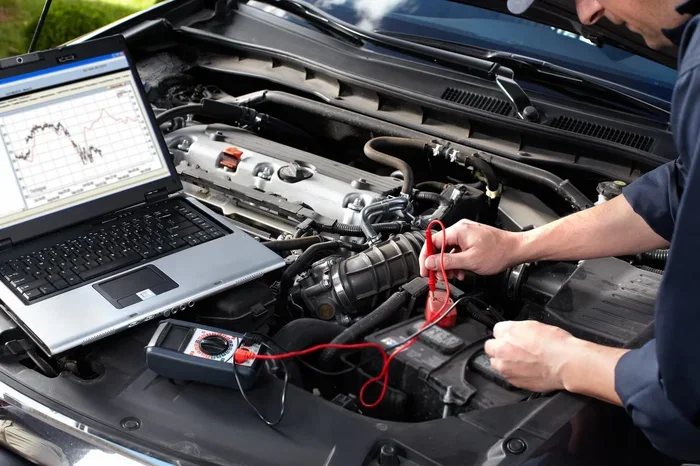
Use your OBD-II scanner to see if there are any additional codes. Codes like P0174 (bank 2 lean), P0300 (random misfire), or P0420 (catalyst efficiency) often accompany a P0171 code. These clues help narrow down the problem. If you see a fuel system code alongside P0171, there’s a good chance bad gas is involved.
Step 2: Inspect the Fuel
Take a close look at the fuel. If you just filled up, consider the gas station’s reputation. Water in fuel often looks like a cloudy layer at the bottom of the tank. You can also use a fuel water separator additive to draw out moisture. If the fuel looks discolored or has sediment, drain the tank and refill with clean, high-octane fuel from a trusted station.
Step 3: Check Fuel Pressure and Volume
Attach a fuel pressure gauge to the rail and compare the reading to your vehicle’s specifications. Low pressure often points to a weak fuel pump or a clogged filter. You should also check the fuel volume by measuring how much fuel the pump delivers in a set time. A healthy pump should deliver the specified amount quickly. If the pressure is low, inspect the fuel filter first—it’s the cheapest and easiest fix.
Step 4: Look for Vacuum Leaks
Inspect all vacuum hoses and the intake manifold for cracks or loose connections. A simple trick is to spray carburetor cleaner around the intake while the engine is idling. If the idle changes, you’ve found a leak. Fixing a vacuum leak can often clear the P0171 code without any fuel system work. Don’t forget to check the PCV valve and its hose, as these are common leak points.
Step 5: Examine the Oxygen Sensor and MAF
Use the scan tool to view the oxygen sensor data and fuel trims. Short-term fuel trims that swing wildly between rich and lean often indicate a sensor issue or fuel delivery problem. Clean the MAF sensor with a dedicated cleaner and recheck the code. If the P0171 code returns, the problem is likely elsewhere. Always clear the code after each repair and test drive to verify the fix.
How to Fix a P0171 Code Caused by Bad Gas
If you’ve confirmed that bad gas is the cause, fixing it is usually straightforward. The goal is to remove the contaminated fuel and restore the proper air-fuel ratio.
Drain and Refill
The most effective fix is to drain the tank completely. This removes any water, debris, and low-quality gasoline. Once the tank is empty, refill it with fresh, high-octane fuel from a reputable station. Adding a fuel system cleaner additive during the refill can help flush out any remaining contaminants. This method works well if the contamination is caught early and the engine hasn’t run severely lean for an extended period.
Replace the Fuel Filter
Contaminated fuel often clogs the fuel filter. Replacing it is a cheap and easy way to restore proper fuel flow. A new filter ensures that debris and water don’t reach the fuel injectors or fuel pump. After replacing the filter, clear the P0171 code with your scanner and take a test drive. If the code doesn’t return, you’ve solved the problem.
Clean or Replace the Fuel Injectors
If the bad gas has been sitting in the system for a while, the injectors may be clogged or corroded. You can use an ultrasonic injector cleaning service or a high-quality additive. In severe cases, replacement might be necessary. Clean injectors ensure proper fuel atomization, which is essential for maintaining the correct air-fuel ratio. A fuel system cleaner additive can also help maintain clean injectors between services.
Reset the ECU
After fixing the fuel issue, disconnect the battery for about 15 minutes to reset the ECU. This clears the P0171 code and allows the ECU to relearn the correct fuel trim values. Once you reconnect the battery, start the engine and let it idle for a few minutes. Drive gently for the next 20-30 miles to allow the system to fully adapt. If the code returns, you likely have a deeper issue that needs further diagnosis.
When to Seek Professional Help
If you’ve drained the tank, replaced the filter, and cleared the code, but the P0171 code comes back, it’s time to see a pro. Persistent lean conditions can indicate a failing fuel pump, damaged injectors, or internal engine issues like low compression. A professional mechanic can perform a fuel pressure test, compression test, and leak-down test to pinpoint the exact cause. Don’t ignore a returning P0171 code—it can lead to costly damage if left unchecked.
Preventing Fuel System Issues in the Future
Prevention is always better than cure. A few simple habits can keep your fuel system healthy and prevent P0171 codes caused by bad gas.
Buy Gas from Trusted Stations
Stick to well-known gas stations with high turnover. High turnover means fresher fuel with fewer contaminants. Avoid stations that appear poorly maintained or have a history of fuel quality complaints. If you notice a rough idle after filling up, consider using a fuel additive to clean the system. A little caution at the pump can save you a lot of trouble.
Use Quality Fuel Additives
A good fuel system cleaner can prevent build-up and absorb small amounts of water. Look for additives that are compatible with your engine type. Using one every few tanks can help maintain a clean fuel system and improve fuel efficiency. Products that contain polyisobutylene amine (PIBA) or polyether amine (PEA) are effective at cleaning injectors and intake valves.
Keep Your Gas Cap Tight
A loose or damaged gas cap can allow moisture to enter the tank. Always make sure the cap clicks after refueling. If the cap is cracked or worn, replace it immediately. A simple gas cap replacement is inexpensive and can prevent fuel contamination. A proper seal also prevents fuel vapors from escaping, which is better for the environment.
Regular Maintenance Checks
Follow your vehicle’s maintenance schedule for replacing the fuel filter, cleaning the MAF sensor, and inspecting the fuel system. Regular checks catch small problems before they turn into a P0171 code. A proactive approach saves you time, money, and the headache of unexpected breakdowns. Ask your mechanic to inspect the fuel lines and connections during oil changes.
Monitor Your Fuel Trims
If you have an OBD-II scanner at home, get in the habit of checking your fuel trims regularly. Long-term fuel trims that consistently deviate from normal can indicate a developing issue. Catching a slight lean condition early can prevent a full-blown P0171 code and protect your engine from damage. Many aftermarket scanners can log fuel trim data over time, making it easy to spot trends.
Conclusion
So, can bad gas cause a P0171 code? Absolutely. Contaminated fuel disrupts the delicate air-fuel ratio, starves the engine, and triggers a lean condition that your ECU can’t ignore. Whether it’s water, debris, or excessive ethanol, the result is the same: a P0171 code and a check engine light that demands attention. By understanding the causes, diagnosing the problem correctly, and taking preventive steps, you can keep your fuel system healthy and your engine running smoothly. Don’t ignore the warning signs—act quickly, and your car will thank you with better performance and fuel economy.
Remember, a P0171 code is your engine’s way of asking for help. Listen to it, use the right tools, and you’ll be back on the road with confidence. Keep your fuel clean, your sensors happy, and your check engine light off. That’s the best way to avoid fuel system issues and enjoy a worry-free drive.
Frequently Asked Questions
Can a single tank of bad gas cause a P0171 code?
Yes, even one tank of contaminated fuel can trigger a P0171 code. If the gas contains water or debris, it can immediately disrupt the air-fuel ratio and cause a lean condition. The sooner you address it, the less damage it will do.
How do I know if my P0171 code is from bad gas or a vacuum leak?
Check your fuel trims with an OBD-II scanner. If the trims are very high and the fuel looks clean, a vacuum leak is likely. If you just filled up and the fuel appears contaminated, bad gas is the probable cause. A smoke test can confirm a leak.
Will a P0171 code clear itself after I use good gas?
Sometimes, yes. If the contamination was minor and you switch to clean fuel, the ECU may adapt and clear the code after a few drive cycles. However, if the fuel filter or injectors are damaged, the code might return. Always scan the system again after fixing the issue.
Can bad gas damage the catalytic converter?
Yes, running a lean condition for extended periods can overheat the catalytic converter. Contaminated fuel can also cause unburned hydrocarbons to pass through, which damages the converter. That’s why it’s important to fix a P0171 code quickly.
Is it safe to drive with a P0171 code?
Driving short distances is usually safe, but prolonged driving with a lean condition can cause engine misfires and reduce power. It’s best to diagnose and fix the problem as soon as possible to avoid costly repairs to the fuel system or catalytic converter.
What’s the best fuel additive to fix a P0171 code from bad gas?
A fuel water separator additive works well for moisture issues. For general contamination, a quality fuel system cleaner can help dissolve deposits and restore proper fuel injector function. Always choose additives recommended for your engine type.