Can We Convert a Petrol Car to CNG The Complete Guide
Yes, you can convert a petrol car to CNG, and it is one of the smartest moves for saving money on fuel. A CNG conversion kit turns your petrol car into a dual-fuel vehicle, cutting fuel costs by up to 50 percent. This guide walks you through every step, from choosing the right kit to understanding costs, safety, and long-term benefits.
Have you ever looked at the petrol pump price and thought there has to be a better way? You are not alone. Millions of car owners around the world are making the switch from petrol to compressed natural gas. And the question on everyone’s mind is simple: can we convert petrol car to CNG?
The short answer is yes. But like any big car decision, there is a lot to understand before you dive in. This guide breaks it all down for you. We will cover how the conversion works, what it costs, which kit to pick, and whether your specific car is a good candidate. By the end, you will know exactly what to expect.
Converting a petrol car to CNG is not just about saving money. It is also about reducing emissions, extending engine life, and gaining energy independence. CNG burns cleaner than petrol, which means fewer harmful pollutants going into the air. It is a win for your wallet and the environment.
Let us get into the details. Whether you drive an old sedan or a modern hatchback, this guide has something useful for you.
Key Takeaways
- Petrol to CNG conversion is possible: Most petrol cars can be converted with a proper CNG kit and professional installation.
- Significant fuel savings: CNG costs much less than petrol, often saving drivers 40 to 60 percent on fuel bills.
- Two main kit types exist: Sequential injection kits are best for modern cars, while carburetor-based kits work for older models.
- Safety is manageable: CNG is a clean, non-toxic fuel with proper safety valves and regular maintenance.
- Check local laws: Some regions have rules about CNG conversions, so always verify before starting the process.
- Maintenance matters: Regular servicing of the CNG kit ensures engine health and long-term performance.
📑 Table of Contents
- What Is CNG and Why Convert Your Petrol Car?
- Can Every Petrol Car Be Converted to CNG?
- Types of CNG Conversion Kits
- How Much Does It Cost to Convert Petrol to CNG?
- Is CNG Conversion Safe?
- The CNG Conversion Process Step by Step
- CNG vs Petrol: Fuel Cost and Performance Comparison
- Common Mistakes to Avoid When Converting to CNG
- Where to Find CNG Refueling Stations
- How CNG Conversion Affects Your Car’s Value
- Environmental Impact of CNG Vehicles
- Final Thoughts on Converting Your Petrol Car to CNG
What Is CNG and Why Convert Your Petrol Car?
Understanding Compressed Natural Gas
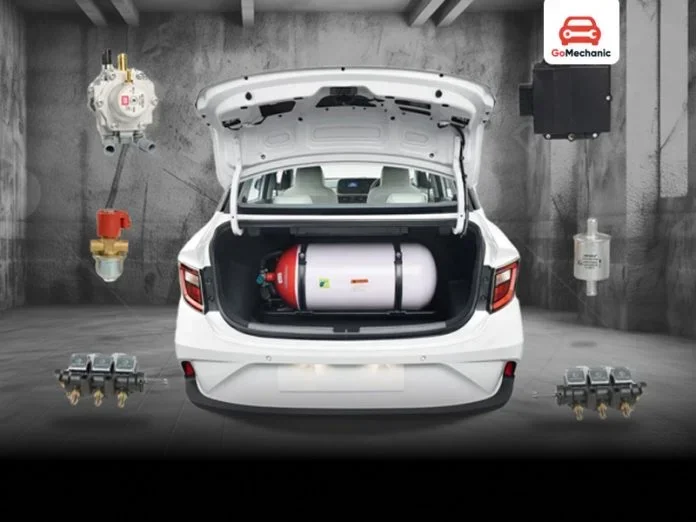
Compressed natural gas, or CNG, is a clean-burning fuel made primarily of methane. It is stored under high pressure in special cylinders, usually mounted in the trunk or under the car. CNG has been used as a vehicle fuel for decades, especially in countries like India, Pakistan, Iran, and Argentina.
When you burn CNG instead of petrol, the combustion is much cleaner. There are fewer carbon deposits, less sulfur, and significantly lower levels of harmful gases like nitrogen oxide and particulate matter. This is one of the biggest reasons people choose petrol to CNG conversion.
Benefits of Switching to CNG
Here are the top reasons car owners choose to make the switch:
- Lower fuel costs: CNG typically costs 40 to 60 percent less than petrol in most markets.
- Cleaner emissions: CNG produces fewer greenhouse gases and harmful pollutants compared to petrol.
- Engine longevity: Because CNG burns cleaner, your engine experiences less wear and tear over time.
- Energy independence: CNG is often domestically produced, reducing dependence on imported oil.
- Quieter engine: CNG combustion is smoother and quieter, which some drivers really appreciate.
- Tax benefits: In many regions, CNG vehicles enjoy lower road taxes or registration fees.
Can Every Petrol Car Be Converted to CNG?
Cars That Are Good Candidates
Not every car is equally suited for CNG conversion, but most petrol cars can be converted successfully. Here are some general guidelines:
- Older carburetor engines: These are the easiest to convert. Many classic cars and older models work great with basic CNG kits.
- Fuel injection cars: Modern petrol cars with multi-point fuel injection can also be converted, but they need a more advanced CNG conversion kit.
- Cars with sufficient trunk space: CNG cylinders take up space. You need room in the trunk or under the car to install them.
- Engines in good condition: A well-maintained engine adapts to CNG much better than one that is already worn out.
Cars That May Need Extra Care
Some cars require extra attention during retrofitting:
- Direct injection engines: These are more complex and need specialized sequential injection kits.
- Turbocharged engines: Turbo petrol engines can work on CNG, but the kit must be properly calibrated for boost pressure.
- Very new cars with smart ECUs: Some manufacturers void warranties if you modify the fuel system. Always check before converting.
The best first step is to consult a trusted CNG installation specialist. They can assess your specific car model and tell you if a conversion is feasible and practical.
Types of CNG Conversion Kits
Carburetor-Based Kits
These are the simplest and most affordable aftermarket CNG kits. They work by replacing or modifying the existing carburetor to deliver a CNG-air mixture to the engine. They are ideal for older cars with carbureted engines.
Pros: Low cost, easy installation, simple maintenance.
Cons: Less precise fuel delivery, not suitable for modern fuel-injected engines.
Sequential Injection Kits
Sequential CNG kits are the gold standard for modern petrol cars. They work with the car’s existing fuel injection system and add a second set of injectors for CNG. The engine control unit (ECU) switches between petrol and CNG seamlessly.
Pros: Excellent fuel efficiency, smooth switching, compatible with modern engines.
Cons: Higher upfront cost, more complex installation.
Converter Regulator Kits
These kits use a converter to change the high-pressure CNG into a low-pressure gas before it enters the engine. They are a middle-ground option and work well with many older fuel-injected cars.
Pros: Good balance of cost and performance, reliable for many engine types.
Cons: Slightly less efficient than sequential kits for modern engines.
How Much Does It Cost to Convert Petrol to CNG?
Kit Prices
The cost of a CNG kit price varies widely depending on the type and brand. Here is a general breakdown:
- Basic carburetor kits: $200 to $500 (best for older cars).
- Converter regulator kits: $400 to $900 (good for mid-range cars).
- Sequential injection kits: $800 to $2,000 (ideal for modern fuel-injected cars).
Installation Costs
Professional installation typically adds $200 to $500 depending on your location and the complexity of the job. Some shops bundle the kit and installation together at a discounted rate.
Total Cost vs. Long-Term Savings
Let us say you spend around $1,000 to $1,500 on the full conversion. If CNG saves you 50 percent on fuel, you could recover that cost in just a few months. Over the life of the car, the savings can be substantial.
Quick Tip: Always get quotes from at least three certified CNG installers in your area. Prices and quality vary, and you want the best value for your money.
Is CNG Conversion Safe?
How CNG Cylinders Are Built
One of the biggest concerns people have is safety. CNG is stored under high pressure, so the idea of having gas cylinders in your car can feel intimidating. But here is the truth: CNG cylinders are built to extremely strict safety standards.
Most CNG cylinders are made from strong steel or carbon fiber. They undergo rigorous testing, including burst pressure tests and impact tests. They also come with multiple safety valves that automatically release gas if pressure gets too high.
Safety Features in Modern CNG Kits
Modern CNG fuel systems include several built-in safety features:
- One-way valves: Prevent gas from flowing back into the system.
- Pressure relief valves: Release excess pressure automatically.
- Leak detection sensors: Alert you if there is a gas leak.
- Emergency shut-off switches: Let you turn off the CNG system in an emergency.
- Redundant sealing: Multiple seals prevent gas leaks at connection points.
Tips for Safe Daily Use
- Have your CNG system inspected every 12 to 15 months.
- Never modify the CNG cylinders or lines yourself.
- Check for any unusual smells or hissing sounds near the cylinders.
- Keep the cylinder valves closed when the car is parked for long periods.
- Use only certified CNG refueling stations.
CNG is non-toxic, which means a leak does not contaminate soil or groundwater like a petrol leak would. It is lighter than air, so any leaked gas rises and disperses quickly rather than pooling on the ground.
The CNG Conversion Process Step by Step
Step 1: Vehicle Assessment
The first step is having a specialist evaluate your car. They check the engine condition, fuel system, available space for cylinders, and your driving habits. This helps them recommend the right kit for your car.
Step 2: Choosing the Right Kit
Based on the assessment, you select a CNG conversion kit. As we discussed earlier, the choice depends on your engine type, budget, and how much driving you do.
Step 3: Installing the CNG Cylinder
The CNG cylinder is mounted in the trunk, under the floor, or sometimes in place of the spare tire. The installer ensures it is securely fastened and does not interfere with the car’s structure or safety systems.
Step 4: Installing the Fuel System
This is where the magic happens. The installer connects the CNG lines, pressure regulator, injectors, and ECU interface. For sequential kits, the system is programmed to switch between petrol and CNG automatically based on driving conditions.
Step 5: Testing and Calibration
After installation, the car undergoes thorough testing. The installer checks for leaks, tests the switching between fuels, and calibrates the system for optimal performance. You will likely take the car for a test drive to make sure everything feels right.
Step 6: Registration and Compliance
In many places, you need to register the CNG system with local authorities. The installer usually handles this paperwork. Make sure you get all the necessary documentation.
Expert Insight: Always choose a certified and experienced CNG installer. A poor installation can lead to performance issues, safety risks, and wasted money. Do not let price be the only deciding factor.
CNG vs Petrol: Fuel Cost and Performance Comparison
Fuel Cost Comparison
The biggest draw of CNG is the cost savings. Here is a simple comparison:
- Petrol: Typically the more expensive fuel option in most countries.
- CNG: Often costs half as much as petrol per unit of energy.
Over a year of regular driving, the savings can easily cover the cost of conversion and then some.
Performance Differences
You might wonder: does CNG affect how the car drives? Here is what to expect:
- Power output: CNG has a slightly lower energy density than petrol, so there may be a small reduction in peak power. Most drivers do not notice this in everyday driving.
- Acceleration: There is a very slight difference in throttle response when running on CNG, but modern sequential kits minimize this.
- Range: CNG tanks hold less energy by volume, so you may need to refuel more often. However, many drivers carry a small petrol reserve for longer trips.
Maintenance Considerations
CNG vehicle maintenance is generally straightforward. The engine stays cleaner because CNG burns more completely. You will notice fewer carbon deposits on spark plugs and valves. However, you should:
- Check the CNG system for leaks during regular servicing.
- Replace the CNG filter at recommended intervals.
- Have the pressure regulator inspected annually.
- Keep the petrol system functional for when you need it.
Common Mistakes to Avoid When Converting to CNG
Here are some mistakes that car owners often make when switching to CNG fuel:
- Choosing the cheapest kit: A low-quality kit can cause engine problems, poor performance, and even safety hazards. Invest in a reputable brand.
- Skipping professional installation: DIY installation might save money upfront, but it can lead to leaks, poor calibration, and warranty issues.
- Ignoring regular maintenance: The CNG system needs regular check-ups just like the rest of your car. Skipping maintenance leads to problems down the road.
- Not keeping petrol in the tank: Running the car on CNG exclusively can sometimes cause issues if the petrol system dries out. Use petrol occasionally to keep the system in good shape.
- Forgetting about insurance: Some insurance policies need to be updated after a CNG conversion. Check with your provider to make sure you are covered.
- Ignoring local regulations: In some areas, unregistered CNG conversions can lead to fines or problems during vehicle inspections. Always comply with local laws.
Quick Tip: Before converting, talk to your insurance provider. Many insurers offer specific CNG vehicle policies, and some even give discounts for CNG cars due to their lower emissions.
Where to Find CNG Refueling Stations
One concern people have about CNG conversion is access to refueling stations. The good news is that CNG stations are growing in number every year. In many countries, you can find them along major highways, in city centers, and at dedicated CNG fuel stations.
Here are some tips for finding stations:
- Use online maps and apps that show CNG station locations.
- Check with local CNG fuel providers for station directories.
- Plan longer trips around known CNG station locations.
- Keep your petrol tank partially full for trips where CNG stations are scarce.
If you live in a city with good CNG infrastructure, the refueling experience is very similar to visiting a regular petrol station. The process is quick, safe, and convenient.
How CNG Conversion Affects Your Car’s Value
Many car owners worry about resale value. Will a CNG-converted car sell for less? The answer depends on the market and how well the conversion was done.
In countries where CNG is widely used, like India and Pakistan, CNG cars are very popular and hold their value well. Buyers actively seek out CNG vehicles because of the fuel savings. In markets where CNG is less common, it may take a bit more effort to find the right buyer.
Key point: A professionally installed, well-maintained CNG system adds value rather than subtracts it. Keep all your conversion documentation and maintenance records handy when selling the car.
Environmental Impact of CNG Vehicles
Switching from petrol to CNG is one of the easiest ways to reduce your car’s environmental footprint. CNG vehicles produce:
- 20 to 30 percent less carbon dioxide compared to petrol cars.
- Up to 50 percent less nitrogen oxide, a major contributor to smog.
- No particulate matter, which is a serious health hazard from diesel and some petrol engines.
- No lead or sulfur emissions, making CNG one of the cleanest burning fossil fuels available.
While CNG is still a fossil fuel, its cleaner burn makes it an excellent transition fuel on the path to a greener transportation future. Many environmental experts recommend CNG as a practical step toward reducing urban air pollution.
Final Thoughts on Converting Your Petrol Car to CNG
So, can we convert petrol car to CNG? Absolutely yes. It is a proven, safe, and financially smart choice for millions of car owners worldwide. Whether your main goal is saving money on fuel, reducing your environmental impact, or gaining more energy independence, CNG conversion delivers on all fronts.
The key is to do your research, choose a quality CNG conversion kit, hire a certified installer, and commit to regular maintenance. Take your time, compare options, and make an informed decision that fits your budget and driving needs.
With the right setup, your petrol car can become a dual-fuel CNG vehicle that saves you money every single day you drive. The fuel savings alone can make the conversion pay for itself within the first year. And the benefits keep coming for years to come.
If you have been sitting on the fence about making the switch, now is a great time to explore your options. Talk to a CNG specialist, get a quote, and see if petrol to CNG conversion makes sense for your car and your lifestyle. You might be surprised at how easy and rewarding the experience can be.
Frequently Asked Questions
Is converting a petrol car to CNG legal?
In most countries, CNG conversion is perfectly legal. However, some regions require the conversion to be done by a certified installer and registered with local authorities. Always check your local laws before getting a CNG kit installed to avoid any legal issues.
How long does a CNG conversion kit last?
A quality CNG kit can last 100,000 to 200,000 kilometers or more with proper maintenance. The CNG cylinders are typically certified for 15 to 20 years. Regular servicing of the kit ensures it stays in great working condition for a long time.
Will CNG conversion void my car warranty?
This depends on your car manufacturer and the terms of your warranty. Some manufacturers consider CNG conversion a modification that voids the powertrain warranty. Check with your dealer before converting. Many aftermarket CNG kit providers offer their own warranty on the kit and installation work.
Can I switch between CNG and petrol while driving?
Yes, most modern CNG kits allow you to switch between fuels while driving. This is especially useful when you run low on CNG. The switch is usually seamless and takes just a few seconds. Some cars even let you set the system to prioritize one fuel over the other.
Is CNG available everywhere?
CNG availability varies by region. It is widely available in countries like India, Pakistan, Iran, and Argentina. In other countries, the network is growing but may not yet cover rural areas. Before converting, check how many CNG refueling stations are near your home and workplace.
Does CNG save money in the long run?
Yes, CNG can save you 40 to 60 percent on fuel costs compared to petrol. The exact savings depend on local fuel prices, your driving distance, and the efficiency of your CNG kit. Most conversions pay for themselves within 6 to 18 months of regular driving.
=== CONCLUSION ===
Converting a petrol car to CNG is one of the best decisions you can make for your wallet and the environment. With lower fuel costs, cleaner emissions, and a well-established conversion process, there has never been a better time to explore this option. Choose a quality kit, find a certified installer, and enjoy the benefits of driving a CNG-powered vehicle. The road to savings starts with a single step, and that step could be as simple as converting your car to CNG today.