Ever Wondered How a Car Starts from Rest and Accelerates
A car starts from rest and accelerates through a powerful chain of events involving the engine, transmission, and drivetrain. Understanding this process helps drivers appreciate how force, torque, and kinetic energy work together to move a vehicle. This guide breaks down the physics, compares electric and gas engines, and offers practical tips to improve acceleration from a stop.
A car starts from rest and accelerates every single day on roads around the world. But have you ever stopped to think about what really happens in those first few seconds?
The process is more than just pressing the gas pedal. It involves physics, engineering, and a complex chain of parts working together. When you turn the key or push the start button, a lot goes on behind the scenes.
Understanding how a car starts from rest and accelerates can change the way you drive. It helps you appreciate the machine you sit in every day. It also helps you spot problems early and make smarter choices at the dealership.
In this guide, we will break it all down. We will cover the science, the engine parts, and real-world tips. Whether you are a car enthusiast or just curious, this article has something for you.
Key Takeaways
- Physics drives everything: Newton’s laws explain how force and mass create acceleration from a standstill.
- Electric motors win on instant torque: They deliver full power the moment a car starts from rest, unlike gas engines.
- Torque and horsepower work together: Torque gets the car moving, and horsepower keeps it speeding up.
- Transmission and gear ratio matter a lot: They multiply engine force to help the car launch smoothly.
- Common problems slow acceleration: Worn clutches, misfires, and bad tires all hurt launch performance.
- Simple maintenance helps: Fresh spark plugs, proper tire pressure, and clean fuel systems improve acceleration from a stop.
- Traction control is your friend: It prevents wheel spin and helps you accelerate safely on any surface.
📑 Table of Contents
- What Happens When a Car Starts from Rest and Accelerates
- The Physics Behind a Car Starting from Rest and Accelerating
- How the Engine Delivers Power for Acceleration
- Electric Cars vs Gas Cars: How Each Starts and Accelerates
- Common Problems That Slow Acceleration from a Stop
- Expert Insights on Car Acceleration
- Key Takeaways
- Conclusion
What Happens When a Car Starts from Rest and Accelerates
The moment a car begins to move from a full stop, something amazing happens. The engine fires up. Fuel and air mix inside the cylinders. A spark plug ignites the mixture. This creates a small explosion that pushes a piston down.
That piston motion turns the crankshaft. The crankshaft spins the drivetrain. The transmission sends power to the wheels. And just like that, the car moves forward.
All of this happens in a matter of seconds. But each step is critical. If one part fails, the whole process slows down or stops. This is why understanding acceleration physics matters. It shows you how every piece connects.
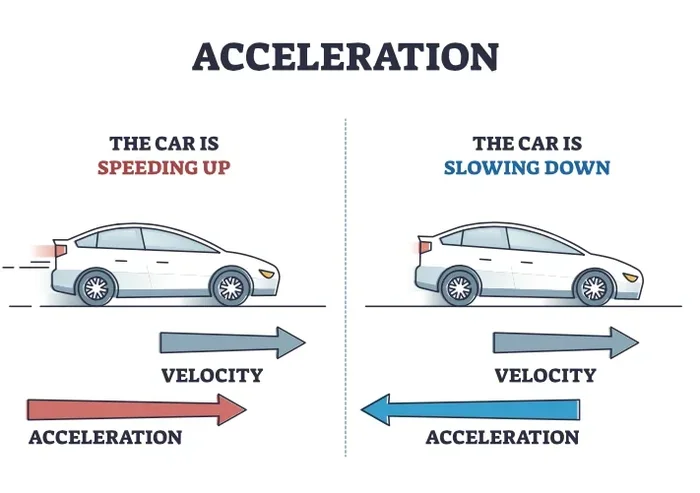
When a car starts from rest and accelerates, the initial velocity is zero. The vehicle goes from zero speed to whatever pace you choose. That change in speed is what we call acceleration. The faster the change, the more thrilling the ride.
The Role of Initial Velocity
Initial velocity is the speed at which the car begins. When parked, that speed is zero. This is known as a zero velocity start. The engine must work harder at a zero velocity start than at any other point.
Think of it like pushing a heavy box. The first push is always the hardest. Once the box is moving, it stays easier. The same idea applies to your car. The static friction between the tires and the road must be overcome first.
Force and Motion in Everyday Driving
Force and motion go hand in hand. The engine creates force. That force moves the car. The bigger the engine, the more force it can create. But force alone is not enough. The force must reach the wheels through the drivetrain.
The drivetrain includes the transmission, driveshaft, and axles. Each part transfers power from the engine to the wheels. If any part is worn or damaged, power is lost. This is called drivetrain loss, and it can slow your acceleration a lot.
The Physics Behind a Car Starting from Rest and Accelerating
Physics might sound scary. But the basic ideas are simple. They explain exactly how your car moves from a stop. Let us look at the key concepts that make acceleration possible.
Newton’s Second Law and Mass
Newton’s second law is the backbone of acceleration physics. It states that force equals mass times acceleration. In plain words, a heavier car needs more force to move. A lighter car accelerates faster with the same engine power.
This is why sports cars are built light. They want to maximize mass and acceleration. Every pound removed helps the car go faster from a standstill. It is simple math that engineers use every day.
Kinetic Energy Builds as Speed Increases
Once the car is moving, kinetic energy takes over. Kinetic energy is the energy of motion. It grows with the square of velocity. This means a car going 60 mph has four times the energy of one going 30 mph.
That is why high-speed acceleration feels so intense. The engine must push harder to build more kinetic energy. From a zero velocity start, the engine has a lot of work to do in a short time.
Static Friction vs Rolling Friction
Static friction is the force that keeps your car parked. It holds the car in place on a hill or flat ground. To start moving, the engine must beat static friction.
Once the wheels turn, rolling friction takes over. Rolling friction is much lower than static friction. This is why it is easier to keep a car moving than to start it from rest. Tire choice and road surface both affect this friction level.
How the Engine Delivers Power for Acceleration
The engine is the heart of your car. It creates the power that gets you moving. But how exactly does it turn fuel into forward motion? Let us break it down step by step.
Horsepower and Torque Explained
Two numbers define engine power: horsepower and torque. Engine torque is the twisting force that turns the wheels. It is what you feel when you press the gas pedal and the car lunges forward.
Horsepower measures how fast work gets done. More horsepower means the car can keep accelerating at higher speeds. Together, torque and horsepower determine how quickly a car starts from rest and accelerates.
Torque is most important at low speeds. It is what launches the car from a stop. Horsepower matters more at higher speeds. Both are needed for great overall performance.
How the Transmission and Gear Ratio Help
The transmission is like a set of levers. It changes the gear ratio between the engine and the wheels. Low gears have a high ratio. They multiply engine force for strong launches.
When a car starts from rest, it uses first or low gear. This gives the wheels maximum turning force. As speed builds, the transmission shifts to higher gears. Higher gears trade force for speed. This keeps the engine running efficiently.
The right gear ratio makes all the difference in acceleration. Too high a gear at launch, and the car feels sluggish. Too low, and the engine screams without much gain. Modern cars use automatic transmissions to find the perfect ratio fast.
RPM and How It Affects Acceleration
RPM stands for revolutions per minute. It measures how fast the engine spins. Higher RPM usually means more power output. But there is a sweet spot for every engine.
When a car starts from rest and accelerates, the RPM rises quickly. The tachometer needle climbs as the engine works harder. Skilled drivers know how to keep RPM in the power band. This is the range where the engine produces peak torque.
Too low RPM and the car feels weak. Too high RPM and the engine wastes fuel. Finding the balance is key to smooth, strong acceleration from any stop.
Electric Cars vs Gas Cars: How Each Starts and Accelerates
Not all cars are built the same way. Electric and gas engines deliver power very differently. Understanding these differences helps explain why some cars feel faster off the line.
Instant Torque from Electric Motors
Electric motors deliver instant torque from zero RPM. This means an electric car starts from rest and accelerates almost immediately. There is no waiting for the engine to build power.
This is a huge advantage. When you press the pedal in an electric car, the response is immediate. The force and motion transfer happens in a fraction of a second. No gear changes are needed. No RPM build-up is required.
Many electric vehicles can hit 0 to 60 mph in under four seconds. Some supercars do it in under two. The instant torque makes them feel incredibly quick off the line.
Combustion Engine Power Delivery
Gas engines work very differently. Fuel and air must mix and ignite. Pistons must move. The crankshaft must spin faster. All of this takes time.
A combustion engine needs a few seconds to reach full power. The RPM must build up before peak torque arrives. This is why gas cars feel a slight delay when you floor it from a stop.
But modern gas engines are very refined. Turbochargers and fuel injection systems help them build power faster. Many gas cars now match or beat older electric models in acceleration tests.
Head-to-Head Comparison
| Feature | Electric Car | Gas Car |
|---|---|---|
| Time to Full Torque | Instant | 1 to 2 seconds |
| 0 to 60 mph | Often under 4 sec | Varies widely |
| Power Source | Battery and motor | Fuel and combustion |
| Drivetrain Simplicity | Simpler design | More complex |
| RPM Build-Up | Immediate | Gradual |
| Wheel Spin Risk | Higher without traction control | Moderate |
Both types of cars have strengths. Electric cars win on instant response. Gas cars offer a wider range of choices and longer range. The best choice depends on your driving needs and preferences.
Common Problems That Slow Acceleration from a Stop
Sometimes a car feels slow when you press the gas. Several issues can cause this. Knowing what to look for saves time and money.
Worn Clutch or Transmission Issues
A worn clutch slips during acceleration. Power does not transfer fully to the wheels. The car feels weak or unresponsive from a stop. Transmission problems cause similar symptoms.
If your car hesitates when you launch, get it checked. A mechanic can test the clutch and transmission. Early fixes prevent bigger problems later.
Engine Misfires and Fuel Problems
An engine misfire wastes energy. Unburned fuel exits the exhaust instead of pushing the piston. Clogged fuel injectors starve the engine of fuel. Dirty air filters limit airflow to the combustion chamber.
All of these issues slow down a car starts from rest and accelerates process. Regular maintenance keeps the fuel system clean and the engine running strong. Replace spark plugs and filters on schedule.
Tire Traction and Wheel Spin
Tires are the only part of the car that touches the road. Worn tires lose grip. The wheels spin without moving the car forward. This is a common problem on wet or icy surfaces.
Traction control helps by reducing engine power when wheels spin. But it cannot fix bad tires. Fresh tires with good tread make a huge difference in launch performance. Check your tire pressure often too.
Quick Tips to Improve Acceleration from a Stop
- Keep your tires properly inflated to the recommended PSI
- Replace worn spark plugs at the factory-recommended interval
- Use the right gear for the situation and road conditions
- Avoid overloading the vehicle with heavy cargo
- Maintain your fuel system with quality fuel and clean filters
- Check the air filter monthly and replace when dirty
- Warm up the engine briefly in cold weather before hard acceleration
Common Mistakes That Hurt Acceleration
Some habits quietly hurt your car’s ability to accelerate. Avoiding these mistakes keeps your car running its best.
Riding the clutch at stops wears it out fast. Ignoring check engine lights lets small problems grow. Skipping oil changes causes internal engine wear. Using the wrong fuel grade can cause knocking and power loss. Flooring the gas in too high a gear stresses the engine.
These mistakes are easy to fix. A little attention goes a long way toward keeping your car responsive from a stop.
Expert Insights on Car Acceleration
What Engineers Say About Zero Velocity Starts
Car engineers spend years perfecting the launch experience. They balance weight, power, and grip to create smooth acceleration. Modern cars use computers to adjust every variable in real time.
The goal is to make a car starts from rest and accelerates feel natural and predictable. Engineers tune the throttle response, gear shift points, and traction control settings. Every detail matters for the driver’s experience.
How Traction Control Helps You Launch Safely
Traction control is a safety system that prevents wheel spin. It monitors wheel speed and adjusts engine power when needed. On wet or slippery roads, this system is a lifesaver.
When a car starts from rest on a wet surface, traction control steps in. It reduces power just enough to keep the tires gripping. The result is a safer, more controlled launch every time.
Some drivers turn traction control off for better launch speed on dry tracks. But for everyday driving, leaving it on is the smart choice. It protects you and your passengers.
Key Takeaways
- Physics drives everything: Newton’s laws explain how force and mass create acceleration from a standstill.
- Electric motors win on instant torque: They deliver full power the moment a car starts from rest, unlike gas engines.
- Torque and horsepower work together: Torque gets the car moving, and horsepower keeps it speeding up.
- Transmission and gear ratio matter a lot: They multiply engine force to help the car launch smoothly.
- Common problems slow acceleration: Worn clutches, misfires, and bad tires all hurt launch performance.
- Simple maintenance helps: Fresh spark plugs, proper tire pressure, and clean fuel systems improve acceleration from a stop.
- Traction control is your friend: It prevents wheel spin and helps you accelerate safely on any surface.
Conclusion
A car starts from rest and accelerates through an incredible chain of events. The engine creates force. The transmission multiplies it. The drivetrain delivers it to the wheels. Physics and engineering work together to turn a standstill into forward motion.
Whether your car runs on electricity or gasoline, the goal is the same. You want smooth, responsive acceleration every time you press the pedal. Understanding how this process works helps you get the most from your vehicle.
Keep up with regular maintenance. Watch for warning signs. And never underestimate the power of good tires and clean fuel. These simple steps keep your car launching strong for years to come.
Now that you know how it all works, you can appreciate every press of the gas pedal a little more. Your car is a marvel of engineering. And every time it starts from rest and accelerates, it proves just how far automotive technology has come.
Frequently Asked Questions
What causes a car to be slow accelerating from a stop?
Several things can cause slow acceleration from a stop. Worn spark plugs, clogged fuel injectors, and a slipping clutch are common culprits. Dirty air filters and low tire pressure also play a role. Regular maintenance helps prevent most of these issues.
Why do electric cars accelerate faster from a standstill?
Electric motors deliver instant torque from zero RPM. This means full power is available the moment you press the pedal. Gas engines need time to build RPM and reach peak torque. That delay makes electric cars feel quicker off the line.
What is the difference between torque and horsepower in acceleration?
Torque is the twisting force that gets the car moving. It is most important at low speeds and during launch. Horsepower is how fast that work gets done. It matters more at higher speeds. Both work together to determine how quickly a car accelerates from rest.
Can bad tires really affect acceleration from a stop?
Yes, bad tires have a big impact. Worn tread reduces grip, causing wheel spin instead of forward motion. Underinflated tires also lose traction. Fresh tires with proper pressure give the engine the grip it needs to launch the car effectively.
How does traction control affect acceleration from rest?
Traction control prevents wheel spin by adjusting engine power. On slippery surfaces, it helps the car accelerate more safely and predictably. On dry roads, it can slightly reduce launch speed by limiting wheel spin. Most drivers benefit from keeping it on for everyday driving.
Is it better to accelerate quickly or slowly from a stop?
Moderate acceleration is best for fuel economy and safety. Hard acceleration from a stop wastes fuel and wears tires faster. It also increases the risk of accidents. Smooth, steady acceleration is the smartest approach for daily driving.