Does Toyota Check Engine Light Reset Itself Quickly
Yes, a Toyota check engine light can reset itself in some cases, but it depends on the root cause. If the issue is minor — like a loose gas cap — the light may turn off after a few drive cycles. However, if a deeper problem exists, the light will return until the fault is properly repaired. This guide covers everything you need to know about Toyota check engine light reset behavior, from simple fixes to serious concerns.
You are driving your Toyota, and suddenly the check engine light pops up on your dashboard. Your heart sinks a little. You wonder, does Toyota check engine light reset itself? The short answer is yes, sometimes. But the full answer is a bit more complicated than that.
Toyota vehicles are known for reliability, but they still have sensors, systems, and components that can trigger a warning light. The check engine light is one of the most common dashboard alerts drivers face. Understanding how it works and when it resets can save you time, money, and a lot of stress.
In this article, we will walk you through everything about Toyota check engine light reset behavior. We will cover what causes the light to come on, how the system decides to turn it off, and what you should do when it happens. Whether you own a Camry, Corolla, RAV4, or any other Toyota model, this guide has you covered.
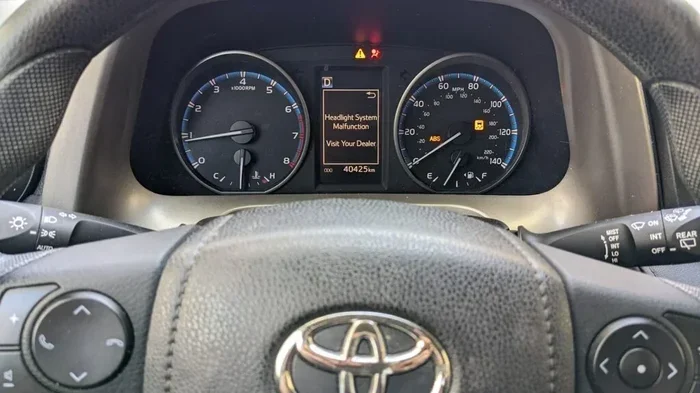
The Toyota check engine light is part of the onboard diagnostics system, also known as OBD-II. This system monitors dozens of sensors throughout your vehicle. When something falls outside the normal range, the ECU (Engine Control Unit) stores a fault code and lights up the dashboard. The question is whether that light goes away on its own or if you need to take action.
Key Takeaways
- A Toyota check engine light reset can happen naturally if the triggering issue is minor and resolved on its own.
- Minor causes like a loose gas cap often lead to the light turning off after a few drive cycles.
- Serious faults will keep the light returning until the actual problem is fixed by a mechanic.
- An OBD-II scanner is the best tool to read diagnostic trouble codes and understand what triggered the light.
- Driving patterns and conditions influence how quickly the system clears or re-triggers the warning.
- Ignoring the light can lead to bigger problems including reduced fuel economy and emission failures.
- Toyota’s ECU stores fault codes even after the light turns off, which a scanner can still reveal.
📑 Table of Contents
- How the Toyota Check Engine Light System Works
- Does a Toyota Check Engine Light Reset Itself Automatically?
- How to Tell if the Toyota Check Engine Light Reset Was Successful
- Common Mistakes People Make When the Check Engine Light Comes On
- How to Prevent the Check Engine Light from Coming Back
- When to See a Professional About Your Toyota Check Engine Light
- Expert Insights on Toyota Check Engine Light Behavior
- Final Thoughts on the Toyota Check Engine Light Reset
How the Toyota Check Engine Light System Works
The onboard diagnostics system in your Toyota is always running. It checks emissions, fuel delivery, ignition timing, and many other functions every time you drive. When a sensor detects a problem, the ECU logs a diagnostic trouble code, commonly called a DTC.
What Triggers the Check Engine Light
Many things can trigger the Toyota check engine light. Some are minor, and some are serious. Here are the most common causes:
- Loose or damaged gas cap — This is the number one reason the light comes on. A loose cap lets fuel vapors escape, which messes with the emission system.
- Faulty oxygen sensor — This sensor measures unburned oxygen in the exhaust. When it fails, fuel efficiency drops and emissions rise.
- Worn spark plugs or ignition coils — Old spark plugs can cause engine misfires, which trigger the light immediately.
- Catalytic converter issues — A failing catalytic converter is a more serious problem that affects the entire emission system.
- Mass airflow sensor failure — This sensor tells the ECU how much air enters the engine. A faulty reading leads to poor performance.
- EVAP system leaks — The evaporative emission control system can develop small leaks that trigger the warning.
Each of these issues stores a specific fault code in the ECU. A mechanic or a DIYer can read these codes using a fault code reader or an OBD-II scanner. The code tells you exactly what the system flagged, which makes troubleshooting much easier.
The Role of the ECU in Resetting the Light
The ECU is essentially the brain of your Toyota’s engine management system. When it detects a problem, it sets a pending code first. If the same problem happens again during the next drive cycle, the code becomes confirmed, and the check engine light stays on.
Here is where the Toyota check engine light reset process comes into play. If the problem does not reappear during several consecutive drive cycles, the ECU may clear the pending code on its own. When this happens, the light turns off without any intervention from you. However, the ECU still stores the history code, which a scanner can pull up later.
This self-reset behavior is by design. Toyota engineers wanted the system to be smart enough to ignore temporary glitches. A single abnormal reading might not mean anything. But repeated abnormalities definitely do. So the system waits and watches before committing to turning on the light.
Does a Toyota Check Engine Light Reset Itself Automatically?
Now for the big question. Does Toyota check engine light reset itself? The answer depends on the severity of the issue and your driving habits.
When the Light Resets on Its Own
If the cause is minor, the Toyota check engine light reset can happen naturally. Here are the situations where this typically occurs:
- Loose gas cap: Tighten it, and after a few drive cycles, the light usually goes away on its own. This is the most common scenario where the light resets without any action.
- Temporary sensor glitch: Sometimes a sensor gives a bad reading due to heat, vibration, or moisture. Once conditions normalize, the ECU may clear the code.
- Weather-related issues: Extreme temperatures or humidity can briefly affect sensors. The light may come on and then go away as conditions change.
- Low-quality fuel: Using fuel that does not meet the recommended octane can cause a temporary emission issue. Switching to the right fuel often resolves it.
In these cases, the ECU monitors your driving over several cycles. A drive cycle typically means starting the engine cold, driving for a while, and then turning it off. If the problem does not repeat, the system considers it resolved and clears the light.
When the Light Will NOT Reset Itself
On the other hand, some issues will not go away on their own. If you have a Toyota check engine light that keeps coming back, it usually means there is a real problem that needs attention. Here are the situations where the light will not reset itself:
- Engine misfires: A misfire is serious. It can damage the catalytic converter if ignored. The ECU will keep the light on until the misfire is fixed.
- Catalytic converter failure: This is an expensive repair, and the light will stay on until the converter is replaced or repaired.
- Chronic sensor failures: If an oxygen sensor or mass airflow sensor is genuinely faulty, it will keep triggering the light every drive cycle.
- EVAP system leaks: Small leaks in the evaporative system require physical repair. The system cannot fix itself.
- Wiring or electrical issues: Damaged wiring or corroded connectors will keep sending bad signals to the ECU.
The key takeaway is this: if the light stays on for more than a few days or keeps returning after it goes out, you need to get it diagnosed. Ignoring it will not make the problem go away. It will usually make it worse.
How to Tell if the Toyota Check Engine Light Reset Was Successful
After the light turns off, how do you know the reset was real and not just a fluke? There are a few ways to confirm that the issue has truly been resolved.
Using an OBD-II Scanner
The most reliable method is to use an OBD-II scanner. You can buy a basic scanner for under $30, or you can visit an auto parts store like AutoZone, which often offers free diagnostic scanning. Here is what to look for:
- No active fault codes: If the scanner shows no current codes, the light reset was successful.
- Pending codes only: Pending codes mean the issue has not repeated yet. Keep monitoring the situation.
- History codes: These are old codes that have been cleared. They do not mean the light will come back, but they tell you what happened before.
If you want to check your Toyota’s history, you can also check your car’s history for any past diagnostic reports. This gives you a complete picture of what has been going on with the vehicle.
Monitoring Drive Cycles
After a Toyota check engine light reset, the ECU needs to complete several drive cycles to confirm everything is working properly. A drive cycle usually includes:
- Cold start — the engine is off for at least 8 hours.
- Idling for 2-3 minutes.
- Driving at moderate speed for 5-10 minutes.
- Highway driving at steady speed for 10-15 minutes.
- Deceleration without shifting to neutral.
If no fault codes return after these cycles, the reset is genuine, and the issue was likely temporary.
Common Mistakes People Make When the Check Engine Light Comes On
When the Toyota check engine light pops up, many people make mistakes that either make the problem worse or waste their money. Here are the most common ones:
Ignoring the Light Completely
The biggest mistake is just ignoring it. Some people cover the dashboard light with a piece of tape or simply pretend it is not there. This is a terrible idea. Even if the light resets itself, the underlying problem might still be present. And if it is a serious issue, ignoring it can lead to expensive repairs down the road.
Replacing Parts Without Diagnosis
Another mistake is buying parts based on guesses. Someone tells you it is probably the oxygen sensor, so you replace it. But the real issue was a loose gas cap. You just wasted money. Always get a proper diagnosis first. A quick scan with an OBD-II scanner takes minutes and can save you hundreds of dollars.
Clearing the Code and Driving Off
Some people use a scanner to clear the code and then drive off without fixing the actual problem. The light goes off, and they feel relieved. But the ECU will detect the same fault again during the next drive cycle, and the light will come right back. Worse, if the issue involves a misfire or emission problem, you could damage other components.
Using the Wrong Fuel or Fluids
Using the wrong octane fuel or cheap aftermarket fluids can trigger the check engine light. Always follow your Toyota owner’s manual for recommended fuel type and maintenance products. If you recently used a different fuel or additive and the light came on, switch back to the recommended option and see if the light resets.
How to Prevent the Check Engine Light from Coming Back
Once you have dealt with a Toyota check engine light reset, you probably want to avoid the whole situation again. Here are some practical tips to keep the light off and your Toyota running smoothly.
Regular Maintenance
Stick to Toyota’s recommended maintenance schedule. Regular oil changes, spark plug replacements, and air filter changes keep the engine running efficiently. Well-maintained vehicles have fewer sensor issues and fewer check engine light events.
Check the Gas Cap
This sounds too simple, but it works. Always make sure the gas cap is tightened properly after filling up. A loose gas cap is the number one cause of a check engine light, and it is also the easiest fix.
Use Quality Fuel
Fill up at reputable gas stations. Low-quality fuel can contain contaminants that affect sensors and emission components over time. If you notice the light coming on after filling up, consider where you bought the fuel.
Address Small Issues Early
If you notice any changes in how your Toyota drives — rough idling, reduced fuel economy, strange noises — get it checked early. Small problems become big problems fast. Catching them early often means a simple fix instead of an expensive repair.
Keep Your ECU Software Updated
Toyota occasionally releases ECU software updates through dealerships. These updates can improve sensor calibration and reduce false check engine light triggers. Ask your dealer if there are any recalls or updates for your specific model and year.
When to See a Professional About Your Toyota Check Engine Light
Not every check engine light situation is a DIY fix. There are clear signs that you should take your Toyota to a professional mechanic or dealership.
If the light is flashing rather than solid, this usually indicates a serious problem like an active engine misfire. A flashing check engine light means you should pull over safely and get the vehicle towed to a shop. Driving with a flashing light can cause catastrophic engine damage.
If the light comes on and stays on for more than a few days, it is time for a professional diagnosis. Even if the Toyota check engine light reset happens and the light goes off, recurring issues point to a deeper problem that needs expert attention.
Also, if you notice other symptoms alongside the light — such as reduced power, strange sounds, smoke from the exhaust, or a burning smell — do not wait. These are signs of a serious issue that could become dangerous if ignored.
Many people also wonder if they can pass emissions with certain lights on. For instance, if your Toyota has the VSC light on along with the check engine light, you might struggle to pass emissions with the VSC light on. This is another reason to address check engine light issues promptly.
Some drivers also ask whether certain services can help with diagnostics. Places like Jiffy Lube offer diagnostic services that can help identify the root cause. You can learn more about whether Jiffy Lube does diagnostics to decide if that is a good option for you.
Expert Insights on Toyota Check Engine Light Behavior
Experienced Toyota mechanics agree on a few key points about the check engine light reset behavior:
- Toyota ECUs are more conservative than many other brands. They require multiple failed drive cycles before confirming a fault and turning on the light. This means you sometimes get a warning earlier than you would in a non-Toyota vehicle.
- The self-reset feature works well for minor issues. But it is not a substitute for proper diagnosis. Even if the light goes away, the fault code history remains in the system.
- Older Toyotas tend to have simpler systems. A 2005 Corolla might have fewer sensors than a 2022 Camry, which means fewer potential triggers but also less detailed diagnostic information.
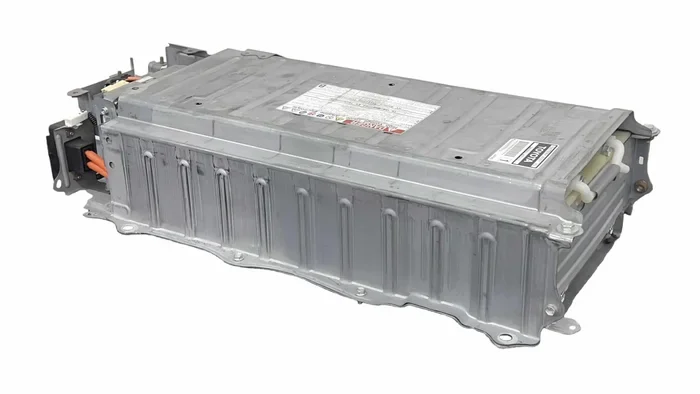
- Hybrid Toyotas add another layer of complexity. The check engine light can be triggered by issues in the hybrid battery system, electric motor, or power control module. If you own a hybrid, pay extra attention to any warning lights.
One thing that many Toyota owners do not realize is that the security indicator light can sometimes behave similarly to the check engine light. If you are dealing with a security light instead, the reset process is different. You can find specific guidance on how to get the security indicator light to turn off for your Toyota model.
Final Thoughts on the Toyota Check Engine Light Reset
So, does Toyota check engine light reset itself? Yes, it can — but only under the right conditions. A minor issue like a loose gas cap or a temporary sensor glitch often resolves on its own after a few drive cycles. The ECU is designed to be smart enough to distinguish between a one-time glitch and a real problem.
However, if there is a genuine mechanical or electrical issue, the light will keep coming back. And in those cases, you need to address the root cause. Simply waiting for the light to reset or clearing the code without fixing the problem is a recipe for bigger trouble and higher repair bills.
The best approach is always proactive. When the Toyota check engine light comes on, pay attention to it. Get it scanned. Understand what the fault code means. And take action based on that information. Your Toyota is a complex machine with many sensors working together. Treating the check engine light as a helpful warning system rather than an annoyance will keep your car running strong for years to come.
Remember, a Toyota check engine light reset is not always a sign that the problem is gone. It is sometimes just a pause. The real fix comes from understanding what triggered the light in the first place and addressing that issue properly.
Stay on top of your Toyota’s health. Keep up with regular maintenance, use quality fuel, and never ignore a warning light. These simple habits will help you avoid unexpected breakdowns and keep your Toyota performing at its best.
Frequently Asked Questions
How long does it take for a Toyota check engine light to reset itself?
If the issue is minor, the Toyota check engine light reset can happen within a few days of normal driving. The ECU needs to complete two to three consecutive drive cycles without detecting the fault. This usually takes about 50 to 100 miles of driving. If the problem is more serious, the light will not reset on its own at all.
Can I drive my Toyota with the check engine light on?
It depends on the severity. If the light is solid and your Toyota drives normally, you can usually drive a short distance to a safe location or mechanic. However, if the light is flashing, you should stop driving immediately and get the vehicle towed. A flashing light often indicates a serious engine misfire that can cause damage.
Will disconnecting the battery reset the Toyota check engine light?
Yes, disconnecting the battery can clear the codes and turn off the light temporarily. However, this method does not fix the underlying problem. The ECU may relearn some settings slowly, and the light can come back if the fault is still present. This approach also resets other systems like your radio and power windows.
What is the most common reason the Toyota check engine light comes on?
The most common reason is a loose or damaged gas cap. Other frequent causes include a faulty oxygen sensor, worn spark plugs, a failing catalytic converter, or issues with the EVAP system. Getting a diagnostic scan is the fastest way to identify the exact cause for your specific Toyota model.
Can a Toyota check engine light reset itself after a repair?
Yes, after a repair is completed, the ECU needs to run through several drive cycles to confirm the fix worked. If no faults are detected during these cycles, the system clears the codes and the light turns off. This is the normal and expected behavior after any repair that addresses the root cause.
Is it safe to ignore a Toyota check engine light if it goes away on its own?
It is not recommended to ignore it, even if it goes away. The fault code history remains stored in the ECU, and the same issue could return. If the light keeps coming back, there is a recurring problem that needs professional diagnosis. Ignoring it can lead to more serious damage and higher repair costs over time.
=== CONCLUSION ===
The Toyota check engine light reset is a topic that confuses many drivers, but it does not have to be complicated. The system is designed to be smart. It monitors your vehicle constantly, flags problems early, and sometimes clears minor issues on its own. But it is not perfect, and it cannot fix mechanical problems by itself.
When your Toyota check engine light comes on, the best thing you can do is stay calm and get it checked. Use an OBD-II scanner to read the fault codes. Pay attention to how your vehicle drives. And never ignore a light that keeps coming back. Taking action early saves you money, keeps your Toyota running smoothly, and gives you peace of mind on the road.
Remember, your Toyota is built to last. But even the best vehicles need attention and care. The check engine light is your car’s way of communicating with you. Listen to it, and your Toyota will reward you with years of reliable service.