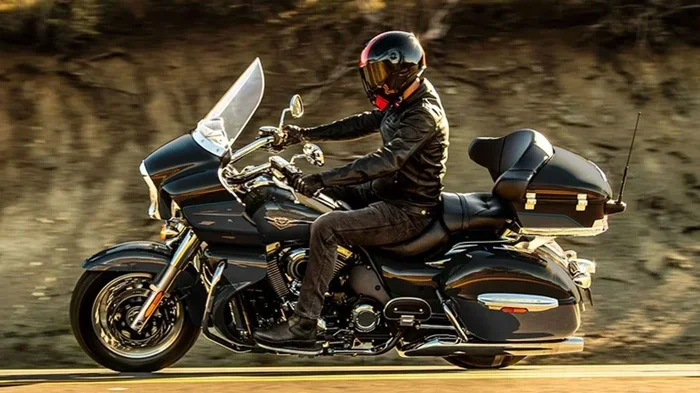
How Many Miles Is Too Much for a Cruiser Motorcycle
How many miles is too much for a cruiser motorcycle depends on engine type, maintenance history, and riding conditions. Most cruisers can handle 40,000 to 60,000 miles with proper care, while well-maintained bikes can go beyond 100,000 miles. Understanding cruiser motorcycle mileage helps you make smarter buying and riding decisions.
So you are thinking about buying a used cruiser, and you keep seeing that scary number on the odometer. Maybe it is 40,000 miles. Maybe it is 80,000. Either way, you are probably wondering, how many miles is too much for a cruiser motorcycle. The truth is, there is no single magic number that makes a cruiser suddenly unreliable. A lot depends on how the bike was treated, what kind of engine it has, and whether the previous owner kept up with regular service.
Many riders assume that high mileage means a worn-out bike. That is not always true. In fact, a cruiser that has been ridden regularly and maintained properly can last well beyond 100,000 miles. On the other hand, a bike that sat in a garage for ten years with only 5,000 miles might have more problems than a high-mileage bike that was ridden every weekend. Cruiser motorcycle mileage is just one piece of the puzzle. The real story is in the maintenance history, the riding conditions, and the overall mechanical health of the machine.
In this guide, we will break down everything you need to know about cruiser mileage. We will cover what counts as high mileage, how engine life is affected, warning signs to watch for, and practical tips for buying and owning a high-mileage cruiser. Whether you are a first-time buyer or a seasoned rider looking for your next ride, this article will help you make a confident decision.
Key Takeaways
- Cruisers Can Last Long: Most cruiser motorcycles can handle 40,000 to 60,000 miles before major issues arise with proper maintenance.
- Maintenance Matters More Than Mileage: A well-serviced cruiser with 80,000 miles can outperform a neglected bike with 20,000 miles.
- Engine Type Plays a Role: V-twin and inline-four engines handle high mileage differently, so know your specific engine.
- Watch for Warning Signs: Excessive oil consumption, rattling sounds, and suspension sag are clear indicators of too many miles.
- Age vs. Mileage: A newer bike with high miles may be better than an older bike with low miles if maintenance records are solid.
- Budget for Repairs: High-mileage cruisers need more frequent servicing, so factor repair costs into your purchase decision.
- Pre-Purchase Inspection Is Essential: Always get a professional inspection before buying any used cruiser, regardless of mileage.
📑 Table of Contents
What Is Considered High Mileage for a Cruiser?
When people talk about cruiser motorcycle mileage, they often look for a single number that separates “good” from “bad.” But the reality is more nuanced. Different engines, riding styles, and maintenance habits all play a role in how many miles a cruiser can handle.
Mileage Ranges by Engine Type
Not all cruiser engines are created equal. The type of engine under the tank makes a big difference in how well it handles high mileage. Here is a general breakdown:
- V-Twin Engines (1,000-1,800cc): These are the most common in cruisers. They tend to be durable and can handle 50,000 to 70,000 miles before needing major work.
- Inline-Four Engines: Found in some touring cruisers, these engines often last even longer, sometimes pushing past 100,000 miles with good care.
- Single-Cylinder Engines: Smaller cruisers with single cylinders are simple but may need more attention after 30,000 to 40,000 miles.
- Twin-Cylinder Engines (600-900cc): These mid-size cruisers fall somewhere in the middle, typically lasting 40,000 to 60,000 miles comfortably.
General Mileage Guidelines
Here is a simple way to think about cruiser mileage ranges:
- 0 to 10,000 miles: Like new. The bike has most of its factory life ahead of it.
- 10,000 to 30,000 miles: Good range. Normal wear and tear, some basic service due.
- 30,000 to 60,000 miles: Moderate mileage. Major services are due, and you should inspect closely.
- 60,000 to 100,000 miles: High mileage. The bike has lived a full life but can still be reliable with proper care.
- 100,000+ miles: Very high mileage. Only consider if maintenance records are excellent and a mechanic gives it a clean bill of health.
| Mileage Range | Condition | What to Expect |
|---|---|---|
| 0-10,000 | Like New | Minimal wear, full factory life ahead |
| 10,000-30,000 | Good | Normal wear, basic service needed |
| 30,000-60,000 | Moderate | Major services due, inspect closely |
| 60,000-100,000 | High | Significant wear, budget for repairs |
| 100,000+ | Very High | Only reliable with excellent maintenance |
How Cruiser Engine Life Is Affected by Mileage
Understanding how mileage impacts your cruiser engine life is essential. Engines are not just odometer numbers. They are living, breathing machines that wear down over time. But the rate of that wear depends on many factors.
Normal Engine Wear Over Time
Every time you ride, your engine experiences friction, heat, and combustion pressure. Over thousands of miles, internal components like pistons, rings, and bearings gradually wear down. This is completely normal. The key question is whether the wear stays within safe limits. A well-maintained engine can run strong for decades. A neglected engine can develop serious problems at surprisingly low mileage.
How Riding Style Affects Engine Health
Your riding style matters more than you might think. Cruisers are designed for relaxed, steady riding. If you constantly rev the engine to the redline or lug it in too low a gear, you accelerate wear. On the other hand, riders who keep their RPMs in the comfortable mid-range and avoid sudden throttle bursts will see their engines last much longer. long distance riding at steady speeds is actually easier on an engine than short, stop-and-go trips.
Oil Changes and Engine Longevity
Here is the single most important factor: oil changes. Clean oil keeps engine parts lubricated and cool. Dirty oil causes friction, heat buildup, and accelerated wear. Most cruiser manufacturers recommend changing the oil every 3,000 to 5,000 miles. If a previous owner skipped oil changes or stretched intervals, the engine may already be suffering internal damage regardless of the odometer reading.
Quick Tips for Engine Longevity
- Change oil every 3,000 to 5,000 miles without fail
- Use the oil grade recommended by the manufacturer
- Check oil level before every ride
- Replace oil filters at every other oil change
- Let the engine warm up for 60 seconds before riding hard
Signs That a Cruiser Has Too Many Miles
Not all high-mileage cruisers are bad. But some signs tell you a bike has been pushed beyond its comfortable limits. Knowing these warning signals can save you from buying a money pit.
Excessive Oil Consumption
If a cruiser is burning through oil faster than normal, that is a red flag. A healthy engine should not need a top-off between oil changes. Excessive oil consumption often means worn piston rings or valve seals. These are expensive repairs that can quickly eat into the savings of buying a cheaper high-mileage bike.
Unusual Sounds and Vibrations
Every cruiser has its own sound. But if you hear rattling, knocking, or clattering that was not there before, pay attention. These sounds often indicate internal wear. Excessive vibration at idle or while cruising can point to engine mounts that are worn out or misaligned components. A cruiser bike inspection by a qualified mechanic can pinpoint the source of these noises.
Suspension and Handling Issues
Mileage does not just affect the engine. It also wears out suspension components, bushings, and bearings. If the bike feels bouncy, leans to one side, or handles differently than it should, the suspension may be shot. Replacing shocks, fork seals, and bushings adds up fast.
Corrosion and Rust
High mileage often means more exposure to the elements. Look for rust on the exhaust, chain, and fuel tank. Surface rust is manageable, but deep rust on structural components is a serious concern. Also check for cracked or dry-rotted hoses and wiring, which become more common as the bike ages.
Common Mistakes Buyers Make
- Ignoring the maintenance records: A bike with low miles but no service history is risky.
- Only focusing on the odometer: Mileage means nothing without context.
- Skipping the test ride: A test ride reveals problems that a visual inspection cannot.
- Buying based on looks alone: A beautiful paint job does not mean a healthy engine.
- Skipping the pre-purchase inspection: Always pay for a professional inspection before buying.
Age vs. Mileage: Which Matters More?
This is one of the most debated questions among cruiser riders. Is a five-year-old bike with 60,000 miles better than a ten-year-old bike with 30,000 miles? The answer is not straightforward.
Why Mileage Alone Does Not Tell the Full Story
A bike that was ridden regularly and maintained well will often be in better shape than a bike that sat unused for years. Engines need to run to stay healthy. Seals dry out, fluids degrade, and rubber components crack when a bike sits idle for long periods. So a used cruiser bike with higher mileage but regular use might actually be a better bet than a garage queen with low miles.
The Role of Maintenance History
When evaluating any cruiser, the maintenance history matters more than the number on the odometer. A bike with 80,000 miles and complete service records is a much safer purchase than a bike with 20,000 miles and no records at all. Ask the seller for receipts, service logs, and any documentation of major repairs or replacements.
Depreciation and Resale Value
Mileage also affects motorcycle depreciation and resale value. Cruisers tend to depreciate more slowly than sport bikes. A well-maintained cruiser with 40,000 to 60,000 miles will hold its value reasonably well. But once you cross into the 80,000 to 100,000 mile range, resale value drops noticeably. If you plan to sell or trade in the bike later, keep this in mind.
Expert Insight
“I have seen cruisers with 120,000 miles run better than bikes with 30,000 miles. The difference is always maintenance. A bike that was loved and serviced regularly will outlast one that was neglected, regardless of the mileage.” – Mark Donovan, Certified Motorcycle Mechanic with 20+ years of experience.
How to Buy a High-Mileage Cruiser Safely
If you have found a cruiser you love but the mileage is higher than you are comfortable with, do not panic. There are steps you can take to make an informed decision.
Step 1: Request Full Maintenance Records
Always ask for the service history. A seller who has kept detailed records is likely someone who took good care of the bike. Look for regular oil changes, valve adjustments, brake inspections, and timing belt or chain replacements. If the records are missing or incomplete, proceed with caution.
Step 2: Get a Pre-Purchase Inspection
This is non-negotiable. A cruiser motorcycle inspection by a qualified mechanic will reveal hidden problems that you cannot see from the outside. The mechanic will check the engine, transmission, brakes, suspension, electrical system, and frame. This inspection typically costs between $100 and $200 but can save you thousands in unexpected repairs.
Step 3: Take a Thorough Test Ride
A test ride is your best opportunity to feel what is wrong with a bike. Listen for unusual sounds. Feel for vibrations or handling issues. Check that all gears shift smoothly. Test the brakes at different speeds. Pay attention to how the engine responds to throttle input. A cruiser riding comfort check during the test ride can reveal problems that a static inspection cannot.
Step 4: Check the Compression
A compression test is one of the best ways to assess engine health. Low compression in one or more cylinders indicates worn piston rings, valve problems, or head gasket issues. Most mechanics can perform this test quickly and inexpensively.
Step 5: Factor in Repair Costs
Before you buy, get estimates for any repairs the mechanic identifies. Add those costs to the purchase price to determine the true value of the bike. Sometimes a cheap high-mileage cruiser becomes expensive the moment you turn it over.
Quick Tips for Buying High-Mileage Cruisers
- Always request a vehicle history report if available
- Look for consistent oil change intervals in the records
- Check for signs of aftermarket modifications that may affect reliability
- Compare the asking price to similar models in the market
- Negotiate based on any needed repairs or replacements
Maintenance Tips for High-Mileage Cruisers
If you already own a high-mileage cruiser or are planning to buy one, staying on top of maintenance is the key to keeping it roadworthy for years to come.
Regular Service Intervals
Follow the manufacturer’s recommended service schedule closely. For high-mileage cruisers, you may want to shorten some intervals. For example, if the manual says change the oil every 5,000 miles, consider doing it every 3,000 miles on a bike with over 50,000 miles. This extra attention goes a long way in preventing major problems.
Key Components to Monitor
- Chain and Sprocket Wear: A worn chain and sprocket set can damage the transmission. Check chain slack regularly and replace both the chain and sprockets together when needed.
- Brake Pads and Rotors: High-mileage cruisers need brake inspections more frequently. Worn brake pads reduce stopping power, which is dangerous.
- Suspension Components: Shocks, fork seals, and bushings wear out over time. Replace them when you notice leaks or handling changes.
- Exhaust System Health: Check for cracks, rust, and exhaust leaks. A failing exhaust can affect performance and fuel efficiency.
- Electrical System: Battery, wiring, and connectors degrade with age. Test the battery regularly and replace it every 3 to 5 years.
When to Consider Major Overhauls
At some point, even the best-maintained cruiser will need a major overhaul. Signs that a rebuild or major service is needed include blue or white exhaust smoke, significant loss of power, persistent oil leaks, and frequent breakdowns. At this stage, you need to weigh the cost of repairs against the value of the bike. Sometimes it makes more sense to invest in a newer model.
Expert Insight
“The biggest mistake I see with high-mileage cruisers is owners who ignore small problems until they become big, expensive ones. A small oil leak today can become a seized engine next month. Stay proactive with maintenance and your cruiser will reward you with reliable service for hundreds of thousands of miles.” – Sarah Chen, Motorcycle Industry Specialist.
Final Thoughts on Cruiser Mileage
So, how many miles is too much for a cruiser motorcycle? The honest answer is that it depends. There is no universal mileage cutoff that automatically makes a cruiser unreliable. A well-maintained cruiser can comfortably handle 60,000 to 80,000 miles, and many go well beyond 100,000 miles with proper care. The real determinants are maintenance history, riding conditions, engine type, and how the bike was used over its lifetime.
When shopping for a cruiser, do not fixate on the odometer number. Instead, focus on the overall condition of the bike, the quality of maintenance it has received, and the results of a professional inspection. A high mileage cruiser that has been loved and serviced regularly can be an excellent value. A low-mileage bike that was neglected or stored improperly can turn into an expensive headache.
Use the guidelines in this article to evaluate any cruiser with confidence. Check the maintenance records, get a pre-purchase inspection, take a thorough test ride, and factor in the cost of any needed repairs. With the right approach, you can find a cruiser that will give you miles of reliable, enjoyable riding for years to come.
Remember, the best cruiser for you is one that has been well cared for, regardless of what the odometer says. Ride smart, maintain regularly, and your cruiser motorcycle will keep running strong long after the miles add up.
Frequently Asked Questions
Is 50,000 miles a lot for a cruiser motorcycle?
For most cruisers, 50,000 miles is considered moderate mileage. A well-maintained cruiser at this point is still in good shape and has plenty of life left. The key is to check the maintenance history and get a professional inspection before purchasing.
Can a cruiser motorcycle last 100,000 miles?
Yes, many cruiser motorcycles can last 100,000 miles or more with proper maintenance. Engines like V-twins and inline-fours are known for their durability. Regular oil changes, timely valve adjustments, and prompt repairs are essential to reaching this milestone.
What is more important, mileage or age, when buying a used cruiser?
Maintenance history matters more than either mileage or age alone. A five-year-old cruiser with 60,000 miles that was serviced regularly is usually a better buy than a ten-year-old cruiser with 20,000 miles that sat unused. Always request service records and get a pre-purchase inspection.
How can I reduce wear on my cruiser engine at high mileage?
Keep up with regular oil changes using the recommended oil grade. Avoid lugging the engine in low gears and avoid constantly revving to the redline. Let the engine warm up before riding hard, and address small issues promptly before they become major problems.
Are high-mileage cruisers worth the extra maintenance cost?
Often, yes. High-mileage cruisers are typically priced lower, which can offset the cost of needed repairs. If the bike has solid maintenance records and passes a professional inspection, the savings at purchase can outweigh the additional maintenance costs over time.
What should I look for in a pre-purchase inspection for a high-mileage cruiser?
Ask the mechanic to check engine compression, oil consumption, valve clearances, brake condition, suspension health, chain and sprocket wear, exhaust condition, and electrical systems. A thorough inspection gives you a clear picture of the bike’s true mechanical condition before you commit to a purchase.