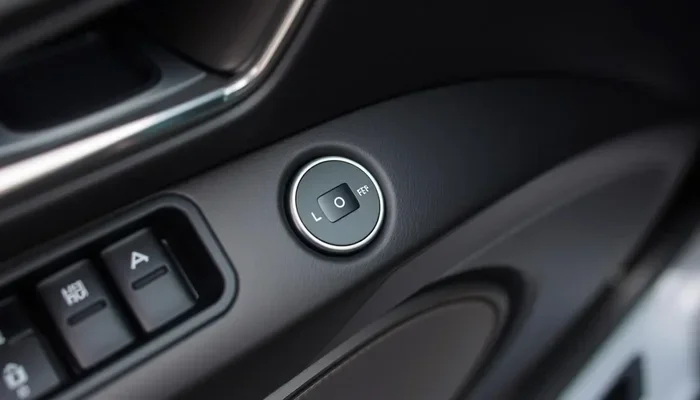
Where Is the Button to Open the Gas Tank on Your Car
Finding the button to open the gas tank can be confusing if you are new to a vehicle or driving an unfamiliar car. The gas tank release button is usually located near the driver’s seat, on the floor panel, or inside the trunk. Knowing where your fuel door latch is saves time and prevents frustrating moments at the gas station. This guide walks you through every common location and troubleshooting tip.
Have you ever pulled up to a gas station, turned off your engine, and then completely forgotten where the button to open the gas tank is? It happens to the best of us. Whether you are driving a brand-new sedan or a hand-me-down SUV, finding the gas tank release is not always obvious. The good news is that once you know what to look for, it becomes second nature. This guide will walk you through every possible location, common problems, and quick fixes so you never have to stand at the pump looking confused again.
The fuel door button on your car is a small but essential part of your daily driving routine. Unlike the trunk release or the hood latch, the gas tank door does not follow a universal design. Every automaker has its own idea of where the release should go. Some place it on the floorboard. Others tuck it behind a trim panel in the trunk. A few even hide it on the dashboard. This variety can make things tricky, especially if you are driving a rental car or a vehicle you have not driven before. Understanding how your specific car works will make your life much easier at the fuel pump.
In this article, we will cover all the common locations for the gas tank door release across different car brands and models. We will also dive into what to do when the button does not work, how to manually open the fuel door, and tips to keep your fuel filler door in great shape. By the end, you will be an expert at opening your gas tank on any vehicle. Let us get started.
Key Takeaways
- Driver’s Side Floor Panel: The most common location for the gas tank release button is on the floor, near the driver’s left knee.
- Trunk or Tailgate Area: Many SUVs and sedans hide the fuel door latch inside the trunk or behind a trim panel.
- Dashboard or Center Console: Some vehicles place the button on the dash or near the steering column.
- Common Problems: Stuck fuel doors, broken release cables, and blown fuses are the top issues drivers face.
- Safety First: Always turn off the engine and avoid sparks before opening the gas tank.
- Model-Specific Locations: Different car brands place the release in unique spots, so check your owner’s manual.
- Quick Fixes Work: Most gas tank door problems can be solved with simple tools and a little patience.
📑 Table of Contents
- Where Is the Button to Open the Gas Tank on Different Cars?
- How to Open the Gas Tank: Step-by-Step Guide
- Common Problems With the Gas Tank Release Button
- How to Manually Open the Gas Tank When the Button Fails
- Tips to Keep Your Gas Tank Door Working Smoothly
- Brand-Specific Gas Tank Release Locations
- Why Knowing Your Gas Tank Release Matters
- Final Thoughts
Where Is the Button to Open the Gas Tank on Different Cars?
The location of the gas tank release button varies widely depending on the make, model, and year of your vehicle. Automakers design the interior layout differently, so there is no single spot that fits all cars. However, there are a few common areas where you will find the release. Let us explore each one in detail.
Driver’s Side Floor Panel
This is the most common location for the fuel tank door button. In many sedans, hatchbacks, and crossovers, the release is on the floor on the driver’s left side. You will usually find it near the bottom of the seat or on the floorboard just behind the driver’s seat. It might be a small lever, a push button, or even a pull handle. The design often blends into the trim panel, so you might not notice it at first glance.
For example, many Toyota and Honda models place the gas cap release on the driver’s side floor. Ford and Chevrolet vehicles often follow a similar pattern. If you are sitting in the driver’s seat and looking down at your left foot area, the button is likely somewhere in that zone. Run your hand along the floor near the door sill, and you will probably feel a small tab or lever.
Trunk or Tailgate Area
Many vehicles, especially SUVs, wagons, and larger sedans, hide the fuel door latch inside the trunk. In these cars, you will need to open the trunk and look along the trim panel on the driver’s side wall. The release might be a small lever, a pull cord, or a button recessed into the plastic trim. Some vehicles have a gas tank hatch release that is part of the spare tire cover or the trunk floor panel.
This design is common in luxury brands like BMW, Mercedes-Benz, and Audi. It keeps the interior looking clean and uncluttered. However, it can catch drivers off guard if they are used to finding the release on the floor. Always take a moment to check the trunk area if you cannot locate the button elsewhere.
Dashboard or Center Console
Some vehicles place the fuel filler door release on the dashboard or near the center console. This is less common but still worth checking. You might find a small button near the steering column, on the instrument panel, or embedded in the center stack. In certain trucks and vans, the release is a lever located near the driver’s left knee, above the footwell.
Older vehicles from the 1990s and early 2000s sometimes used this placement. Certain models from brands like Jeep and Dodge have been known to use dashboard-mounted releases. If you have checked the floor and the trunk without success, look at the dash area carefully.
Outside the Vehicle
In a few cases, the gas tank door does not have an interior release button at all. Instead, you open it by hand from outside the vehicle. Some older cars and trucks use a manual latch on the fuel door itself. You simply push or pull the door to release it. A few modern vehicles use a key-operated fuel door lock for added security.
This design is more common in trucks and certain luxury models. If your car has no visible interior release, check the fuel door directly. There may be a small slot where you can insert a key or a push-to-open mechanism on the door surface.
How to Open the Gas Tank: Step-by-Step Guide
Now that you know the common locations, let us walk through the actual process of opening your gas tank door. Following the right steps ensures you do not damage the release mechanism or the fuel door.
Step 1: Park the Vehicle Safely
Before you do anything, pull your car to a safe stop. Turn off the engine and engage the parking brake. Opening the fuel door while the engine is running is a safety risk. Gasoline fumes are flammable, and you do not want any chance of ignition. If you are at a gas station, pull up to the pump and turn off the engine before you start looking for the release.
Step 2: Locate the Release Button or Lever
Start by checking the driver’s side floor panel. Run your hand along the floor near the driver’s seat. Feel for a small lever, button, or tab. If you do not find it there, check the trunk area on the driver’s side wall. Finally, look at the dashboard and center console. In some vehicles, you may need to refer to the owner’s manual for the exact location.
Step 3: Press or Pull the Release
Once you find the release mechanism, press the button, pull the lever, or tug the cord gently. You should hear a click or feel the fuel door latch disengage. The fuel door will pop open slightly, giving you enough room to pull it the rest of the way by hand.
Step 4: Open the Fuel Door Fully
After the latch releases, gently pull the fuel door open. Some doors swing outward, while others flip upward. Be careful not to force the door if it feels stuck. Forcing it can damage the hinges or the latch mechanism.
Step 5: Remove the Gas Cap and Fuel Up
With the fuel door open, unscrew the gas cap by turning it counterclockwise. Insert your fuel nozzle and begin filling up. After fueling, replace the gas cap by turning it clockwise until it clicks. Close the fuel door firmly until it latches into place.
Common Problems With the Gas Tank Release Button
Even when you know where the button is, problems can still arise. The fuel door release is a mechanical part that wears out over time. Here are the most common issues drivers face.
Stuck Fuel Door
A stuck fuel door is one of the most frustrating problems. The release button works, but the door does not open. This usually happens because of rust, dirt, or ice buildup around the latch. In cold climates, ice can freeze the fuel door shut overnight. The fix is often simple: spray a small amount of penetrating lubricant, like WD-40, around the latch and gently work the door open. Preventive maintenance, such as keeping the latch clean and lubricated, can help avoid this issue.
Broken Release Cable
The gas tank release cable connects the interior button or lever to the fuel door latch. Over time, this cable can stretch, fray, or snap. If you press the release button and hear nothing, the cable may be broken. You might also notice that the button feels loose or does not return to its normal position. Replacing a broken release cable requires basic mechanical skills and a replacement cable from an auto parts store. In many cases, a mechanic can do this for a reasonable cost.
Blown Fuse
Some modern vehicles use an electric fuel door opener that relies on a fuse. If the fuse blows, the release button will not work. Check your owner’s manual to locate the fuse box and identify the correct fuse for the fuel door. Replacing a blown fuse is an easy and inexpensive fix. However, if the fuse blows repeatedly, there may be a deeper electrical issue that needs professional attention.
Faulty Release Button
The release button itself can wear out or become stuck. Dirt, debris, and spills around the button can cause it to malfunction. If the button feels gummy or does not click when pressed, try cleaning it with electrical contact cleaner. If cleaning does not help, the button assembly may need to be replaced.
How to Manually Open the Gas Tank When the Button Fails
What happens when the gas tank release button fails and you need to open the fuel door right away? There is almost always a manual override. Every vehicle with a fuel door latch has a backup way to open it. Knowing this trick can save you from a stressful situation.
Most fuel doors have a small emergency release hole on the outside of the door. Look at the fuel door from the outside. You will often see a tiny slot or hole near the bottom or the edge of the door. Insert a small flathead screwdriver, a key, or a specialized fuel door release tool into the slot. Push gently, and the latch will release. The door will open, allowing you to access the gas cap.
Some vehicles use a cable that can be pulled directly. Look under the trunk trim or behind the rear seat for a thin metal cable with a plastic handle at the end. Pulling this cable will disengage the fuel door latch mechanically. Again, your owner’s manual is the best resource for finding the manual override on your specific vehicle.
Quick Tips for Manual Opening
- Keep a small flathead screwdriver in your car for emergencies.
- Never force the fuel door open with excessive pressure.
- Use a key that fits the emergency release slot snugly.
- Refer to your owner’s manual for model-specific instructions.
- Stay calm and work slowly to avoid damaging the latch or door.
Tips to Keep Your Gas Tank Door Working Smoothly
Prevention is always better than repair when it comes to your fuel filler door. A little regular maintenance can keep the gas tank release working flawlessly for years. Here are some simple tips to follow.
- Keep the latch clean: Wipe the fuel door latch and surrounding area with a damp cloth every few months. Dirt and grime can build up and cause sticking.
- Lubricate the hinge: Apply a silicone-based lubricant to the fuel door hinge and latch once or twice a year. This keeps the door moving freely.
- Avoid slamming the fuel door: Closing the door with force can misalign the latch over time. Always close it gently but firmly.
- Check the release cable: If you notice any looseness or resistance in the release button, have the cable inspected early.
- Watch for warning signs: A sticking button, a loose feel, or unusual sounds when pressing the release are signs that something needs attention.
- Replace worn parts promptly: Do not wait for a broken release cable or a faulty button to cause a bigger problem. Replace worn parts as soon as you notice issues.
Brand-Specific Gas Tank Release Locations
Different car brands have different traditions for placing the gas tank door button. Here is a quick reference guide for popular brands.
| Brand | Typical Release Location |
|---|---|
| Toyota | Driver’s side floor panel, near the left knee |
| Honda | Driver’s side floor panel or below the steering column |
| Ford | Driver’s side floor panel or inside the trunk |
| Chevrolet | Driver’s side floor panel, often near the door sill |
| BMW | Inside the trunk, on the driver’s side trim panel |
| Mercedes-Benz | Inside the trunk or on the driver’s side floor |
| Jeep | Dashboard area or driver’s side floor |
| Subaru | Driver’s side floor panel or behind the fuel door |
This table gives you a general idea, but always check your specific model. The owner’s manual is the most reliable source for your vehicle’s fuel door release location. Keep a copy in your glove box or save a digital version on your phone for easy access.
Why Knowing Your Gas Tank Release Matters
You might wonder why it is so important to know exactly where the button to open the gas tank is. The answer is simple: convenience and safety. Being able to quickly and confidently open your fuel door saves time at the gas station. It also reduces stress when you are in a hurry or driving in an unfamiliar vehicle.
More importantly, understanding your car’s fuel system helps you spot problems early. A sticking release button or a stiff fuel door can signal deeper issues that need attention. Addressing these problems early prevents costly repairs and keeps your vehicle running smoothly. Knowing your car is one of the simplest forms of vehicle maintenance, and it pays off every time you fill up.
Final Thoughts
Finding the button to open the gas tank does not have to be a mystery. Whether your release is on the driver’s side floor, inside the trunk, or on the dashboard, this guide has covered the most common locations. You now know how to open the fuel door step by step, what to do when problems arise, and how to keep everything working smoothly. The next time you pull up to the pump, you will feel confident and prepared. Take a moment to locate your gas tank release today, and you will thank yourself every time you need to fill up.
Frequently Asked Questions
Can I open the gas tank door without the release button?
Yes, most vehicles have a manual override. Look for a small emergency release slot on the outside of the fuel door. Insert a flathead screwdriver or a key into the slot and push gently to release the latch. Your owner’s manual will also describe the manual override method for your specific model.
Why is my gas tank release button not working?
The most common reasons are a broken release cable, a blown fuse, or a faulty button mechanism. Dirt and debris can also cause the button to stick. Try cleaning the button first, and if that does not work, check the fuse box. If the problem persists, have a mechanic inspect the release cable and latch assembly.
Is it safe to open the gas tank while the engine is running?
No. Always turn off the engine before opening the fuel door. Gasoline fumes are highly flammable, and turning off the engine eliminates the risk of ignition. This is a basic safety rule every driver should follow.
How do I find the gas tank release on a rental car?
Rental cars vary by model, so the release location may differ from what you are used to. Check the driver’s side floor panel first, then the trunk area. If you cannot find it, look at the dashboard or center console. When in doubt, ask the rental counter attendant or refer to the quick-start guide in the glove box.
What should I do if the fuel door is frozen shut in winter?
Do not force the door open. Spray a small amount of de-icer or penetrating lubricant around the latch and edges of the fuel door. Wait a minute or two for the ice to loosen, then gently work the door open. Applying a silicone lubricant to the latch before winter can help prevent freezing in the first place.
Can a stuck gas tank release button be fixed at home?
Many issues can be fixed at home with basic tools. Cleaning the button with electrical contact cleaner, lubricating the latch, or replacing a blown fuse are simple DIY tasks. However, if the release cable is broken or the latch mechanism is damaged, it is best to have a professional mechanic handle the repair.
=== CONCLUSION ===
Knowing where the button is to open the gas tank on your car is one of those small things that makes a big difference in your daily driving experience. From the driver’s side floor panel to the trunk and dashboard, the release can be in many places depending on your vehicle. We have covered the most common locations, the step-by-step process for opening the fuel door, and what to do when things go wrong. By keeping your fuel door latch clean and well-maintained, you can avoid most problems before they start. The next time you need to fill up, you will know exactly what to do. Stay prepared, stay safe, and keep your car running smoothly.