Can You Jump Start a Toyota Hybrid Battery Right Now
Yes, you can jump start a Toyota hybrid battery, but with important caveats. The process differs significantly from jump starting a conventional car. You must target the 12-volt auxiliary battery rather than the high-voltage hybrid battery pack. Always follow safety protocols to protect yourself and your vehicle’s hybrid powertrain.
Key Takeaways
- Jump starting a Toyota hybrid targets the 12-volt auxiliary battery: Never attempt to jump the high-voltage hybrid battery pack directly.
- You can use standard jumper cables: Connect them to the 12-volt battery terminals, just like a conventional car.
- Safety comes first: Hybrid systems carry high voltage that can be dangerous if mishandled.
- The process is similar to a regular car: But you need to know where the 12-volt battery is located in your specific Toyota hybrid model.
- Preventative maintenance helps: Regular checks can prevent hybrid battery issues before they leave you stranded.
- Call a professional if unsure: Toyota dealerships and certified technicians can handle hybrid battery concerns safely.
📑 Table of Contents
- Can You Jump Start a Toyota Hybrid Battery Right Now?
- Understanding Your Toyota Hybrid Battery System
- How to Jump Start a Toyota Hybrid Battery
- Safety Precautions When Jumping a Hybrid
- Common Reasons Toyota Hybrid 12-Volt Batteries Die
- Preventing Future Battery Issues
- When to Call a Professional
- Key Takeaways
- Conclusion
Can You Jump Start a Toyota Hybrid Battery Right Now?
You are standing in a parking lot. Your Toyota hybrid will not start. The dashboard lights are dim. You wonder if you can just jump start a Toyota hybrid battery like any other car. The answer is yes, but with a twist. You cannot jump the big hybrid battery pack. Instead, you jump the small 12-volt auxiliary battery. This distinction matters a lot. Getting it wrong could damage your vehicle or hurt you.
Toyota hybrid vehicles are clever machines. They use two separate battery systems. One is the high-voltage hybrid battery that powers the electric motor. The other is a standard 12-volt battery that runs the electronics and starting system. When your hybrid will not crank, the problem is almost always the 12-volt battery. This is good news because it means you can use traditional jump starting methods. But you still need to know exactly where to connect the cables.
In this guide, we walk you through everything. We cover where the 12-volt battery lives in Toyota hybrids. We explain the step-by-step jump starting process. We share safety warnings you must follow. And we answer common questions hybrid owners ask all the time. Whether you drive a Toyota Prius or a newer hybrid model, this article has you covered.
Let us get into it. Your Toyota hybrid is smarter than you think. But it also demands respect. Treat the hybrid system with care, and you will be back on the road in minutes.
Understanding Your Toyota Hybrid Battery System
Before you try anything, you need to understand how a Toyota hybrid battery system works. Most people think hybrids only have one battery. That is not true. Toyota hybrids use two distinct power sources. Each serves a different purpose.
The High-Voltage Hybrid Battery Pack
This is the big battery. It stores energy for the electric motor. In a Toyota Prius, this battery sits in the trunk or under the rear seat. It operates at several hundred volts. You should never touch this battery directly. The high voltage can cause serious injury. The good news is this battery almost never needs a jump start. It charges itself through regenerative braking and the gasoline engine.
If your hybrid car will not move, the high-voltage battery might have a fault. But that is rare. When it happens, you need a Toyota dealer or certified technician. Do not attempt to jump this battery yourself. The risks are too high.
The 12-Volt Auxiliary Battery
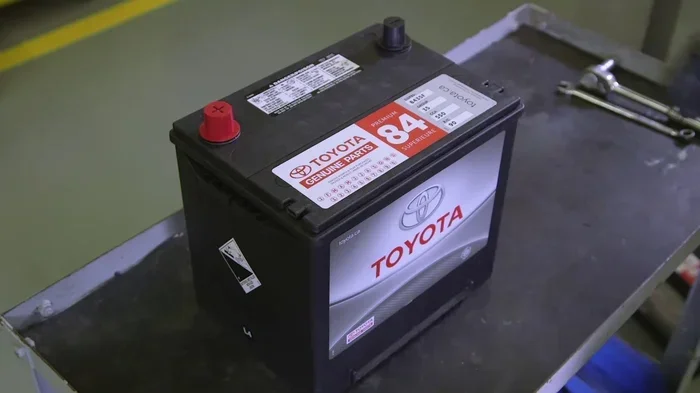
This is the battery you jump. It is a standard lead-acid battery, just like in a conventional car. It powers the keyless entry system, the dashboard computer, the lights, and the starter motor. When this battery dies, your hybrid will not start at all. The engine will not turn over. The screen will be blank. Everything goes dark.
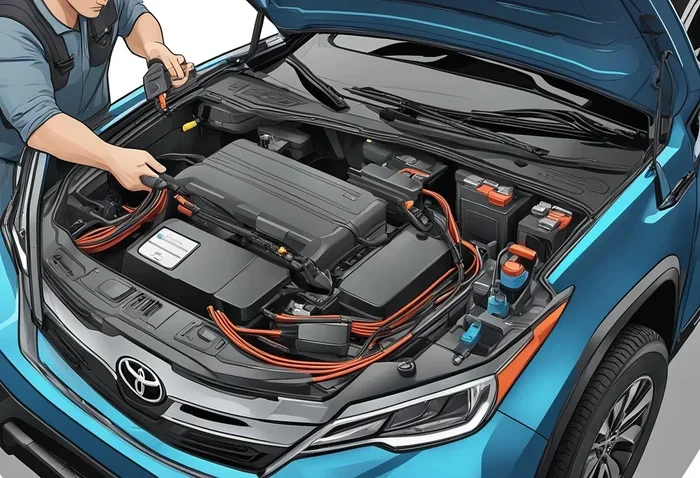
The 12-volt battery in Toyota hybrids is usually located in the engine bay. In some models, it sits under a cover on the right side of the engine compartment. In older Prius models, it may be in the trunk. Check your owner manual to find the exact location. Knowing where this battery lives is essential before you attempt a jump.
How to Jump Start a Toyota Hybrid Battery
Now that you understand the system, let us get into the process. Jump starting a Toyota hybrid is straightforward. But you must follow the steps in order. Rushing can cause problems. Take your time and stay focused.
Step 1: Gather Your Tools
You need a few things before you start:
- A set of jumper cables (standard red and black)
- A running vehicle with a healthy 12-volt battery
- Your Toyota hybrid owner manual
- Safety gloves and eyewear
You can also use a portable jump starter if you have one. Just make sure it is rated for 12-volt systems. Some portable units work well for hybrid vehicle batteries. Keep one in your trunk for emergencies. It could save you from a long walk home.
Note: If you have ever wondered whether jumper cables can be used on a hybrid, the answer is yes. Standard jumper cables work perfectly fine for the 12-volt auxiliary battery. The hybrid system does not interfere with the jump process when you target the right battery.
Step 2: Position the Vehicles
Park the running vehicle close to your Toyota hybrid. The batteries should be within reach of the jumper cables. Turn both vehicles off. Engage the parking brakes on both cars. Do not let the vehicles touch each other. Keep the jumper cables from dangling into the engine bay where moving parts could catch them.
Step 3: Connect the Jumper Cables
Follow this exact order. Do not skip steps or swap them around:
- Connect the red clamp to the positive terminal of the dead 12-volt battery.
- Connect the other red clamp to the positive terminal of the good battery.
- Connect the black clamp to the negative terminal of the good battery.
- Connect the other black clamp to an unpainted metal surface on the Toyota hybrid chassis. Do not connect it directly to the battery terminal.
This order matters. Connecting the final black clamp to the chassis instead of the battery terminal reduces sparking near the hybrid battery. It is a safety precaution that protects you from potential sparks in the engine bay.
Step 4: Start the Working Vehicle
Start the running vehicle and let it idle for a few minutes. This charges the dead 12-volt battery slightly. You will notice the dashboard lights on your Toyota hybrid begin to brighten. That is a good sign. It means power is flowing.
Step 5: Start the Toyota Hybrid
Press the power button on your Toyota hybrid. Do not press the brake pedal yet. Just press the button. The hybrid system will attempt to start. If it starts, let it run for at least 15 minutes. This allows the alternator to recharge the 12-volt battery fully.
If your hybrid will not start, wait another five minutes and try again. Sometimes the 12-volt battery needs a bit more charge before it has enough power to turn the starter motor.
Step 6: Disconnect the Jumper Cables
Once your Toyota hybrid is running, disconnect the cables in reverse order:
- Remove the black clamp from the chassis ground.
- Remove the black clamp from the good battery.
- Remove the red clamp from the good battery.
- Remove the red clamp from your Toyota hybrid battery.
Drive your hybrid for at least 30 minutes after jumping it. This ensures the 12-volt battery gets a full charge. If the battery keeps dying, you may need a replacement. A failing 12-volt battery is common in older Toyota hybrids.
Safety Precautions When Jumping a Hybrid
Safety is the most important part of this process. Hybrid vehicles carry both a standard 12-volt system and a high-voltage system. The high-voltage system can deliver a dangerous shock if you are not careful. Follow these precautions every single time.
Never Touch the Orange Cables
Toyota hybrids have bright orange cables that connect to the high-voltage battery. These cables carry several hundred volts. Never touch them, disconnect them, or attempt to work near them. If you see damaged orange cables, do not attempt any repairs yourself. Call a professional immediately.
Keep Water Away
Do not attempt to jump start your hybrid in heavy rain or standing water. Water and electricity do not mix. Move to a dry, covered area if possible. Standing on dry ground while handling jumper cables reduces the risk of electrical shock.
Check for Battery Damage
Before you connect jumper cables, inspect the 12-volt battery. Look for cracks, leaks, or bulging. If the battery appears damaged, do not attempt a jump. A damaged battery can leak acid or even explode. Replace it instead. You can find affordable replacements at most auto parts stores.
Read Your Owner Manual
Every Toyota hybrid model is slightly different. The battery locations and terminal positions vary. Your owner manual contains the exact jump starting instructions for your specific vehicle. Read it before you need it. Keep a copy in your glove box for emergencies.
If You Are Unsure, Call for Help
There is no shame in calling for roadside assistance. If you feel uncomfortable at any point during the jump starting process, stop and call a professional. A Toyota service center can assist you over the phone or send a tow truck. Your safety is worth more than saving a few dollars.
Common Reasons Toyota Hybrid 12-Volt Batteries Die
Understanding why your 12-volt battery died can help you prevent it from happening again. Hybrid vehicles put unique demands on the auxiliary battery. Here are the most common causes:
Leaving Lights or Accessories On
This is the number one cause of dead 12-volt batteries. Leaving the headlights on, the interior lights on, or an accessory plugged into the power outlet will drain the battery over time. Modern Toyotas have systems that auto-shut off some features, but they are not foolproof. Always double-check before you walk away from your vehicle.
Infrequent Driving
If you only drive your Toyota hybrid short distances occasionally, the 12-volt battery may not get fully recharged. The alternator needs time to replenish the battery. Short trips do not provide enough charging time. If your hybrid sits unused for weeks, the battery will slowly lose its charge.
Extreme Temperatures
Both hot and cold weather affect battery performance. Extreme heat causes battery fluid to evaporate. Extreme cold reduces the battery’s ability to hold a charge. If you live in a climate with harsh winters or scorching summers, your 12-volt battery may need replacement more frequently.
A Failing Alternator
The alternator charges the 12-volt battery while the engine runs. If the alternator is failing, the battery will not charge properly. Signs of a bad alternator include dimming lights, a battery warning light on the dashboard, and electrical issues. Have your alternator checked regularly as part of Toyota hybrid maintenance.
Age and Wear
All batteries eventually die. A 12-volt battery typically lasts three to five years. If your battery is older than four years, consider replacing it proactively. A new battery costs between $100 and $200 for most Toyota hybrid models. It is a small price to pay compared to being stranded.
Preventing Future Battery Issues
You do not have to keep dealing with a dead 12-volt battery. A few simple habits can extend the life of your Toyota hybrid auxiliary battery significantly.
Drive Your Hybrid Regularly
The best way to keep the 12-volt battery healthy is to drive your Toyota hybrid regularly. Even a 20-minute drive gives the alternator time to recharge the battery. If you rarely drive, consider using a battery maintainer or trickle charger. These devices keep the battery topped off without overcharging it.
Get Regular Inspections
During your routine Toyota service appointments, ask the technician to check the 12-volt battery condition. They can test the voltage and identify weak batteries before they fail. This simple check takes minutes but can save you from an unexpected breakdown.
Use Quality Replacement Batteries
When it is time to replace your 12-volt battery, choose a quality brand. OEM Toyota batteries are ideal, but reputable aftermarket brands work well too. Avoid the cheapest option. A reliable battery costs a little more but lasts longer and performs better.
Keep the Terminals Clean
Corrosion on battery terminals can prevent proper charging and starting. Inspect the terminals every few months. If you see white or green buildup, clean it off with a wire brush and a baking soda solution. Clean terminals ensure a strong electrical connection every time you start your hybrid.
When to Call a Professional
There are times when jump starting is not the answer. If you follow all the steps correctly and your Toyota hybrid still will not start, something else may be wrong. Here are signs that you need professional help:
- The dashboard warning lights flash or behave erratically after jumping
- The hybrid system displays error messages related to the high-voltage battery
- The 12-volt battery dies again within a day or two of jumping
- You hear clicking sounds but the engine will not turn over even after a successful jump
- Your hybrid battery warning light is illuminated on the dashboard
These symptoms could indicate deeper issues with the hybrid powertrain or the electrical system. A certified Toyota technician has the tools and training to diagnose these problems accurately. Do not ignore warning signs. Addressing them early can save you from expensive repairs down the road.
Also, if you have ever struggled with starting your car without the remote key, the issue might be related to the 12-volt battery rather than the key fob itself. A weak auxiliary battery can prevent the keyless entry and push-button start systems from functioning properly. Jumping the battery often resolves this issue immediately.
Key Takeaways
- Jump starting a Toyota hybrid targets the 12-volt auxiliary battery: Never attempt to jump the high-voltage hybrid battery pack directly.
- You can use standard jumper cables: Connect them to the 12-volt battery terminals, just like a conventional car.
- Safety comes first: Hybrid systems carry high voltage that can be dangerous if mishandled.
- The process is similar to a regular car: But you need to know where the 12-volt battery is located in your specific Toyota hybrid model.
- Preventative maintenance helps: Regular checks can prevent hybrid battery issues before they leave you stranded.
- Call a professional if unsure: Toyota dealerships and certified technicians can handle hybrid battery concerns safely.
Conclusion
Jump starting a Toyota hybrid battery is something you can do yourself. It is not as complicated as many people think. The key is knowing which battery to target. Always focus on the 12-volt auxiliary battery. Never touch the high-voltage hybrid battery pack. Follow the steps in the correct order. Wear safety gear. And when in doubt, call a professional.
Your Toyota hybrid is a reliable machine. It combines the best of electric and gasoline power. But like any vehicle, it needs a healthy 12-volt battery to start and function properly. Understanding how the system works puts you in control. You will be better prepared if you ever find yourself with a dead battery in a parking lot.
Keep jumper cables in your trunk. Keep your owner manual accessible. And take care of your 12-volt battery before it becomes a problem. These small habits make a big difference. They keep your Toyota hybrid running smoothly for years to come.
Next time someone asks you whether you can jump start a Toyota hybrid battery, you will know the answer. You will know exactly how to do it safely. And you will feel confident handling the situation. That knowledge is worth its weight in gold. Drive safe, stay prepared, and keep your hybrid charged.
Frequently Asked Questions
Can you jump start a Toyota hybrid like a regular car?
Yes, you can jump start a Toyota hybrid, but you must target the 12-volt auxiliary battery, not the high-voltage hybrid battery pack. The process is very similar to jump starting a conventional car. Just make sure you connect the cables to the correct 12-volt terminals and follow all safety precautions.
Where is the 12-volt battery located in a Toyota hybrid?
In most Toyota hybrid models, the 12-volt battery is located in the engine bay, usually on the right side under a cover. In some older models like the first-generation Prius, the 12-volt battery may be in the trunk. Always check your owner manual for the exact location in your specific model.
Can jumper cables be used on a hybrid vehicle?
Yes, standard jumper cables work perfectly on Toyota hybrid vehicles for the 12-volt auxiliary battery. The hybrid system does not interfere with the jump starting process as long as you connect to the correct 12-volt battery terminals. Never attempt to connect cables to the high-voltage orange cables.
What happens if you accidentally jump the high-voltage hybrid battery?
Attempting to jump the high-voltage hybrid battery can cause severe damage to your vehicle and serious injury to yourself. The high-voltage system operates at several hundred volts and is not designed to be jump started. Always double-check that you are connecting to the 12-volt auxiliary battery terminals only.
How long should I drive my Toyota hybrid after jump starting it?
You should drive your Toyota hybrid for at least 30 minutes after jump starting it. This allows the alternator to fully recharge the 12-volt auxiliary battery. If you only drive for a few minutes, the battery may not get enough charge and could die again soon.
Can a dead 12-volt battery prevent a Toyota hybrid from driving?
Yes, a dead 12-volt battery can prevent your Toyota hybrid from starting entirely. The 12-volt battery powers the starter motor, the dashboard computer, and the keyless entry system. Without a functioning 12-volt battery, the hybrid system cannot activate, even though the high-voltage battery may be fully charged.