How Soon Can I Get My Repossessed Car Back Right Now
Getting your repossessed car back is possible, but timing depends on your state laws and loan terms. Most lenders give you a redemption period ranging from a few days to several months. Acting quickly, contacting your lender, and paying the full loan balance are the fastest ways to recover your vehicle.
Losing your car to repossession is stressful. You may feel lost, confused, and unsure about what happens next. The big question on your mind is probably, “How soon can I get my repossessed car back?”
The answer depends on several factors. Your state laws, your loan agreement, and how quickly you act all play a role. This guide breaks down everything you need to know about recovering a repossessed vehicle. Whether you are days away or weeks into the process, you will find clear steps to help you get back on the road.
Let us walk through the timeline, the costs, and the options available to you. By the end, you will know exactly what to do next.
Key Takeaways
- Redemption Period Varies: The time you have to get your car back depends on your state and loan agreement.
- Paying the Full Balance Is Fastest: Paying off the entire loan amount is the quickest way to recover your vehicle.
- Contact Your Lender Immediately: Reaching out early opens up options like reinstatement and negotiation.
- Check Your State Laws: Each state has specific rules about repossession and redemption timelines.
- Credit Impact Is Real: A repossession can lower your credit score, but recovering the car can help reduce long-term damage.
- Act Fast: The longer you wait, the harder it becomes to get your car back.
📑 Table of Contents
- What Happens When Your Car Gets Repossessed
- How Soon Can I Get My Repossessed Car Back
- Steps to Recover Your Repossessed Car
- Can You Stop a Repossession Before It Happens
- What If You Cannot Afford to Get the Car Back
- Common Mistakes to Avoid After Repossession
- Expert Insights on Vehicle Recovery
- Key Takeaways
- Conclusion
What Happens When Your Car Gets Repossessed
Understanding the repossession process helps you figure out your next move. Many people do not fully understand what occurs after a repo agent takes their vehicle.
The Repossession Process Explained
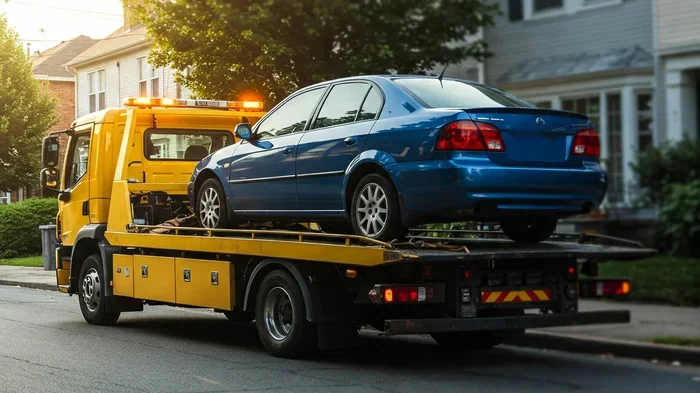
When you miss car payments, your lender has the right to repossess the vehicle. This usually happens after you are 60 to 90 days behind. The lender does not need to notify you before the repo agent shows up. They can take the car from your driveway, workplace, or any public place.
Once the vehicle is taken, the lender will send you a notice. This notice tells you the steps you can take to recover the car. It also outlines the amount you owe. The notice is your first real clue about the timeline ahead.
After repossession, the lender may sell the car at an auction. This is done to recover the outstanding loan balance. If the auction does not cover the full amount, you may still owe money. This is called a deficiency balance.
How Your Credit Score Is Affected
A repossession stays on your credit report for seven years. It can drop your score significantly. Late payments before the repossession also hurt your credit. The combined impact can make borrowing money harder for years.
However, recovering your vehicle can help reduce some of the damage. Bringing the loan current shows lenders you are committed to repayment. This positive action can slowly rebuild your credit over time.
How Soon Can I Get My Repossessed Car Back
This is the question everyone wants answered. The truth is there is no single timeline. It depends on where you live and what steps you take.
The Redemption Period
Every state has a redemption period. This is the window of time you have to reclaim your repossessed vehicle. Some states give you as little as 20 days. Others allow up to 15 months.
During the redemption period, you can get the car back by paying the full loan balance. You also need to cover any repossession fees and storage costs. Once you pay, the lender must return the vehicle to you.
Here are common redemption periods by state:
- California: 20 days after the notice of repossession
- Texas: No statutory redemption period
- Florida: 60 days from the notice date
- New York: 60 days from the notice date
- Illinois: 60 days from the date of repossession
- Georgia: 30 days after the notice
These timelines can vary based on your specific loan terms. Always read your loan agreement carefully. It may contain clauses that shorten or extend your redemption window.
Factors That Affect Your Timeline
Several factors determine how quickly you can recover your car. Understanding these helps you set realistic expectations.
Your Loan Agreement Terms play a big role. Some loans have specific redemption clauses. Others give the lender more flexibility in selling the vehicle quickly.
Your State Laws set the legal framework. States with longer redemption periods give you more time to gather funds. States with shorter windows require faster action.
The Lender’s Timeline also matters. Some lenders wait until the auction is complete before contacting you. Others reach out sooner to discuss options. The faster you contact them, the better your chances.
Your Financial Situation is another key factor. If you have the funds ready, you can act immediately. If you need time to arrange payment, the timeline stretches longer.
Steps to Recover Your Repossessed Car
Recovering a repossessed vehicle takes action. You cannot just sit and wait. Follow these steps to maximize your chances of getting your car back.
Step 1: Contact Your Lender Right Away
The moment you learn your car has been repossessed, call your lender. Do not wait. Ask them for the exact amount you need to pay to recover the vehicle. Request a written breakdown of all fees and charges.
When you speak with your lender, be polite but firm. Explain your situation. Ask about any options to reinstate your loan. Some lenders prefer to work with you rather than go through a costly auction process.
Step 2: Review Your Loan Agreement
Pull out your original loan documents. Look for the repossession and redemption clauses. These sections spell out your rights and responsibilities.
Pay attention to the total amount due. This includes the principal balance, interest, late fees, repossession costs, and storage fees. Knowing the exact number helps you plan your next move.
Step 3: Gather Your Funds
Once you know the total amount, start gathering the money. Options include savings, borrowing from family, or taking out a small personal loan.
Quick Tips for gathering funds:
- Sell items you no longer need for fast cash
- Ask friends or family for a short-term loan
- Check if you have any unused credit available
- Look into local charities or community assistance programs
Step 4: Pay the Redemption Amount
Once you have the funds, contact your lender to make payment. Ask for a receipt and confirmation that your car will be returned. Get the timeline for vehicle return in writing.
After payment, the lender must release the vehicle. They cannot hold the car any longer once you have paid the full redemption amount. If they refuse, you may need to seek legal help.
Step 5: Pick Up Your Vehicle
Go to the location specified by your lender to collect the car. Bring your ID and all payment receipts. Inspect the vehicle for any damage before leaving the lot.
If the car shows new damage, document it with photos. Report it to the lender immediately. You have the right to demand the vehicle be returned in the same condition it was taken.
Can You Stop a Repossession Before It Happens
Prevention is always better than cure. If you are still in the early stages of missed payments, you may be able to stop the repossession altogether.
Options to Avoid Repossession
Loan Reinstatement: You can bring your account current by paying all missed payments plus fees. Once reinstated, your loan returns to normal. This stops the repossession process in its tracks.
Loan Modification: Ask your lender to modify your loan terms. They may agree to lower your monthly payment or extend the loan term. This makes payments more manageable.
Voluntary Surrender: If you know you cannot keep up with payments, returning the car voluntarily may be a better option. It shows good faith and may reduce some fees. However, it still impacts your credit score.
Refinancing: You can refinance your auto loan with a different lender. This may lower your interest rate and monthly payment. It can help you stay current and avoid repossession.
What to Do If You Are Behind on Payments
If you are already behind, act immediately. Call your lender before they take action. Many lenders prefer to work out a payment plan rather than repossess a vehicle.
Be honest about your financial situation. Explain what caused the missed payments. Propose a realistic plan to catch up. Lenders are more likely to help when they see you are taking responsibility.
What If You Cannot Afford to Get the Car Back
Sometimes the redemption amount is simply too high. In that case, you have a few other options to consider.
Let the Lender Sell the Car
If you cannot afford to redeem the vehicle, let the lender sell it at auction. After the sale, they will apply the proceeds to your loan balance. If there is a remaining balance, you will owe a deficiency.
You have the right to know the sale price. If the lender sells the car for far less than market value, you may be able to challenge the sale. This could reduce your deficiency balance.
Negotiate the Deficiency Balance
If you still owe money after the auction, negotiate with the lender. They may agree to settle the deficiency for less than the full amount. Always get any settlement in writing.
Some states have laws that limit deficiency judgments. Check your state regulations to understand your rights. A consumer protection attorney can help you navigate these laws.
Consider Bankruptcy
In extreme cases, filing for bankruptcy can stop collection efforts. Chapter 7 bankruptcy may discharge the deficiency balance. Chapter 13 allows you to reorganize debt and keep some assets.
Bankruptcy has serious long-term effects on your credit. It should only be considered as a last resort. Speak with a credit counselor or attorney before making this decision.
Common Mistakes to Avoid After Repossession
Many people make costly mistakes during the repossession process. Avoid these pitfalls to protect your rights and your finances.
Waiting Too Long to Act
Time is your biggest enemy after repossession. Every day you wait, fees pile up. The lender may also move closer to selling the vehicle at auction. Act as soon as you learn your car has been taken.
Not Reading Your Loan Agreement
Your loan agreement contains vital information about your rights. Skipping this step can cost you time and money. Read every clause carefully, especially those related to repossession and redemption.
Ignoring Collection Calls
Avoiding your lender will not make the problem go away. It can actually make things worse. Lenders may take legal action if you ignore them. Stay proactive and communicate openly.
Not Checking the Sale Price
If the lender sells your car, review the sale price. If it was sold well below market value, you may have grounds to challenge the sale. This can lower your deficiency balance significantly.
Forgetting About Storage Fees
Repossessed vehicles incur storage fees every day. These charges add up quickly and are added to your balance. The sooner you act, the fewer fees you will owe.
Expert Insights on Vehicle Recovery
According to consumer finance experts, the best approach is to act within the first week after repossession. The longer you delay, the fewer options you have. Experts also recommend getting everything in writing. Verbal agreements can lead to misunderstandings and disputes later.
Legal professionals advise that you understand your state’s specific laws. Some states offer stronger consumer protections than others. Knowing your rights gives you an advantage in negotiations.
Financial advisors suggest exploring all options before paying the full redemption amount. In some cases, negotiating a lower payoff or settling the deficiency is a smarter financial move. Do not rush into a payment without exploring alternatives.
Key Takeaways
- Redemption Period Varies by State: You may have anywhere from 20 days to several months to recover your vehicle.
- Paying the Full Balance Gets Your Car Back Fastest: This is the most direct and reliable method to recover a repossessed car.
- Contact Your Lender Immediately: Early communication opens up more options and may prevent the auction from happening.
- Read Your Loan Agreement Carefully: It contains the specific terms that govern your redemption rights.
- Avoid Common Mistakes: Do not ignore calls, delay action, or skip reviewing the sale price after auction.
- Explore All Financial Options: Reinstatement, modification, refinancing, and negotiation can all help you recover your car or reduce what you owe.
- Protect Your Rights: Know your state laws and never sign anything you do not fully understand.
Conclusion
Getting your repossessed car back is challenging, but it is possible. The key is to act quickly and know your rights. Understanding the redemption period in your state gives you a clear timeline to work with.
Contact your lender as soon as you can. Gather the funds needed to pay off the balance. Follow the steps outlined in this guide to maximize your chances of recovery.
If you cannot afford to get the car back, explore your other options. Negotiate the deficiency, challenge an unfair sale, or seek legal advice. Every situation is different, and the right approach depends on your specific circumstances.
Remember, a repossession is a setback, but it is not the end of the road. With the right information and quick action, you can navigate this difficult time and move forward with confidence.
Take control of your financial situation today. The sooner you act, the sooner you can get back behind the wheel.
Frequently Asked Questions
Can I get my repossessed car back after the auction?
In most cases, once the lender sells the car at auction, you cannot get it back. However, some states allow you to bid on the vehicle during the auction. Check your state laws to see if this option is available to you.
How much does it cost to recover a repossessed car?
The cost includes the full loan balance plus repossession fees, storage charges, and any late fees. This total can be thousands of dollars. Ask your lender for a detailed breakdown before making any payment.
Will recovering my repossessed car help my credit score?
Yes, recovering the vehicle and bringing the loan current can help rebuild your credit over time. It shows lenders you are committed to repaying your debt. However, the repossession itself will remain on your credit report for seven years.
Can the lender sell my car without notifying me?
Most states require the lender to notify you before selling the repossessed vehicle. They must provide details about the sale date and location. If they fail to notify you, you may have legal grounds to challenge the sale.
What if I cannot afford to pay the full redemption amount?
You can negotiate with your lender for a lower payoff amount. You may also explore loan modification or refinancing options. In some cases, letting the lender sell the car and settling the deficiency balance is the most practical choice.
How long does a repossession stay on my credit report?
A repossession remains on your credit report for seven years from the date of the first missed payment that led to the default. Making timely payments on your remaining debts can help offset the negative impact over time.