8 Channel Car Amp The Ultimate Guide to Better Sound
An 8 channel car amp is a powerful audio solution that drives multiple speakers simultaneously, delivering rich, balanced sound throughout your entire vehicle. This guide covers everything from how these amplifiers work to choosing the right model for your setup. Whether you are upgrading a factory stereo or building a premium sound system, understanding the 8 channel car amp is essential for achieving the best possible audio experience on the road.
Key Takeaways
- Versatile Power: An 8 channel car amp can power up to eight speakers, giving you full-range sound in every zone of your vehicle.
- Flexible Configuration: These amps support bridge mode, parallel wiring, and multi-speaker setups for maximum customization.
- Improved Sound Quality: A dedicated 8 channel car amp reduces distortion and boosts clarity compared to factory head units.
- Key Specs Matter: Focus on RMS power, signal-to-noise ratio, and impedance when selecting your amplifier.
- Proper Installation Is Critical: Correct wiring, fuse placement, and grounding ensure safe, reliable performance.
- Common Mistakes Are Avoidable: Overpowering speakers, skipping fuses, and poor grounding are the top errors to watch for.
📑 Table of Contents
- What Is an 8 Channel Car Amp and Why Do You Need One
- How an 8 Channel Car Amp Works
- Benefits of Using an 8 Channel Car Amp
- How to Choose the Right 8 Channel Car Amp
- Installation Tips for Your 8 Channel Car Amp
- Common Mistakes to Avoid With an 8 Channel Car Amp
- Expert Insights: Getting the Most From Your 8 Channel Car Amp
- Conclusion
What Is an 8 Channel Car Amp and Why Do You Need One
An 8 channel car amp is an amplifier designed with eight independent channels. Each channel sends a dedicated audio signal to a separate speaker or speaker pair. This means you can power up your entire vehicle with clean, amplified sound from a single unit.
Most factory car stereos sound flat and weak. They are limited by the small built-in amplifiers inside the head unit. When you add an 8 channel car amp, you unlock the true potential of your speakers. Bass hits harder. Vocals sound clearer. High frequencies sparkle with detail.
People choose this type of amplifier for many reasons. Some want to replace a blown factory system. Others are building a custom audio setup from scratch. Whatever your goal, an 8 channel car amp gives you the flexibility and power to get professional-quality sound in your car.
Think of it this way. Your stock stereo is like a small garden hose. An 8 channel car amp is like opening up a fire hydrant. The difference in volume, depth, and richness is night and day.
Who Benefits Most From an 8 Channel Car Amp
Not everyone needs eight channels. But certain setups benefit greatly from this type of amplifier.
- Families with multiple rows of speakers: A full-size SUV or minivan often has speakers in the front, rear, and even overhead. An 8 channel car amp can power all of them.
- Car audio enthusiasts: If you are building a premium system with component speakers, coaxials, and a subwoofer, this amp gives you full control.
- Commercial vehicle users: Delivery vans, tour buses, and mobile DJ setups often require multi-speaker amplification from one compact unit.
- People replacing complex multi-amp setups: Instead of running three or four separate amplifiers, one 8 channel car amp can handle everything.
How an 8 Channel Car Amp Works
Understanding how an 8 channel car amp works helps you make better buying decisions. The basic concept is simple. The amp takes a low-voltage audio signal from your head unit and boosts it. That stronger signal then pushes your speakers with more force and precision.
Each channel operates independently. This means channel one can run your front left speaker while channel two handles the front right. Channels three and four manage the rear speakers. And the remaining four channels can be assigned to any combination you need.
Bridge Mode and Multi-Channel Configurations
One of the most useful features of an 8 channel car amp is bridge mode. When you bridge two channels together, they combine into one more powerful channel. This is great for powering a subwoofer or a pair of high-performance speakers that need extra punch.
For example, you could bridge channels one and two to drive a single subwoofer. Then use the remaining six channels to power your front and rear speakers. This gives you a custom setup that fits your exact audio preferences.
Some 8 channel car amp models also allow parallel wiring. This lets you connect multiple speakers to a single channel. It is a smart trick when you need to fill a large cabin with sound without buying extra equipment.
Signal-to-Noise Ratio Explained
The signal-to-noise ratio is a key spec on any amplifier. It measures how much clean signal you get compared to background noise or hiss. A higher number means cleaner sound. Look for an 8 channel car amp with a signal-to-noise ratio of at least 100 dB. This ensures your music sounds smooth and free of unwanted noise.
Benefits of Using an 8 Channel Car Amp
Upgrading to an 8 channel car amp brings a long list of benefits. Here is why so many car audio fans make this choice.
Full Vehicle Sound Coverage
The biggest advantage is coverage. A typical car or truck has six to eight speakers. An 8 channel car amp powers every single one of them directly. You get consistent volume and clarity from front to back. No more dead zones or weak spots in your audio.
Reduced Distortion
Factory stereos often distort at higher volumes. The built-in amplifier simply cannot keep up. A dedicated 8 channel car amp provides clean power even when you crank up the volume. Your music stays crisp and detailed, whether you are cruising on the highway or sitting at a stoplight.
Better Bass Response
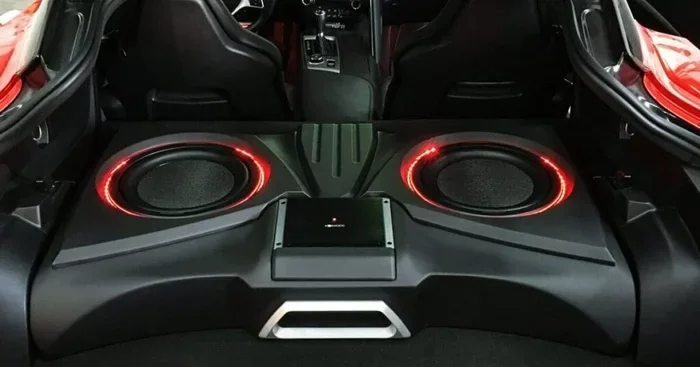
Bass needs serious power to sound good. With an 8 channel car amp, you can dedicate specific channels to your subwoofers. This gives your bass deep, tight, and controlled low-end response. You will feel the music, not just hear it.
One Unit, Many Options
Instead of installing three or four separate amplifiers, one 8 channel car amp handles everything. This saves space under your seats or in your trunk. It also simplifies your wiring and makes troubleshooting much easier.
Future-Proof Your System
If you plan to add speakers or upgrade components later, an 8 channel car amp gives you room to grow. You already have extra channels available. You can add new speakers or components without buying another amplifier.
How to Choose the Right 8 Channel Car Amp
Not all amplifiers are created equal. Choosing the right 8 channel car amp means understanding a few important specifications. Here is what to look for.
RMS Power Rating
RMS power stands for Root Mean Square. It measures the continuous power an amplifier can deliver without overheating or distorting. Always look at the RMS rating, not the peak or maximum power. A good 8 channel car amp will list its RMS power per channel clearly on the spec sheet.
Match the amplifier power to your speakers. If your speakers are rated at 75 watts RMS each, choose an amp that delivers close to that number per channel. Overpowering speakers can damage them. Underpowering them causes distortion and poor sound.
Amplifier Class
Amplifiers come in different classes. Each class has its own strengths.
- Class D: Highly efficient and compact. Class D amps produce less heat and draw less power from your vehicle. They are the most popular choice for modern car audio.
- Class AB: Offers excellent sound quality with moderate efficiency. These amps run warmer but often deliver a warmer, more natural sound.
- Class T: A hybrid design that combines the efficiency of Class D with the sound quality of Class AB. These are a great middle-ground option.
For most people, a Class D 8 channel car amp is the best balance of performance, size, and efficiency.
Impedance and Speaker Matching
Impedance is measured in ohms and refers to the electrical resistance of your speakers. Most car speakers are 4-ohm or 2-ohm. Make sure your 8 channel car amp is compatible with the impedance of your speakers. Running the wrong impedance can damage the amplifier or your speakers.
Built-In Features
Look for useful features that make installation and tuning easier.
- Built-in crossovers: These filter frequencies so each speaker gets the right range of sound.
- Remote turn-on lead: This ensures the amp powers on and off with your ignition.
- Bass EQ controls: These let you adjust low-frequency output to your preference.
- LED indicators: These show you when the amp is powered on, in protect mode, or experiencing issues.
Comparison: 8 Channel vs 4 Channel vs 5 Channel Amps
| Feature | 8 Channel Amp | 4 Channel Amp | 5 Channel Amp |
|---|---|---|---|
| Number of Channels | 8 | 4 | 5 |
| Best For | Full vehicle coverage | Front and rear fill | Front, rear, and sub |
| Subwoofer Support | Yes (bridged channels) | Limited (bridged pair) | Dedicated sub channel |
| Complexity | Higher | Lower | Medium |
| Space Required | More | Less | Medium |
| Cost | Higher | Lower | Medium |
| Flexibility | Excellent | Good | Very Good |
The right choice depends on your setup. If you have eight speakers and want full-range sound everywhere, the 8 channel car amp is the clear winner. If you only have four speakers and a subwoofer, a 5-channel amp might be simpler and more cost-effective.
Installation Tips for Your 8 Channel Car Amp
Installing an 8 channel car amp is not as difficult as it might seem. With the right tools and a little patience, most people can complete the job in a few hours.
What You Will Need
- Amplifier wiring kit: This includes power wire, ground wire, and remote turn-on wire.
- Speaker wire: Choose the correct gauge based on the length of your runs. 16-gauge works for short runs. 14-gauge is better for longer distances.
- Fuse and fuse holder: Always install a fuse close to the battery.
- Ring terminals and crimp connectors: These ensure secure, solid connections.
- Multimeter: This helps you check voltage and troubleshoot issues.
- Wire loom and zip ties: These keep your wiring neat and protected.
Step-by-Step Installation
- Disconnect your battery: Always start by disconnecting the negative terminal. This prevents short circuits and electrical damage.
- Run the power wire: Route the power wire from the battery through the firewall to the amplifier location. Use a fuse holder within 18 inches of the battery.
- Connect the ground wire: Attach the ground wire to a clean, bare metal point on the chassis. Sand off any paint or rust for a solid connection.
- Run the remote turn-on wire: This wire connects to the accessory wire from your head unit. It tells the amp to turn on when you start the car.
- Connect the RCA cables: Run the RCA cables from the head unit’s output or line output converter to the amplifier inputs.
- Wire the speakers: Connect each speaker to its designated channel. Pay attention to positive and negative polarity. Reversing polarity causes phase issues and weak bass.
- Double-check everything: Verify all connections before reconnecting the battery. Make sure no bare wires are touching metal surfaces.
- Reconnect the battery and test: Turn on the system and listen for clean sound. Check for any distortion or unusual noise.
Quick Tips for a Clean Install
- Keep power wires and signal cables separated. Running them side by side can cause electromagnetic interference and hum.
- Use rubber grommets when passing wires through holes in the firewall. This prevents chafing and damage.
- Label your wires at both ends. This makes future troubleshooting much easier.
- Mount the amplifier on a flat surface with rubber isolators. This reduces vibration and noise.
Common Mistakes to Avoid With an 8 Channel Car Amp
Even experienced car audio enthusiasts make mistakes. Here are the most common errors and how to avoid them.
Overpowering Your Speakers
One of the fastest ways to damage speakers is to send too much power to them. Always match the amplifier RMS output to the speaker power handling rating. An 8 channel car amp that is too powerful for your speakers will blow them out quickly.
Skipping the Fuse
Never run an amplifier without a properly sized fuse. A short circuit can cause a fire or damage your vehicle’s electrical system. The fuse should be installed as close to the battery as possible.
Poor Grounding
A bad ground connection causes buzzing, humming, and static noise. Always ground your amplifier to clean, bare metal. Paint, rust, and dirt create resistance that degrades performance.
Ignoring Impedance Limits
Every amplifier has a minimum impedance rating. Wiring too many speakers in parallel can drop the impedance below the safe limit. Check your amplifier manual and calculate the total impedance before connecting speakers.
Using the Wrong Wire Gauge
Thin wire over long distances causes power loss and heat buildup. Use the correct wire gauge for your amplifier and the length of the wire run. When in doubt, go one size thicker.
Forgetting to Set the Crossover
If your 8 channel car amp has built-in crossovers, use them. Setting the correct crossover point ensures each speaker reproduces only the frequencies it is designed for. This improves sound quality and protects your equipment.
Expert Insights: Getting the Most From Your 8 Channel Car Amp
We spoke with several car audio installers to get their top tips for maximizing performance from an 8 channel car amp.
Start with a clean signal. The quality of your audio source matters. Use a good head unit or an external digital audio processor. The cleaner the input signal, the cleaner the output from your amplifier.
Tune your system properly. Even the best 8 channel car amp sounds mediocre if it is not tuned correctly. Use an audio tuning tool or work with a professional installer to set levels, crossovers, and EQ for your specific vehicle and speakers.
Keep it cool. Amplifiers generate heat. Make sure there is adequate airflow around the unit. Avoid mounting it in enclosed spaces where heat can build up and trigger the protect mode.
Upgrade your wiring. Cheap wiring can limit the performance of even the most expensive amplifier. Invest in quality power wire, ground wire, and speaker wire. It makes a noticeable difference in sound quality and reliability.
Be patient during break-in. New speakers and amplifiers need a break-in period. Play your music at moderate volumes for the first 20 to 30 hours. This allows the speaker cones and amplifier components to settle in and perform at their best.
Conclusion
An 8 channel car amp is one of the best upgrades you can make to your vehicle audio system. It gives you the power, flexibility, and sound quality to turn any car into a listening experience you will love.
From full vehicle coverage to reduced distortion and better bass response, the benefits are clear. By choosing the right specifications, avoiding common installation mistakes, and tuning your system properly, you will enjoy clean, powerful sound every time you turn the key.
Whether you are a casual listener or a dedicated car audio fan, the 8 channel car amp delivers the performance and versatility you need. Take the time to research your options, match your components, and enjoy the upgrade.
Your ears will thank you. Your passengers will thank you. And every drive will feel like a trip to the concert hall.
Frequently Asked Questions
What does an 8 channel car amp cost?
Prices for an 8 channel car amp range from around $200 to over $1500 depending on the brand, power output, and features. Budget-friendly options from brands like Rockville and Boss offer solid performance under $400. Premium models from JL Audio, Alpine, and Kicker can cost $800 or more and deliver exceptional sound quality.
Can I bridge an 8 channel car amp to power a subwoofer?
Yes, most 8 channel car amp models support bridge mode. You can combine two channels into one high-power channel to drive a subwoofer. Check your amplifier manual for specific bridging instructions and supported impedance levels to avoid damaging the unit.
How many speakers can an 8 channel car amp power?
An 8 channel car amp can power up to eight individual speakers. You can also use some channels in bridge mode to power a subwoofer while the remaining channels drive your full-range speakers. This gives you a lot of flexibility in how you set up your system.
Do I need an 8 channel car amp if I only have six speakers?
Not necessarily. If you have six speakers, a 6-channel or 5-channel amp may be a better fit. However, an 8 channel car amp gives you extra channels for future upgrades. It is a good choice if you plan to add speakers or a subwoofer later on.
What is the difference between RMS and peak power on an 8 channel car amp?
RMS power is the continuous power an amplifier can deliver without distortion. Peak power is the maximum short burst of power the amp can handle. Always use RMS power when matching your amplifier to your speakers. Peak power is a marketing number and does not reflect real-world performance.
Can I install an 8 channel car amp myself?
Yes, many car owners install an 8 channel car amp themselves with basic tools and a wiring kit. If you are comfortable running wires, connecting a fuse, and grounding the unit, you can do it. However, if you are unsure, a professional car audio installer can ensure everything is set up safely and sounds its best.