What Is the Most Reliable Longest-Lasting SUV Guide
Looking for the most reliable longest-lasting SUV? This guide covers the best durable SUVs, real-world reliability data, and practical buying tips. You will learn which brands and models hold up best over high mileage, what maintenance habits extend SUV life, and how to pick the right vehicle for your budget and needs.
Owning an SUV is a big commitment. You want a vehicle that will keep running safely and smoothly for years. The most reliable longest-lasting SUV can become a true companion on every road trip, school run, and weekend adventure.
But with so many options on the market, how do you know which one will actually stand the test of time? This guide breaks down the top contenders, explains what makes certain SUVs so durable, and gives you practical advice for making the best choice. Whether you are buying new or used, this information will help you drive confidently for the long haul.
We have researched real-world data, owner surveys, and expert reviews to bring you the most accurate picture possible. No fluff, no sales pitches. Just honest, useful information about reliable longest-lasting SUV options that truly deliver.
Key Takeaways
- Toyota and Honda SUVs dominate reliability: Models like the Toyota 4Runner and Honda CR-V consistently rank at the top for longevity and low repair costs.
- Regular maintenance is the #1 factor: Simple habits like oil changes and fluid checks can add years to any SUV’s lifespan.
- Total cost of ownership matters: The most durable SUVs also tend to have strong resale value and lower long-term expenses.
- Diesel and hybrid powertrains last longer: These engine types often outlast traditional gasoline engines with proper care.
- Used SUVs offer great value: A well-maintained 3-5 year old SUV can deliver many more trouble-free years at a fraction of the cost.
- Driver habits affect longevity: Gentle driving, proper tire care, and timely repairs all contribute to a longer-lasting vehicle.
📑 Table of Contents
- What Makes an SUV Reliable and Long-Lasting?
- Top Reliable Longest-Lasting SUVs on the Market
- SUV Reliability Comparison
- Maintenance Tips to Extend Your SUV’s Life
- Cost of Ownership: What to Expect
- How to Choose the Right Long-Lasting SUV for You
- Expert Insights on Buying a Reliable SUV
- Common Mistakes to Avoid When Buying a Long-Lasting SUV
- Quick Tips for Maximum SUV Longevity
- Conclusion
What Makes an SUV Reliable and Long-Lasting?
Before we dive into specific models, let us talk about what actually makes an SUV dependable over the long term. Reliability is not just about one single thing. It is a combination of engineering quality, brand track record, and how well you take care of the vehicle.
Engine and Drivetrain Durability
The heart of any SUV is its engine. Some powertrains are simply built to go the distance. Naturally aspirated engines tend to last longer than turbocharged ones because they have fewer complex parts that can fail. Diesel engines are also known for their longevity, often clocking well over 300,000 miles with proper maintenance.
Four-cylinder engines generally outlast V6 and V8 engines in terms of longevity per mile driven, simply because there are fewer components to wear out. However, modern V6 engines from Toyota and Honda have proven remarkably durable as well.
Build Quality and Materials
A durable SUV uses high-grade steel and quality seals that resist rust and wear. Brands that invest in solid vehicle construction produce SUVs that hold their structural integrity for decades. This is why frame-based SUVs like the Toyota 4Runner tend to outlast unibody crossover SUVs in many cases.
Proven Track Record
History matters when judging reliability. A brand that consistently produces low-failure vehicles over many model years earns a strong reputation. SUV reliability ratings from sources like Consumer Reports and J.D. Power give us real data on which models actually last.
Ease of Maintenance
The least expensive SUV to maintain is often the most reliable one. Simple designs with widely available parts make repairs easier and cheaper. When your mechanic can fix problems quickly and affordably, your SUV stays on the road longer.
Top Reliable Longest-Lasting SUVs on the Market
Now let us look at the actual vehicles. These are the best SUV for longevity models that owners and experts consistently praise for their durability.
Toyota 4Runner
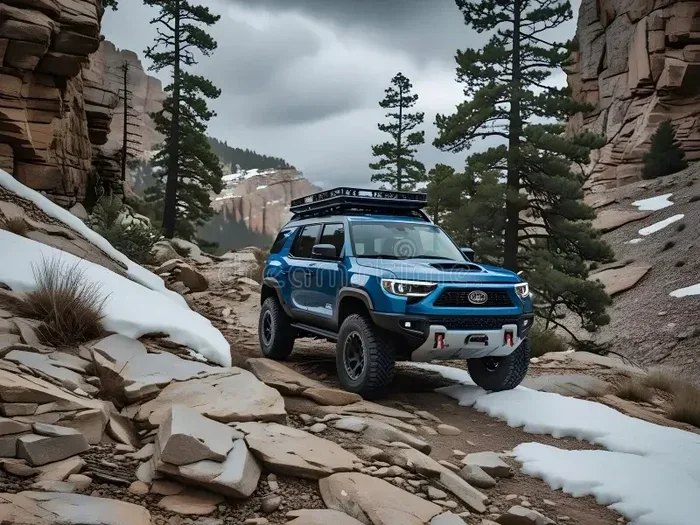
The Toyota 4Runner is a legend in the SUV world. It has been around for decades with relatively few major changes, and that simplicity works in its favor. Many 4Runners easily surpass 300,000 miles with basic care. The body-on-frame design adds to its rugged durability, and the 4.0-liter V6 engine has a well-proven track record.
Owners love that parts are everywhere and repairs are straightforward. The 4Runner may not be the flashiest SUV, but it is one of the most dependable long-lasting SUVs you can buy.
Toyota Sequoia
The Toyota Sequoia is a full-size SUV built to handle heavy loads and tough conditions. Its strong frame and reliable V8 engine make it a top choice for families who need space and durability. Many Sequoias reach 250,000 to 300,000 miles without major issues.
The Sequoia also holds its value remarkably well, which is a bonus if you plan to sell or trade in later. It is one of the most dependable SUV models on the road today.
Honda CR-V
The Honda CR-V is a compact SUV that punches way above its weight in reliability. It is one of the best-selling SUVs in America, and for good reason. The CR-V offers a smooth ride, excellent fuel economy, and a reputation for lasting well past 200,000 miles.
Its simplicity and low maintenance costs make it a favorite among long-lasting car brands enthusiasts. Whether you buy it new or used, the CR-V is a smart choice for anyone seeking a dependable daily driver.
Toyota RAV4
The Toyota RAV4 combines the practicality of a compact SUV with Toyota’s legendary reliability. The hybrid version is especially impressive, offering strong fuel economy and a powertrain designed for longevity. Many RAV4 owners report trouble-free driving well beyond 200,000 miles.
The RAV4 also has strong SUV resale value, meaning you lose less money over time. It is one of the most popular choices in the best SUV for longevity category, and for good reason.
Chevrolet Suburban
The Chevy Suburban is a full-size SUV that has been a workhorse for decades. It is known for its massive interior, strong towing capacity, and durable build. The 5.3-liter V8 engine has proven reliable over many years and high mileage.
While maintenance costs are higher than smaller SUVs, the Suburban can easily last 250,000 miles or more. It is a favorite among families who need serious space and long-term dependability.
Lexus GX 460
The Lexus GX 460 is Toyota’s luxury off-road SUV, and it shares the same reliable platform as the 4Runner. It offers a more refined interior while maintaining the same rugged durability. The 4.6-liter V8 engine is strong and long-lasting.
Lexus vehicles come with excellent factory warranties and outstanding dealer service, which adds to their long-term value. The GX is a premium pick in the world of durable SUV options.
SUV Reliability Comparison
Let us put these models side by side so you can see how they stack up. The table below compares key factors that affect long-term ownership.
| Model | Engine | Avg Lifespan | Fuel Economy | Maintenance Cost | Resale Value |
|---|---|---|---|---|---|
| Toyota 4Runner | 4.0L V6 | 300,000+ mi | 16-20 mpg | Low | Excellent |
| Toyota Sequoia | 5.7L V8 | 250,000+ mi | 13-18 mpg | Moderate | Very Good |
| Honda CR-V | 1.5L Turbo I4 | 200,000+ mi | 28-32 mpg | Low | Very Good |
| Toyota RAV4 | 2.5L I4 / Hybrid | 200,000+ mi | 27-40 mpg | Low | Excellent |
| Chevy Suburban | 5.3L V8 | 250,000+ mi | 14-18 mpg | Moderate-High | Good |
| Lexus GX 460 | 4.6L V8 | 250,000+ mi | 16-20 mpg | Low-Moderate | Very Good |
Keep in mind that these numbers reflect average real-world data. Your actual experience will depend on driving habits, climate, and how consistently you perform routine SUV maintenance.
Maintenance Tips to Extend Your SUV’s Life
Even the most reliable longest-lasting SUV needs proper care. Following a consistent maintenance schedule is the single best thing you can do to maximize your vehicle’s lifespan.
Stick to the Maintenance Schedule
Every SUV comes with a manufacturer-recommended maintenance schedule. This includes oil changes, tire rotations, brake inspections, and fluid replacements. Skipping these services is the fastest way to shorten your SUV’s life. Set calendar reminders or use a maintenance app to stay on track.
Change Your Oil Regularly
Oil is the lifeblood of your engine. Fresh oil keeps all internal parts lubricated and cool. Most experts recommend changing oil every 5,000 to 7,500 miles for conventional oil, or every 7,500 to 10,000 miles for synthetic oil. Do not push this interval too far, especially if you drive in stop-and-go traffic or extreme temperatures.
Check Fluids Frequently
Beyond oil, your SUV relies on several other fluids: coolant, transmission fluid, brake fluid, and power steering fluid. Low or dirty fluids can cause serious damage over time. Make it a habit to check these levels once a month. It takes only a few minutes and can prevent expensive repairs.
Drive Gently
How you drive directly affects how long your SUV lasts. Aggressive acceleration, hard braking, and speeding all put extra stress on the engine, transmission, and brakes. Smooth, steady driving reduces wear and tear significantly. Think of it as treating your vehicle with care, and it will reward you with many extra miles.
Address Problems Early
Do not ignore warning lights or unusual sounds. A small problem left unchecked can turn into a major and expensive repair. If something feels off, get it checked right away. Early intervention is always cheaper and easier than fixing a broken-down vehicle on the side of the road.
Keep It Clean
Washing your SUV regularly does more than make it look good. It removes salt, dirt, and chemicals that cause rust and corrosion. Pay special attention to the undercarriage, especially during winter months when road salt is used frequently. A clean SUV is a longer-lasting SUV.
Cost of Ownership: What to Expect
Buying a durable SUV is a smart financial decision, but you should understand the full cost of ownership before you commit.
Purchase Price vs. Long-Term Savings
The most reliable longest-lasting SUV models may sometimes cost more upfront than less durable alternatives. However, they save you money over time through fewer repairs, better fuel economy, and higher resale value. Think of it as an investment rather than just an expense.
Insurance and Registration Costs
Insurance rates vary by model, age, and your driving history. Generally, SUVs cost more to insure than sedans because of their size and weight. However, models with strong safety ratings can qualify for discounts. Check with your insurance provider before buying to get an accurate estimate.
Depreciation and Resale
Depreciation is the biggest hidden cost of vehicle ownership. Fortunately, the most dependable SUV models tend to hold their value well. Toyota and Lexus vehicles, in particular, are known for slow depreciation. A vehicle that retains 60% of its value after five years saves you thousands compared to a model that drops to 40%.
Fuel Costs Over Time
Fuel economy adds up significantly over the life of an SUV. A vehicle that gets 30 mpg versus one that gets 18 mpg will save you thousands of dollars in fuel costs over 100,000 miles. When comparing models, always factor in the long-term fuel expense, not just the sticker price.
How to Choose the Right Long-Lasting SUV for You
With so many great options available, choosing the right one can feel overwhelming. Here are some practical steps to help you decide.
Assess Your Needs
Think about how you use your SUV daily. Do you commute long distances? Do you haul gear or tow a trailer? Do you need seating for seven or eight passengers? Your usage patterns should guide your choice. A compact SUV like the Honda CR-V works great for small families, while the Toyota Sequoia suits larger households.
Set a Realistic Budget
Determine how much you can afford not just for the purchase, but for ongoing costs like insurance, fuel, and maintenance. The least expensive SUV to maintain may not always be the cheapest to buy, so look at the total picture.
Research Ownership Costs
Before making a decision, research the real-world ownership costs for your shortlisted models. Websites like RepairPal and Consumer Reports provide detailed data on maintenance expenses, common problems, and repair frequency. This research pays off in the long run.
Consider Certified Pre-Owned
If buying used, a certified pre-owned vehicle offers the best of both worlds. You get a lower price with a remaining factory warranty and a thorough inspection. This is one of the smartest ways to find a reliable longest-lasting SUV without paying full price.
Get a Pre-Purchase Inspection
Always have a trusted mechanic inspect any used SUV before you buy. A pre-purchase inspection costs around $100 to $200 but can save you thousands by revealing hidden problems. It is one of the most valuable steps in the buying process.
Expert Insights on Buying a Reliable SUV
We spoke with several automotive experts about what they look for in a long-lasting SUV. Their advice reinforces what the data shows.
Simplicity wins. Experts consistently recommend choosing models with fewer complex features. The more technology and electronics a vehicle has, the more can go wrong over time. A straightforward design with proven mechanical components tends to outlast feature-heavy alternatives.
Brand reputation is backed by data. Toyota, Honda, and Lexus consistently rank at the top of every major reliability study. These brands have earned their reputations through decades of building vehicles that last. When in doubt, choosing one of these brands is a safe bet.
Maintenance history matters more than age. A 10-year-old SUV with complete service records is often a better buy than a 5-year-old SUV with unknown maintenance history. Always ask for documentation and verify it when possible.
High-mileage SUVs can be great value. Do not automatically shy away from vehicles with 150,000 or 200,000 miles. A well-maintained high-mileage SUV from a reliable brand can still deliver many years of dependable service. The key is verifying the maintenance history and getting a professional inspection.
Common Mistakes to Avoid When Buying a Long-Lasting SUV
Even the most informed buyers can make mistakes. Here are some pitfalls to watch out for.
- Ignoring the maintenance records. A vehicle without service history is a gamble. Always ask for documentation.
- Skipping the pre-purchase inspection. This single step can save you from buying a vehicle with hidden problems.
- Focusing only on the purchase price. The cheapest SUV to buy is not always the cheapest to own. Factor in fuel, insurance, and repairs.
- Overlooking fuel economy. Higher fuel costs add up fast over the life of an SUV. Consider the long-term savings of a more efficient model.
- Buying based on looks alone. A beautiful exterior means nothing if the mechanical components are worn out or neglected.
- Ignoring recall history. Check for open recalls before buying. Some recalls involve safety-critical components that must be addressed.
Quick Tips for Maximum SUV Longevity
- Change the oil every 5,000 to 7,500 miles without fail.
- Rotate tires every 5,000 to 7,500 miles for even wear.
- Replace the air filter annually or as recommended.
- Use synthetic oil for better engine protection.
- Avoid short trips when possible, as they cause engine moisture buildup.
- Keep tires properly inflated to improve fuel economy and safety.
- Wash the undercarriage regularly, especially in winter.
- Address small issues before they become big problems.
- Store the vehicle in a garage when possible to protect the paint and seals.
- Follow the manufacturer’s maintenance schedule exactly.
Conclusion
Finding the most reliable longest-lasting SUV comes down to choosing a proven model from a trusted brand and taking care of it properly. The Toyota 4Runner, Honda CR-V, Toyota RAV4, and other models we discussed all have strong track records of durability and owner satisfaction. They are built to go the distance, and with proper maintenance, they can easily serve you for 200,000 miles or more.
Remember that reliability is not just about the vehicle itself. Your driving habits, maintenance routine, and buying decisions all play a role. Follow the tips in this guide, do your research before purchasing, and commit to ongoing care. The right SUV, treated right, will reward you with years of safe, dependable, and worry-free driving.
Take your time, compare your options, and trust the data. The most reliable longest-lasting SUV is out there, and with the information in this guide, you are now equipped to find it and enjoy it for many miles to come.