Where Can You Fill a Hydrogen Car at Refueling Stations
Where can you fill a hydrogen car? The answer is growing every year as hydrogen refueling stations expand across the U.S., Europe, and Asia. Hydrogen fuel cell vehicles offer quick 5-minute refuels and long ranges, but finding a station still requires some planning. This guide covers everything you need to know about hydrogen fueling locations, costs, and how to find the nearest H2 refueling station near you.
If you own or are considering a hydrogen fuel cell vehicle, one question probably keeps popping up: where can you fill a hydrogen car? It is a fair question. Unlike gasoline stations on every corner or EV chargers slowly spreading everywhere, hydrogen refueling stations are still a more limited network. But that is changing fast.
Hydrogen cars are not science fiction anymore. Vehicles like the Toyota Mirai, Hyundai Nexo, and Honda CR-V e:FCEV are real, road-ready, and filling up at stations across multiple countries. The hydrogen fueling infrastructure is growing, and more drivers are making the switch every day. Whether you are a current hydrogen car owner or someone exploring this technology, understanding where and how to refuel is essential.
In this article, we will walk through everything you need to know. We will cover where hydrogen stations are located, how to find them, what happens at the pump, and what the future looks like for hydrogen refueling locations. Let us dive in.
Key Takeaways
- Hydrogen refueling stations are expanding: More stations are opening every year in key markets like California, Germany, Japan, and South Korea.
- Finding a station is easier than ever: Apps like HYLA, PlugShare, and manufacturer apps help you locate the nearest hydrogen fueling station in seconds.
- Refueling is fast and familiar: Filling up a hydrogen fuel cell vehicle takes about 5 minutes, similar to gasoline cars.
- Costs vary by region: Hydrogen fuel prices range from $13 to $17 per kilogram depending on your location and station type.
- Infrastructure is growing rapidly: Governments worldwide are investing billions in hydrogen refueling infrastructure to support the rise of fuel cell electric vehicles.
- Planning ahead matters: Whether you are on a road trip or a daily commute, knowing your hydrogen station map keeps you confident and range-ready.
📑 Table of Contents
- What Is a Hydrogen Car and How Does It Work?
- Where Can You Find Hydrogen Refueling Stations?
- How to Locate the Nearest Hydrogen Fueling Station
- What to Expect When You Fill Up a Hydrogen Car
- Hydrogen Refueling Infrastructure: Current State and Future Growth
- Tips for Hydrogen Car Owners on the Road
- Common Mistakes to Avoid When Refueling a Hydrogen Car
- Expert Insights on the Future of Hydrogen Refueling
- Key Takeaways
- Conclusion
What Is a Hydrogen Car and How Does It Work?
Before we talk about where to fill up, it helps to understand what a hydrogen car actually is. A hydrogen fuel cell vehicle, also called an FCEV, uses hydrogen gas to create electricity. This electricity powers an electric motor that moves the car. The only emission from the tailpipe is water vapor. That is it. No CO2, no harmful pollutants.
The process happens inside a fuel cell stack. Hydrogen from the tank meets oxygen from the air. This reaction produces electricity, which charges a small battery and powers the wheels. The whole thing is clean, quiet, and efficient.
Why Choose a Hydrogen Car?
There are several reasons drivers are drawn to hydrogen fuel cell vehicles. Here are the main benefits:
- Fast refueling: Filling up takes about 3 to 5 minutes, just like gasoline.
- Long range: Most hydrogen cars offer 300 to 400 miles per tank.
- Zero emissions: The only byproduct is water.
- Familiar driving experience: It feels like driving a regular car.
- No plug-in charging: You do not need to wait hours for a recharge.
These advantages make hydrogen fuel cell vehicles a strong option for people who want zero-emission driving without the long charging times of battery EVs. But none of this works without access to a reliable hydrogen fueling station.
Where Can You Find Hydrogen Refueling Stations?
The short answer is that hydrogen refueling stations are available in several countries and growing regions. The longer answer depends on where you live, drive, and travel. Let us break it down by region.
United States
In the U.S., hydrogen fueling stations are concentrated in a few key areas. California leads the way by a large margin. The state has over 50 public hydrogen refueling locations, mainly in the Los Angeles, San Francisco, and San Diego areas. Other states with some station presence include Hawaii, Connecticut, and parts of the Northeast.
Here are the main hubs for hydrogen refueling stations in the U.S.:
- Southern California: The densest network in the country, with stations in LA, Orange County, and surrounding areas.
- Northern California: Stations in the Bay Area, Sacramento, and Central Valley.
- Hawaii: A smaller but growing network on Oahu and the Big Island.
- Northeast Corridor: Limited stations in Connecticut and New York.
If you are a hydrogen car owner in California, you have good options. If you live elsewhere in the U.S., you may need to plan carefully for longer trips.
Europe
Europe is investing heavily in hydrogen refueling infrastructure. Germany, France, the UK, and Scandinavia are leading the way.
- Germany: Over 100 hydrogen stations, with plans to expand to 400 by 2025. The H2 Mobility initiative is driving this growth.
- France: A growing network, especially around Paris and major highways.
- UK: London and the Southeast have the most stations, with expansion plans underway.
- Scandinavia: Norway and Denmark are adding stations as part of their clean transport goals.
European drivers benefit from strong government support and generous subsidies for hydrogen fuel cell vehicles. This is making hydrogen refueling locations more accessible than ever.
Asia
Asia is where hydrogen fueling infrastructure is most advanced. Japan and South Korea are the global leaders here.
- Japan: Over 160 hydrogen stations, with plans to reach 1,000 by 2030. Tokyo, Osaka, and other major cities have excellent coverage.
- South Korea: Seoul and surrounding areas have a growing network of stations.
- China: Rapid expansion of hydrogen stations, especially in industrial regions and major cities.
In Asia, hydrogen refueling stations are becoming as common as gas stations in some cities. This is a huge advantage for hydrogen car owners in these markets.
How to Locate the Nearest Hydrogen Fueling Station
Finding a hydrogen refueling station is easier today than it was five years ago. Several tools and resources make the process simple and fast.
Use Dedicated Apps
The best way to find a station is through an app. Here are the top options for locating hydrogen fueling stations near you:
- HYLA Station App: This app maps hydrogen stations worldwide. It shows real-time availability and pricing.
- PlugShare: While known for EV charging, PlugShare also lists hydrogen stations in many regions.
- Toyota Mirai App: Owners of the Mirai get a built-in station locator.
- Hyundai Nexo App: Similar built-in tools for Nexo owners.
- H2 Stations: A simple app focused specifically on hydrogen refueling locations.
Check Manufacturer Websites
Most hydrogen fuel cell vehicle manufacturers provide online station maps on their websites. Toyota, Hyundai, and Honda all maintain updated lists of hydrogen refueling locations. These maps are free to use and very reliable.
Plan Your Routes Ahead
If you are taking a road trip, plan your hydrogen refueling stops in advance. Use the station locator apps to map out your route. Make sure the stations along your path are open and operational. It is always smart to have a backup plan.
Google Maps and Navigation
Google Maps now includes hydrogen stations in many areas. Simply search for “hydrogen refueling station” or “hydrogen fuel station,” and the map will show nearby options. This is a quick and easy method for hydrogen car owners who are exploring new areas.
What to Expect When You Fill Up a Hydrogen Car
If you have never filled up a hydrogen car before, the process might seem unfamiliar. But it is actually quite simple and very similar to pumping gasoline. Here is a step-by-step look at what happens.
Step 1: Pull Up to the Pump
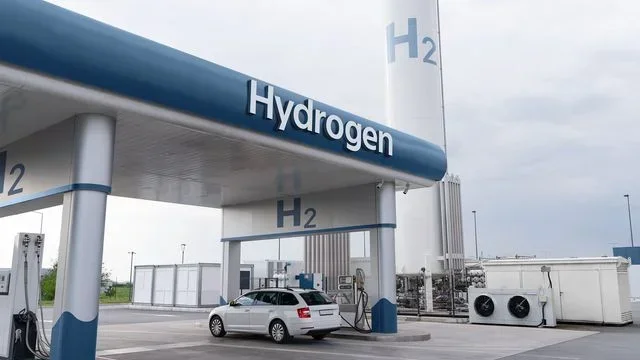
Drive your hydrogen fuel cell vehicle up to the hydrogen fueling station. The pump is clearly marked. Most stations have one or two dispensers. Look for the hydrogen symbol, which looks like a blue H2 logo.
Step 2: Connect the Nozzle
Walk up to the pump with the nozzle in hand. The nozzle connects to your car’s refueling port, usually located on the side of the vehicle. It clicks into place just like a gasoline pump. The connection is secure and sealed.
Step 3: Select Your Fuel Amount
On the pump display, you can choose how much hydrogen to add. You can select by dollar amount or by kilogram. Most hydrogen cars have tanks that hold around 5 to 6 kilograms of hydrogen.
Step 4: Start Refueling
Press the button to start fueling. The process takes about 3 to 5 minutes. You will hear the gas flowing, and the pump will automatically stop when the tank is full. It is fast, clean, and straightforward.
Step 5: Pay and Go
Payment works just like a gas station. You can pay at the pump with a credit or debit card. Some stations also accept mobile payments through their apps. Once you are done, disconnect the nozzle, close the port, and drive away.
The entire process is quick, easy, and familiar. Most hydrogen car owners say the refueling experience is one of the best things about owning an FCEV.
How Much Does It Cost to Fill Up?
The cost of hydrogen fueling varies by location and station. Here is a general price range:
- California, USA: Around $13 to $17 per kilogram
- Germany: Around 10 to 13 euros per kilogram
- Japan: Around 900 to 1,100 yen per kilogram
- South Korea: Around 9,000 to 11,000 won per kilogram
For comparison, a full tank of hydrogen for a car like the Toyota Mirai costs roughly $70 to $100 in the U.S. This puts the cost per mile in a similar range to some gasoline vehicles, especially when you consider the excellent fuel economy of hydrogen fuel cell vehicles.
Hydrogen Refueling Infrastructure: Current State and Future Growth
The hydrogen refueling infrastructure has come a long way, but it still has room to grow. Let us look at where things stand today and what the future holds.
The Current Landscape
As of now, there are roughly 1,000 public hydrogen refueling stations worldwide. The majority are in Japan, Germany, South Korea, and the United States. The stations are concentrated in urban areas and along major highways. Rural areas still have limited access.
For hydrogen car owners, this means that living in or near a major city gives you the best experience. If you are in a rural area, you may need to charge more carefully and plan longer trips with extra stops.
Government Investments and Incentives
Governments around the world are pouring money into hydrogen fueling infrastructure. The U.S. Infrastructure Investment and Jobs Act allocated $8 billion for clean hydrogen hubs. The European Union has committed billions to hydrogen development. Japan and South Korea have national hydrogen roadmaps that include massive station expansion.
These investments are not just for show. They are designed to make hydrogen refueling stations as common as gas stations within the next decade. This will be a game-changer for the hydrogen fuel cell vehicle market.
What the Future Looks Like
The future of hydrogen refueling locations is promising. Here are some trends to watch:
- More stations in rural areas: Expansion beyond cities and highways.
- Lower costs: As production scales up, hydrogen fuel prices should come down.
- Green hydrogen growth: More stations will use renewable energy to produce hydrogen, making hydrogen fueling even cleaner.
- Increased station reliability: Better maintenance and uptime at existing stations.
- More vehicle models: Automakers are expanding their FCEV lineups, which drives demand for more hydrogen refueling stations.
Within the next 5 to 10 years, finding a place to fill up a hydrogen car should be as easy as finding a gas station. The infrastructure is building toward that goal right now.
Tips for Hydrogen Car Owners on the Road
Whether you are a seasoned hydrogen car owner or a newcomer, these practical tips will help you navigate the hydrogen refueling station experience with confidence.
Keep Your Tank Above 30%
Do not let your hydrogen level drop too low. Running below 30% on a road trip can be risky if stations are far apart. Keep a buffer so you always have options.
Download Multiple Station Apps
Not all apps have the same data. Download at least two station locator apps to cross-check hydrogen refueling locations. This ensures you have backup information if one app is out of date.
Join Hydrogen Car Communities
Online forums and social media groups for hydrogen fuel cell vehicle owners are goldmines of real-world advice. Members share station updates, tips, and road trip routes. It is a great way to stay informed.
Know Your Range
Every hydrogen car has a different range. Know your vehicle’s estimated range on a full tank and plan accordingly. Factors like driving speed, temperature, and cargo weight can affect your actual range.
Check for Station Updates
Stations sometimes go offline for maintenance. Before a long trip, check for any service alerts at your planned hydrogen refueling stations. A quick check can prevent an unexpected detour.
Consider a Home Station (If Available)
Some hydrogen car owners install home refueling units, especially in regions with strong support programs. While these are expensive upfront, they offer ultimate convenience for daily driving. Check with your manufacturer to see if a home station option exists for your vehicle.
Common Mistakes to Avoid When Refueling a Hydrogen Car
Even experienced hydrogen car owners can make mistakes. Here are a few to watch out for.
- Assuming all stations are open 24/7: Many stations close at night or have limited hours. Always check before you go.
- Ignoring price differences: Hydrogen prices vary significantly between stations. Using a station locator app can help you find the best price.
- Waiting until the tank is nearly empty: This limits your options and can leave you stranded in areas with few stations.
- Not checking for station outages: Stations sometimes go offline unexpectedly. Having a backup plan is always smart.
- Overlooking alternative routes: If your usual station is closed, know alternative hydrogen refueling locations along your route.
Avoiding these mistakes keeps your hydrogen fueling experience smooth and stress-free.
Expert Insights on the Future of Hydrogen Refueling
Industry experts see a bright future for hydrogen refueling infrastructure. According to BloombergNEF, the number of hydrogen refueling stations worldwide could reach 30,000 by 2035. This growth is being driven by falling production costs, government support, and increasing demand from fuel cell electric vehicles.
“Hydrogen refueling is at a tipping point,” says Dr. Sunita Satyapal, Director of the U.S. Department of Energy’s Hydrogen Program. “The infrastructure is expanding rapidly, and the cost of hydrogen fueling is coming down. We are entering a new era for clean transportation.”
Experts also point to the role of green hydrogen. As more hydrogen refueling stations switch to renewable energy sources, the entire hydrogen fueling process becomes cleaner from start to finish. This is a key part of the push toward a truly zero-emission transportation future.
Key Takeaways
- Hydrogen refueling stations are expanding rapidly: More stations are opening every year in California, Europe, and Asia, making hydrogen fueling more accessible than ever.
- Finding a station is simple with the right tools: Apps like HYLA, PlugShare, and manufacturer-specific tools make it easy to locate the nearest hydrogen refueling station.
- Refueling is fast and familiar: Filling up a hydrogen fuel cell vehicle takes just 3 to 5 minutes, comparable to gasoline.
- Costs are competitive: Hydrogen fuel prices are in a similar range per mile to gasoline, especially as green hydrogen scales up.
- Infrastructure investment is massive: Governments worldwide are committing billions to expand hydrogen refueling locations and support fuel cell electric vehicles.
- Planning ahead is key: Whether for daily driving or road trips, knowing your hydrogen station map ensures a smooth experience.
- The future is bright: With thousands of new stations planned, finding a place to fill up a hydrogen car will soon be as easy as finding a gas station.
Conclusion
So, where can you fill a hydrogen car? The answer is clearer now than ever before. Hydrogen refueling stations are available in major markets across the U.S., Europe, and Asia, and the network is growing every year. Whether you are in Southern California, driving through Germany, or exploring Tokyo, you can find a place to fill hydrogen car tanks quickly and efficiently.
The hydrogen refueling infrastructure is no longer a distant dream. It is a real, working network that supports thousands of hydrogen fuel cell vehicles on the road today. With continued investment, smarter apps, and expanding station coverage, owning and refueling a hydrogen car is becoming easier and more convenient by the day.
If you are considering a hydrogen fuel cell vehicle, do not let concerns about refueling hold you back. The stations are there, the tools to find them are at your fingertips, and the future of hydrogen refueling locations is looking brighter than ever. Start exploring your options today and join the growing community of hydrogen car owners who are driving clean, fast, and forward.
The road to a cleaner transportation future is being fueled by hydrogen. And the places to fill up are only going to multiply. That is an exciting time for anyone interested in hydrogen fueling and the world of fuel cell electric vehicles.
Frequently Asked Questions
How many hydrogen refueling stations are there in the world?
As of 2024, there are approximately 1,000 public hydrogen refueling stations worldwide. The majority are located in Japan, Germany, South Korea, and the United States. The number is growing rapidly each year as governments invest heavily in hydrogen infrastructure.
Is hydrogen fuel cheaper than gasoline?
It depends on your location and how you compare. Hydrogen fuel costs around $13 to $17 per kilogram in California, which puts the cost per mile in a similar range to gasoline vehicles. As production scales up and green hydrogen becomes more available, prices are expected to drop further.
Can you fill a hydrogen car at home?
Some hydrogen car owners can install home refueling units, but these are expensive and require specific setup. Most hydrogen car owners rely on public hydrogen refueling stations for their daily refueling needs. Home stations are more common in areas with strong government support programs.
How long does it take to fill up a hydrogen car?
Filling up a hydrogen fuel cell vehicle takes about 3 to 5 minutes. This is comparable to filling a gasoline tank and much faster than charging a battery electric vehicle. The quick refueling time is one of the biggest advantages of hydrogen fueling over other zero-emission options.
Are hydrogen refueling stations safe?
Yes, hydrogen refueling stations are designed with multiple safety features. The fueling process is automated, the tanks are built to withstand impacts, and hydrogen is lighter than air so it disperses quickly in the event of a leak. These vehicles and stations undergo rigorous safety testing and certification.
What is the difference between hydrogen refueling and EV charging?
Hydrogen refueling takes 3 to 5 minutes and provides a range of 300 to 400 miles. EV charging, especially with DC fast chargers, can take 20 to 40 minutes for a similar range. Hydrogen vehicles also do not require plug-in charging, which makes them convenient for drivers who prefer a gasoline-like experience with zero emissions.