Can We Import a Supra to India Everything You Must Know
Importing a Toyota Supra to India is possible but comes with strict rules, high duties, and specific paperwork. You must navigate customs regulations, bilateral agreements, and RTO registration to legally own one. This guide covers every step, cost, and legal requirement you need to know.
Dreaming of pulling up to a traffic signal in a Toyota Supra? You are not alone. Car enthusiasts across India have been falling in love with the Supra ever since the fifth-generation model hit the global market. The sleek design, the roaring inline-six engine, and that legendary status from the Fast and Furious franchise make it irresistible.
But can you actually bring one to India? The short answer is yes. The longer answer involves customs duty, RTO paperwork, bilateral agreements, and a few hurdles you need to prepare for. If you have been searching for how to import a Supra to India, you have come to the right place. This guide breaks down every single detail so you know exactly what you are getting into.
Importing a car to India is not as simple as ordering one online and waiting at your doorstep. There are rules, regulations, and costs that can catch you off guard if you are not careful. Whether you are a first-time importer or a seasoned car enthusiast, understanding the process before you start is absolutely essential.
Key Takeaways
- Legal Import Is Possible: India allows Supra imports under specific rules, including personal vehicle guidelines and bilateral agreements.
- Customs Duty Is High: Expect to pay up to 150% in combined duties, making a Supra significantly more expensive than in the US or Japan.
- RTO Registration Is Mandatory: Every imported car must pass inspection and be registered at your local Regional Transport Office.
- Bilateral Agreements Matter: Countries with trade agreements with India may offer reduced duty rates for eligible vehicles.
- Right-Hand Drive Is Key: The Supra is available in right-hand drive from Japan, which is ideal for Indian roads.
- Pre-Import Inspection Helps: Checking the car history and getting a diagnostic before shipping can save you from costly surprises.
📑 Table of Contents
Understanding the Toyota Supra and Its Appeal in India
Why the Supra Captures Hearts
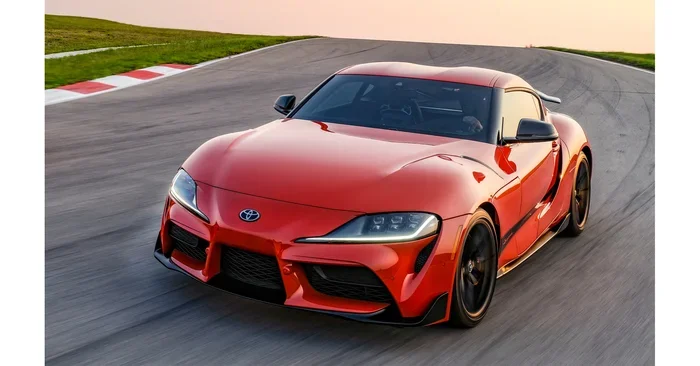
The Toyota Supra has a legendary history. From the A70 era in the 1980s to the modern MK5 introduced in 2019, the Supra has always been about performance and style. In India, the demand for JDM (Japanese Domestic Market) cars has been growing rapidly. The Supra sits right at the top of that wish list for many enthusiasts.
What makes the Supra special? The 2JZ engine platform is famous among car lovers worldwide. It is reliable, tunable, and delivers incredible power. The MK5 Supra comes with a 3.0-liter twin-turbo inline-six engine producing around 382 horsepower. That kind of performance from a Toyota is something you do not see every day.
In India, the Supra represents more than just a car. It is a statement. It says you appreciate engineering, you value driving experience, and you are willing to go the extra mile to get what you love. That passion is exactly why so many people explore the Supra import India route.
Supra Models Available for Import
When looking at importing a Supra, you have a few options to consider:
- Toyota Supra MK5 (2019+): The latest generation. Available in right-hand drive from Japan. Comes with the 2JZ engine and modern tech features.
- Toyota Supra MK4 (1993-2002): A classic model with a massive aftermarket community. Many JDM enthusiasts prefer this era.
- Toyota Supra MK3 (1986-1993): An older but iconic model. Less common but still sought after by collectors.
The MK5 is the most popular choice for imports to India because of its modern features and reliability. However, the MK4 remains a favorite among purists who want that classic Supra experience.
Can You Legally Import a Supra to India?
Indian Import Rules for Personal Vehicles
Yes, you can legally import a Supra to India. But the process is governed by the Foreign Trade (Development and Regulation) Act and customs regulations set by the Indian government. The rules depend on whether you are importing the car as a personal vehicle or for commercial purposes.
For personal imports, there are specific conditions you must meet. Let us break them down:
- You must be a non-resident Indian (NRI), a person of Indian origin (PIO), or a foreign diplomat. Indian residents generally cannot import personal vehicles unless they fall under specific exceptions.
- The vehicle must be right-hand drive. India drives on the left side of the road, so right-hand drive cars are mandatory.
- The car must be less than three years old from the date of manufacture. This rule applies to most personal imports to ensure the vehicle meets current safety and emission standards.
- You can only import one personal vehicle every three years. This restriction prevents people from importing multiple cars for resale purposes.
Bilateral Agreements and Duty Concessions
India has signed bilateral agreements with several countries that allow for reduced customs duty on imported vehicles. If you are importing a Supra from Japan or another country with such an agreement, you may qualify for a lower duty rate. However, the Supra is not always covered under these agreements, so you need to check the latest policy before proceeding.
The duty rates vary based on the engine size, age of the vehicle, and the country of origin. For most Supra imports, expect the combined duty structure to be substantial. We will cover the exact costs in the next section.
What About Indian Residents?
If you are an Indian resident, importing a Supra for personal use is much more difficult. The general rule is that Indian residents cannot import personal vehicles duty-free. However, there are a few exceptions:
- Foreign embassy staff and diplomats can import vehicles under diplomatic immunity rules.
- People returning to India after a long stay abroad may be eligible to import a used vehicle, but the rules are strict and the paperwork is extensive.
- State government officials and defense personnel may have special provisions, but these are rare and highly regulated.
If you do not fall into any of these categories, importing a Supra as an Indian resident will be extremely challenging and expensive. You would essentially be treating it as a commercial import, which comes with even higher duties and taxes.
Costs and Customs Duty You Need to Budget For
Breaking Down the Import Costs
Importing a Supra to India is not cheap. The total cost includes the purchase price of the car, shipping, insurance, customs duty, GST, and registration fees. Let us look at each component so you can budget accordingly.
Here is a rough breakdown of the costs involved:
- Purchase Price: A MK5 Supra starts at around $55,000 in the US and approximately 75-90 lakh yen in Japan. The price varies based on the model year, trim level, and mileage.
- International Shipping: Shipping a car from Japan or the US to India costs between $2,000 and $5,000, depending on the shipping method and destination port.
- Customs Duty: This is the biggest expense. India imposes customs duty of up to 70-150% on imported cars based on engine size and value. For a Supra with a 3.0-liter engine, expect duty to be around 100-150% of the car’s assessed value.
- GST (Goods and Services Tax): 28% GST is applied on the total value including customs duty. This adds a significant amount to the final cost.
- Social Welfare Surcharge: An additional 4% is levied on the customs duty amount.
- RTO Registration Fees: Varies by state but typically ranges from ₹5,000 to ₹15,000.
- Insurance: Comprehensive insurance for an imported Supra can cost between ₹1.5 lakh and ₹3 lakh annually.
Total Cost Estimate
When you add everything up, importing a Supra to India can easily cost you 1.5 to 2.5 times the original purchase price. A Supra that costs $55,000 in the US could end up costing you ₹1.2 crore or more after all duties and taxes are applied. This is why many enthusiasts carefully weigh the costs before deciding to import.
One smart approach is to check the car history of any used Supra before importing. A thorough vehicle history report can reveal accidents, title issues, or hidden problems that could cost you money down the road. You can also consider getting a free diagnostic done on the vehicle before shipping to identify any mechanical issues early.
Tips to Reduce Import Costs
While the costs are high, there are a few ways to minimize them:
- Import from countries with bilateral agreements: Japan has a trade agreement with India that may offer some duty concessions on eligible vehicles.
- Choose a right-hand drive model from Japan: JDM models often come with lower shipping costs to India compared to US-spec cars.
- Hire a reliable customs broker: A professional broker can help you navigate the paperwork and ensure you do not overpay on duties.
- Time your import carefully: Shipping during off-peak seasons can sometimes reduce freight costs.
Step-by-Step Process to Import a Supra to India
Step 1: Purchase the Vehicle
The first step is to buy the Supra from a dealer or private seller. If you are buying from Japan, make sure the seller provides all necessary documents, including the certificate of title, bill of sale, and export certificate. If you are buying from the US, ensure the car has a clean title and no liens against it.
Before finalizing the purchase, it is wise to have the vehicle inspected. You can arrange for a pre-purchase inspection or even get a key fob programmed if the car uses a push-button start system. Some imported cars come with key fobs that need reprogramming after reaching India, so keep this in mind.
Step 2: Arrange Shipping
Once you have purchased the Supra, you need to arrange for international shipping. The two main options are container shipping and roll-on/roll-off (RoRo) shipping. Container shipping is more expensive but offers better protection for the vehicle. RoRo is cheaper but exposes the car to the elements during transit.
Choose a reputable shipping company with experience in exporting vehicles to India. Make sure they handle all the export documentation and can track your shipment in real time.
Step 3: Clear Customs
When the Supra arrives at the Indian port, you must clear customs. This involves submitting all import documents, paying the applicable duties, and getting the car inspected by customs officials. The process can take anywhere from a few days to several weeks, depending on the port and the volume of imports.
You will need the following documents for customs clearance:
- Bill of Lading
- Commercial Invoice
- Certificate of Origin
- Export Certificate
- Insurance Certificate
- Vehicle Registration documents from the country of origin
Step 4: RTO Registration
After clearing customs, the next step is to register the Supra at your local Regional Transport Office (RTO). The RTO will inspect the vehicle, verify the chassis number and engine number, and issue a registration certificate.
You will need to submit the following documents at the RTO:
- Customs clearance certificate
- Bill of Entry
- Insurance certificate
- Address proof
- Identity proof and passport-size photographs
- Import license (if applicable)
The RTO may also require an emission test and a safety inspection before issuing the registration. Make sure the Supra meets Indian emission standards, which are based on BS6 (Bharat Stage 6) norms.
Step 5: Get Insurance and Drive
Once the Supra is registered, you need to purchase comprehensive insurance. Third-party insurance is mandatory in India, but given the value of a Supra, a comprehensive policy is highly recommended. It covers theft, damage, and third-party liability.
After insurance is in place, you can finally hit the road. Just remember that driving an imported car in India comes with responsibilities. Keep all documents handy, maintain the vehicle regularly, and enjoy the ride.
Common Challenges When Importing a Supra to India
Emission Compliance
One of the biggest challenges is meeting India’s emission norms. The Supra’s 2JZ engine was designed for Japanese and US markets, and it may not fully comply with BS6 standards. In some cases, you may need to get the vehicle modified or certified by an authorized testing center. This can add to both the cost and the timeline of the import process.
Spare Parts Availability
Toyota Supra parts are not as readily available in India as they are in the US or Japan. While common wear-and-tear parts can be sourced online, specialized components may need to be imported separately. This means maintenance and repairs can be more expensive and time-consuming.
Key and Immobilizer Issues
Modern Supras come with advanced keyless entry and immobilizer systems. When you import a Supra, the key fob may not work with Indian systems right away. You may need to get the key fob reprogrammed or the immobilizer system adjusted. Some owners have found success by programming the key fob themselves using available tools, while others prefer professional assistance.
Insurance Challenges
Insuring an imported vehicle in India can be tricky. Many standard insurance companies do not cover imported cars, or they charge very high premiums. You may need to approach specialized insurers who have experience with grey import or foreign vehicles. The premium will depend on the car’s value, your driving history, and the level of coverage you choose.
Expert Tips for a Smooth Import Experience
Do Your Homework Before Buying
Research is your best friend when importing a Supra. Understand the current import rules, duty rates, and registration requirements before you commit to a purchase. Policies can change, so always check the latest guidelines from the Directorate General of Foreign Trade (DGFT) and the Central Board of Indirect Taxes and Customs (CBIC).
Work with Professionals
Do not try to handle the entire import process alone unless you have experience. Hire a reputable customs broker, a shipping agent, and if possible, a local mechanic who is familiar with imported JDM vehicles. These professionals can save you time, money, and a lot of headaches.
Get a Pre-Shipment Inspection
Before the Supra leaves its origin country, get a thorough inspection done. Check the engine, transmission, suspension, brakes, and electronics. A diagnostic scan can reveal any hidden fault codes or issues that might surface after import. This small investment can save you from costly repairs later.
Keep All Documents Organized
From the purchase invoice to the customs clearance certificate, keep every document organized and accessible. Missing paperwork can delay the import process and even result in fines or penalties. A simple folder or digital archive can make a huge difference.
Plan for the Long Term
Importing a Supra is not a one-time expense. You need to budget for ongoing maintenance, insurance, and potential modifications to meet Indian standards. Think of it as a long-term commitment to owning a piece of automotive history in India.
Conclusion
Importing a Supra to India is absolutely possible, but it requires patience, preparation, and a solid budget. From understanding the legal framework and customs duty to navigating RTO registration and emission compliance, every step demands careful attention. The costs are significant, but for many enthusiasts, the dream of owning a Supra on Indian roads is worth every rupee.
If you are serious about bringing a Supra to India, start by researching the latest import regulations and connecting with experienced importers in your network. Check the car history, get a professional inspection, and work with trusted professionals throughout the process. With the right approach, you can turn your Supra dream into a reality.
The journey of importing a Supra is as exciting as owning one. Each step teaches you something new about the process, the regulations, and the incredible machine you are bringing home. Stay informed, stay patient, and soon enough, you will be cruising Indian streets in one of the most iconic sports cars ever made.
Frequently Asked Questions
Can Indian residents import a Supra for personal use?
Indian residents face very strict rules for personal vehicle imports. Generally, only NRIs, PIOs, and foreign diplomats can import personal vehicles duty-free. Indian residents may import a vehicle if they are returning after a long stay abroad, but the process is complex and costly. It is best to consult a customs expert for your specific situation.
What is the total customs duty on importing a Supra to India?
The total customs duty on a Supra can range from 100% to 150% of the vehicle’s assessed value, depending on engine size and age. Add to that 28% GST and a 4% social welfare surcharge, and the total tax burden becomes very high. This is why importing a Supra is a significant financial commitment.
Can I import a used Supra to India?
Yes, you can import a used Supra, but it must be less than three years old from the date of manufacture. The vehicle must also meet Indian emission standards and pass RTO inspection. Used imports are subject to the same duty rates as new imports, so the age of the car does not reduce the cost of duties.
How long does the import process take?
The entire process from purchase to registration typically takes 4 to 8 weeks. Shipping alone takes 2 to 4 weeks depending on the origin country and port. Customs clearance and RTO registration can add another 2 to 4 weeks, especially if there are document issues or inspection delays.
Do I need a Carnet de Passages to import a Supra?
A Carnet de Passages is generally not required for permanent imports. It is used for temporary imports like vehicles brought in for racing events or short-term stays. For permanent imports, you will need a bill of entry, customs clearance, and RTO registration instead.
Can I drive my imported Supra outside India?
Driving an imported Supra outside India requires special permits and insurance coverage for international use. You must check with your insurance provider and the RTO before taking the vehicle abroad. Some countries also require an international driving permit and temporary import papers for foreign-registered vehicles.