What Is the Difference Between Curb Weight and Gross Weight
Curb weight and gross weight are two essential vehicle weight terms that every car owner should understand. What Is the Difference Between Curb Weight and Gross Weight? Curb weight is the weight of your vehicle with standard fluids but no passengers or cargo, while gross weight includes everything the vehicle carries. Knowing this difference helps you stay safe, avoid fines, and get the most out of your vehicle.
Every time you look at a vehicle’s specifications, you see numbers like curb weight, gross weight, and payload capacity. These terms might seem like jargon, but they matter a lot. Whether you are buying a new truck, hauling cargo, or just curious about your car, understanding what is the difference between curb weight and gross weight can save you money and keep you safe on the road.
Vehicle weight is one of the most important specs to consider. It affects fuel economy, towing ability, and even how your car handles. Many drivers confuse curb weight with gross weight, and that confusion can lead to overloading, poor performance, or even fines. This guide breaks down everything you need to know in simple, easy-to-understand terms.
By the end of this article, you will know exactly what curb weight means, what gross weight means, and why the difference between them matters for everyday driving. You will also learn how to find your vehicle’s weight specs and avoid common mistakes. Let us get started.
Key Takeaways
- Curb weight is the weight of your vehicle with standard equipment and fluids but without passengers or cargo.
- Gross weight includes the curb weight plus passengers, cargo, and any accessories or trailers being towed.
- GVWR (Gross Vehicle Weight Rating) is the maximum safe gross weight set by the manufacturer and should never be exceeded.
- Payload capacity is the difference between curb weight and GVWR, representing how much you can safely carry.
- Understanding vehicle weight helps with fuel economy, safety, and legal compliance on every trip.
- Always check your vehicle’s weight label before towing or hauling heavy loads.
- Confusing curb weight with gross weight or payload capacity can lead to overloading and costly mistakes.
📑 Table of Contents
What Is Curb Weight?
Let us start with the basics. Curb weight is the weight of your vehicle when it is empty but ready to drive. Think of it as the weight of your car, truck, or SUV with all the standard equipment and fluids, but without any passengers or cargo inside.
Curb Weight Definition
When manufacturers calculate curb weight, they include several things. The vehicle’s frame, engine, transmission, and body are all part of it. They also add the weight of essential fluids like engine oil, coolant, brake fluid, and power steering fluid. A full tank of fuel is included too. However, no passengers, luggage, or aftermarket accessories are counted.
Here is a simple way to think about it. Imagine you buy a brand-new car from the dealership. You drive it off the lot with a full tank of gas but no one inside and nothing in the trunk. That weight is your curb weight. It is the baseline number for your vehicle. This curb weight definition is consistent across the automotive industry, which makes it easy to compare different models.
Why Curb Weight Matters
Curb weight is important for several reasons. First, it helps you understand how heavy your vehicle is on its own. This number is used to calculate fuel economy ratings. A lighter vehicle generally uses less fuel, which means better miles per gallon. Second, curb weight is a starting point for calculating payload capacity and towing limits.
When you are comparing two vehicles, curb weight gives you a fair baseline. You can compare a compact car to a full-size SUV and immediately see the difference in base weight. This helps you make informed decisions about which vehicle fits your needs. For example, a small sedan might have a curb weight of around 2,800 pounds, while a full-size pickup truck could weigh over 5,500 pounds at curb weight.
Quick Tips for Understanding Curb Weight
- Always check the owner’s manual for your vehicle’s official curb weight.
- Remember that curb weight includes a full tank of fuel but nothing else.
- Do not confuse curb weight with dry weight, which excludes all fluids.
- Use curb weight as your baseline when calculating payload and towing limits.
Expert Insight on Curb Weight
According to automotive engineers, curb weight is the most consistent way to compare vehicle weights across different models. It provides a standardized baseline that removes variables like passenger count and cargo load. When you are shopping for a vehicle, always ask for the curb weight alongside other specs like towing capacity and payload limits. This gives you a clear picture of what you are working with.
What Is Gross Weight?
Now let us look at the other side of the coin. Gross weight refers to the total weight of your vehicle when it is fully loaded. This includes the curb weight plus passengers, cargo, and any equipment you have added. Understanding gross weight is critical for staying safe and within legal limits.
Gross Weight Meaning
Gross weight is the sum of everything your vehicle is carrying. It includes the curb weight, the weight of all passengers, the weight of all cargo in the trunk or bed, and any accessories you have installed. If you are towing a trailer, the gross weight calculation may also include the tongue weight of the trailer.
For example, if your car has a curb weight of 3,500 pounds and you have four passengers weighing about 150 pounds each plus 200 pounds of luggage, your gross weight would be around 4,300 pounds. That is a significant difference from the curb weight alone. The gross weight meaning is simple: it is everything the vehicle weighs when fully loaded and in use.
Gross Vehicle Weight Rating (GVWR)
You will often hear the term Gross Vehicle Weight Rating, or GVWR, when discussing gross weight. GVWR is the maximum safe gross weight that your vehicle can handle. This number is set by the manufacturer and is stamped on a label inside the driver’s door frame.
GVWR takes into account the vehicle’s frame strength, suspension, brakes, and engine power. It is a safety limit, not a target. You should never exceed your vehicle’s GVWR, as doing so can compromise braking, handling, and structural integrity. Think of GVWR as the hard ceiling for your vehicle’s total weight.
Quick Tips for Understanding Gross Weight
- Always add up passenger weight, cargo weight, and trailer tongue weight to calculate gross weight accurately.
- Never exceed your vehicle’s GVWR, even if it feels like the vehicle can handle it.
- Remember that gross weight changes every time you add or remove passengers or cargo.
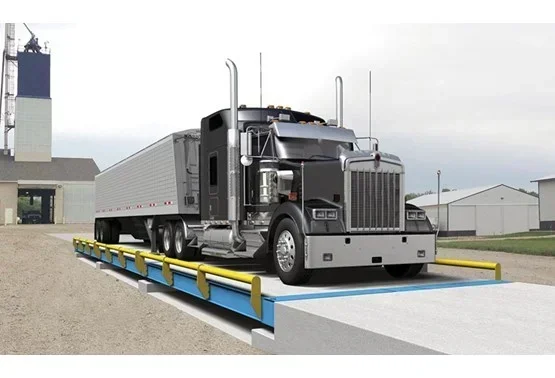
- Use a weigh station or public scale to get an accurate gross weight reading if you are unsure.
What Is the Difference Between Curb Weight and Gross Weight?
Now that we have covered both terms, let us compare them directly. Understanding the difference between curb weight and gross weight is essential for safe and efficient driving. These two numbers tell you very different things about your vehicle, and using them correctly makes a big impact.
The main difference comes down to what is being measured. Curb weight is a fixed number for a given vehicle configuration. Gross weight is a dynamic number that changes based on how you use the vehicle. Both numbers are important, but they serve different purposes in everyday driving.
Curb Weight vs Gross Weight Comparison Table
| Feature | Curb Weight | Gross Weight |
|---|---|---|
| Definition | Weight of the vehicle with fluids and fuel, no passengers or cargo | Total weight including passengers, cargo, and accessories |
| What Is Included | Vehicle, standard fluids, full fuel tank | Curb weight plus passengers, cargo, and accessories |
| Changes Over Time | Stays the same unless modifications are made | Changes with every load of passengers or cargo |
| Primary Use | Baseline for comparisons and fuel calculations | Safety and legal compliance for loading and towing |
| Related Rating | N/A | GVWR (maximum safe gross weight) |
| Example | 3,500 lbs for a mid-size sedan | 4,300 lbs same sedan with 4 passengers and luggage |
Think of it this way. Curb weight is like the empty weight of a backpack. Gross weight is like the full backpack with books, water bottles, and snacks inside. You need both numbers to understand the full picture of what your vehicle can handle. The difference between curb weight and gross weight is simply everything you add to the vehicle after it leaves the factory.
Key Differences at a Glance
- Curb weight is static; gross weight is dynamic and changes with every trip.
- Curb weight is used for fuel economy calculations; gross weight is used for safety and legal compliance.
- Curb weight never changes unless you modify the vehicle; gross weight changes with every load.
- Curb weight is always lower than gross weight for the same vehicle in use.
- Curb weight helps you compare vehicles; gross weight helps you stay within safe limits.
Why Vehicle Weight Matters
Understanding vehicle weight is not just about numbers on a spec sheet. It has real-world implications for your daily driving, your wallet, and your safety. Every driver benefits from knowing their vehicle’s weight specifications.
Impact on Fuel Economy
Vehicle weight has a direct impact on fuel economy. Heavier vehicles require more energy to move, which means they burn more fuel. This is why compact cars typically get better gas mileage than full-size trucks. When you know your vehicle’s curb weight, you can better understand its expected fuel efficiency.
Adding weight to your vehicle also reduces fuel economy. Every extra 100 pounds of cargo can reduce your miles per gallon by about 1%. So if you are hauling heavy equipment or furniture, your fuel costs will go up. This is one reason why understanding the difference between curb weight and gross weight matters for your budget. Keeping your gross weight as low as practical saves money at the pump.
Impact on Safety and Handling
Vehicle weight affects how your car handles on the road. A heavier vehicle takes longer to stop and may handle differently in emergency situations. Overloading your vehicle beyond its gross weight capacity can strain the brakes, suspension, and tires.
Safety experts consistently warn against overloading. When a vehicle exceeds its GVWR, it becomes harder to control, especially at higher speeds or in adverse weather conditions. Braking distances increase, and the risk of tire blowouts goes up. Keeping your gross weight within safe limits is one of the simplest things you can do to stay safe on the road.
Impact on Towing and Hauling Capacity
If you plan to tow a trailer or haul heavy loads, vehicle weight becomes even more critical. Your towing capacity depends on how much weight your vehicle can safely pull, and that is directly related to its curb weight and GVWR.
Manufacturers calculate towing capacity by considering the vehicle’s curb weight, engine power, transmission, and frame strength. When you add cargo and passengers, you reduce the amount of weight you can safely tow. Always factor in your vehicle’s current gross weight before hitching up a trailer. This is especially important for truck owners who regularly use their vehicles for work or recreation.
How to Find Your Vehicle’s Weight Information
Finding your vehicle’s weight specs is easier than you might think. Manufacturers are required to provide this information in several accessible places. You do not need to be a mechanic to find these numbers.
Where to Look on Your Vehicle
The most common place to find weight information is on the Tire and Loading Information label. This sticker is usually located on the driver’s side door frame or door jamb. It lists your vehicle’s GVWR, curb weight, and maximum payload capacity. Open your driver’s door and look for a rectangular sticker or plate.
You can also find weight information in your owner’s manual. The manual will typically include a section on vehicle specifications that lists curb weight, GVWR, and towing capacity. Keep your manual handy for quick reference. If you have lost your manual, most manufacturers offer free PDF versions on their websites.
Using Online Resources
If you do not have access to your vehicle’s label or manual, you can look up the information online. Most manufacturers have websites where you can enter your vehicle’s year, make, and model to find detailed specs. Third-party automotive sites also provide weight information for most vehicles.
When searching online, look for official manufacturer data rather than forum posts or user estimates. Manufacturer specs are the most accurate and reliable source for vehicle weight information. You can also visit your local dealership and ask the service department for the weight specifications.
Expert Insight on Reading Weight Labels
Automotive experts recommend taking a photo of your vehicle’s weight label and saving it in your phone. This way, you always have the information at hand when you need it. Whether you are planning a road trip with heavy luggage or loading up for a move, knowing your vehicle’s weight limits helps you stay safe and legal. It takes two seconds and can save you from costly mistakes.
Common Mistakes People Make With Vehicle Weight
Even experienced drivers make mistakes when it comes to vehicle weight. These errors can lead to safety hazards, legal trouble, and unnecessary expenses. Here are the most common mistakes and how to avoid them.
Confusing Curb Weight with Payload Capacity
This is the most common mistake drivers make. Curb weight is not the same as payload capacity. Payload capacity is the maximum weight of passengers and cargo your vehicle can safely carry. You calculate it by subtracting curb weight from GVWR. Confusing these two numbers can lead to overloading your vehicle without even realizing it.
For example, if your truck has a curb weight of 4,500 pounds and a GVWR of 6,500 pounds, your payload capacity is 2,000 pounds. That means you can carry 2,000 pounds of passengers and cargo combined. Many drivers assume they can load up to 4,500 pounds because they confuse curb weight with payload capacity. This mistake can be dangerous and expensive.
Ignoring GVWR Limits
Some drivers ignore the GVWR and simply load up their vehicle until it feels “full.” This is dangerous. Exceeding GVWR puts extra stress on your vehicle’s engine, brakes, and suspension. It can also void your insurance coverage if you are involved in an accident while overloaded.
Manufacturers set GVWR limits based on extensive testing and engineering. These limits account for the vehicle’s frame strength, braking system, and tire capacity. Going over them is not worth the risk. Always check your GVWR before loading up your vehicle for a trip.
Overloading Your Vehicle
Overloading is a serious safety hazard that affects braking, steering, and stability. An overloaded vehicle is harder to control and takes longer to stop. In many states, exceeding weight limits can also result in fines and penalties. Always check your gross weight before loading up your vehicle for a long trip.
Quick Tips to Avoid Weight Mistakes
- Always calculate your payload capacity before loading up your vehicle.
- Weigh your vehicle at a public scale if you are unsure about your gross weight.
- Distribute cargo evenly to maintain balance and proper handling.
- Remember that aftermarket accessories like roof racks and upgraded wheels add weight.
Key Takeaways
- Curb weight is the weight of your vehicle with standard equipment and fluids but without passengers or cargo.
- Gross weight includes the curb weight plus passengers, cargo, and any accessories or trailers being towed.
- GVWR is the maximum safe gross weight set by the manufacturer and should never be exceeded.
- Payload capacity is the difference between curb weight and GVWR, representing how much you can safely carry.
- Understanding vehicle weight helps with fuel economy, safety, and legal compliance on every trip.
- Always check your vehicle’s weight label before towing or hauling heavy loads.
- Confusing curb weight with gross weight or payload capacity can lead to overloading and costly mistakes.
Conclusion
Understanding what is the difference between curb weight and gross weight is essential for every vehicle owner. Curb weight gives you the baseline weight of your vehicle, while gross weight tells you the total weight when fully loaded. Both numbers play a critical role in fuel economy, safety, and legal compliance.
By knowing your vehicle’s curb weight, GVWR, and payload capacity, you can make smarter decisions about loading, towing, and fuel efficiency. Always stay within your manufacturer’s recommended weight limits to keep yourself and others safe on the road. Take a moment today to check your vehicle’s weight label and commit these numbers to memory. Your wallet, your safety, and your vehicle will all thank you.
Frequently Asked Questions
Can I exceed my vehicle’s gross weight limit?
No, you should never exceed your vehicle’s gross weight limit. Doing so strains the engine, brakes, and suspension, and it can be dangerous. It may also void your insurance and lead to legal penalties. Always stay within your GVWR.
Does curb weight include the driver?
No, curb weight does not include the driver or any passengers. It only includes the vehicle with standard fluids and a full fuel tank. Passengers and cargo are not part of the curb weight calculation.
How does vehicle weight affect fuel economy?
Heavier vehicles use more fuel because they require more energy to move. Every extra 100 pounds of weight can reduce your miles per gallon by about 1%. Keeping your gross weight as low as practical helps improve fuel economy.
What happens if I exceed my GVWR?
Exceeding your GVWR can cause braking problems, handling issues, and tire failures. It also puts extra stress on your engine and suspension. In many areas, it can result in fines, and it may void your insurance coverage in the event of an accident.
Is curb weight the same as dry weight?
No, they are different. Curb weight includes all standard fluids and a full tank of fuel. Dry weight excludes all fluids, including fuel, oil, and coolant. Always check which measurement a manufacturer is using when comparing vehicles.
How do I calculate my vehicle’s payload capacity?
To calculate payload capacity, subtract your vehicle’s curb weight from its GVWR. The result is the maximum weight of passengers and cargo you can safely carry. For example, if your GVWR is 6,500 pounds and your curb weight is 4,500 pounds, your payload capacity is 2,000 pounds.