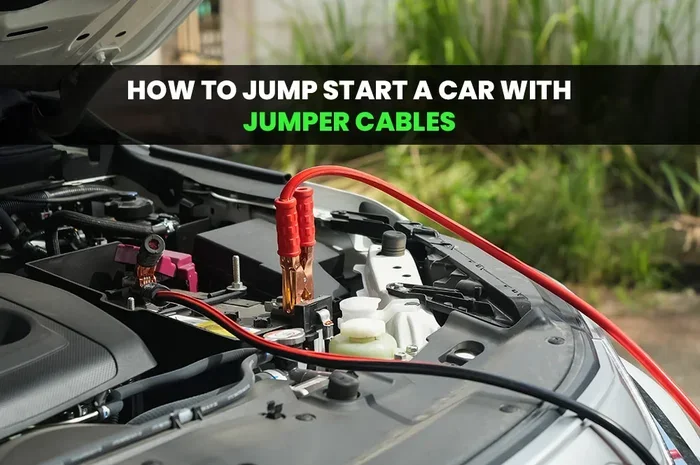
Can You Still Jump-Start a Car With a Bad Alternator
Yes, you can jump-start a car with a bad alternator, but it comes with risks and limitations. A failing alternator won’t recharge your battery while driving, so the jump-start is only a temporary fix. Understanding the signs of a bad alternator and knowing what to do next can save you from being stranded again.
You turn the key, and nothing happens. Your engine cranks weakly, or it doesn’t crank at all. You think, “Maybe I just need a jump-start.” But then it hits you — what if the real problem is a bad alternator? Can you still jump-start a car with a bad alternator? The short answer is yes, but the full answer is a lot more nuanced than you might expect.
Dealing with a car that won’t start is frustrating enough without the added worry of a failing alternator. Many drivers jump-start their vehicles and carry on, only to find themselves stuck again an hour later. That’s because a bad alternator means your battery never gets recharged while the engine runs. The jump-start gives you a temporary boost, but it’s not a permanent solution.
In this article, we’ll walk you through everything you need to know. We’ll cover what a bad alternator actually does, whether a jump-start is safe, how to tell if it’s the alternator or the battery, and what steps to take next. By the end, you’ll know exactly what to do the next time your car refuses to cooperate.
Key Takeaways
- Jump-starting works temporarily: A bad alternator doesn’t prevent a jump-start, but the charge won’t last long.
- Know the warning signs: Dim headlights, dashboard warnings, and frequent dead batteries point to alternator trouble.
- Don’t rely on a jump-start long-term: Driving with a bad alternator can leave you stranded and damage other electrical parts.
- Test before you assume: A simple voltage test can tell you whether it’s the alternator or the battery causing the problem.
- Replace or repair promptly: Ignoring a failing alternator leads to bigger repair bills and unsafe driving conditions.
- Use the right jump-start method: Following proper steps reduces the risk of electrical damage to your vehicle.
📑 Table of Contents
- What Does a Bad Alternator Mean for Your Car?
- Can You Jump-Start a Car With a Bad Alternator?
- Signs Your Alternator Is Failing
- What Happens When You Jump-Start With a Bad Alternator?
- Alternator vs Battery: How to Tell Which One Is the Problem
- What To Do After a Jump-Start and Long-Term Fixes
- When to Call for Professional Help
- Conclusion
What Does a Bad Alternator Mean for Your Car?
Your alternator is a small but mighty part of your car’s electrical system. It charges the battery while the engine runs. It also powers things like your headlights, radio, and dashboard lights. When the alternator goes bad, your car starts running on battery power alone. And batteries aren’t designed to power everything for long.
Think of it this way. The battery is like a bucket of water. The alternator is the faucet that keeps it full. If the faucet breaks, you can still use the water in the bucket. But once it’s empty, you’re done. That’s exactly what happens when you jump-start a car with a bad alternator. You get the bucket refilled temporarily, but the faucet still isn’t working.
Common Causes of Alternator Failure
Alternators don’t just stop working out of nowhere. There are usually warning signs long before a complete failure. Here are some common causes:
- Worn-out diodes: These small parts inside the alternator regulate the electrical current. When they fail, the alternator can’t charge properly.
- Bearing wear: The alternator has moving parts that spin inside. Over time, bearings wear down and cause the unit to seize.
- Damaged wiring or connections: Corroded or loose wires prevent the alternator from sending power where it needs to go.
- Overloaded electrical system: Adding too many accessories without upgrading the charging system puts extra strain on the alternator.
- Age and mileage: Most alternators last between 80,000 and 150,000 miles. After that, failure becomes more likely.
Knowing these causes helps you understand why your alternator might be failing. It also helps you spot the problem earlier, before you’re left stranded on the side of the road.
Can You Jump-Start a Car With a Bad Alternator?
Here’s the good news. A jump-start doesn’t care what condition your alternator is in. All it needs is a working battery — even a partially dead one — and a set of jump cables connected to another vehicle or a portable jump starter. The process sends a burst of power from the good battery to yours, which is enough to turn over the engine.
So yes, you can absolutely jump-start a car with a bad alternator. The electrical system doesn’t check the alternator’s health before delivering that boost. The starter motor gets the power it needs, and the engine turns over. But here’s the catch — once you disconnect the cables and drive away, your battery starts draining again because the alternator isn’t recharging it.
This is why many drivers find themselves in the same situation within 20 to 30 minutes of driving. The car might run fine for a short while, especially if you don’t have many electrical loads on. But the moment you turn on the headlights, the radio, or the air conditioning, the battery starts losing ground fast.
When a Jump-Start Might Not Work at All
In some cases, a bad alternator can cause enough damage that a jump-start won’t help. Here’s when that happens:
- The battery is completely dead: If the alternator has been failing for a while, the battery may be too far gone to accept a charge.
- The battery is damaged: A deeply discharged battery can suffer internal damage that prevents it from holding a charge.
- Electrical short circuits exist: A failing alternator can sometimes cause electrical issues that drain the battery even when the car is off.
If you’ve tried a jump-start and the car won’t start again after just a few minutes of driving, the alternator is likely the culprit. At that point, you need to address the alternator problem directly rather than keep jumping the car.
Signs Your Alternator Is Failing
Catching a bad alternator early can save you a lot of trouble. Most cars give you plenty of warning signs before the alternator completely fails. Here’s what to watch for:
- Dashboard warning lights: The battery light or the check engine light often comes on when the alternator isn’t charging properly. This is one of the most obvious bad alternator symptoms.
- Dim or flickering headlights: If your headlights get brighter when you rev the engine and dim when you slow down, the alternator is struggling.
- Electrical accessories acting up: Power windows moving slowly, the radio cutting out, or the dashboard lights flickering are all signs of low voltage.
- Strange noises: A whining or grinding sound coming from the engine area can mean the alternator bearings are worn out.
- Battery dies frequently: If you find yourself needing a jump-start more than once or twice a month, the alternator probably isn’t doing its job.
- Battery corrosion: A failing alternator can cause excessive charging or undercharging, both of which lead to battery terminal corrosion.
If you notice any of these signs, don’t ignore them. A quick trip to a mechanic or a simple battery voltage test can confirm whether the alternator is the problem. The earlier you catch it, the less damage it does to the rest of your vehicle.
What Happens When You Jump-Start With a Bad Alternator?
Jump-starting a car with a bad alternator is generally safe for the vehicle in the short term. The electrical system doesn’t care where the power comes from — it just needs voltage. However, there are some things you should know before you hook up those cables.
First, the jump-start process itself won’t damage a bad alternator. It’s a simple transfer of power from one battery to another. The alternator stays in whatever state it’s already in — working or not working.
Second, driving with a bad alternator after a jump-start puts extra strain on the battery. Since the alternator isn’t recharging the battery, the vehicle runs entirely on stored battery power. This can cause the battery to drain completely, leaving you stranded again.
Third, prolonged driving with a bad alternator can damage other electrical components. Things like the car’s computer system, sensors, and even the ignition system rely on stable voltage. When the voltage drops because the alternator isn’t working, these parts can malfunction or wear out faster.
How Long Can You Drive After a Jump-Start With a Bad Alternator?
This depends on a few factors, including the condition of the battery, how many electrical loads you’re running, and how far you need to go. In most cases, you’ll get somewhere between 15 and 45 minutes of driving time on a single jump-start. That’s enough to get to a repair shop, but not enough for a long commute or road trip.
If you absolutely need to drive further, here are a few tips:
- Turn off all non-essential electrical systems. No radio, no air conditioning, and dim your headlights if possible.
- Drive at a steady speed without lots of stopping and starting.
- Keep the engine RPMs moderate. Too high and you drain the battery faster.
- Have a portable jump starter in the trunk as a backup.
The best plan, though, is to get the alternator repaired or replaced as soon as possible. Using a jump-start as a long-term solution is a recipe for getting stranded.
Alternator vs Battery: How to Tell Which One Is the Problem
One of the trickiest parts of diagnosing a no-start situation is figuring out whether it’s the alternator or the battery. Both can cause similar symptoms, and sometimes they fail at the same time. Here’s how to tell the difference.
The Voltage Test
The easiest way to check is with a multimeter. Set it to DC voltage and touch the probes to the battery terminals with the engine off. A healthy battery should read around 12.6 volts. If it reads below 12.0 volts, the battery is likely discharged or damaged.
Now start the engine. The voltage should rise to between 13.8 and 14.4 volts. This is the alternator doing its job, sending power to charge the battery and run the electrical system. If the voltage stays below 13.0 volts with the engine running, the alternator is probably not charging properly.
Other Clues to Look For
Beyond the voltage test, there are other clues that point to one or the other:
- If the car starts but dies quickly: The alternator isn’t recharging the battery. This points to an alternator problem.
- If the car won’t start even after a full charge: The battery itself may be dead or damaged. Try charging the battery fully and testing again.
- If jump-starting works but the car won’t restart later: The alternator isn’t keeping the battery charged. This is a classic alternator failure sign.
- If the car starts fine in the morning but struggles later: The alternator can’t hold a charge during driving. Time to inspect the alternator.
Sometimes both the battery and the alternator are bad at the same time. This is especially common in older vehicles where the battery has been deeply discharged multiple times because of a failing alternator. In those cases, replacing both is often the best approach.
What To Do After a Jump-Start and Long-Term Fixes
Once you’ve successfully jump-started your car, the real work begins. A jump-start is a temporary fix, and you need to address the root cause to avoid getting stuck again. Here’s what you should do next.
Step 1: Get the Alternator Tested
Most auto parts stores will test your alternator for free. They’ll hook it up to a testing machine that checks the output voltage and amperage. If the alternator isn’t producing enough power, you’ll know right away. This test takes just a few minutes and gives you a clear picture of what needs to be fixed.
Step 2: Replace or Repair the Alternator
Depending on the severity of the damage, you might be able to repair the alternator or you’ll need a full replacement. In many cases, replacing the alternator is the most reliable option. The alternator repair cost varies, but a new alternator typically ranges from $300 to $800 including parts and labor. It’s an investment, but it gets you back on the road with confidence.
If you’re handy with tools, you can replace an alternator yourself. It usually involves removing a few bolts, disconnecting the wiring, and swapping in the new unit. Just make sure you disconnect the battery before starting any electrical work.
Step 3: Check the Battery Too
A bad alternator can damage the battery over time. If your battery is more than three to five years old, it might be worth replacing it along with the alternator. A new alternator paired with an old, weak battery can lead to the same problems over again.
Step 4: Prevent Future Issues
Once everything is fixed, take steps to prevent alternator problems in the future:
- Have the charging system checked during every oil change or routine maintenance visit.
- Don’t overload the electrical system with aftermarket accessories without upgrading the alternator.
- Keep the battery terminals clean and free of corrosion.
- Address warning signs immediately. Don’t wait until the car won’t start at all.
Regular maintenance goes a long way in preventing unexpected breakdowns. A little attention now can save you from a lot of hassle later.
When to Call for Professional Help
There’s no shame in calling for help. If you’ve tried a jump-start and the car keeps dying, or if you’re not comfortable working on your vehicle’s electrical system, a professional mechanic can help. They have the tools and experience to diagnose the problem quickly and accurately.
Also, if you find yourself needing a jump-start more than once a week, that’s a clear sign something is seriously wrong. Don’t keep jumping the car and hoping for the best. Get the alternator and battery inspected before a small problem becomes a big repair bill.
Some drivers wonder if they can keep driving on a bad alternator for a few more weeks. The answer is no. Every day you drive with a failing alternator, you risk draining the battery completely, damaging the electrical system, and ending up stranded in an unsafe location. It’s always better to fix the problem as soon as you can.
Conclusion
So, can you jump-start a car with a bad alternator? Yes, you can. But it’s only a temporary fix that buys you a little time. The real solution is getting the alternator repaired or replaced so your battery stays charged and your electrical system works the way it should.
Pay attention to the warning signs. Test your battery and alternator regularly. And don’t wait until your car won’t start to take action. A little preventive maintenance goes a long way in keeping you safe and your car running smoothly.
If you’ve been dealing with a dead battery or frequent starting problems, now is the time to get it checked out. Your wallet — and your peace of mind — will thank you.
Frequently Asked Questions
Can a bad alternator cause a car not to start even after a jump-start?
Yes. If the alternator has been failing for a while, the battery may be too damaged to hold a charge. Even after a jump-start, the car might die within minutes. In this case, both the alternator and the battery likely need attention.
How long can you drive with a bad alternator after a jump-start?
Typically, you’ll get 15 to 45 minutes of driving time depending on the battery condition and electrical loads. This is enough to reach a repair shop, but you should not rely on it for longer trips or daily commutes.
What happens if you keep driving with a bad alternator?
Driving with a bad alternator drains the battery completely over time. It can also damage other electrical components like the car’s computer system, sensors, and ignition system. Eventually, the car will stop running entirely.
Is it safe to jump-start a car with a bad alternator?
Yes, the jump-start process itself is safe. It simply transfers power from a good battery to a dead one. Just be aware that the car will lose power again quickly if the alternator isn’t fixed.
Can a bad alternator ruin a new battery?
Absolutely. A failing alternator can cause the battery to be undercharged or overcharged, both of which shorten the battery’s lifespan. If you replace the battery but not the alternator, the new battery will likely fail too.
How much does it cost to replace a bad alternator?
The cost typically ranges from $300 to $800, including parts and labor. The exact price depends on your vehicle’s make and model, as well as where you have the work done. Some auto parts stores offer free installation with a purchased alternator.