Blue Car Spray Paint Tips for a Professional Looking Finish
Blue car spray paint can transform your vehicle with a stunning, showroom-quality look when done right. This guide covers everything from surface prep to the final clear coat, ensuring you achieve a professional automotive finish every time. Whether you are a beginner or a seasoned DIYer, these practical tips will help you avoid common errors and get smooth, durable blue paint that turns heads.
Key Takeaways
- Proper surface prep is the foundation: Cleaning, sanding, and priming your car correctly makes or breaks the final result.
- Choose the right type of blue car spray paint: Automotive enamel, urethane, and lacquer each offer different benefits for your project.
- Master your spray technique: Consistent distance, overlapping passes, and thin layers create a smooth, even coat.
- Clear coat and buffing seal the deal: A quality clear coat protects the color, and proper buffing adds depth and shine.
- Avoid common mistakes: Rushing the process, skipping primer, and painting in bad conditions lead to peeling and uneven finish.
- Maintenance keeps the blue looking fresh: Regular washing, waxing, and touch-ups extend the life of your paint job significantly.
📑 Table of Contents
Understanding Blue Car Spray Paint
Blue car spray paint is one of the most popular choices for auto enthusiasts. The color blue offers a bold, classic look that suits nearly every vehicle style. From deep navy to bright electric blue, the options are endless. But getting that perfect finish takes more than just pointing and spraying.
A professional-looking paint job starts with understanding the basics. You need to know your paint types, your surface, and your environment. This guide walks you through every step so you can achieve results that rival a professional body shop.
The right blue automotive spray paint can protect your car from rust and UV damage too. So it is not just about looks. It is also about preserving your vehicle’s value and structure. Let us dive into what makes blue car spray paint so special and how to use it effectively.
Why Blue Is a Top Car Color Choice
Blue has always been a favorite among car buyers. It conveys confidence, calm, and style. Studies show that blue consistently ranks in the top five most popular car colors worldwide. This popularity means there is a huge market for blue auto paint products.
Blue also hides dirt and minor imperfections better than lighter colors like white or silver. Darker shades of blue, such as midnight blue or cobalt, are especially forgiving. This makes blue a smart choice for a DIY paint project where perfection is hard to achieve on the first try.
Types of Automotive Spray Paint for Blue
Not all spray paints are created equal. When it comes to automotive spray paint, you have three main options. Each has its own strengths and weaknesses.
Automotive enamel paint is the most common choice for beginners. It is easy to apply, dries to a hard finish, and requires no mixing. You can find it in spray cans at most auto parts stores. It offers good durability and a solid gloss finish.
Urethane-based paint provides superior durability and UV resistance. It is the go-to choice for professional paint shops. However, urethane spray cans are harder to find and often more expensive. They also require a respirator mask due to stronger fumes.
Lacquer paint dries fast and builds up quickly. It gives a deep, glass-like shine. The downside is that lacquer is less durable and can yellow over time. It is best suited for show cars that are not driven daily.
Preparing Your Car for Spray Painting
Surface preparation is the most important step in any blue car spray paint project. Skipping this step is the number one reason DIY paint jobs fail. Take your time here, and the rest of the process will go much smoother.
Cleaning the Surface
Start by washing your entire car with a degreaser. Pay special attention to areas around the doors, fenders, and hood. These spots collect grease, wax, and road grime that can prevent paint from sticking.
Use a lint-free cloth and a dedicated automotive cleaner. Avoid household detergents because they leave a residue. Rinse thoroughly and let the surface dry completely before moving on.
Sanding and Smoothing
Next, you need to sand the surface lightly. Use fine-grit sandpaper, around 600 to 800 grit. This creates a rough surface that helps the primer coat bond properly. Sand in circular motions and wipe away dust with a tack cloth.
Do not sand too aggressively. You are not trying to strip the old paint. You just want to create a slightly rough texture for better paint adhesion. If your car has rust spots, sand those areas more aggressively until the rust is gone.
Applying Primer
Primer is your best friend when spray painting a car. It creates a smooth base and improves color match and durability. Choose a primer designed for automotive use.
Hold the spray can about 10 to 12 inches from the surface. Apply thin, even coats. Two to three coats of primer should be enough. Let each coat dry according to the manufacturer’s instructions before adding the next one.
Choosing the Right Blue Car Spray Paint
Selecting the right blue car spray paint product can feel overwhelming. There are dozens of brands and shades available. Here is how to narrow down your choices.
Matching the Exact Blue Shade
If you are repainting a specific panel or the entire car, color accuracy matters. Check your vehicle’s paint code, which is usually found on the driver’s side door jamb. This code tells you the exact factory color.
Many spray paint brands offer color matching services. You can provide your paint code and get a custom blue automotive spray that matches perfectly. Brands like Dupli-Color, Rust-Oleum, and Valspar all offer this feature.
Deciding Between Solid, Metallic, and Pearl Blue
Solid blue paint is the simplest option. It has no metallic flakes or special effects. It is easy to apply and gives a clean, uniform look. Solid blue is ideal for beginners learning spray painting technique.
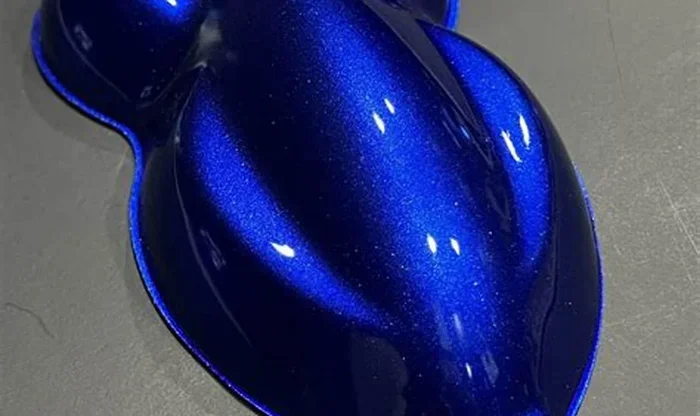
Metallic blue paint contains tiny metal flakes that create a shimmering effect. It looks stunning in sunlight but is harder to apply evenly. You need to be more careful with your spray distance and overlap.
Pearl blue paint has a pearlescent finish that shifts color depending on the light angle. It is the most advanced option and requires the most skill to apply. Pearl finishes look incredible but demand patience and practice.
Budget Considerations
Spray paint cans range from about $5 to $20 each depending on the brand and quality. A full car paint job may require 15 to 30 cans. Factor in the cost of primer, clear coat, sandpaper, and masking supplies.
Do not cut corners on paint quality. Cheap paint often requires more coats, looks dull, and wears off faster. Investing in a good automotive enamel spray saves you time and frustration in the long run.
Step-by-Step Spray Painting Process
Now that your car is prepped and you have chosen your paint, it is time to start spraying. Follow these steps carefully for the best results.
Setting Up Your Workspace
Choose a well-ventilated area. A garage with the door open works, but an outdoor setting is even better. Avoid painting in direct sunlight or on windy days. Dust and debris can land on wet paint and create imperfections.
Set up a paint booth if possible. Even a simple DIY booth made from plastic sheeting helps trap overspray. Lay down a drop cloth on the ground to catch paint drips and keep your workspace clean.
Masking Off Areas
Use painter’s tape and plastic sheeting to mask areas you do not want to paint. Cover windows, trim, headlights, and any rubber seals. Take your time with this step. Overspray on glass or trim is a nightmare to clean up.
A good paint mask setup saves hours of cleanup and prevents accidental paint damage. Use quality masking tape that peels off cleanly without leaving residue.
Spraying the Base Coat
Shake your blue car spray paint can vigorously for at least two minutes. This mixes the paint thoroughly and ensures consistent color. Hold the can 10 to 12 inches from the surface.
Start spraying off the edge of the panel and sweep across in a smooth motion. Overlap each pass by about 50 percent. Apply thin coats rather than thick ones. Thick coats drip, sag, and take forever to dry.
Apply three to four thin coats of blue paint, waiting 10 to 15 minutes between each coat. The paint should feel dry to the touch before you add the next layer. This patience pays off with a smooth, even finish.
Applying the Clear Coat
The clear coat is what gives your paint its glossy shine and protects the color underneath. Use a high-quality automotive clear coat spray. Apply it the same way you applied the base coat: thin, even passes with proper overlap.
Apply two to three coats of clear coat. Let the final coat cure for at least 24 hours before touching it. The longer you wait, the harder and more durable the finish will be.
Wet Sanding and Buffing
Once the clear coat is fully cured, you can wet sand it to remove any minor imperfections. Use 1500 to 2000 grit sandpaper and plenty of water. Sand gently in straight lines, not circles.
After wet sanding, apply a buffing compound with a polishing pad or microfiber cloth. This restores the deep shine and gives your automotive finish a professional look. The difference after buffing is dramatic and incredibly satisfying.
Common Mistakes to Avoid
Even experienced DIYers make mistakes when spray painting a car. Knowing what to avoid saves you time, money, and frustration.
Skipping Surface Preparation
This is the most common and costly mistake. Painting over a dirty or poorly prepped surface leads to peeling, bubbling, and poor paint adhesion. Always clean, sand, and prime before you spray.
Applying Paint Too Thick
Thick coats cause runs, drips, and uneven drying. They also take longer to cure and are more prone to cracking. Remember: thin coats build up better than thick ones. Patience is your best tool here.
Painting in Poor Conditions
High humidity, direct sunlight, and dusty environments all harm your paint job. Moisture in the air can cause the paint to bubble. Sunlight can cause it to dry too fast and crack. Dust can settle on wet paint and create a rough texture.
Not Letting Paint Cure Fully
It is tempting to touch or buff the paint too soon. But paint needs time to cure fully. Most automotive spray paints need 48 to 72 hours for full curing. Rushing this step can ruin your hard work.
Maintaining Your Blue Paint Finish
Getting a great blue car spray paint finish is only half the battle. Proper maintenance keeps it looking stunning for years. Here is how to protect your investment.
Regular Washing and Waxing
Wash your car regularly using a pH-neutral automotive soap. Avoid harsh detergents that strip away the protective clear coat. Dry with a soft microfiber cloth to prevent scratches.
Apply a quality car wax every two to three months. Wax adds a protective layer that shields the paint from UV rays, bird droppings, and environmental contaminants. It also enhances the depth and shine of your blue color.
Dealing with Chips and Scratches
No paint job is completely immune to chips and scratches. Keep a can of matching blue automotive touch up paint in your garage for quick repairs. Clean the affected area, apply the touch-up paint, and seal it with clear coat.
Address chips promptly. Exposed metal can rust quickly, and rust spreads fast. A small repair today prevents a major problem tomorrow.
Protecting the Paint from Sun Damage
UV rays are the biggest enemy of any paint job. Over time, the sun can fade and oxidize your blue paint. Park in shaded areas or a garage whenever possible.
Consider using a UV-protective car cover if you park outside regularly. This simple step can add years of vibrant color to your finish.
Expert Insights on Blue Car Spray Paint
Professional auto painters share a few insights that can elevate your DIY results. First, always test your paint on a scrap piece of metal or a hidden area before spraying the main panel. This lets you check the color, coverage, and spray pattern.
Second, temperature matters. The ideal painting temperature is between 60 and 80 degrees Fahrenheit. Too cold and the paint will not flow properly. Too hot and it will dry too fast and crack.
Third, invest in a good respirator mask. Even water-based automotive paints release fumes that are harmful to breathe. A simple dust mask is not enough. Protect your lungs, and you will enjoy painting for years to come.
Final Thoughts on Blue Car Spray Paint
Achieving a professional-looking blue car spray paint finish is entirely possible at home. The key is preparation, patience, and the right products. Start with a clean, properly primed surface. Choose a quality blue automotive spray paint that matches your vision. Apply thin, even coats and let each layer cure fully.
Do not rush the process. The best paint jobs come from painters who take their time. Follow these blue car spray paint tips and you will be amazed at the results. Your car will look like it rolled off the showroom floor.
Remember, practice makes perfect. If you are new to spray painting, consider practicing on an old panel or a scrap piece of metal first. Build your confidence, refine your spray painting technique, and then tackle your car. The satisfaction of a flawless automotive paint finish is worth every bit of effort.
Now grab your blue car spray paint, set up your workspace, and get started. Your vehicle is about to look incredible. Happy painting!
Frequently Asked Questions
Can I spray paint my car blue without a primer?
You can, but you should not. Primer creates a smooth base and significantly improves paint adhesion. Without primer, your blue automotive spray paint is more likely to peel, chip, and fade quickly. Always apply primer before your base coat for the best results.
How many cans of blue spray paint do I need for a full car?
A full car typically requires 15 to 30 cans of blue car spray paint, depending on the brand, paint type, and number of coats. Solid blue paint usually needs fewer cans than metallic or pearl finishes. Always check the coverage estimates on the can and buy a few extra cans to be safe.
How long does blue car spray paint take to dry?
Most automotive spray paint dries to the touch in 15 to 30 minutes between coats. However, full curing takes 48 to 72 hours. The clear coat also needs time to harden completely. Avoid washing or touching the painted surface for at least three days after your last coat.
Is it better to spray paint a car indoors or outdoors?
An outdoor, shaded, and wind-free area is ideal for spray painting a car. It provides the best ventilation and reduces dust contamination. If you must paint indoors, use a garage with the door wide open and set up a basic paint booth with plastic sheeting to control overspray and dust.
Can I apply blue spray paint over existing paint?
Yes, you can apply blue car spray paint over existing paint as long as the surface is clean, dry, and lightly sanded. The existing paint should be in good condition without any peeling or rust. Always apply a fresh primer coat before spraying your new blue paint for the best adhesion and finish.
How do I prevent orange peel texture when spray painting blue?
Orange peel texture is caused by applying paint too thick or spraying from too far away. Hold the can 10 to 12 inches from the surface and apply thin, even coats. Keep your sweeping motion steady and consistent. If orange peel appears, lightly sand it with 2000-grit sandpaper and apply another thin coat of paint to fix it.