What Are the Three Main Parts of a Car and How They Work
Every car has three main parts that work together to get you from point A to point B. These are the engine, the chassis and body, and the electrical and control systems. Understanding how each part works helps you become a smarter driver and make better decisions about car maintenance and vehicle care.
Key Takeaways
- The engine is the heart: It generates the power that moves your car forward and is made up of many smaller components working in harmony.
- The chassis and body form the structure: This includes the frame, suspension, brakes, and the outer shell that protects everyone inside.
- The electrical and control systems act as the brain: They manage everything from starting the car to keeping you safe on the road.
- All three parts must work together: A problem in one area can affect the entire vehicle, which is why regular car maintenance matters.
- Knowing your car basics saves money: Understanding vehicle components helps you spot problems early and avoid costly repairs.
- Basic upkeep is simple: Regular oil changes, tire checks, and battery care go a long way in extending your car’s life.
📑 Table of Contents
- Introduction: Why Every Driver Should Know the Three Main Parts of a Car
- The Engine: The Heart of Your Car
- The Chassis and Body: The Car’s Skeleton and Skin
- The Electrical and Control Systems: The Car’s Brain
- How the Three Main Parts Work Together
- Common Car Problems and How to Spot Them Early
- Tips for Keeping Your Car Running Well
- Conclusion: Understanding the Three Main Parts of a Car
Introduction: Why Every Driver Should Know the Three Main Parts of a Car
Have you ever wondered what makes your car move? It is easy to hop in, turn the key, and drive without thinking about what is happening under the hood. But knowing the three main parts of a car gives you a real advantage as a driver.
Whether you are a new driver or someone who has been on the road for years, understanding how a car works helps you take better care of your vehicle. It also saves you money. When you know what each part does, you can spot problems early. You can talk to mechanics with more confidence too. This guide breaks down the three main parts of a car in simple terms anyone can understand.
We will cover the engine, the chassis and body, and the electrical and control systems. Each section explains what the part does, why it matters, and how to keep it in good shape. By the end, you will have a solid grasp of vehicle anatomy that will serve you well for years to come.
The Engine: The Heart of Your Car
The engine is the most important part of your car. It is what turns fuel into motion. Without a working engine, your car sits still. Think of the engine as the heart of your vehicle. Just like your heart pumps blood, the engine powers everything that moves.
How the Engine Generates Power
Most cars use what is called an internal combustion engine. This means fuel burns inside the engine to create energy. The process happens very fast and repeats many times every minute. Here is how it works in simple steps:
- Air and fuel mix together inside a cylinder.
- A spark plug ignites the mixture, causing a small explosion.
- The explosion pushes a piston down, creating movement.
- The movement turns the crankshaft, which connects to the wheels.
This cycle repeats hundreds of times per minute. That is what keeps your car moving. The engine system also relies on many smaller parts like the oil pump, water pump, and timing belt. Each one plays a role in keeping things running smoothly.
Types of Car Engines
Not all engines are the same. Cars come with different engine types based on the vehicle’s purpose and design. Here are the most common ones you will encounter:
- Inline engines have cylinders lined up in a row. They are simple and efficient.
- V-shaped engines have cylinders arranged in a V shape. They offer more power and are common in trucks and sports cars.
- Flat engines have cylinders laid flat. They lower the car’s center of gravity for better handling.
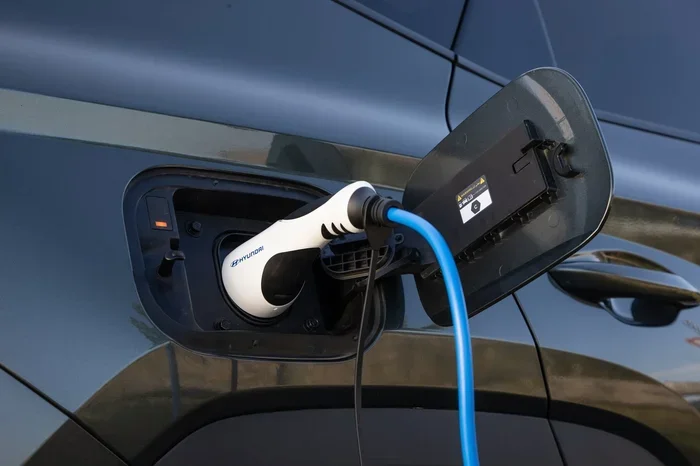
- Electric motors use battery power instead of fuel. They are becoming more popular as electric vehicles grow in demand.
Each type has its strengths. The right one depends on what you need from your car. If you want fuel efficiency, an inline engine might be a great fit. If you need towing power, a V-shaped engine could be the better choice.
Quick Tip: Check your engine oil every month. Clean oil keeps the engine parts lubricated and prevents overheating. This is one of the easiest car maintenance habits you can build.
The Chassis and Body: The Car’s Skeleton and Skin
If the engine is the heart, then the chassis and body are the bones and skin of your car. The car chassis is the frame that holds everything together. The body is the outer shell that protects you and your passengers. Together, they form the structure that makes your car safe and functional.
Understanding the Car Frame
The frame is the backbone of your vehicle. It supports the engine, the transmission, the wheels, and the interior. Without a strong frame, your car would not be able to handle the road. There are two main types of frames used in modern cars:
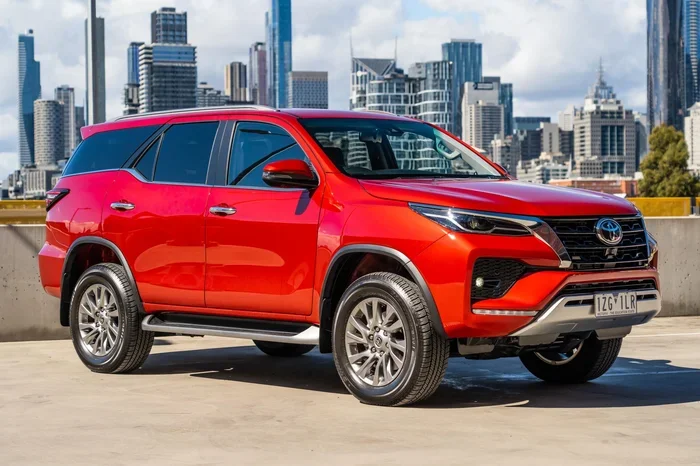
- Body-on-frame construction attaches the body to a separate frame underneath. This design is strong and durable. It is common in trucks and SUVs.
- Unibody construction combines the frame and body into one piece. It is lighter and more fuel-efficient. Most modern sedans and crossovers use this design.
Both designs have their benefits. The key is that the frame must be strong enough to protect occupants in a crash. It also needs to be light enough to keep the car efficient. This balance between strength and weight is something engineers think about a lot when designing vehicle components.
The Role of the Suspension and Brakes
The suspension system and braking system are two critical parts of the chassis. They work together to keep your car stable and safe.
The suspension system includes springs, shock absorbers, and linkages. Its job is to absorb bumps and keep the tires in contact with the road. When you drive over a pothole, the suspension soaks up the shock so you do not feel it as a harsh jolt. A good suspension system also improves handling and ride comfort.
The braking system is just as important. It includes brake pads, rotors, calipers, and brake fluid. When you press the brake pedal, these parts work together to slow the car down. Over time, brake pads wear out and need replacement. That is why regular brake inspections are a key part of vehicle maintenance.
The Car Body and Its Purpose
The body is what you see on the outside of the car. It does more than just look good, though. The body protects passengers from weather, wind, and debris. It also plays a role in safety during a collision. Modern cars are designed with crumple zones that absorb impact energy. This helps reduce the force felt inside the cabin.
The body is made from different materials depending on the car. Steel is strong and affordable. Aluminum is lighter and helps with fuel economy. Some luxury cars use carbon fiber for extra strength and low weight. Each material choice affects the car’s performance, safety, and price.
Quick Tip: Wash your car regularly, especially in winter. Road salt and dirt can cause rust on the body. Rust weakens the structure over time and can lead to expensive repairs.
The Electrical and Control Systems: The Car’s Brain
The third main part of your car is the electrical and control systems. This is the complex network that powers everything electronic in your vehicle. From starting the engine to adjusting the air conditioning, this system makes modern driving possible.
How the Electrical System Powers Everything
The electrical system has several key parts that work together:
- The battery stores energy and provides the initial power to start the car.
- The alternator charges the battery while the engine is running.
- The wiring harness connects all the electrical components throughout the car.
- The fuse box protects the electrical system from power surges.
When you turn the key, the battery sends power to the starter motor. The starter motor cranks the engine, and the combustion process takes over. Meanwhile, the alternator keeps the battery charged and powers the lights, radio, and other electronics. It is a well-orchestrated system that happens in seconds every time you start your car.
Modern cars also have computers called Engine Control Units (ECUs). These small computers monitor sensors throughout the vehicle. They adjust fuel injection, timing, and emissions in real time. This makes your car more efficient and cleaner. If a sensor detects a problem, it triggers a warning light on the dashboard.
The Driver Interface and Safety Features
The control systems also include everything you interact with as a driver. The dashboard, steering wheel, pedals, and gear shift are all part of this network. They let you command the car and respond to road conditions.
Safety features have come a long way in recent years. Many cars now include:
- Anti-lock braking systems (ABS) that prevent wheels from locking up during hard braking.
- Electronic stability control that helps you maintain control during sharp turns or slippery roads.
- Airbags that deploy on impact to cushion occupants.
- Backup cameras and sensors that help you park safely.
- Lane departure warnings and adaptive cruise control for added safety on highways.
All of these features rely on the electrical system to function. If the wiring or sensors fail, these safety systems may not work properly. That is why keeping your car electrical system in good shape is so important.
Quick Tip: Do not ignore dashboard warning lights. Each light signals something specific. A check engine light might mean a minor issue, or it could point to something serious. Get it checked out promptly.
How the Three Main Parts Work Together
Now that you know what each part does, it is important to understand how they work together. A car is not just three separate pieces. It is one integrated system where every part depends on the others.
Here is a simple example. You press the accelerator pedal. The control system sends a signal to the engine to increase fuel flow. The engine produces more power. That power travels through the transmission to the wheels. The suspension keeps the car stable as speed increases. The brakes are ready if you need to slow down. All of this happens in a split second.
If one part fails, the others are affected. A dead battery means the engine will not start, even if the engine itself is fine. Worn brake pads strain the suspension and affect handling. A damaged chassis can misalign the wheels, which wears out tires faster. This interconnected nature is why regular car maintenance is so important. It keeps all three parts working in harmony.
Think of it like a team. The engine provides the power. The chassis and body provide the structure and safety. The electrical system provides the intelligence and control. When all three do their jobs well, you get a smooth, safe, and reliable ride.
Common Car Problems and How to Spot Them Early
Even the best cars can develop problems over time. The good news is that most issues give warning signs if you know what to look for. Catching problems early saves you money and keeps you safe on the road.
Engine Problems to Watch For
- Strange noises: Knocking, grinding, or squealing sounds from the engine area often mean something is wrong.
- Reduced fuel efficiency: If you are filling up more often than usual, the engine may not be running efficiently.
- Check engine light: This light can signal many issues, from a loose gas cap to a serious sensor failure.
- Excessive smoke: Blue, white, or black smoke from the exhaust can indicate burning oil, coolant leaks, or fuel problems.
Chassis and Body Warning Signs
- Uneven tire wear: This often points to alignment or suspension problems.
- Excessive vibration: Feeling shakes through the steering wheel or seat can indicate worn suspension parts.
- Rust or dents: Visible damage to the body can weaken the structure and lead to bigger issues over time.
- Pulling to one side: If the car drifts left or right on a flat road, the alignment or brakes may need attention.
Electrical System Red Flags
- Dimming headlights: This often means the alternator is not charging the battery properly.
- Slow engine crank: If the engine takes longer to start, the battery may be weakening.
- Flickering dashboard lights: Loose wiring or a failing electrical connection could be the cause.
- Malfunctioning accessories: Power windows, locks, or the radio acting up can signal a broader electrical issue.
Knowing these signs helps you take action before a small problem becomes a big repair bill. Regular car inspections at a trusted mechanic can also catch issues you might not notice.
Tips for Keeping Your Car Running Well
Taking care of your car does not have to be complicated. A few simple habits can extend the life of your vehicle and keep all three main parts in great shape.
- Follow the maintenance schedule. Your owner’s manual has a recommended service plan. Stick to it for oil changes, tire rotations, and inspections.
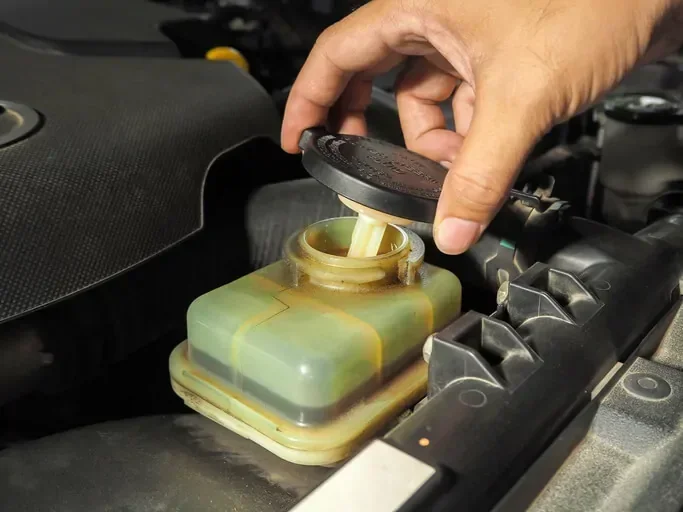
- Check fluid levels regularly. Engine oil, coolant, brake fluid, and transmission fluid all need to be at proper levels.
- Keep tires in good condition. Properly inflated tires improve fuel economy, handling, and safety.
- Drive gently. Avoid sudden acceleration and hard braking. Smooth driving reduces wear on the engine, brakes, and suspension.
- Address warning signs promptly. Do not ignore unusual sounds, smells, or dashboard lights. Early action prevents bigger problems.
- Keep it clean. Regular washing protects the body from rust. Cleaning the interior also helps you spot issues early.
- Store the car properly. If possible, park in a garage or covered area. This protects the body and electrical system from weather damage.
These tips may seem basic, but they make a huge difference over time. A well-maintained car runs better, lasts longer, and is safer to drive. Plus, it holds its value better if you ever decide to sell.
Expert Insight: “Many drivers wait until something breaks to visit a mechanic. By then, the repair is often expensive. A proactive approach to automotive care saves both money and stress in the long run.” – Experienced auto technician
Conclusion: Understanding the Three Main Parts of a Car
Now you know the three main parts of a car and how each one works. The engine provides the power. The chassis and body provide the structure and protection. The electrical and control systems provide the intelligence and safety features. Together, these automotive parts create the vehicle you rely on every day.
Understanding how a car works does not require a degree in engineering. With basic knowledge, any driver can take better care of their vehicle. You can spot problems earlier, communicate better with mechanics, and make smarter decisions about repairs and upkeep.
Your car is a complex machine, but it does not have to be mysterious. Take a few minutes to learn about your specific vehicle. Read the owner’s manual. Ask questions at the repair shop. The more you know about your vehicle components, the more confident and capable you become as a driver.
Start today. Check your oil. Look at your tires. Notice how the car feels when you drive. These small actions add up to big benefits. A well-understood car is a well-maintained car. And a well-maintained car keeps you safe and saves you money for years to come.
Frequently Asked Questions
What are the three main parts of a car called?
The three main parts are the engine, the chassis and body, and the electrical and control systems. The engine generates power, the chassis and body provide structure and protection, and the electrical systems manage all the electronic functions and driver controls.
How often should I service the engine of my car?
Most manufacturers recommend an oil change every 5,000 to 7,500 miles for modern vehicles. However, you should also follow the specific schedule in your owner’s manual. Regular engine service keeps all engine parts running smoothly and prevents costly damage.
Can I drive my car with a damaged chassis?
It is not safe. A damaged chassis weakens the structural integrity of the vehicle. It can affect handling, crash protection, and alignment. If you suspect chassis damage after an accident or impact, get the car inspected by a professional immediately.
What is the most common electrical problem in cars?
The most common issue is a weak or dead battery. Over time, batteries lose their ability to hold a charge. Other frequent problems include corroded battery terminals, faulty alternators, and worn-out spark plugs. Most electrical issues are easy and affordable to fix when caught early.
How do I know if my suspension needs repair?
Watch for signs like excessive bouncing, uneven tire wear, the car pulling to one side, or a rough ride over smooth roads. You may also hear clunking noises when going over bumps. A suspension check during regular car maintenance visits can catch these issues early.
Why is it important to understand how a car works?
Understanding your car helps you take better care of it, spot problems early, and communicate effectively with mechanics. It also saves you money by preventing small issues from becoming major repairs. Knowledge gives you confidence and makes you a safer, more responsible driver.