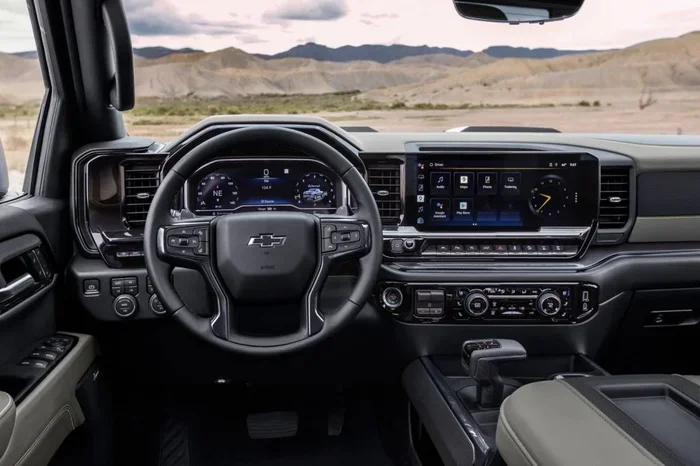
How Do I Know If My Truck Is in 4WD A Simple Guide
How Do I Know If My Truck Is in 4WD? This simple guide shows you the quick ways to check your truck’s drive mode. You’ll spot dashboard lights, shift lever positions, and drive modes like 4HI and 4LO. Knowing your four-wheel drive status keeps you safe on rough roads.
You’re behind the wheel of your truck. The road turns muddy. You need more traction. But wait—do you know if your truck is already in 4WD? How Do I Know If My Truck Is in 4WD is a question many drivers ask. It’s not just about off-road adventures. It’s about safety and protecting your vehicle. This guide gives you clear, simple ways to check your four-wheel drive status every time. You’ll learn what the lights mean, where to look on the gear shift, and how your truck feels when it’s properly engaged. Let’s get you confident on any road.
Knowing your drive mode matters. Many modern trucks have automatic 4WD systems. Others use a manual shift lever. Some have push buttons. No matter the type, you can find out in seconds. I’ll walk you through each method. You’ll also understand the difference between 4HI and 4LO. I’ll share quick tips and common mistakes to avoid. By the end, you’ll never second-guess your drive modes again.
Key Takeaways
- Look at the dashboard: A lit 4WD indicator light means your truck is engaged.
- Check the shift lever: The position of the gear selector tells you the drive mode.
- Listen for changes: A different engine sound or steering feel can signal 4WD is on.
- Know your modes: 4HI is for traction on slippery roads; 4LO is for slow, heavy off-road work.
- Avoid mistakes: Never engage 4WD on dry pavement; it can damage the drivetrain.
- Maintain the system: Regular fluid changes keep your transfer case and locking hubs working smoothly.
📑 Table of Contents
What Does 4WD Mean for Your Truck?
Four-wheel drive sends power to all four wheels at the same time. This gives you better grip on loose or wet surfaces. A truck with 4WD can crawl over rocks, snow, and deep mud. But not all 4WD systems work the same way. Understanding the basics helps you use your truck correctly.
Part-Time vs. Full-Time 4WD
Most trucks have a part-time 4WD system. You switch between two-wheel drive and four-wheel drive. On dry pavement, you use 2WD. When traction drops, you shift into 4WD. Full-time 4WD systems stay engaged all the time. They use a center differential to let the front and rear wheels spin at different speeds. This is great for wet highways. You don’t have to shift anything.
How the System Engages
In a part-time system, you lock the front and rear axles together. The transfer case is the key part. It takes power from the transmission and splits it to the front and rear driveshafts. When you move the shift lever, the transfer case engages a set of gears. This connects the front axle. Your truck now uses all four wheels for power. The front differential and rear differential then send that power to the wheels with the most grip.
How to Check If Your Truck Is in 4WD
How Do I Know If My Truck Is in 4WD? There are three easy ways to check. You can look at your dashboard. You can check the gear selector. You can listen to your truck. Let’s go through each one.
Dashboard Lights and Indicators
Almost every modern truck has a dashboard indicator for 4WD. When you engage the system, a light turns on. It might say “4WD,” “4H,” or show four arrows. Some trucks flash the light until the system is fully locked. If the light stays off, your truck is likely in 2WD. Check your owner’s manual to find the exact symbol. The dashboard light is the fastest way to know your status.
- 4HI light: Means you are in four-wheel drive high range.
- 4LO light: Means you are in four-wheel drive low range.
- 2WD light: Means the truck is in rear-wheel drive only.
Some trucks have a message center. It will display “4WD ENGAGED” or “PART TIME 4WD.” If you see a warning light shaped like a exclamation mark inside a triangle, check the transfer case fluid. That light often means a problem with the four-wheel drive system.
The Shift Lever and Transfer Case
Older trucks use a manual shift lever. This lever is on the floor or the steering column. You move it from 2H to 4H or 4L. The position of the lever tells you exactly what mode the truck is in. If the lever is in 4H, your truck is in four-wheel drive high. If it’s in 4L, you have low-range 4WD engaged. Never shift into 4H or 4L while on dry, hard pavement. The transfer case can get damaged. Always stop the truck first.
Some trucks have a knob on the dashboard. You turn it to select 2H, 4H, or 4L. The knob position matches the gear you need. Just like the floor lever, you must be stopped to change modes.
Electronic Push-Button Controls
Many new trucks have push-button 4WD controls. You’ll find buttons on the dash or center console. One button might say “4HI.” Another might say “4LO.” A third button might be for “2WD.” When you press the button, the truck engages the system electronically. A light on the button will illuminate. The dashboard indicator will also show the active mode. These systems often shift automatically if you have an automatic 4WD feature. The truck can switch between 2WD and 4WD based on traction needs.
Understanding 4WD Modes: 4HI vs. 4LO
How Do I Know If My Truck Is in 4WD also means knowing which mode you’re in. Four-wheel drive has two main high-range and low-range modes. They serve different purposes. Using the right mode protects your drivetrain and improves traction.
| Mode | When to Use It | Speed Limit | What It Does |
|---|---|---|---|
| 4HI | Snow, ice, loose gravel, wet roads | Safe for highway speeds | Sends equal power to all four wheels for better grip |
| 4LO | Deep mud, steep rocks, crawling, heavy towing | Under 15 mph (24 km/h) | Multiplies torque for slow, powerful movement |
| 2H (2WD) | Normal driving on dry pavement | Any safe speed | Only rear wheels receive power (in rear-wheel drive trucks) |
When to Use 4HI
4HI is your go-to mode for slippery conditions. If you’re driving on a snowy highway, shift into 4HI. If the road is wet and leaves are covering the pavement, use 4HI. It gives you all the traction you need without slowing you down. You can safely drive at normal speeds in 4HI. The transfer case locks the front and rear axles together. This prevents wheel slip. Just remember to shift back to 2H when the road dries out. Driving in 4HI on dry pavement causes tire wear and drivetrain stress.
When to Use 4LO
4LO is for extreme situations. You need it when you’re crawling over big rocks. You need it when you’re stuck in deep mud and need maximum torque. You also use it for steep downhill grades where engine braking is crucial. In 4LO, the transfer case provides a gear reduction. This means the wheels turn slower but with much more force. You must keep your speed below 15 mph. Using 4LO on dry pavement can break the drivetrain. Always come to a complete stop before shifting into 4LO.
Signs Your Truck Is Already in 4WD
Sometimes you forget if you shifted into 4WD. Other times, a passenger moved the lever. You can tell by how the truck feels and sounds. Here are the clear signs your truck is in four-wheel drive.
Steering Feel and Noise Clues
When your truck is in 2WD, the steering feels normal. The front wheels turn freely. When you shift into 4WD, you might notice a slight change. The steering can feel heavier, especially at low speeds. This is normal. The front axle is now locked to the rear axle. You may also hear a faint clicking or humming sound. That’s the front differential engaging. If you hear a loud grinding noise, stop immediately. That could mean the locking hubs are not engaging properly or the front axle is damaged.
Tire Wear and Fuel Economy
Driving in 4WD on dry pavement wears your tires faster. The front and rear wheels are forced to spin at the same speed. On pavement, this causes “wind-up” in the drivetrain. You’ll see uneven tire wear across all four tires. Your fuel economy will also drop. Four-wheel drive systems add weight and friction. If you notice your gas mileage dipping and your tires wearing strangely, check if you left the truck in 4HI by mistake. Switching back to 2WD can save your tires and your fuel.
What to Do If You’re Stuck in 2WD
Sometimes you need 4WD but the system won’t engage. The truck stays in 2WD. This can happen for a few reasons. Here’s how to fix it.
Manual Locking Hubs
Older trucks have manual locking hubs on the front wheels. These hubs physically connect the front wheels to the drivetrain. If you shift the shift lever to 4H but the truck still feels like 2WD, check the hubs. You need to get out and twist them to the lock position by hand. They often have a small hex slot. Use a wrench or your hand if they’re designed for it. When both hubs are locked, the front axle will engage. Your truck will then be in full four-wheel drive.
Shifting the Transfer Case
If your truck has electronic controls but won’t shift, the transfer case motor might be faulty. Check the fuse first. If the fuse is good, the motor could be stuck. Some trucks have a manual override on the transfer case. Look for a small hex bolt on the case. You can use a ratchet to shift it manually from 2H to 4H. This bypasses the electric motor. Always refer to your owner’s manual for the exact location. Never try to shift the transfer case while driving on dry pavement.
Maintaining Your 4WD System
A four-wheel drive system needs regular care. The transfer case contains special fluid that breaks down over time. The front differential and rear differential also need attention. Keeping these parts healthy ensures your truck will engage 4WD whenever you need it.
Quick Tips for Daily Drivers
- Check the fluid: Inspect the transfer case fluid every 30,000 miles. Dark or burnt-smelling fluid needs changing.
- Test the system: Once a season, shift into 4HI on a safe, loose surface. Confirm the truck engages properly.
- Inspect locking hubs: If your truck has manual hubs, clean and grease them yearly. Rust can lock them in place.
- Watch the dashboard: Never ignore a flashing 4WD warning light. It often signals a sensor or motor issue.
Common Mistakes to Avoid
Many drivers damage their drivetrain by making simple errors. Avoid these common mistakes. First, never shift into 4HI or 4LO on dry, high-traction pavement. The drivetrain binds and can break. Second, don’t spin your wheels in 4LO on pavement. The torque multiplication can shatter axle shafts. Third, forget the “stop before shifting” rule. Always bring the truck to a full stop before moving the shift lever. Fourth, ignore the dashboard indicator. If the light doesn’t change when you shift, the system didn’t engage. Don’t assume it worked.
Expert Insights on Longevity
I talked to a master technician who works on trucks every day. He says the number one killer of four-wheel drive systems is neglect. “People leave the truck in 4WD for months,” he explains. “The front axle fluid gets old. The locking hubs dry out. Then when they really need 4WD in a snowstorm, it won’t work.” He recommends shifting into 4WD at least once a month, even in summer. This circulates fresh fluid and keeps seals soft. It also keeps the transfer case actuators in good condition.
Conclusion
How Do I Know If My Truck Is in 4WD is a skill every truck owner should have. You now know the three main ways to check: the dashboard indicator, the shift lever, and the push-button controls. You understand the difference between 4HI and 4LO. You can spot the signs that your truck is already engaged. You also know what to do if the system won’t work. More importantly, you know how to keep your four-wheel drive system healthy for years. Next time you head out on a rainy road or a dirt trail, you’ll feel confident. Just glance at the dash, check the lever, and drive safe. Your truck is ready. And so are you.
Frequently Asked Questions
Can I shift into 4WD while driving on the highway?
Yes, you can shift into 4HI while driving on the highway, but only if the road is slippery. The truck must be going under 60 mph in most models. Never shift into 4LO on the highway. 4LO is for speeds under 15 mph and should only be used off-road or on very slick surfaces at low speed.
What does it mean if my 4WD light is flashing?
A flashing 4WD light usually means the system is trying to engage but hasn’t locked in yet. It can also signal a fault in the transfer case or the wheel speed sensors. If the light stays on for more than a few seconds, pull over and check the dashboard indicator. Refer to your owner’s manual for the specific trouble code.
Do I need to use 4WD on dry pavement?
No, you should never use 4WD on dry pavement. In a part-time four-wheel drive system, the front and rear axles are locked together. On dry pavement, this forces the tires to spin at the same speed, which causes drivetrain wind-up and can damage the transfer case or axles. Always return to 2WD when driving on hard, dry surfaces.
How often should I check my transfer case fluid?
You should check the transfer case fluid at least every 30,000 miles. If you use your truck for off-roading or heavy towing, check it more often. The fluid should be clear and reddish, not dark brown or black. Dark fluid means it’s burned and needs to be changed to protect the gears inside the transfer case.
What’s the difference between 4WD and AWD?
4WD (four-wheel drive) is typically part-time and requires manual engagement. It locks the front and rear axles together for maximum traction off-road. AWD (all-wheel drive) is usually full-time and uses a center differential to allow the front and rear wheels to spin at different speeds. AWD is always on and works well on wet roads, but it’s not designed for extreme off-road crawling like 4LO.
Can I drive my truck in 4LO on the road?
You should only drive in 4LO on roads that are extremely slippery, like deep snow or ice, and only at very low speeds under 15 mph. On any dry or moderately wet road, 4LO can cause severe drivetrain damage. It’s designed for slow, crawling off-road situations where you need maximum torque, not for normal highway driving.