Is It Okay to Drive With Traction Control Off in the Rain
Is it okay to drive with traction control off in the rain? The answer depends on road conditions and your driving situation. Traction control off can help in deep snow or mud but may reduce safety on wet roads. Understanding when to keep this system active and when to turn it off is key to driving safety and vehicle stability in any weather.
Every driver has faced that moment. The rain starts pouring. The road gets slick. And you wonder, is it okay to drive with traction control off in these conditions? It is a question many car owners ask, especially during storm season. The truth is, traction control plays a huge role in keeping you safe on wet roads. But there are also times when turning it off makes sense. Let us break it all down.
Your car has many smart systems built in to help you stay safe. Traction control is one of the most important ones. It stops your wheels from spinning out when the road surface grip is low. But what happens when you turn it off? And is it ever a good idea to drive with traction control off in the rain? Let us explore the answers together.
Key Takeaways
- Traction control helps maintain grip on wet and slippery roads by preventing wheel spin.
- Turning traction control off in the rain is generally not recommended for normal driving conditions.
- There are specific situations where disabling traction control can be helpful, like deep snow or mud.
- Hydroplaning risk increases when traction control is off on wet roads.
- Knowing your drivetrain type (front-wheel drive, rear-wheel drive, all-wheel drive) affects how traction loss feels.
- ABS brakes and electronic stability control work together with traction control for overall vehicle safety.
- Always re-enable traction control once you are out of challenging terrain or conditions.
📑 Table of Contents
What Does Traction Control Do?
Before we answer the big question, let us understand what traction control actually does. Think of it as a guardian for your wheels. When your car senses that a wheel is spinning faster than it should, the system kicks in. It reduces engine power or applies the brakes to that wheel. This helps you keep control of the car.
How the Traction Control System Works
The system uses sensors on each wheel. These sensors monitor wheel speed. When one wheel starts to slip, the computer sends a signal. It either cuts power to that wheel or applies a small brake. This whole process happens in milliseconds. You may not even notice it working.
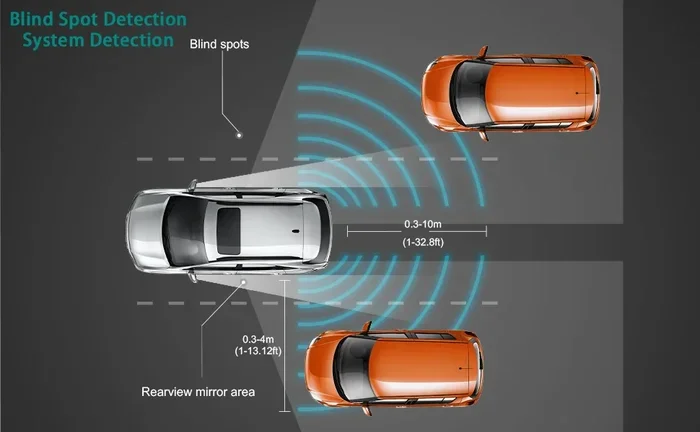
Most modern cars also pair traction control with electronic stability control. Together, these systems help you stay on course. They work hand in hand with your anti-lock braking system (ABS) to keep the car stable. This is especially important when road conditions change quickly.
Why It Matters for Driving Safety
Traction control is not just a luxury feature. It is a safety tool. On wet roads, your tires have less grip. This means there is a higher chance of wheel slippage. Without traction control, your wheels might spin freely. This can cause you to lose control of the car. The system helps prevent that from happening.
Whether you drive a front-wheel drive car, a rear-wheel drive car, or an all-wheel drive vehicle, traction control helps. It works with your tire traction to keep the car moving in the direction you want. This is a big deal when you are driving on wet roads or dealing with traction loss.
When Should You Turn Traction Control Off?
Now that you know what traction control does, let us talk about when to turn it off. The answer is not always straightforward. There are situations where keeping it on is best. And there are other times when traction control off actually helps you.
Situations Where Disabling Helps
Not every situation calls for traction control to be active. Here are some times when turning it off can be useful:
- Deep snow or ice: Sometimes your wheels need to spin to get out of a snowbank. Traction control may stop this from happening. Turning it off lets the wheels rotate freely.
- Muddy or loose gravel roads: When driving off-road, a little wheel spin can help you move forward. Traction control might interfere with this.
- Stuck in sand: If your car is buried in sand, spinning the wheels can help you dig out. Traction control may prevent this.
- Racing or spirited driving: On a track, drivers sometimes turn off traction control for better control during sharp turns and acceleration.
These are valid reasons to disable the system. But notice that rain is not on this list. That is important to remember.
When Keeping It On Is Better
For most everyday driving, keeping traction control on is the smart choice. Here are situations where you should always leave it active:
- Wet roads: Rain makes the road surface slippery. Traction control helps you maintain road surface grip.
- Curves and turns: The system helps with cornering stability. It prevents the car from sliding sideways.
- Light snow or sleet: Even a light coating of snow can be dangerous. Traction control helps you stay in control.
- City driving: Stop-and-go traffic on wet streets is unpredictable. The system adds an extra layer of safety.
In short, if you are driving in any condition where grip is reduced, traction control is your friend. It works with your vehicle stability systems to keep you safe.
Driving With Traction Control Off in the Rain
This is the big question, isn’t it? Is it okay to drive with traction control off in the rain? The short answer is: it is usually not a good idea. But let us look at why in more detail.
The Risk of Hydroplaning
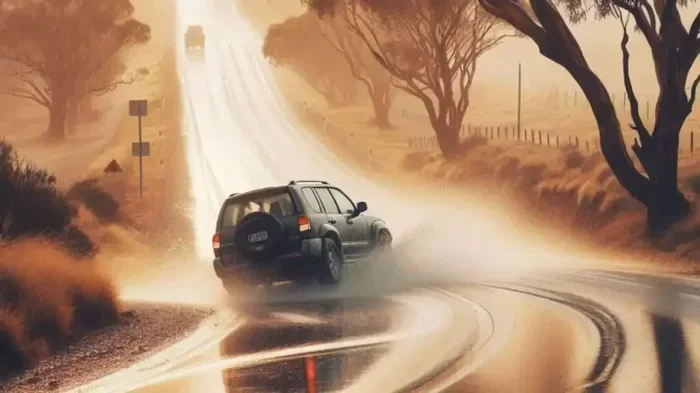
One of the biggest dangers of driving in the rain is hydroplaning. This happens when a layer of water builds up between your tires and the road. Your tires lose contact with the road surface completely. Without traction, your car can slide in any direction.
When traction control is on, the system can help you recover from a hydroplaning event. It detects which wheels are losing grip and adjusts power to the other wheels. This can help you regain vehicle stability and stay on the road. Without it, you are on your own.
Think of it this way. Traction control is like a safety net. When you drive with it off in the rain, you remove that safety net. If your wheels start to slip on a wet road, there is nothing to catch you. The car can slide, spin, or go off course very quickly.
How Wet Roads Affect Tire Traction
Rain changes the road in more ways than one. Here is what happens when it rains:
- Water mixes with oil and dirt: The road becomes extra slippery right after it starts raining. This is the most dangerous time.
- Standing water builds up: Puddles can hide potholes and create a barrier between your tires and the road.
- Tire tread wears down: Older tires have less ability to channel water away. This increases the chance of traction loss.
- Road surface temperature drops: Cool rain on warm pavement can create a thin film of moisture that reduces grip.
All of these factors make driving in the rain risky. And turning off traction control makes it riskier still. The system is designed to handle exactly these kinds of situations. It adjusts power delivery and applies brakes to individual wheels to keep you stable.
What Happens When You Drive With Traction Control Off in the Rain
When you drive with traction control off on wet roads, several things can happen:
- Wheel spin during acceleration: Your wheels may spin freely when you press the gas. This reduces your ability to move forward in a controlled way.
- Loss of direction control: If your rear wheels slip, the back end of the car can swing to the side. This is called oversteer and it is very hard to correct.
- Longer stopping distances: Without the help of traction control, your ABS brakes still work. But the car may not be stable enough to stop in a straight line.
- Increased chance of skidding: Even small bumps in the road or quick steering movements can cause a skid on wet surfaces.
These are serious risks. And they are all avoidable by simply keeping traction control on. Unless you are in a very specific situation, there is no good reason to turn it off in the rain.
Traction Control On vs Off: A Comparison
Let us put this into perspective. Here is a side-by-side look at driving with traction control on versus off in different conditions.
| Condition | Traction Control On | Traction Control Off |
|---|---|---|
| Heavy Rain | Keeps wheels from spinning. Helps maintain control. | Wheels may spin freely. Higher risk of sliding. |
| Light Rain | Provides extra grip and stability. | Generally okay on light rain but still risky. |
| Deep Snow | May prevent wheels from digging in. | Allows wheel spin to help you move forward. |
| Mud or Sand | Can stop wheels from spinning enough to escape. | Lets wheels spin to find grip in loose terrain. |
| Dry Roads | No real benefit. System stays mostly idle. | No real downside. System not needed. |
| Ice Driving | Helps prevent wheel spin and skidding. | Very dangerous. High risk of losing control. |
| Off-Road Trails | May limit your ability to navigate obstacles. | Gives more control over wheel spin. |
As you can see from the table, traction control off in the rain is almost always a bad idea. The only times you should consider disabling it are on loose surfaces like snow, mud, or sand. On wet paved roads, keep it on.
Common Mistakes People Make With Traction Control
There are some mistakes that drivers make all the time when it comes to traction control. Let us look at the most common ones.
Turning It Off and Forgetting to Turn It Back On
This is one of the most common mistakes. You turn off traction control to get unstuck in the snow. And then you forget to turn it back on when you hit the highway. Now you are driving on wet pavement without any skid control assistance. This is dangerous.
Quick Tip: Always make it a habit to check your dashboard after disabling traction control. Most cars have a warning light that stays on when the system is off. Make it a routine to turn it back on as soon as conditions improve.
Thinking Traction Control Can Replace Good Tires
Some drivers think that traction control will keep them safe no matter what. But the system can only work with the grip your tires provide. If your tire traction is poor because of worn-out tread, traction control cannot fix that. Worn tires on wet roads are a serious safety hazard.
Quick Tip: Check your tire tread depth regularly. A simple penny test can tell you if it is time for new tires. Place a penny upside down in the tread. If you can see all of Lincoln’s head, your tires are too worn.
Confusing Traction Control With ABS
Many people mix up traction control and ABS. They are related but different systems. ABS prevents your wheels from locking up when you brake hard. Traction control prevents your wheels from spinning when you accelerate. Both help with driving safety, but they work in different ways.
When you drive with traction control off, ABS still works. So your brakes are still protected. But your acceleration and cornering stability are not. This is an important distinction to understand.
Disabling Traction Control for Every Small Skid
If your car starts to slip, some drivers turn off traction control as a reflex. This is almost never the right move. Traction control is designed to help you recover from skids. Turning it off removes that help when you need it most.
Instead of disabling the system, slow down and steer gently. Let the system do its job. It has sensors and computers that react faster than any human can.
Expert Tips for Safe Driving With or Without Traction Control
Whether you keep traction control on or turn it off in specific situations, there are some best practices every driver should follow. Here are expert tips to keep you safe.
Drive Slower in the Rain
This is the single most important tip. Speed is the enemy of driving safety on wet roads. When you drive slower, you give yourself more time to react. You also give your tires more time to grip the road. Even with traction control on, speeding on wet roads is dangerous.
A good rule of thumb is to reduce your speed by one-third when it is raining. So if the speed limit is 60 mph, drive at about 40 mph in heavy rain. This simple change can save your life.
Increase Your Following Distance
Wet roads mean longer stopping distances. Your ABS brakes will still work, but the road surface grip is lower. This means it takes more distance to stop. Leave extra space between you and the car ahead. This gives you room to react and brake safely.
Experts recommend at least a four-second following distance in the rain. Pick a fixed point on the road. When the car ahead passes it, count to four. If you reach that point before you finish counting, you are too close.
Use Gentle Movements
Smooth steering, smooth braking, and smooth acceleration are the keys to staying in control on wet roads. Jerky movements can cause your wheels to lose grip suddenly. This is true whether traction control is on or off.
- Steer gently: Avoid sharp turns, especially at higher speeds.
- Brake early and lightly: Start slowing down well before you need to stop.
- Accelerate smoothly: Press the gas pedal gently to avoid wheel spin.
Know Your Drivetrain
Your drivetrain type affects how your car handles on wet roads. Here is a quick breakdown:
- Front-wheel drive: The front wheels handle both steering and power. Traction control helps prevent the front wheels from spinning under acceleration.
- Rear-wheel drive: The rear wheels push the car forward. Without traction control, the rear can slide more easily on wet roads.
- All-wheel drive: Power goes to all four wheels. This provides better overall road surface grip, but traction control still helps with stability.
Understanding your drivetrain helps you know what to expect when road conditions change. It also helps you make better decisions about when to keep traction control on or off.
Keep Your Tires in Good Shape
Your tires are the only part of your car that touches the road. Their condition directly affects your tire traction and driving safety. Make sure your tires are properly inflated and have enough tread depth. Replace them when they wear down.
Also consider the type of tires you use. All-season tires work well in most conditions. But if you live in an area with heavy rain or snow, dedicated rain or winter tires can make a big difference. They are designed to channel water away and maintain grip on slippery surfaces.
Conclusion
So, is it okay to drive with traction control off in the rain? For most drivers, in most situations, the answer is no. Traction control is a vital safety system. It helps you maintain vehicle stability and road surface grip when the roads are wet. Turning it off removes a layer of protection that could save your life.
There are specific situations where disabling traction control makes sense. Deep snow, mud, and sand are examples. But rain is not one of them. The risks of hydroplaning, wheel slippage, and loss of control are too high on wet roads.
Keep your traction control on during rainy weather. Drive slower, leave more space, and make gentle movements. These simple steps, combined with your car’s smart systems, will help you arrive safely. Remember, driving safety is always about having the right tools and using them correctly. Traction control is one of those tools. Let it do its job and enjoy a safer ride, rain or shine.
Frequently Asked Questions
Can I drive with traction control off in light rain?
Even in light rain, it is best to keep traction control on. Light rain mixes with road oil to create a slippery surface. The system helps maintain tire traction and prevents unexpected wheel spin. Keeping it on adds a layer of safety in any wet condition.
Will turning off traction control damage my car?
No, turning off traction control will not damage your car. The system is designed to be toggled on and off. However, driving without it on slippery roads increases your risk of accidents. Always re-enable it when conditions improve for driving safety.
Does traction control work with all-wheel drive vehicles?
Yes, traction control works with all drivetrain types. In an all-wheel drive vehicle, the system distributes power to the wheels that have the most grip. This helps maintain vehicle stability and prevents traction loss on slippery surfaces like wet roads or light snow.
What is the difference between traction control and electronic stability control?
Traction control prevents wheel spin during acceleration. Electronic stability control helps you maintain control during sharp turns or sudden maneuvers. Both systems work together with your ABS brakes to keep the car stable and safe on the road.
Should I turn off traction control when driving in snow?
It depends on the situation. In deep snow or when stuck, turning off traction control can help your wheels spin and dig out. But for normal snow driving, keeping it on is safer. The system helps prevent wheel slippage and maintains cornering stability on icy and snowy roads.
How do I know if my traction control is on or off?
Most cars have a warning light on the dashboard. When traction control is off, the light will stay illuminated. Check your owner’s manual to find the specific symbol for your car. Always make sure the system is back on before driving on wet or slippery roads.