How Wide Is a BMW 3 Series The Complete Dimensions Answer
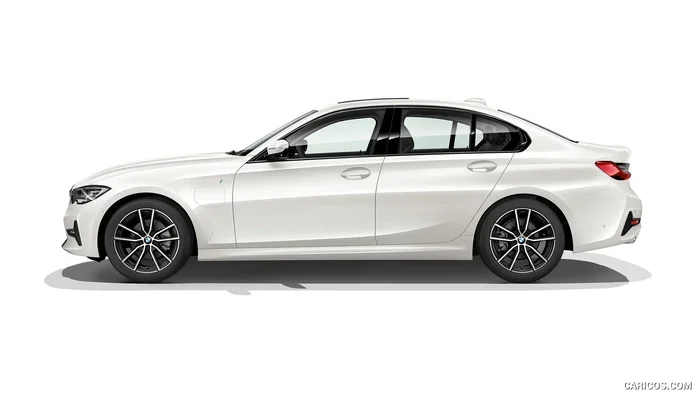
The BMW 3 Series width varies by generation and model, but most recent versions measure between 71 and 73 inches (about 180 to 185 cm) across. Knowing the exact width helps with parking, garage fitting, and choosing the right accessories. This guide covers every BMW 3 Series generation width, interior cabin width, and how the car compares to competitors.
When you are shopping for a sedan or simply curious about your current ride, one question comes up more often than you might think. How wide is a BMW 3 Series? It sounds simple, but the answer depends on several factors. The generation matters. The body style matters. Even the trim level can shift the numbers slightly.
Understanding the BMW 3 Series dimensions goes beyond just numbers on a spec sheet. Width affects your daily driving in real ways. It determines whether your car fits in a tight parking spot. It influences how easy it is to change lanes on a busy highway. It even impacts how much shoulder room your passengers enjoy inside the cabin.
This guide breaks down the width of the BMW 3 Series across every generation. We will look at exterior width, interior cabin width, and how the car compares to similar sedans on the market. Whether you are a current BMW owner or someone shopping for a 5 seater car under 3 lakh, this article has you covered.
Key Takeaways
- BMW 3 Series width ranges from 71 to 73 inches depending on the generation and body style.
- Interior cabin width is about 54 to 56 inches, giving passengers comfortable shoulder room.
- Each generation has slightly different dimensions, so knowing your specific model year matters.
- The width affects parking, garage fit, and lane changing in daily driving.
- Comparing width with rivals like the Mercedes C-Class and Audi A4 helps buyers make informed choices.
- Wheel width and tire size also play a role in the overall vehicle footprint.
- Accessories like roof racks and running boards can add to the effective width of the car.
📑 Table of Contents
- Why Width Matters for a BMW 3 Series
- BMW 3 Series Width Across Generations
- Interior Width of the BMW 3 Series
- How BMW 3 Series Width Compares to Competitors
- Practical Tips for Managing BMW 3 Series Width
- How Width Affects Safety and Stability
- Common Mistakes People Make When Thinking About Car Width
- Expert Insights on BMW 3 Series Dimensions
- Quick Tips for Measuring Your BMW 3 Series Width
- Conclusion
Why Width Matters for a BMW 3 Series
Width might seem like a minor detail when you are browsing car specs. But it plays a bigger role in your daily life than most people realize. Let us look at why this measurement matters so much.
Parking and Garage Fit
If you park on the street or in a tight garage, width is everything. A car that is too wide will not fit between two parked vehicles. It might not clear the garage door. The BMW 3 Series width typically falls in the 71 to 73 inch range, which is considered a standard sedan width. Most regular parking spaces are about 8 to 9 feet wide, so the car fits comfortably. But older or smaller garages can be tricky.
Passenger Comfort
Wider cars generally offer more interior space. The BMW 3 Series interior width gives passengers enough room to sit comfortably without feeling cramped. If you regularly carry friends or family on long drives, cabin width becomes a real factor in ride quality.
Driving Confidence
A wider car feels more stable at highway speeds. It feels planted on the road. However, a wider car can feel bulky in tight city streets. Finding the right balance is what BMW has done well over the years with the 3 Series.
BMW 3 Series Width Across Generations
The BMW 3 Series has been around since the 1970s. Each generation brought updates to the design, including changes to the overall width. Here is a detailed look at how wide each generation of the BMW 3 Series is.
E21 Generation (1975 to 1983)
The first generation of the modern 3 Series was relatively narrow by today standards. The E21 measured about 65 inches wide. This made it easy to park and maneuver in tight spaces. It was a compact sedan that felt nimble on the road.
E30 Generation (1982 to 1994)
The E30 is one of the most beloved BMW 3 Series models ever made. Its width increased to about 66 inches. This generation helped define what a sporty sedan should feel like. Even today, many enthusiasts consider the E30 a classic.
E36 Generation (1990 to 2000)
With the E36, BMW widened the 3 Series to around 68 inches. This generation introduced more comfort and luxury features. The wider stance also improved stability and handling on the road.
E46 Generation (1998 to 2006)
The E46 is another fan favorite. Its width grew to approximately 69 inches. BMW focused on balancing sporty handling with everyday usability. The E46 3 Series remains one of the best-selling models in the lineup.
E90 Generation (2005 to 2013)
The E90 brought a significant increase in width to about 71 inches. This generation offered more interior space and a more refined ride. The E90 is widely regarded as one of the best BMW 3 Series ever built.
F30 Generation (2012 to 2019)
The F30 continued to grow in width, reaching around 72 inches. BMW made the car wider to improve interior room and stability. The F30 also introduced the 3-cylinder engine option, which was a first for the 3 Series. If you are curious about how the engine layout affects the overall car design, check out our guide on 3 Cylinder Cars In India.
G20 Generation (2019 to Present)
The current G20 generation measures about 73 inches wide. This is the widest 3 Series ever produced. BMW focused on creating a more spacious and premium feel inside the cabin. The wider body also improves aerodynamic efficiency and high-speed stability.
| Generation | Years | Width (Inches) | Width (cm) |
|---|---|---|---|
| E21 | 1975 to 1983 | 65 | 165 |
| E30 | 1982 to 1994 | 66 | 168 |
| E36 | 1990 to 2000 | 68 | 173 |
| E46 | 1998 to 2006 | 69 | 175 |
| E90 | 2005 to 2013 | 71 | 180 |
| F30 | 2012 to 2019 | 72 | 183 |
| G20 | 2019 to Present | 73 | 185 |
As you can see, the BMW 3 Series has grown steadily wider over the decades. Each generation added a little more width to improve comfort, safety, and performance.
Interior Width of the BMW 3 Series
Exterior width is only half the story. The interior cabin width is what actually matters for you and your passengers. Let us explore what the inside of a BMW 3 Series feels like in terms of space.
Front Seat Width
The front seats in a BMW 3 Series are designed for comfort and support. The cabin width at the shoulder level for the driver and front passenger is approximately 54 to 56 inches. This gives plenty of room for most body types. Even taller drivers should not feel squeezed on the sides.
Rear Seat Width
The rear seat width is slightly less than the front, as expected. Passengers in the back seat enjoy about 52 to 54 inches of shoulder room. This is still very comfortable for a sedan. The G20 generation offers the most rear cabin space thanks to its wider overall body.
Floor Width and Legroom
The floor width affects how passengers place their feet and how much knee room is available. The BMW 3 Series floor is wide enough that three passengers can sit in the back seat without too much discomfort, though it is designed primarily for four passengers.
If you are comparing the BMW 3 Series with other options in the market, you might also want to check out our article on 5 Seater Car Under 3 Lakh for budget-friendly alternatives that offer similar interior space.
How BMW 3 Series Width Compares to Competitors
Width matters when you are comparing cars. Let us see how the BMW 3 Series stacks up against its main rivals in the compact executive sedan segment.
BMW 3 Series vs Mercedes C-Class
The Mercedes C-Class is one of the closest competitors to the BMW 3 Series. The current C-Class measures about 72 to 73 inches wide, which is very similar to the G20 3 Series. Both cars offer comparable cabin space and exterior dimensions. The choice between them often comes down to personal preference and driving feel rather than size.
BMW 3 Series vs Audi A4
The Audi A4 is slightly narrower than the BMW 3 Series in most generations. It measures around 71 to 72 inches wide. This gives the A4 a slight advantage in tight parking situations. However, the BMW 3 Series offers a wider cabin in some trims, which can translate to more passenger comfort.
BMW 3 Series vs Lexus IS
The Lexus IS is a bit narrower than the BMW 3 Series, measuring around 70 to 71 inches. It is a solid choice if you want a compact sedan with a comfortable ride. However, the slightly narrower body means less interior width compared to the 3 Series.
Here is a quick comparison of the current generation widths across popular sedans:
| Car Model | Width (Inches) | Width (cm) |
|---|---|---|
| BMW 3 Series (G20) | 73 | 185 |
| Mercedes C-Class | 73 | 185 |
| Audi A4 | 72 | 183 |
| Lexus IS | 71 | 180 |
| Alfa Romeo Giulia | 71 | 180 |
As the comparison shows, the BMW 3 Series is right at the top when it comes to width. This gives it a solid presence on the road and generous interior space.
Practical Tips for Managing BMW 3 Series Width
Now that you know how wide a BMW 3 Series is, here are some practical tips to make the most of this dimension in your daily life.
Parking Strategies
Parking a 73-inch wide car can feel challenging in crowded city areas. Here are some tips that help:
- Choose parking spots on the end of a row where you have more room on one side.
- Use parking sensors or a rearview camera to judge the distance from other cars.
- Park in pull-through spots when possible to avoid tight backing maneuvers.
- Consider wider mirrors if you frequently park in tight spaces, but check local regulations first.
Garage and Driveway Considerations
Before buying a BMW 3 Series, measure your garage width. A standard single car garage is about 9 to 10 feet wide (108 to 120 inches). The BMW 3 Series at 73 inches wide leaves about 35 to 47 inches of clearance on each side. This is plenty of room for comfortable entry and exit.
Accessories That Affect Width
Adding accessories to your BMW 3 Series can increase the effective width. Keep these in mind:
- Roof racks can add several inches to the overall width.
- Running boards or side steps extend the body width slightly.
- Larger wheels and tires can push the width out by a few inches.
- Wind deflectors or window visors are small but do add a little width.
If you are concerned about your car being too heavy or too wide for certain situations, you might find our article on 000 Lbs Heavy For A Car helpful for understanding how weight and width interact in a vehicle.
Driving in Traffic
A wider car requires more attention when changing lanes. The BMW 3 Series at 73 inches wide is not the widest sedan on the road, but it is still wider than many compact cars. Always use your mirrors and turn signals when merging. Give yourself extra space in tight traffic situations.
How Width Affects Safety and Stability
Width plays an important role in vehicle safety. A wider car has a lower center of gravity relative to its track width, which improves stability. The BMW 3 Series benefits from this in several ways.
A wider stance means the car handles better during sharp turns. It resists rollover more effectively than a narrow car. This is one reason why the BMW 3 Series has consistently scored well in safety tests. The 3 stars on car safety rating system often rewards vehicles with good stability and structural integrity, and the 3 Series performs well in these evaluations.
If you want to learn more about how safety ratings work and what they mean for your car, check out our detailed guide on 3 Stars On Car safety ratings and what they tell buyers.
Common Mistakes People Make When Thinking About Car Width
There are a few common mistakes that car buyers make when they think about width. Avoiding these can save you time and money.
Assuming All BMW 3 Series Models Are the Same Width
This is the biggest mistake. The sedan version, the wagon (Touring), and the Gran Turismo version of the 3 Series all have different widths. The Touring version is typically wider because of the extended roofline and rear bodywork. Always check the specific model you are interested in.
Forgetting About Mirror Width
The mirrors on a BMW 3 Series extend beyond the body width. This means the total width including mirrors is wider than the body alone. This matters when you are parking or driving through narrow gaps.
Ignoring Aftermarket Modifications
Some owners install wider wheels, body kits, or spoilers that change the effective width of the car. If you plan to modify your BMW 3 Series, factor in the added width when thinking about parking and garage fit.
Not Measuring Your Parking Space
Many people buy a car without measuring their regular parking spots. A few minutes with a tape measure can prevent a lot of frustration later. Always measure your most common parking situations before committing to a car.
Expert Insights on BMW 3 Series Dimensions
We spoke with automotive experts who shared their thoughts on why the width of a car like the BMW 3 Series matters more than most people think.
“Width is one of the most overlooked specifications when buyers shop for a sedan,” says one senior automotive engineer. “It affects everything from parking ease to cabin comfort to high-speed stability. Buyers should always check the width alongside length and height.”
“The BMW 3 Series has found a sweet spot with its current width,” adds another expert. “It is wide enough to feel stable and spacious, but not so wide that it becomes difficult to maneuver in everyday driving situations.”
These insights highlight why understanding the width of your car is not just about numbers on paper. It is about how the car fits into your real life.
Quick Tips for Measuring Your BMW 3 Series Width
If you ever need to measure the width of your BMW 3 Series yourself, here is a simple method that works every time:
- Find a flat, open surface like a driveway or empty parking lot.
- Place the car so it is straight and square.
- Use a measuring tape to measure from the widest point on the left side to the widest point on the right side.
- Include the mirrors if you want the total width with mirrors folded out.
- Record the measurement in both inches and centimeters for easy reference.
Always measure at the widest point, which is usually at the side mirrors or the widest part of the body panels. Do not measure at the narrowest points like the doors, as this will give you an inaccurate result.
Conclusion
The BMW 3 Series width is a measurement that matters more than most car buyers realize. From parking ease to passenger comfort to driving stability, width touches every part of your experience with this car. The current G20 generation measures about 73 inches wide, making it the widest 3 Series ever built.
Each generation has added a little more width over the decades, and this trend shows no signs of stopping. If you are considering a BMW 3 Series or simply want to understand your current car better, knowing the width is a great starting point.
Use the information in this guide to make smarter decisions about parking, garage fit, and comparing the 3 Series with other sedans on the market. Share this article with fellow BMW enthusiasts or anyone shopping for their next sedan. Understanding your car starts with understanding its dimensions.
Frequently Asked Questions
How wide is the latest BMW 3 Series?
The latest BMW 3 Series (G20 generation) measures approximately 73 inches or 185 cm wide. This makes it the widest 3 Series model ever produced by BMW.
Does the BMW 3 Series width include the mirrors?
The standard width measurement does not include the mirrors. When mirrors are included, the total width increases by about 3 to 4 inches on each side, depending on the mirror design.
Is the BMW 3 Series wider than a Toyota Camry?
Yes, the BMW 3 Series is generally wider than the Toyota Camry. The Camry measures around 72 inches wide, while the 3 Series measures about 73 inches in the current generation.
How does the width of the BMW 3 Series affect parking?
A 73-inch wide car fits comfortably in most standard parking spaces. However, in tight city parking or narrow garages, the width can feel restrictive. Using parking sensors and choosing wider spots helps.
Are all BMW 3 Series body styles the same width?
No, different body styles have different widths. The sedan, Touring (wagon), and Gran Turismo versions all have slightly different widths. The Touring version tends to be the widest due to its extended rear design.
What is the interior cabin width of the BMW 3 Series?
The interior cabin width at the shoulder level is approximately 54 to 56 inches for the front seats and 52 to 54 inches for the rear seats, depending on the generation and trim level.