How Do I Turn On Adaptive High Beam Assist For Visibility
Adaptive High Beam Assist is a smart headlight feature that automatically switches between high and low beams to keep you visible without blinding other drivers. This guide walks you through exactly how to turn on Adaptive High Beam Assist in most modern vehicles, including common dashboard steps and troubleshooting tips. Whether you drive a BMW, Mercedes, Audi, or another brand, you will find clear instructions to boost your nighttime driving safety and road illumination today.
Driving at night can be stressful. Dark roads, sharp curves, and oncoming headlights all make it harder to see what lies ahead. That is where Adaptive High Beam Assist comes in. This clever driver-assistance feature takes the guesswork out of switching between high and low beams, giving you better nighttime driving visibility without bothering other drivers.
You might be wondering, how do I turn on Adaptive High Beam Assist? The good news is that most modern vehicles make it simple. Whether you drive a sedan, SUV, or truck, the process is usually just a few button presses. In this guide, we will walk you through every step, explain how the technology works, and share tips to get the most out of your adaptive lighting system. By the end, you will feel confident flipping on your smart headlights and enjoying safer night drives.
Let us start with the basics. Understanding what Adaptive High Beam Assist actually does will help you appreciate why turning it on matters so much for your daily commute or long road trips.
Key Takeaways
- Easy Activation: Most vehicles let you turn on Adaptive High Beam Assist through a simple dashboard button or steering wheel control.
- Better Night Visibility: The system automatically switches between high and low beams, improving driver visibility without dazzling oncoming traffic.
- Wide Vehicle Compatibility: Many luxury and mainstream brands offer this feature, including BMW, Mercedes-Benz, Audi, and Toyota.
- Sensor-Based Technology: Cameras and light sensors detect oncoming vehicles and adjust your headlights instantly.
- Troubleshooting Is Simple: Common issues like a faulty sensor or dashboard warning light can often be resolved with basic checks.
- Safety Boost: Using Adaptive High Beam Assist significantly reduces nighttime accident risk by improving road illumination.
📑 Table of Contents
What Is Adaptive High Beam Assist?
Adaptive High Beam Assist is an advanced headlight system found in many newer vehicles. Unlike traditional high beams that stay on until you manually switch them off, this smart feature automatically adjusts your headlight range based on surrounding traffic conditions.
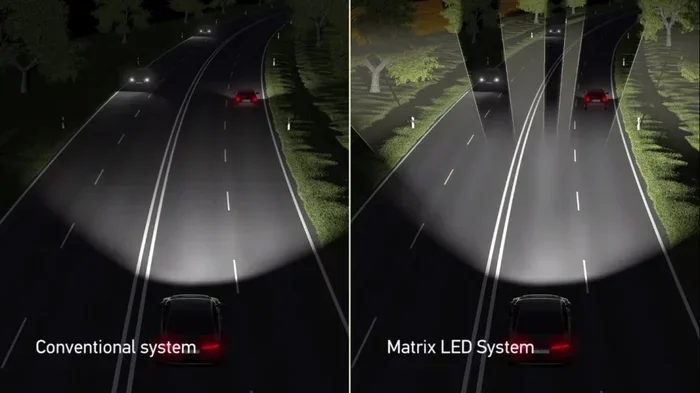
Here is how it works in simple terms. A camera or sensor mounted near your rearview mirror scans the road ahead. When it detects oncoming traffic or vehicles in front of you, the system dims your high beams to low beams. Once the road clears, it switches back to high beams automatically. You do not need to touch a single button during all of this.
The result is continuous road illumination without causing glare for other drivers. This sensor-based lighting technology uses a combination of light sensors and image recognition to make real-time decisions about your headlight beam setting.
How the Sensors Work
Most adaptive headlights rely on a forward-facing camera or radar sensor. These components constantly monitor the road for light sources from other vehicles. When the system spots headlights from an oncoming car or taillights from a vehicle ahead, it sends a signal to the headlight control module. The module then dims or brightens your beams within fractions of a second.
Some systems use LED headlights or xenon headlights because they can adjust brightness levels more precisely. This makes the transition between high and low beams smoother and less noticeable to other drivers on the road.
Why Adaptive High Beam Assist Matters for Night Driving
Nighttime driving presents unique challenges. Your driver visibility drops significantly once the sun goes down. According to the National Highway Traffic Safety Administration, fatal crashes are more likely to occur at night than during the day. Better lighting directly reduces this risk.
Here are the key reasons why Adaptive High Beam Assist is a game-changer for night driving visibility:
- Improved Road Illumination: High beams light up the road much farther ahead than low beams. With the adaptive system, you get to use high beams more often without worrying about blinding others.
- Reduced Driver Fatigue: Straining to see in the dark is exhausting. Better illumination means less eye fatigue on long night drives.
- Automatic Glare Reduction: The system handles the switching for you, so you can keep your eyes on the road instead of fumbling with a lever.
- Faster Reaction Time: Seeing obstacles, pedestrians, or animals earlier gives you more time to react safely.
- Better Peripheral Awareness: Smart headlights light up the edges of the road, helping you spot things you might otherwise miss.
Simply put, turning on Adaptive High Beam Assist is one of the easiest ways to improve your nighttime driving safety. It is a small change that makes a big difference.
How to Turn On Adaptive High Beam Assist
Now for the part you have been waiting for. How do I turn on Adaptive High Beam Assist? The exact steps vary slightly depending on your vehicle brand and model, but the general process is quite similar across most cars. Let us break it down.
Step-by-Step Activation Guide
Follow these steps to activate your adaptive high beam system:
- Start your vehicle and make sure the engine is running.
- Turn on your low beam headlights using the regular headlight switch or dial. The adaptive system usually only works when your headlights are already on.
- Locate the Adaptive High Beam button. This is typically found on the steering wheel, the turn signal lever, or the dashboard control panel. Look for an icon that resembles a headlight with curved lines or the letters “AHB” or “ADB.”
- Press the button. A dashboard indicator light will turn on, confirming the system is active. The light is usually blue or green and shows a headlight symbol.
- Drive and observe. The system will now automatically switch between high and low beams based on traffic conditions around you.
Brand-Specific Instructions
Different brands place the controls in different spots. Here are some common examples:
- BMW: Look for the Adaptive High Beam button on the turn signal lever. Press it once to activate. The system works with LED headlights and xenon headlights on most BMW models.
- Mercedes-Benz: Use the steering wheel controls to access the Driving Assistance menu. Select Adaptive High Beam Assist from the options. The dashboard display will confirm activation.
- Audi: Audi vehicles often use the MMI system. Navigate to the Lighting settings and toggle Adaptive High Beam Assist on. Some Audi models also have a dedicated button near the light stalk.
- Toyota and Lexus: These brands may refer to the feature as Automatic High Beam or Blade Scanner Adaptive High Beam. Look for a button on the dashboard near the headlight controls.
- Ford and Lincoln: Ford vehicles often include this feature under the Ford Co-Pilot360 suite. Check your steering wheel controls or the instrument cluster for the adaptive beam setting.
No matter what you drive, your vehicle owner manual is the best place to confirm the exact steps. It will also tell you which dashboard controls correspond to your specific model.
Which Vehicles Offer Adaptive High Beam Assist?
Adaptive High Beam Assist is no longer limited to luxury vehicles. Many mainstream automakers now include this driver-assistance feature as standard or optional equipment. Here is a quick look at which brands and models commonly offer it.
Luxury Brands
Premium brands were among the first to adopt smart headlights technology. BMW, Mercedes-Benz, Audi, and Lexus have offered versions of this system for years. In these vehicles, the adaptive high beam system often works hand-in-hand with other vehicle safety technology features like adaptive cruise control and lane-keeping assist.
Mainstream Brands
Today, you can find adaptive lighting systems in vehicles from Toyota, Honda, Ford, Hyundai, Kia, and even some budget-friendly models. As LED headlight technology has become more affordable, automakers have been able to include these smart features in a wider range of vehicles.
Aftermarket Options
What if your older vehicle does not have factory-installed Adaptive High Beam Assist? There are aftermarket adaptive headlight kits available that can be installed. These kits typically include a camera module and a control unit that interfaces with your existing headlight wiring. However, professional installation is recommended to ensure everything works correctly and safely.
Common Issues and Troubleshooting
Like any electronic system, your adaptive high beam system can occasionally experience issues. If the feature is not working as expected, here are some common problems and what you can do about them.
The System Will Not Turn On
If pressing the Adaptive High Beam Assist button does nothing, start with the basics. Make sure your low beam headlights are on. The adaptive system typically requires low beams to be active first. Also check that your vehicle is not in a mode that disables driver-assistance features, such as a sport or off-road mode.
Dashboard Warning Light Flashes
A flashing or blinking warning light usually indicates a sensor issue. The camera or sensor that monitors the road may be dirty or obstructed. Try cleaning the area near your rearview mirror where the forward-facing camera is located. If the light stays on, have a headlight control module diagnostic check performed by a qualified mechanic.
Beams Do Not Switch Automatically
If your beams stay on high or low and do not switch, the sensor might be blocked by dirt, snow, or ice. Weather conditions can temporarily disable the system until the sensor is clear again. Also, some vehicles require a minimum speed for the adaptive system to activate, usually around 25 to 40 miles per hour.
System Turns Off Unexpectedly
Sometimes the system deactivates on its own. This can happen if the camera sensor loses its connection or if there is an electrical issue. A blown fuse related to the headlight circuit could also cause this. Check your fuse box and consult your owner manual for guidance.
Tips to Get the Most Out of Adaptive High Beam Assist
Once you know how to turn on Adaptive High Beam Assist, a few simple tips will help you get the best results every time you drive at night.
Keep Your Sensors Clean
The camera and sensors that power your adaptive lighting system need a clear view of the road. Make it a habit to clean the area near your rearview mirror whenever you wash your windshield. In winter, clear snow and ice from this area before driving.
Use Quality Headlight Bulbs
Your adaptive high beam system works best with well-maintained headlights. Replace bulbs in pairs to ensure even lighting. If your vehicle uses LED headlights, make sure the LED modules are functioning properly. Dim or flickering headlights can confuse the sensor and reduce the system effectiveness.
Understand the Limitations
Adaptive High Beam Assist is a helpful tool, but it is not perfect. Heavy rain, fog, and snow can interfere with the sensors. In these conditions, the system may not switch beams correctly. Use your judgment and switch to low beams manually when weather conditions make the adaptive system less reliable.
Combine with Other Safety Features
For the best nighttime driving safety, use your adaptive high beam system alongside other driver-assistance features like lane departure warning, automatic emergency braking, and blind-spot monitoring. Together, these technologies create a comprehensive safety net for your night drives.
Regular Maintenance Checks
Include your headlight control module and sensors in your regular vehicle maintenance routine. A professional inspection can catch potential issues before they become problems. Ask your mechanic to check the adaptive lighting system during oil changes or scheduled service visits.
Conclusion
Adaptive High Beam Assist is one of the most practical and easy-to-use safety features available in modern vehicles. It gives you better road illumination, reduces driver fatigue, and keeps you and others safe on dark roads. Turning it on is simple, and once you experience the difference, you will wonder how you ever drove without it.
Remember the steps. Turn on your low beams, find the Adaptive High Beam Assist button, press it, and confirm the dashboard indicator. Keep your sensors clean, maintain your headlights, and understand the system limitations. With these habits in place, you will enjoy safer, more confident night driving every time you get behind the wheel.
Take a moment today to locate the Adaptive High Beam Assist controls in your vehicle. Try it on your next evening drive and feel the difference in driver visibility and comfort. Small features like this can make a big impact on your overall driving experience and safety.
Frequently Asked Questions
Can I turn on Adaptive High Beam Assist while driving?
Yes, you can activate the system while driving in most vehicles. Simply press the button when your low beams are on and the vehicle is moving. The system will immediately begin adjusting your headlight beams based on surrounding traffic conditions.
Does Adaptive High Beam Assist work in all weather conditions?
Not always. Heavy rain, fog, and snow can interfere with the sensors that the system relies on. In poor weather, the adaptive system may not switch beams correctly. It is best to use low beams manually during heavy fog or intense rain for the safest results.
Will using Adaptive High Beam Assist drain my battery?
No. The system uses minimal power because it relies on existing headlight circuits and small sensors. LED-based adaptive headlights are especially energy-efficient. You should not notice any impact on your vehicle battery or fuel economy.
What is the difference between automatic high beam and Adaptive High Beam Assist?
Automatic high beam simply switches between high and low beams based on light sensors detecting other vehicles. Adaptive High Beam Assist goes a step further by using cameras and more advanced sensors to create a more precise and responsive beam pattern, often dimming only specific sections of the light rather than switching the entire beam off.
Can I install Adaptive High Beam Assist in an older vehicle?
Yes, aftermarket adaptive headlight kits are available and can be installed on older vehicles. However, professional installation is strongly recommended to ensure proper wiring, sensor placement, and compatibility with your vehicle electrical system.
Is Adaptive High Beam Assist available on all new cars?
No, it is not universal yet. Many luxury and mid-range vehicles offer it as standard or optional equipment, but it is less common in budget vehicles. Check your vehicle specifications or owner manual to confirm whether your car includes this feature.