How Do I Disable the Collision Mitigation System Safely
Knowing how to disable the collision mitigation system is important for drivers who need temporary control over their vehicle’s safety features. Whether you are dealing with false alerts, towing a trailer, or navigating tight spaces, this guide walks you through every step safely. We cover the reasons, methods, risks, and best practices so you can make informed decisions about your car’s safety settings.
Modern cars come packed with smart safety features designed to keep you alive on the road. One of the most important of these is the collision mitigation system. This system uses sensors, cameras, and software to watch the road ahead. When it detects a potential crash, it can warn you or even apply the brakes automatically.
But what happens when this helpful system becomes a nuisance? Maybe you are towing a trailer and the system keeps braking for no reason. Perhaps you are driving through a construction zone full of false alarms. Or maybe you just want more direct control over your vehicle. Whatever the reason, many drivers ask the same question — how do I disable the collision mitigation system?
This guide answers that question in full detail. We will walk you through every method, explain what happens when you turn it off, and share tips to stay safe. Whether you drive a Honda, Toyota, Ford, or another brand, you will find useful information here. Let us dive in.
Key Takeaways
- Disabling the collision mitigation system is possible on most modern vehicles through simple settings or button combinations.
- False alerts and sensor interference are the top reasons drivers seek to turn off this feature.
- Always re-enable the system when driving in normal conditions to maintain full accident protection.
- The process varies by vehicle brand and model, so check your owner’s manual first.
- Disabling the system does not turn off your dashboard warning lights — you will still see alerts if the sensor detects an issue.
- Towing, off-road driving, and tight parking situations are common scenarios where temporary disabling makes sense.
📑 Table of Contents
- What Is a Collision Mitigation System?
- Why Do People Want to Disable the Collision Mitigation System?
- How to Disable the Collision Mitigation System Safely
- What Happens When You Turn Off Collision Mitigation?
- Common Mistakes When Disabling Safety Features
- When Should You Re-Enable the Collision Mitigation System?
- Expert Tips for Managing Your Collision Mitigation System
- Is It Legal to Disable the Collision Mitigation System?
- Frequently Asked Questions
- Final Thoughts
What Is a Collision Mitigation System?
Before we talk about disabling anything, let us understand what we are working with. The collision mitigation system is an advanced driver assistance feature, or ADAS for short. It is part of a broader group of active safety systems found in modern vehicles.
Here is how it works in simple terms:
- A radar sensor sits in the front of your car, usually behind the grille.
- A camera is mounted near the rearview mirror. It watches the road ahead.
- The control unit processes data from both sensors in real time.
- If a crash seems likely, the system gives you a warning first. Then it may apply the brakes on its own.
Different car makers call this feature by different names. Honda calls it CMBS, which stands for Collision Mitigation Braking System. Other brands use terms like pre-collision system, forward collision warning, or auto emergency braking. They all serve a similar purpose — to help you avoid or reduce the severity of a crash.
The system is designed to act as a second set of eyes. It never gets tired, distracted, or distracted by a phone call. That is its biggest strength. But that same strength can sometimes become a weakness in certain driving situations.
Why Do People Want to Disable the Collision Mitigation System?
It is not unusual for drivers to want to turn off their collision mitigation system. There are several valid reasons for this. Let us look at the most common ones.
False Alerts and Sensor Malfunctions
This is the number one reason people look for a way to disable the collision mitigation system. The sensors can get confused by certain road conditions. Heavy rain, snow, fog, or bright sunlight can all cause false readings. The system might suddenly slam on the brakes for no real danger. This is not just annoying — it can be dangerous if the car behind you does not expect it.
Towing and Hauling
If you pull a trailer or carry a heavy load in your truck bed, the sensors can get fooled. The system might see the trailer as an obstacle and try to brake. This happens a lot with Honda collision mitigation systems, especially in CR-V and Accord models. Disabling the system while towing makes the driving experience much smoother.
Off-Road and Rough Terrain Driving
Driving on dirt roads, gravel, or uneven terrain can trigger constant warnings. The sensors are designed for paved roads. They are not great at picking up rocks, ruts, or loose gravel as potential hazards. In these cases, turning off the forward collision warning and auto braking features helps a lot.
Traffic Jams and Stop-and-Go Driving
Some drivers find the constant braking in heavy traffic exhausting. The system keeps nudging the brakes even when you are already stopped or moving very slowly. This can make the drive more stressful rather than less.
Aftermarket Modifications
Drivers who install aftermarket bumpers, grilles, or bull bars sometimes find that the safety sensor gets blocked or misaligned. This leads to persistent warnings or system errors. Temporarily disabling the system is a common workaround until the sensors are properly recalibrated.
How to Disable the Collision Mitigation System Safely
Now we get to the main question. The method to turn off collision mitigation depends on your vehicle brand and model. Below are the most common approaches used across different manufacturers.
Method 1: Using the Dashboard or Infotainment Settings
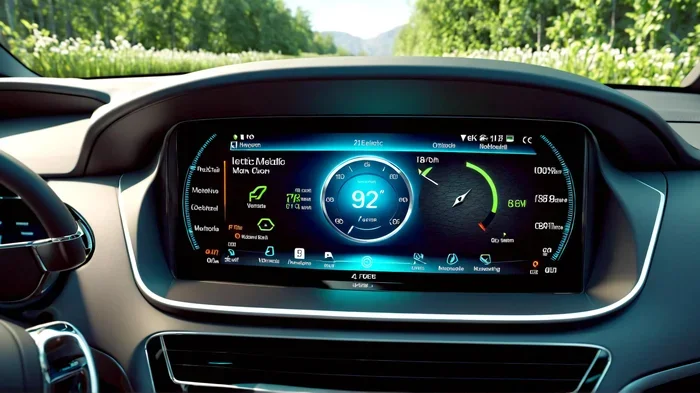
Many newer vehicles let you toggle the collision mitigation system on and off through the settings menu. Here is a general step-by-step process:
- Start your vehicle and sit in the driver’s seat.
- Press the settings button on your dashboard or infotainment screen.
- Look for a section called “Driver Assistance,” “Safety,” or “ADAS.”
- Find the option for collision mitigation or collision mitigation braking.
- Toggle it off and confirm your choice.
On some vehicles, you may need to scroll through several menus. Take your time and do not rush. If you cannot find the option, check your owner’s manual or search online for your specific model.
Method 2: Using a Dedicated Button
Some cars have a physical button to disable the collision mitigation system. On Honda vehicles, for example, there is often a CMBS button located near the steering wheel. It is usually on the left side of the steering column. Pressing it once turns the system off. A light on the dashboard will confirm it is disabled.
Toyota vehicles with a pre-collision system may have a dedicated button near the gear shifter. Ford models with auto brake assist often include a steering wheel-mounted control. Always look for a button with an icon that looks like a car hitting something or a vehicle with wavy lines in front of it.
Method 3: Using the Steering Wheel Controls
Several manufacturers place the collision mitigation toggle on the steering wheel. This makes it easy to access while driving. Look for a button labeled “CMBS,” “FCW,” or “Auto Brake” near the left spoke of the steering wheel. A quick press usually cycles through on and off modes.
Method 4: Using the Vehicle App or Connect Services
Some newer cars let you control safety features through a smartphone app. If your vehicle supports this, you can disable the collision mitigation system remotely before you even get in the car. Check your manufacturer’s app for a “Safety Settings” or “Driver Assistance” section.
Brand-Specific Quick Guides
Here is a quick look at how to turn off the system on popular brands:
- Honda: Press the CMBS button on the left side of the steering column. The system icon on the dashboard will change to show it is off.
- Toyota: Go to Settings > Driver Assistance > Pre-Collision System and toggle it off.
- Ford: Use the steering wheel controls to access the collision warning settings and turn off auto braking.
- Hyundai: Navigate to Settings > Smart Safety > Forward Collision Avoidance and disable it.
- Nissan: Press the Intelligent Cruise Control button and look for the forward emergency braking toggle.
What Happens When You Turn Off Collision Mitigation?
It is important to understand what changes when you disable the collision mitigation system. The system does not disappear from your car. Here is what you can expect:
- No automatic braking: The car will not apply the brakes on its own if it senses a crash coming.
- No forward collision warnings: You will not hear beeps or see visual alerts about an upcoming hazard.
- Dashboard warning light changes: Most vehicles show an icon on the dash to confirm the system is off.
- Other safety features remain active: Your airbags, seatbelts, and stability control still work normally.
- Sensor warnings may persist: If the safety sensor is dirty or blocked, you may still see warning lights on the dashboard.
Essentially, you lose the automated protection layer. You are now fully responsible for watching the road and hitting the brakes when needed. This is why it is so important to stay extra alert when the system is off.
Does Disabling the System Affect Other Features?
Good question. In most vehicles, turning off collision mitigation only affects the automatic braking and forward collision warning. Other features like adaptive cruise control may still work. However, on some models, disabling the collision system also turns off adaptive cruise control. Check your owner’s manual to know for sure.
Common Mistakes When Disabling Safety Features
Many drivers make mistakes when they disable the collision mitigation system. Here are the ones you should avoid.
Forgetting to Turn It Back On
This is the biggest mistake of all. You disable the system for a specific reason — maybe towing or off-roading — and then forget to turn it back on. Days go by, and you are driving on the highway without auto emergency braking protection. Set a reminder on your phone or make it a habit to check the dashboard every time you start the car.
Disabling the System Permanently
Some drivers turn off the system and never turn it back on. This is a bad idea. The collision mitigation system is one of the most effective tools for preventing serious accidents. Studies show that auto braking and forward collision warning systems reduce rear-end crashes by a significant margin. Keep it on for your daily driving.
Ignoring Warning Lights After Disabling
Just because you turned off collision mitigation does not mean all warning lights go away. If you see a red or yellow warning light on the dash after disabling the system, pay attention. It could mean a sensor is dirty, a camera is blocked, or there is a deeper problem that needs fixing.
Disabling the System Instead of Fixing the Root Cause
If your collision mitigation system is giving you constant false alerts, the real problem might be a dirty sensor, a misaligned camera, or a damaged radar unit. Disabling the system is a temporary fix. The better solution is to get the sensors cleaned or recalibrated by a professional.
When Should You Re-Enable the Collision Mitigation System?
Knowing when to turn the system back on is just as important as knowing how to disable it. Here are the situations where you should re-enable collision mitigation as soon as possible:
- You have finished towing or hauling. Once your trailer is off, turn the system back on.
- You are back on paved roads. The sensors work best on normal highway and city streets.
- Weather conditions have improved. If the rain or snow has stopped, re-enable the system for better safety.
- You are driving in heavy traffic. Stop-and-go traffic is exactly where auto braking shines.
- You are driving at highway speeds. At higher speeds, the time and distance needed to stop increases dramatically.
The general rule of thumb is simple: keep the collision mitigation system on for everyday driving. Turn it off only when you have a clear reason and a plan to turn it back on.
Expert Tips for Managing Your Collision Mitigation System
Here are some practical tips from automotive experts to help you get the most out of your active safety system:
- Keep your sensors clean. A dirty radar or camera is the number one cause of false alerts. Wipe the front grille and camera area regularly.
- Get sensors recalibrated after any front-end work. If you replace a bumper, grill, or windshield, the sensors may need recalibration.
- Update your vehicle software. Manufacturers often release updates that improve collision mitigation performance and reduce false positives.
- Use the temporary disable feature wisely. Most vehicles allow you to turn the system off and on without any permanent changes.
- Learn your specific vehicle’s icon meanings. Every car has unique dashboard icons for the collision mitigation system. Spend five minutes learning what each one means.
Is It Legal to Disable the Collision Mitigation System?
Yes, it is generally legal to disable the collision mitigation system on your own vehicle. The system is a convenience and safety feature, not a mandatory legal requirement in most places. However, if your vehicle fails a safety inspection because the active safety system is not functioning, you may need to address that before passing inspection.
Also keep in mind that insurance companies may view certain safety features favorably. While disabling auto emergency braking is unlikely to affect your premium directly, it is still worth checking with your insurance provider if you have concerns.
Frequently Asked Questions
Can I permanently disable the collision mitigation system?
Most vehicles allow you to temporarily disable the collision mitigation system, but they do not offer a permanent factory-off option. The system will usually re-enable itself when you restart the car. If you want it off every time, you will need to manually toggle it off each time you drive.
Will disabling the collision mitigation system void my warranty?
No. Turning off the collision mitigation system does not void your vehicle warranty. The feature is designed to be user-controlled. However, if disabling it leads to a safety issue that causes damage, that specific damage may not be covered.
Why does my collision mitigation system keep turning itself back on?
Many vehicles are designed to automatically re-enable the collision mitigation system when you restart the engine. This is a safety feature built in by manufacturers to ensure drivers always have active protection by default.
Can a dirty sensor cause the collision mitigation system to malfunction?
Absolutely. Dirt, snow, ice, or even bugs on the front sensors can cause the collision mitigation system to malfunction. Regular cleaning of the sensor area near the front grille and windshield can prevent many false alerts.
Is it safe to drive without the collision mitigation system?
It is safe as long as you stay alert and drive defensively. The collision mitigation system is an aid, not a replacement for attentive driving. However, you lose the automatic braking benefit, so you need to be extra cautious, especially in heavy traffic or bad weather.
How do I know if my collision mitigation system is on or off?
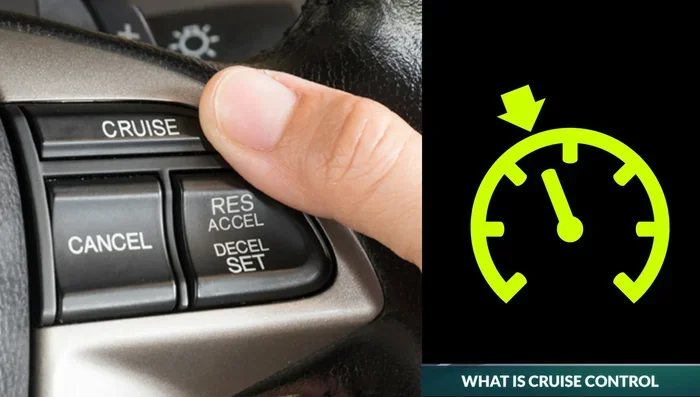
Check your dashboard for the specific icon related to collision mitigation. When the system is on, you will see a green or white icon. When it is off, the icon will typically change color or display a line through it. Refer to your owner’s manual for the exact icon for your vehicle.
Final Thoughts
Learning how to disable the collision mitigation system gives you more control over your driving experience. Whether you are towing a boat, navigating a muddy trail, or just tired of false alerts, knowing how to turn it off is a valuable skill. But with that control comes responsibility.
Always remember that the collision mitigation system is there to protect you. It is one of the best advancements in vehicle safety technology. Use the disable feature when you truly need it, and turn the system back on as soon as conditions allow.
Stay safe on the road. Keep your sensors clean, your software updated, and your driving awareness sharp. Your active safety system is a partner in safe driving — treat it with the respect it deserves.