Car Turns Over but Wont Start: Common Causes and Fixes
When your car turns over but won’t start, it can be frustrating and stressful. This common problem usually stems from a few key culprits like a dead battery, fuel pump failure, or ignition system issues. Understanding the root cause helps you decide whether to fix it yourself or call a mechanic. This guide walks you through every possible reason and gives clear, practical solutions to get you back on the road fast.
There are few moments more frustrating than turning your key and hearing the engine crank, only to realize your car turns over but won’t start. You hear that familiar whirring sound, but the engine just refuses to fire up. It is a helpless feeling, especially when you are already running late or stuck in an inconvenient spot.
This problem is more common than most people think. Every day, thousands of drivers face the same situation. The good news is that most causes are fixable, and many are inexpensive to repair. Whether it is a simple battery issue or something more complex like a fuel pump failure, understanding the root cause is the first step toward a solution.
In this guide, we will walk through every possible reason why your car cranks but won’t start. We will cover the most common culprits, the less obvious ones, and give you practical steps to diagnose the problem yourself. By the end, you will know exactly what to check and when to call a professional.
Key Takeaways
- Battery problems are the #1 cause: A weak or dead battery is the most common reason a car turns over but won’t start.
- Fuel delivery matters just as much as spark: A failing fuel pump or clogged fuel filter can prevent your engine from firing.
- You can diagnose some issues at home: Simple checks like inspecting battery terminals and listening for the fuel pump hum can save you time and money.
- Security system lockouts are sneaky: Your car’s immobilizer or alarm system can silently prevent startup even when everything else looks fine.
- Timing belt failure is serious: If your engine has no compression, it won’t start, and a broken timing belt can cause major damage.
- Prevention beats repair: Regular maintenance of your battery, fuel filter, and ignition components keeps starting problems at bay.
📑 Table of Contents
- What Happens When Your Car Turns Over but Won’t Start
- Top Reasons Your Car Cranks but Won’t Start
- Less Obvious Causes You Should Not Ignore
- Comparison: Common Causes, Symptoms, and Repair Costs
- How to Diagnose the Problem at Home
- When to Call a Professional Mechanic
- Prevention Tips to Keep Your Car Starting Reliably
- Conclusion
What Happens When Your Car Turns Over but Won’t Start
Before diving into the causes, it helps to understand what actually happens when you turn the key. When you twist the ignition, the starter motor engages and spins the engine. This is what we call the engine cranking phase. If the engine has fuel, spark, and compression, it should fire right up. When your car turns over but won’t start, one or more of these three elements is missing.
Think of it like a simple recipe. You need the right ingredients in the right amounts. Too little fuel, no spark, or low compression, and the engine simply will not turn over into running. The good thing is that diagnosing which ingredient is missing is usually straightforward.
Here are the three essential elements your engine needs to start:
- Fuel: Gasoline must reach the combustion chamber in the right amount.
- Spark: The ignition system must create a spark at the right time.
- Compression: The engine cylinders must maintain proper pressure to ignite the fuel-air mixture.
When your car won’t start but the lights and radio still work, the battery usually has enough charge. That points the problem toward the fuel system, ignition system, or mechanical issues. Let us explore each possibility in detail.
Top Reasons Your Car Cranks but Won’t Start
Dead or Weak Battery
The most common reason a car turns over but won’t start is a dead or weak battery. Your battery provides the electrical power needed to crank the engine and fire the ignition system. When the battery is low, it may have just enough juice to turn the starter motor but not enough to create a strong spark or keep the fuel system running properly.
Look for these signs of a battery problem:
- Dashboard lights are dim or flickering
- The engine cranks slowly or sluggishly
- Electrical accessories work weakly
- Battery terminals look corroded or greenish
Cold weather is a major factor here. Batteries lose strength in low temperatures, and an old battery that worked fine in summer might fail in winter. If your battery is more than three to five years old, it is worth having it tested at any auto parts store. Most shops will check it for free.
Quick Tip: Always keep your battery terminals clean. Corrosion on the battery terminals can prevent a good electrical connection, even if the battery itself is fine. A simple baking soda and water solution works great for cleaning them.
Faulty Starter Motor
The starter motor is responsible for cranking the engine when you turn the key. If the starter motor is worn out or has a bad solenoid, you might hear a clicking sound instead of the normal cranking noise. In some cases, the starter spins but does not engage the flywheel properly, which means the engine turns over but won’t start.
Starter motor problems often show up as:
- A single loud click when you turn the key
- Grinding noises during cranking
- Intermittent starting failures
- The engine only starts when you tap the starter with a wrench
Replacing a starter motor typically costs between $200 and $400 for parts and labor. It is not a DIY job for most people because accessing the starter can be tricky depending on your vehicle’s engine layout.
Fuel Pump Failure
Your fuel pump pushes gasoline from the tank to the engine. When the fuel pump fails, fuel cannot reach the combustion chamber, and the engine will crank but not start. Fuel pump failure is one of the more serious car won’t start causes, but it is also fairly common, especially in higher-mileage vehicles.
Signs of a failing fuel pump include:
- A whining noise coming from the fuel tank area
- Engine stalling under heavy load
- Loss of power when accelerating
- The engine starts but dies immediately
Here is a simple test you can try. Turn your key to the “ON” position (do not start the engine) and listen near the fuel tank. You should hear a soft humming sound for about two to three seconds. If you hear nothing, your fuel pump may be faulty. This is a common reason a car turns over but won’t start, especially in older vehicles.
Ignition System Problems
The ignition system is what creates the spark that ignites the fuel-air mixture in your engine cylinders. If any component of the ignition system fails, your engine will crank but not fire. The ignition system includes several parts that can wear out over time, including the ignition coil, spark plugs, and ignition control module.
Common ignition-related issues include:
- Worn spark plugs: Old spark plugs produce a weak or inconsistent spark. They should be replaced every 30,000 to 100,000 miles depending on the type.
- Bad ignition coil: A failed ignition coil means no spark reaches the cylinders. This is a frequent cause of engine cranks but won’t start situations.
- Damaged ignition wires: Cracked or corroded wires can leak voltage and prevent proper spark delivery.
If you notice your engine misfiring before it stopped starting, the ignition system is likely the culprit. Replacing spark plugs is inexpensive and easy to do yourself. Ignition coils cost between $50 and $250 per coil, depending on your vehicle.
Clogged Fuel Filter or Dirty Injectors
Even if your fuel pump is working fine, a clogged fuel filter or dirty fuel injectors can prevent enough fuel from reaching the engine. The fuel filter catches contaminants before they reach the engine, but over time it becomes saturated and restricts flow. Similarly, dirty fuel injectors spray fuel unevenly, making it hard for the engine to start.
Fuel filter replacement is relatively cheap and straightforward. Most fuel filters cost between $15 and $50, and many mechanics will install one for under $100 total. Fuel injector cleaning is a bit more involved, but a professional fuel system cleaning typically costs $100 to $300.
Common Mistake: Many people assume a fuel pump problem when the real issue is a clogged fuel filter. Always check the filter first before replacing more expensive components.
Crankshaft Position Sensor Failure
The crankshaft position sensor tells your engine control module (ECM) the exact position and speed of the crankshaft. This information is critical for timing the fuel injection and spark. When this sensor fails, the engine simply will not know when to fire, and you get the frustrating symptom of a car turns over but won’t start.
This is one of those car won’t start causes that can trick you because the engine looks and sounds completely normal when cranking. There is no grinding, no clicking, no warning lights necessarily. The sensor just stops sending its signal, and the engine refuses to start.
Replacing a crankshaft position sensor is usually affordable, ranging from $100 to $250 for parts and labor. However, diagnosing it correctly requires an OBD-II scanner to read the fault codes. If you have access to a scanner, look for codes related to the crankshaft or camshaft position sensor.
Less Obvious Causes You Should Not Ignore
While the causes above cover the majority of starting problems, there are several less obvious reasons why your car turns over but won’t start. These can be trickier to diagnose and often get overlooked.
Security System Lockout and Immobilizer Issues
Modern vehicles come equipped with an immobilizer system that prevents the engine from starting unless the correct key or key fob is recognized. If your key fob battery is dead or the immobilizer system malfunctions, your car might crank normally but refuse to start. This is a surprisingly common reason a car turns over but won’t start, especially with keyless entry systems.
Try these steps if you suspect a security lockout:
- Replace the key fob battery and try again
- Hold the key fob directly against the start button or ignition cylinder
- Check for a flashing security light on the dashboard
- Try a spare key if you have one available
If the security light is flashing when you try to start the engine, the immobilizer has likely engaged. This usually means the car does not recognize your key. A locksmith or dealer can reprogram or replace the key fob if needed.
Neutral Safety Switch Problems
The neutral safety switch prevents your car from starting unless the transmission is in Park or Neutral. If this switch fails or gets misaligned, your engine will crank but not start, even when the shifter is in the correct position. This is a common issue in vehicles with higher mileage or those that have had recent transmission work done.
You can test this by trying to start the car in Neutral instead of Park. If it starts in Neutral, the neutral safety switch is likely the problem. Adjusting or replacing the switch is usually a straightforward and inexpensive repair.
Flooded Engine
A flooded engine happens when too much fuel enters the combustion chamber, washing away the oil film on the cylinder walls and preventing spark. This is especially common in older cars with manual chokes or when someone has pumped the gas pedal too many times before starting.
If you suspect a flooded engine, try this:
- Press the accelerator pedal all the way to the floor
- Hold it there and crank the engine for 10 to 15 seconds
- Release the pedal and wait a few seconds
- Try starting again normally
This technique clears the excess fuel from the cylinders and allows the spark plugs to ignite properly. The engine should start within a few attempts.
Timing Belt or Chain Failure
A broken timing belt or chain is one of the most serious reasons a car turns over but won’t start. The timing belt synchronizes the rotation of the crankshaft and camshaft, ensuring that the valves open and close at the right time. If the belt breaks, the engine cannot complete its combustion cycle, and it will not start.
In many modern engines, a broken timing belt also causes the pistons to collide with the valves, resulting in expensive engine damage. This is why timing belt replacement is recommended as preventive maintenance, typically every 60,000 to 100,000 miles depending on your vehicle.
Expert Insight: If your car suddenly died while driving and now cranks but won’t start, do not keep trying to start it. A broken timing belt can cause catastrophic engine damage if the engine is turned over repeatedly. Have the car towed to a repair shop instead.
Comparison: Common Causes, Symptoms, and Repair Costs
| Cause | Key Symptoms | Estimated Repair Cost |
|---|---|---|
| Dead or Weak Battery | Slow cranking, dim lights, corroded terminals | $50 to $150 |
| Faulty Starter Motor | Clicking sound, grinding noise, intermittent failure | $200 to $400 |
| Fuel Pump Failure | No fuel pump hum, stalling under load, power loss | $200 to $600 |
| Ignition System Fault | Misfires before failure, weak spark, engine runs rough | $50 to $250 |
| Clogged Fuel Filter | Hard starting, poor fuel economy, hesitation | $15 to $100 |
| Crankshaft Sensor Failure | No warning signs, sudden no-start condition | $100 to $250 |
| Security System Lockout | Flashing security light, key fob not recognized | $0 to $200 |
| Neutral Safety Switch | Starts in Neutral but not Park, shifter issues | $100 to $200 |
| Flooded Engine | Strong fuel smell, engine won’t catch despite cranking | $0 (DIY fix) |
| Timing Belt Failure | Sudden no-start, possible engine damage | $500 to $1,000+ |
This table gives you a quick reference point, but actual costs vary based on your vehicle make and model, your location, and whether you do the repair yourself. Always get a detailed estimate before authorizing major repairs.
How to Diagnose the Problem at Home
You do not need to be a mechanic to narrow down the cause of your car turns over but won’t start problem. A few simple checks can save you time and money before you visit a shop.
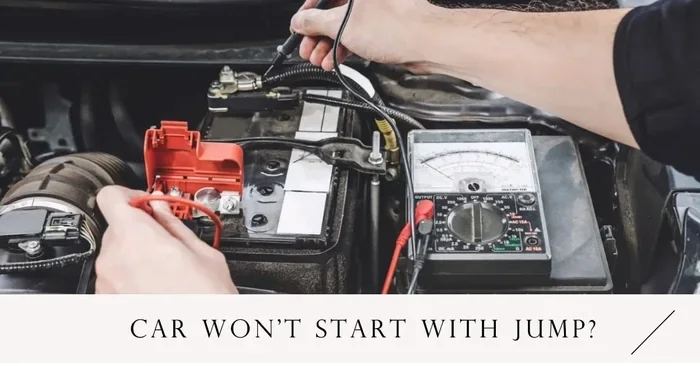
Step 1: Check the battery. Turn on the headlights. If they are bright and steady, your battery likely has enough charge. If they are dim, the battery is probably the issue. You can also use a multimeter to check the voltage. A healthy battery should read 12.6 volts or higher.
Step 2: Listen for the fuel pump. Turn the key to the “ON” position without starting the engine. Wait a few seconds and listen for a soft hum coming from the back of the car near the fuel tank. No sound could mean a dead fuel pump or a blown fuel pump fuse.
Step 3: Check for spark. Pull a spark plug wire and hold it about half an inch from a metal engine part while having someone crank the engine. You should see a bright blue spark. No spark points to an ignition system problem.
Step 4: Scan for error codes. If you have an OBD-II scanner, plug it into the diagnostic port and read any stored codes. Codes starting with “P0335” or “P0340” relate to crankshaft and camshaft position sensors, which are common starting failure triggers.
Quick Tip: Keep a basic OBD-II scanner in your glove box. These devices cost under $30 and can save you hundreds in diagnostic fees at the shop. They give you real-time data and stored trouble codes that point you in the right direction.
When to Call a Professional Mechanic
While many starting problems can be diagnosed at home, some situations call for professional help. If you have checked the battery, fuel pump, and ignition system and still cannot identify the problem, it is time to see a mechanic. Similarly, if your car turns over but won’t start and you hear unusual knocking or grinding noises, stop trying to start it and get a tow.
Here are situations where professional help is strongly recommended:
- The engine cranks normally but you suspect internal mechanical damage
- You need specialized diagnostic equipment like a lab scope for ignition testing
- The problem is intermittent and hard to reproduce
- You have already replaced several components without solving the issue
- Your car has a complex hybrid or direct-injection system that requires specialized knowledge
A qualified mechanic can perform a compression test, check the fuel pressure with a gauge, and use advanced diagnostic tools to pinpoint the exact cause. This saves you from buying unnecessary parts and getting frustrated with guesswork.
Prevention Tips to Keep Your Car Starting Reliably
The best way to deal with starting problems is to prevent them from happening in the first place. Regular maintenance goes a long way toward keeping your car reliable and avoiding those frustrating no-start situations.
Here are simple steps to keep your car starting strong:
- Replace your battery every 3 to 5 years: Even if it seems fine, an aging battery can fail without warning. Mark your battery installation date on the case with a marker.
- Change your fuel filter regularly: Check your owner’s manual for the recommended replacement interval, typically every 30,000 to 60,000 miles.
- Keep your battery terminals clean: Inspect them every few months and clean off any corrosion with a wire brush and baking soda solution.
- Replace spark plugs on schedule: Old spark plugs are a leading cause of ignition problems and rough starting.
- Listen to your car: Pay attention to any changes in cranking speed, fuel pump sounds, or dashboard warning lights. Early detection prevents bigger problems.
- Replace the key fob battery annually: A weak key fob battery can cause security system lockouts that mimic more serious starting problems.
Common Mistake: Many drivers ignore the early warning signs of a failing starter or fuel pump. If your engine takes longer than usual to crank, do not wait for it to fail completely. Addressing the problem early saves you from being stranded and from more expensive repairs down the road.
Conclusion
When your car turns over but won’t start, the cause usually comes down to one of three things: fuel, spark, or compression. The battery, starter motor, fuel pump, ignition system, and various sensors all play a role in getting your engine running. By working through the diagnostic steps in this guide, you can often identify the problem yourself and save money on repairs.
Remember that most starting problems are fixable and affordable, especially when you catch them early. A dead battery, clogged fuel filter, or worn spark plugs are all inexpensive repairs that you can handle with basic tools and a little patience. For more serious issues like a broken timing belt or fuel pump failure, do not hesitate to call a professional mechanic.
The key takeaway is simple: do not panic when your car cranks but will not start. Stay calm, work through the checklist, and you will be back on the road in no time. Regular maintenance and paying attention to warning signs will keep your car starting reliably for years to come.
Frequently Asked Questions
Why does my car crank but not start when it’s cold?
Cold weather weakens your battery and thickens engine oil, making it harder for the engine to turn over. A weak battery is the most common reason a car turns over but won’t start in cold conditions. Keeping your battery fresh and using the right viscosity oil for the season can prevent this issue.
Can a bad alternator cause my car not to start?
Yes, a failing alternator can indirectly cause starting problems. The alternator charges your battery while the engine runs, so if it is not working properly, your battery may not get fully charged. This leads to a weak battery that cannot provide enough power to start the engine.
How do I know if my fuel pump is bad?
Listen for a humming sound from the fuel tank area when you turn the key to the “ON” position. If you hear nothing, the fuel pump may be dead. Other signs include engine stalling under load, loss of power during acceleration, and the engine starting only after several attempts.
What should I do if my car starts and then immediately dies?
This usually indicates a fuel delivery problem or an ignition system fault. Check that the fuel pump is running and that the spark plugs are producing a strong spark. A clogged fuel filter, bad ignition coil, or faulty crankshaft position sensor can all cause this symptom.
Is it safe to keep trying to start my car if it won’t start?
It depends on the cause. A few extra attempts are usually fine, but if the engine has been cranking for more than 10 seconds without starting, stop and wait 30 seconds before trying again. Continuously cranking can overheat the starter motor and drain the battery further. If you suspect a timing belt failure or flooded engine, avoid repeated attempts and seek professional help.
How much does it cost to fix a car that won’t start?
The cost varies widely depending on the cause. Simple fixes like a new battery or spark plugs cost under $150, while more complex repairs like a fuel pump or starter motor replacement run $200 to $600. A broken timing belt can cost $500 or more, especially if engine damage has occurred. Always get a diagnosis before committing to a repair.