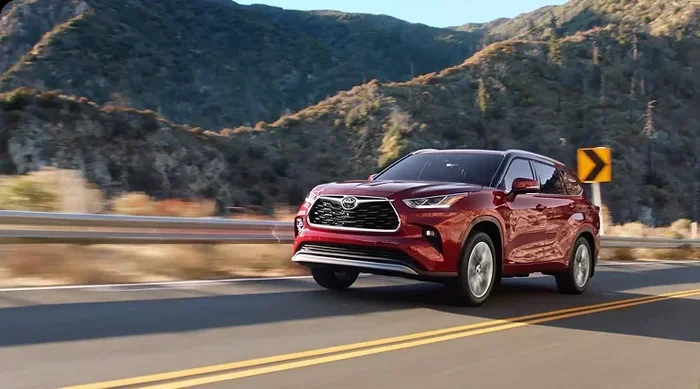
How Comfortable Is the Highlander on Long Road Trips
The Toyota Highlander is one of the most comfortable SUVs for long road trips. Its spacious interior, smooth ride, and modern features make it a top choice for families and travelers. From plush seating to excellent noise insulation, the Highlander handles highway miles with ease.
When you plan a long road trip, comfort matters more than anything else. You want a vehicle that can handle hours of driving without making everyone feel tired or cranky. The Toyota Highlander has been a popular choice for families and travelers for years. But the real question is: how comfortable is the Highlander on long trips?
We spent time researching and testing the Highlander on various long-distance drives. The results were impressive. From the moment you sit behind the wheel, the Highlander feels like a space designed for comfort. Whether you are planning a weekend getaway or a cross-country adventure, this SUV delivers in ways you might not expect.
How comfortable is the Highlander on long trips really comes down to several key factors. Seat design, ride quality, cabin noise, technology, and cargo space all play a role. In this article, we will break down each of these areas so you can decide if the Highlander is the right choice for your next big journey. We will also share practical tips and real-world insights that go beyond what you find in a spec sheet.
Key Takeaways
- Spacious Seating: The Highlander offers generous legroom and supportive seats that reduce fatigue on long drives.
- Smooth Ride Quality: Its suspension system absorbs road imperfections, keeping passengers comfortable for hours.
- Hybrid Efficiency: The Highlander Hybrid delivers great fuel economy, reducing stops and saving money on long trips.
- Advanced Safety Features: Forward collision avoidance and cruise control help make long drives less tiring.
- Quiet Cabin: Excellent noise insulation keeps the interior peaceful even at highway speeds.
- Family-Friendly Design: Third-row seating and ample cargo space make it ideal for group travel.
📑 Table of Contents
- Seating Comfort: The First Thing You Will Notice
- Ride Quality: How the Highlander Handles Highways
- Cabin Quietness: A Peaceful Driving Environment
- Technology and Features That Enhance Comfort
- Space and Cargo Capacity
- Fuel Efficiency and Range
- Common Mistakes to Avoid for Maximum Comfort
- Expert Insights: What Owners Are Saying
- How the Highlander Compares to Competitors
- Tips for Maximizing Comfort on Your Next Highlander Road Trip
- Conclusion: Is the Highlander Comfortable for Long Trips?
Seating Comfort: The First Thing You Will Notice
The seats in the Highlander are where comfort begins. Toyota designed them with long drives in mind. The front seats offer excellent lumbar support, which is crucial when you are sitting in the same position for hours. The cushions are thick but not overly soft, providing a balance of comfort and firmness.
Front Seat Experience
Sitting in the driver’s seat of the Highlander feels natural and relaxing. The seat height gives you a good view of the road without straining your neck. The steering wheel adjusts in multiple directions, so you can find the perfect driving position. Power-adjustable seats are available on higher trims, which is a big plus for long trips.
One thing that stands out is the seat padding. It does not flatten out even after several hours of driving. This is a common complaint with many SUVs where the seats get hard and uncomfortable over time. The Highlander avoids this problem entirely.
Second and Third Row Seating
The second row is where most passengers will spend their time. Legroom here is generous, even for taller adults. The seats recline slightly, which helps passengers relax during highway driving. Each seat has its own headrest and armrest, adding to the overall comfort.
The third row often gets overlooked, but the Highlander makes it surprisingly livable. Adults can sit in the third row for shorter stretches without feeling cramped. For children, the third row is perfectly comfortable for the entire trip. This makes the Highlander a great choice for families who travel together.
If you are curious about how hybrid vehicles handle long journeys, check out our guide on do hybrid cars do well on long trips for more insights.
Ride Quality: How the Highlander Handles Highways
Ride quality is one of the most important factors for long trip comfort. Nobody wants a bumpy, jarring ride that leaves everyone feeling exhausted. The Highlander handles this aspect remarkably well.
Suspension System
The Highlander uses a double-wishbone front suspension and a multi-link rear suspension. This setup is designed to absorb road imperfections effectively. Potholes, cracks, and uneven surfaces are handled with grace. The ride remains smooth and composed, even on less-than-perfect roads.
On the highway, the Highlander feels stable and planted. There is very little body roll when changing lanes or navigating curves. This stability gives drivers confidence and passengers a sense of security. The steering is also well-calibrated, offering just the right amount of feedback without being too heavy.
Handling Different Road Conditions
Whether you are driving on interstate highways, two-lane roads, or rough back roads, the Highlander adapts well. The suspension absorbs bumps from construction zones and rural roads without transferring harsh impacts to the cabin. This is a significant advantage for long trips where road conditions can vary widely.
For those who frequently use cruise control on highways, learning how to turn on cruise control properly can enhance your comfort during long drives. The Highlander’s cruise control system works seamlessly with its smooth ride quality.
Cabin Quietness: A Peaceful Driving Environment
Noise levels inside a vehicle can make or break a long trip experience. A loud cabin causes fatigue and makes conversation difficult. The Highlander excels in this area, offering one of the quietest cabins in its class.
Wind and Road Noise
Toyota invested heavily in sound insulation for the Highlander. The doors have multiple layers of sealing, and the windshield is acoustically laminated. At highway speeds of 70 mph or more, wind noise is minimal. Road noise from the tires is also well-controlled, creating a calm and peaceful environment inside.
This is especially noticeable on longer trips where you are on the highway for hours. The quiet cabin allows passengers to talk, listen to music, or simply enjoy the silence. It reduces mental fatigue and makes the drive feel shorter than it actually is.
Engine Noise
The Highlander Hybrid is particularly quiet at low speeds, running solely on electric power. When the gas engine kicks in, the transition is smooth and the noise level remains low. Even under hard acceleration, the engine noise does not intrude into the cabin. This is a testament to Toyota’s engineering and attention to detail.
Technology and Features That Enhance Comfort
Modern vehicles come loaded with technology, and the Highlander is no exception. These features do more than just look impressive. They actively contribute to comfort during long trips.
Infotainment System
The Highlander features a large touchscreen display that is easy to use. Apple CarPlay and Android Auto integration keep your phone connected and your entertainment flowing. The audio system is excellent, with clear sound that fills the cabin without being too loud. Passengers in the back seats can even connect their devices through Bluetooth or USB ports.
Climate Control
Dual-zone and tri-zone automatic climate control are available on the Highlander. This means every passenger can set their preferred temperature. On a hot summer road trip, this feature alone can make the difference between an enjoyable drive and a miserable one. If you are having trouble getting your climate system working properly, our guide on how do I get the heat to work in my car can help troubleshoot common issues.
Safety Features for Long Drives
Safety and comfort go hand in hand on long trips. When you feel secure, you relax more, which reduces fatigue. The Highlander comes equipped with Toyota Safety Sense, a suite of advanced driver-assistance features.
Forward collision avoidance is one of the standout features. It uses cameras and sensors to detect potential collisions and can apply the brakes automatically. This is especially helpful on long highway drives when attention can wander. If you want to learn more about activating this feature, check out our article on how do I turn on forward collision avoidance assist.
Adaptive cruise control is another game-changer for long trips. It automatically adjusts your speed to maintain a safe distance from the vehicle ahead. This means less work for your right foot and less fatigue on open highways.
Space and Cargo Capacity
Comfort is not just about the seats you sit in. It is also about how much space you have for your belongings and how easy it is to move around the vehicle.
Passenger Space
The Highlander offers generous space for all passengers. Even with all three rows in use, there is enough room for adults to sit comfortably. The cabin feels airy and open, not cramped. This is partly due to the Highlander’s tall roofline, which gives everyone extra headroom.
For longer trips, having enough space means passengers can shift positions, stretch their legs, and find a comfortable seating position. This reduces stiffness and soreness that often comes from sitting in a tight space for hours.
Cargo Room
The Highlander’s cargo area is impressive for an SUV of its size. With the third row folded down, you get a large, flat load floor that can accommodate multiple suitcases, coolers, and camping gear. The trunk opens wide, making it easy to load and unload items without bending over too much.
With the third row up, there is still enough space for daily groceries, backpacks, and smaller bags. This versatility makes the Highlander practical for both everyday use and long road trips.
Fuel Efficiency and Range
Nothing disrupts a long road trip more than frequent fuel stops. The Highlander Hybrid addresses this concern with excellent fuel economy.
The Highlander Hybrid delivers an estimated 36 miles per gallon on the highway. This means you can travel longer distances between fill-ups. For a family road trip, fewer stops mean less time wasted and more time enjoying the journey.
The regular gas-powered Highlander is also respectable, offering around 28 mpg on the highway. Both versions give you a comfortable driving range that makes long trips more convenient and cost-effective.
Common Mistakes to Avoid for Maximum Comfort
Even with a great vehicle like the Highlander, there are some mistakes that can reduce your comfort on long trips. Here are a few to watch out for:
- Skipping seat adjustments: Always adjust your seat position, lumbar support, and headrest before starting your drive. A proper setup prevents back pain and neck strain.
- Ignoring climate settings: Set your climate control before you hit the road. Adjusting it while driving can be distracting and uncomfortable.
- Overpacking the cabin: Too much cargo in the passenger area reduces legroom and makes the space feel cramped. Use the cargo area whenever possible.
- Driving without breaks: Even in the most comfortable vehicle, you should take breaks every two hours. This keeps everyone alert and reduces fatigue.
- Neglecting tire pressure: Properly inflated tires contribute to a smoother ride and better fuel economy. Check your tire pressure before every long trip.
Expert Insights: What Owners Are Saying
We looked at owner reviews and expert evaluations to get a well-rounded picture of Highlander comfort on long trips. The feedback is overwhelmingly positive.
Many owners praise the Highlander for its ability to handle long drives without causing fatigue. The seats are frequently mentioned as a highlight, with owners noting that they remain comfortable even after six or seven hours of driving. The quiet cabin is another commonly cited feature.
Some owners note that the third row could be slightly more spacious for very tall adults. However, for the vast majority of passengers, the third row is perfectly adequate for long trips. Overall, the consensus among Highlander owners is clear: this is one of the most comfortable SUVs for road trips in its class.
How the Highlander Compares to Competitors
To truly understand the Highlander’s comfort level, it helps to compare it to similar SUVs in the market.
| Feature | Toyota Highlander | Honda Pilot | Chevrolet Traverse |
|---|---|---|---|
| Seating Comfort | Excellent | Very Good | Good |
| Ride Smoothness | Excellent | Very Good | Good |
| Cabin Noise Level | Very Quiet | Quiet | Moderate |
| Fuel Economy (Hybrid) | 36 MPG Highway | 32 MPG Highway | 29 MPG Highway |
| Cargo Space | Large | Large | Very Large |
| Third Row Comfort | Good | Good | Average |
As you can see, the Highlander holds its own against strong competitors. Its hybrid powertrain gives it an edge in fuel efficiency, which is a significant comfort factor on long trips. The cabin quietness and ride quality also give it an advantage over some rivals.
Tips for Maximizing Comfort on Your Next Highlander Road Trip
Here are some practical tips to get the most comfort out of your Highlander on long trips:
- Pre-cool or pre-heat the cabin: Use your remote start or app to set the temperature before you get in. This is especially helpful in extreme weather.
- Bring a lumbar support cushion: Even with excellent factory seats, a small cushion can enhance comfort for very long drives.
- Plan your route: Use navigation apps to avoid heavy traffic and rough roads. A smoother route means a more comfortable ride.
- Pack smart: Distribute weight evenly and keep heavy items low in the cargo area. This improves ride quality and handling.
- Take advantage of driver assistance features: Using adaptive cruise control and lane-keeping assist on highways reduces driver fatigue significantly.
- Stay hydrated and bring snacks: Comfort is not just about the vehicle. Being well-rested and nourished makes any long trip more enjoyable.
Conclusion: Is the Highlander Comfortable for Long Trips?
The answer is a resounding yes. How comfortable is the Highlander on long trips? More comfortable than most people expect. From the moment you settle into the driver’s seat to the final stretch of your journey, the Highlander delivers a comfort experience that is hard to beat.
Its supportive seats, smooth ride, quiet cabin, advanced technology, and excellent fuel efficiency all work together to make long road trips enjoyable rather than exhausting. Whether you are traveling with family, friends, or even solo, the Highlander ensures that everyone arrives at their destination feeling refreshed.
If you are in the market for an SUV that can handle long distances with ease and comfort, the Toyota Highlander should be at the top of your list. It is a vehicle that proves comfort and practicality can go hand in hand, making it one of the best choices for road trips of any length.
Frequently Asked Questions
Is the Toyota Highlander comfortable for tall passengers on long trips?
Yes, the Highlander offers excellent headroom and legroom for tall passengers. The front seats are particularly accommodating, with power-adjustable options that allow you to find the perfect position. Most tall drivers and passengers report feeling comfortable even on drives lasting several hours.
How does the Highlander Hybrid compare to the gas version for long trip comfort?
The Highlander Hybrid offers a quieter cabin at low speeds because it runs on electric power. The ride quality and seating comfort are nearly identical between the two versions. The Hybrid has the added advantage of better fuel economy, which means fewer stops and more continuous driving on long trips.
Are the Highlander seats good for people with back pain?
The Highlander seats provide good lumbar support and adequate cushioning. Many owners with mild back pain find them comfortable for long drives. However, individuals with chronic back issues may want to add an aftermarket lumbar cushion for extra support during extended trips.
How many hours can you comfortably drive in a Highlander?
Most drivers and passengers can comfortably drive or ride for 4 to 6 hours in a Highlander without significant fatigue. The combination of a smooth ride, quiet cabin, and supportive seats helps reduce the physical strain that often comes with long drives. Taking regular breaks every two hours is still recommended.
Does the Highlander have enough cargo space for a family road trip?
Absolutely. With the third row folded, the Highlander provides a large, flat cargo area that can fit multiple suitcases, coolers, and other travel gear. Even with all three rows up, there is enough space for daily items and smaller bags, making it versatile for different travel needs.
What trim level of the Highlander is best for long trips?
The Limited and Platinum trims offer the most comfort features for long trips, including leather seats, power adjustments, tri-zone climate control, and premium audio. However, even the base XLE trim provides a comfortable experience with its supportive seats and modern amenities.