Are Toyotas Difficult to Work On Or Just Misunderstood
Are Toyotas difficult to work on? Not really. Toyotas have a reputation for being reliable and straightforward, but many owners still wonder about the DIY experience. Toyota repair is often simpler than people expect, thanks to widely available parts and clear engine designs. This guide covers everything you need to know about working on your Toyota, from common repairs to cost savings.
When you own a Toyota, you hear a lot of talk about reliability. People say these vehicles just keep running forever. But here is the real question. Are Toyotas difficult to work on? Many owners wonder whether they can handle basic repairs themselves or if they need to visit a mechanic every time something goes wrong.
The short answer is that most Toyotas are surprisingly easy to work on. The brand designs its vehicles with simplicity in mind. The engines are well understood, the parts are easy to find, and the repair steps are usually straightforward. That does not mean every Toyota job is a walk in the park. But for the average car owner who wants to learn, Toyota offers one of the most accessible platforms in the automotive world.
In this article, we will explore why Toyotas have the reputation they do, what repairs you can handle yourself, and how to avoid the mistakes that make car work harder than it needs to be. Whether you own a Camry, a Corolla, a Tacoma, or a RAV4, this guide will help you understand what to expect when you pop the hood.
Key Takeaways
- Toyotas are generally easy to work on: Their simple, proven designs make DIY repairs manageable for most owners.
- Parts are widely available: Toyota parts are sold at dealerships, auto stores, and online, making repairs convenient.
- Common repairs are straightforward: Oil changes, brake pads, and air filters are among the easiest DIY jobs.
- Toyota hybrids add a learning curve: Hybrid models require some extra knowledge but are still workable.
- Knowing your model matters: Some Toyota models are easier to service than others.
- Avoiding common mistakes saves time: Skipping the manual or using wrong tools can complicate simple jobs.
📑 Table of Contents
- Why People Think Toyotas Are Hard to Work On
- The Truth About Toyota Reliability
- Common Toyota Repairs You Can Do Yourself
- Toyota Parts Availability and Cost
- Toyota Models: Which Ones Are Easiest to Work On
- Common Mistakes That Make Toyota Repairs Harder
- Expert Tips for Working on Your Toyota
- Conclusion
Why People Think Toyotas Are Hard to Work On
There is a common belief that Toyotas are boring or too simple to bother with. Some people assume that because these cars last so long, they must be complicated to fix. Others have had bad experiences with a specific model or a specific repair and generalized that to the whole brand.
Let us look at the real reasons behind this perception.
The Reputation Myth
Toyota has built its brand on reliability. When a car never breaks down, people stop talking about it. You do not see many Toyota owners posting about their repair experiences online because there are not many. This creates a false impression that Toyotas are somehow mysterious or special in a way that makes repairs difficult.
In reality, Toyota vehicles use common, proven technology. The engines are not exotic. The transmissions are well documented. The electrical systems are simpler than what you find in many modern European or luxury vehicles. So the idea that a Toyota is hard to work on is mostly a myth.
When Repairs Actually Get Complicated
There are times when working on a Toyota can feel frustrating. For example, if you are dealing with a Toyota security indicator light that will not turn off, the issue might be tied to the immobilizer system. These systems can be tricky if you do not know where to start. Similarly, if you are trying to program a key fob without going to the dealership, some models require a specific process that is not obvious at first glance.
But these are exceptions, not the rule. Most Toyota repairs involve basic tools and clear instructions. The brand has spent decades making sure that independent mechanics and DIYers can service their vehicles without special equipment.
The Truth About Toyota Reliability
Toyota consistently ranks at or near the top of reliability surveys. Models like the Camry, Corolla, and Tacoma are known to exceed 200,000 miles with proper care. But what does this mean for someone who wants to do their own work?
It means the designs have been refined over many years. Toyota engineers know what works. They do not chase flashy technology just for the sake of it. Instead, they focus on proven components that are easy to manufacture, easy to source, and easy to replace.
Simple Engine Designs
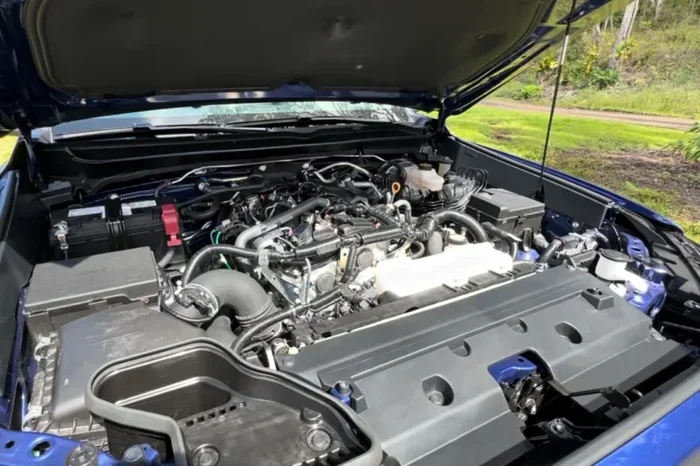
Most Toyota engines are naturally aspirated four-cylinder units. These are among the simplest engines to understand and work on. The layout is logical. The components are easy to reach. And the maintenance schedules are well documented in the owner manual.
Even Toyota V6 engines are known for being straightforward. The inline configuration keeps things compact and accessible. You do not need a degree in engineering to change the spark plugs or replace the serpentine belt on most Toyota engines.
Well-Documented Repair Procedures
Toyota has one of the largest aftermarket support networks in the world. This means that for almost any repair, you can find a step-by-step guide. YouTube is full of Toyota repair videos. Repair manuals are widely available. Forums are filled with owners sharing their experiences and tips.
This level of support makes DIY repairs much easier. You are never truly alone when working on a Toyota. Someone has already solved the problem you are facing.
Common Toyota Repairs You Can Do Yourself
One of the best things about owning a Toyota is that many common repairs are well within the range of a weekend mechanic. Here are some jobs you can handle on your own with basic tools and a little patience.
Oil Changes
Changing the oil on a Toyota is one of the simplest maintenance tasks. Most models have a drain plug that is easy to access. The oil filter is usually located in a convenient spot. You will need the correct grade of oil, a new filter, and a drain pan. The entire process takes about 20 to 30 minutes.
Tip: Always check your owner manual for the correct oil weight and capacity. Using the wrong oil can cause engine problems over time.
Brake Pad Replacement
Replacing brake pads on a Toyota is a common DIY job. The brake calipers are easy to access, and the pad clips slide out with minimal effort. You will need a jack, jack stands, a lug wrench, and a C-clamp or caliper tool. Most people can finish both front pads in under an hour.
Quick Tip: Always inspect the rotors when you replace the pads. If the rotors are warped or grooved, you may need to resurface or replace them as well.
Air Filter and Cabin Filter
Swapping out the air filter is one of the easiest jobs on any Toyota. The filter housing is usually right on top of the engine bay. You open the clip, pull out the old filter, drop in the new one, and close it back up. Cabin filters, which clean the air inside the car, are often located behind the glove box and are just as easy to replace.
Spark Plugs
Toyota spark plugs are easy to reach on most models. A spark plug socket and ratchet are all you need. Some newer Toyota engines use coil-on-plug ignition, which makes removal even simpler. Just unplug the connector, unscrew the coil, pull it out, and replace the plug.
Battery Replacement
Toyota batteries are standard size and easy to swap. Disconnect the negative terminal first, then the positive. Remove the hold-down bracket, pull out the old battery, and drop in the new one. Reverse the steps to reconnect. This job takes about 10 minutes.
Toyota Parts Availability and Cost
One of the biggest advantages of owning a Toyota is the availability of parts. Whether you need a simple filter or a major component, you can find it without too much trouble.
OEM vs Aftermarket Parts
Toyota offers genuine OEM parts through dealerships. These parts match the original specifications exactly. However, aftermarket parts from brands like Akebono, Denso, and TRD are widely available and often more affordable. Many aftermarket parts are made by the same suppliers that provide parts to Toyota in the first place.
For most repairs, aftermarket parts work just as well as OEM parts. The key is to buy from a reputable supplier. Check reviews and make sure the part number matches your specific Toyota model and year.
Where to Buy Toyota Parts
You can buy Toyota parts from several sources:
- Toyota dealerships: Best for OEM parts and model-specific advice.
- AutoZone and O’Reilly: Carry many common Toyota parts in stock.
- Online retailers: Amazon and RockAuto offer competitive prices on a wide range of parts.
- Salvage yards: Great for used parts on older models.
The ease of finding parts means you spend less time waiting and more time actually working on your vehicle.
Toyota Models: Which Ones Are Easiest to Work On
Not all Toyotas are created equal when it comes to DIY friendliness. Some models are simpler and more accessible than others. Here is a quick look at what you can expect.
Easiest Models for DIY Work
The Toyota Corolla and Camry are among the easiest models to work on. They have simple engine layouts, plenty of engine bay space, and parts are affordable. The Toyota Tacoma is also very DIY-friendly, with a straightforward truck design that makes underbody work easy.
Older models from the 2000s and early 2010s are especially simple. They lack the complex electronics and sensors found in newer vehicles. If you want an easy first project, a used Corolla or Camry from this era is hard to beat.
Models That Need Extra Knowledge
Toyota hybrids, such as the Prius and RAV4 Hybrid, add a layer of complexity. The high-voltage battery system requires extra caution. You should understand the basics of hybrid safety before attempting any work near the electrical components. However, many routine repairs like brake jobs and suspension work are the same as on non-hybrid models.
If you own a Toyota hybrid, it helps to learn about the hybrid battery and jumper cable systems before you start any DIY project. Understanding how the system works will keep you safe and save you from costly mistakes.
Common Mistakes That Make Toyota Repairs Harder
Even the easiest car can become a headache if you make avoidable mistakes. Here are the most common errors Toyota owners make when working on their vehicles.
Skipping the Owner Manual
The owner manual is your best friend. It tells you the correct torque specs, fluid types, and fuse locations. Skipping it can lead to overtightened bolts, wrong fluids, and blown fuses. Take 10 minutes to read the relevant section before starting any repair.
Using the Wrong Tools
Toyota repairs do not require expensive specialty tools, but they do require the right basic tools. A good set of metric sockets, a torque wrench, and a reliable jack and stands will cover most jobs. Using the wrong size socket can strip bolts and create bigger problems.
Not Diagnosing the Problem First
One of the biggest mistakes is replacing parts without properly diagnosing the issue. If your Toyota has a warning light on, do not just guess at the cause. Use an OBD-II scanner or visit a parts store for a free diagnostic reading. This saves you money and prevents unnecessary part swaps.
Ignoring Recalls and Technical Bulletins
Toyota issues recalls and technical service bulletins regularly. If your model is affected, the repair may be covered by the dealer at no cost. Before you pay for any repair, check if there is an active recall. You can search for recalls by model year on Toyota’s official website.
Expert Tips for Working on Your Toyota
Here are some practical tips from experienced Toyota owners and mechanics that will make your DIY experience smoother.
Start Small
If you are new to car repairs, start with simple jobs. Oil changes, filter replacements, and bulb changes are great first projects. As you build confidence, you can move on to more complex repairs like brake work, suspension components, and electrical troubleshooting.
Watch Before You Work
Before you touch any part, watch a few video tutorials. Seeing the process step by step gives you a much better understanding than reading alone. YouTube channels dedicated to Toyota repairs are full of detailed walkthroughs for almost every model and year.
Keep a Repair Log
Write down what you did, when you did it, and what parts you used. This log helps you track maintenance intervals and remember what you have already done. It also adds value if you ever decide to sell the vehicle.
Join Toyota Communities
Toyota forums and online communities are incredibly helpful. You can ask questions, share your experiences, and get advice from owners who have already solved the same problems. These communities are free and full of knowledgeable people who want to help.
Conclusion
So, are Toyotas difficult to work on? The answer is a clear no. Toyota vehicles are designed with simplicity and reliability in mind. The engines are straightforward, the parts are easy to find, and the repair procedures are well documented. Most common maintenance tasks are well within the ability of a motivated DIYer with basic tools.
Yes, there are exceptions. Hybrid systems and advanced electronics can add complexity. But even these are manageable with the right knowledge and a little patience. The key is to start small, use the right resources, and never skip the owner manual.
Working on your Toyota can save you hundreds of dollars in labor costs. It can also give you a deeper understanding of your vehicle, which makes you a smarter owner. So pop the hood, grab your tools, and give it a try. You might be surprised at how capable you really are.
And if you ever run into a problem you cannot solve, remember that the Toyota community is vast and helpful. You are never alone in this journey. Toyota maintenance does not have to be intimidating. It can be one of the most rewarding parts of car ownership.
Frequently Asked Questions
Are Toyotas easy to repair compared to other brands?
Yes, Toyotas are generally easier to repair than many other brands. Their engines are simple, parts are widely available, and repair procedures are well documented. Most independent mechanics and DIYers find Toyota work straightforward and manageable.
Can I do all Toyota repairs myself?
You can handle most routine repairs yourself, such as oil changes, brake pad replacements, and filter swaps. However, more complex jobs like transmission work or hybrid system repairs may require professional help. Always know your limits and work within your skill level.
Are Toyota parts expensive?
Toyota parts are reasonably priced compared to many luxury brands. OEM parts from dealerships cost more than aftermarket options, but aftermarket parts are widely available and often just as reliable. Basic maintenance parts like filters and brake pads are very affordable.
Do I need special tools to work on a Toyota?
No, you do not need special tools for most Toyota repairs. A basic set of metric wrenches, sockets, a torque wrench, and a jack with stands will cover the majority of DIY jobs. Some advanced repairs may require specialized tools, but these are rare for common maintenance tasks.
Is it safe to work on a Toyota hybrid?
It is safe as long as you follow proper safety procedures. Always disconnect the high-voltage system before working near electrical components. Read the owner manual carefully and watch tutorial videos specific to your hybrid model before attempting any repairs.
Where can I find Toyota repair guides?
You can find Toyota repair guides on YouTube, automotive forums, and websites like RepairPal and Haynes. Toyota owner manuals also include detailed maintenance schedules and procedures. Online communities are a great resource for model-specific advice and troubleshooting tips.