Does Toyota Replace Prius Batteries for Free Today
Does Toyota Replace Prius Batteries for Free Today? The answer depends on your warranty coverage, vehicle age, and battery condition. Toyota offers hybrid battery warranty protection for most Prius models, but the terms vary by year and trim level.
Does Toyota Replace Prius Batteries for Free Today? If you own a Toyota Prius, you have probably wondered whether the manufacturer covers battery replacement costs. The answer depends on your warranty status, the age of your vehicle, and the specific battery issue you are facing. In this guide, we will walk you through everything you need to know about Prius battery replacement. You will learn about warranty coverage, replacement costs, warning signs, and practical tips to keep your hybrid battery healthy for years to come.
Owning a Toyota Prius comes with many benefits. You get great fuel economy, a smooth driving experience, and the satisfaction of driving a hybrid vehicle. But one concern that many Prius owners face is the battery replacement question. After all, the battery is one of the most expensive components in any hybrid car. So, does Toyota replace Prius batteries for free? The short answer is sometimes. It depends on your warranty, the age of your vehicle, and the nature of the battery problem. Let us dive deeper into this topic so you know exactly what to expect.
Key Takeaways
- Warranty Coverage: Toyota provides a hybrid battery warranty that may cover replacement costs for eligible Prius models.
- Cost Factors: Replacement costs vary based on the Prius model year, battery type, and whether you are under warranty.
- Warning Signs: Recognizing early symptoms of battery failure can save you money and prevent further damage to your vehicle.
- Maintenance Matters: Regular care and smart driving habits can significantly extend your Prius battery life.
- Professional Service: Always rely on certified Toyota technicians for battery diagnostics and replacement to ensure safety and reliability.
📑 Table of Contents
Understanding Toyota’s Prius Battery Warranty
Toyota is known for standing behind its vehicles with solid warranty coverage. When it comes to the Prius, the hybrid battery is a major component that Toyota takes seriously. The manufacturer offers a specific warranty for the high-voltage hybrid battery that powers your electric motor. This is different from the standard vehicle warranty.
Before you assume you will get a free replacement, it is important to understand what the warranty actually covers. The hybrid battery warranty is designed to protect you against manufacturing defects and premature battery degradation. It does not cover normal wear and tear over many years of driving.
What the Warranty Covers
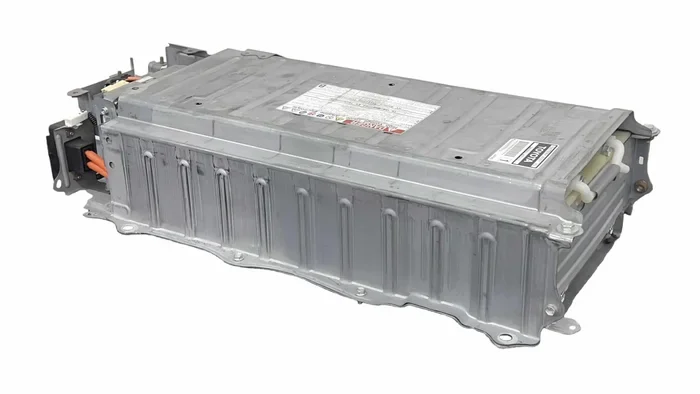
The Toyota hybrid battery warranty covers defects in materials and workmanship. If your battery fails due to a manufacturing flaw, Toyota will repair or replace it at no cost to you. This includes issues with individual battery modules, the battery control module, and related electrical components.
However, the warranty does not cover damage caused by accidents, misuse, neglect, or normal aging. If your battery simply reaches the end of its expected lifespan, you will likely need to pay for the replacement yourself. This is why understanding your specific warranty terms is so important.
How Long Does the Warranty Last?
Toyota’s hybrid battery warranty varies by model year and region. In the United States, most Prius models come with an 8-year or 100,000-mile warranty for the hybrid battery. Some states with strict emissions laws, such as California, offer even longer coverage of 10 years or 150,000 miles.
For older Prius models, the warranty terms may differ. The first-generation Prius (2001-2003) had a 8-year or 100,000-mile warranty. Later models received extended coverage in certain markets. If you are unsure about your warranty status, you can check your vehicle documentation or contact your local Toyota service center.
Before spending money on a replacement, consider getting a free diagnostic on your car to confirm the issue. Many service centers can run diagnostic tests at no charge to determine whether your battery problem is covered under warranty.
When Does a Prius Battery Need Replacement?
Knowing when your Prius battery needs replacement can save you time and money. Hybrid batteries do not just fail overnight. They degrade gradually over time. Recognizing the early warning signs can help you address the problem before it becomes a major expense.
Signs Your Hybrid Battery Is Failing
There are several clear signs that your Prius battery is deteriorating. Watch for these symptoms:
- Reduced Fuel Economy: If your Prius is getting significantly fewer miles per gallon than usual, the battery may be struggling.
- Battery Warning Light: A red or yellow warning light on your dashboard is a clear signal that something is wrong with the hybrid system.
- Rough Idle or Stalling: If your car idles roughly or stalls frequently, the battery may not be providing enough power.
- Decreased Electric-Only Driving: Prius models can drive on electric power alone at low speeds. If this feature disappears, your battery may be failing.
- Strange Noises: Unusual clicking or humming sounds from the battery area can indicate a problem.
- Charger Not Working Properly: If the regenerative braking system is not charging the battery effectively, you may notice reduced performance.
Common Causes of Battery Degradation
Several factors can accelerate battery degradation in a Prius. Understanding these causes can help you take preventive steps:
- Age and Mileage: Like all batteries, hybrid batteries lose capacity over time. After 100,000 miles or more, you may notice reduced performance.
- Extreme Temperatures: Both very hot and very cold climates can stress the battery and shorten its lifespan.
- Frequent Deep Discharging: Regularly running the battery down to very low levels can cause long-term damage.
- Lack of Maintenance: Skipping regular service appointments can allow small issues to become major problems.
- Driving Habits: Aggressive driving, frequent hard braking, and rapid acceleration put extra strain on the battery.
How Much Does Prius Battery Replacement Cost?
If your Prius battery is not covered under warranty, you will need to pay for the replacement out of pocket. The cost can vary significantly depending on several factors. Understanding these costs helps you make an informed decision about whether to replace, repair, or explore other options.
Cost Breakdown for Different Prius Models
The cost of a Prius battery replacement depends on the model year and battery type. Here is a general overview:
- Early Generation Prius (2001-2009): These models use NiMH (nickel-metal hydride) batteries. Replacement costs typically range from $2,000 to $4,000 for a new battery pack.
- Later Generation Prius (2010-2015): These models also use NiMH batteries but with improved technology. Costs range from $2,500 to $4,500.
- Fourth Generation Prius (2016+): Newer models use lithium-ion batteries. These are more expensive, with replacement costs ranging from $4,000 to $7,000 or more.
- Battery Module Replacement: In some cases, you can replace only the faulty module instead of the entire pack. This can cost between $500 and $1,500 depending on the module.
Does Toyota Cover the Full Cost?
If your Prius is still under the hybrid battery warranty, Toyota will cover the full cost of replacement. This includes the battery pack, labor, and any related diagnostic fees. You will not pay a single dollar out of pocket for a warranty-covered replacement.
For vehicles outside the warranty period, you have several options. You can purchase a new battery from Toyota, which is the most expensive route. Alternatively, you can explore refurbished or rebuilt battery packs, which can save you 30 to 50 percent. Some third-party shops also offer module-level repairs, which are the most affordable option.
If you are considering battery services outside of Toyota, you might also check if Autozone installs batteries as an alternative option for standard 12-volt batteries, though hybrid battery replacement typically requires a certified technician.
The Battery Replacement Process at Toyota
Understanding what happens during a battery replacement can help reduce any anxiety you may have. The process is straightforward when handled by certified Toyota technicians. Here is what you can expect from start to finish.
What Happens During the Procedure
The battery replacement process follows a careful, step-by-step procedure:
- Diagnostic Testing: The technician runs a full diagnostic check on your hybrid system to confirm the battery is the source of the problem.
- Vehicle Preparation: The car is lifted and secured on a service lift. The technician disconnects the high-voltage battery for safety.
- Old Battery Removal: The faulty battery pack is carefully removed from the vehicle. This typically takes one to two hours.
- New Battery Installation: The new or refurbished battery pack is installed and connected. All electrical connections are verified.
- System Calibration: The technician runs calibration tests to ensure the hybrid system is functioning correctly with the new battery.
- Test Drive: A short test drive confirms that the replacement was successful and the vehicle is performing as expected.
How Long Does It Take?
A typical Prius battery replacement takes between three and five hours at a Toyota service center. If the shop needs to order a new battery, you may need to leave your vehicle overnight or for a full day. Some Toyota dealerships keep common Prius battery packs in stock, which can reduce your wait time significantly.
The process is safe and performed by trained professionals who specialize in hybrid systems. Toyota technicians receive specific training for high-voltage battery handling, so you can feel confident leaving your car in their care.
Tips to Extend Your Prius Battery Life
Prevention is always better than cure. With the right habits and maintenance routine, you can significantly extend the life of your Prius battery. These tips are simple but effective.
Simple Habits That Help
- Avoid Fully Depleting the Battery: Try not to let your battery charge drop below 20 percent regularly. Deep discharges stress the battery cells.
- Drive Smoothly: Gentle acceleration and smooth braking reduce strain on the hybrid system and the battery.
- Use Regenerative Braking: Coast to a stop when possible. This allows the regenerative braking system to recharge the battery naturally.
- Keep Your Car Cool: Park in shaded areas or garages when possible. Extreme heat is one of the biggest enemies of hybrid batteries.
- Keep the Battery Clean: Inspect the battery area for corrosion or debris. Clean connections help maintain proper electrical flow.
Maintenance Schedule to Follow
Sticking to Toyota’s recommended maintenance schedule is one of the best things you can do for your battery. Here are key maintenance milestones:
- Every 5,000 Miles: Check the battery coolant level and inspect for leaks or corrosion.
- Every 15,000 Miles: Have the hybrid system diagnostic tested. This can catch early signs of battery degradation.
- Every 30,000 Miles: Replace the battery coolant. Fresh coolant helps regulate battery temperature effectively.
- Every 60,000 Miles: Conduct a thorough battery health check. This is a good time to assess remaining battery capacity.
- Every 100,000 Miles: Consider a comprehensive hybrid system inspection. At this mileage, some battery capacity loss is expected.
Just as using quality motor oil like Mobil 1 can protect your engine, proper care keeps your hybrid battery healthy and performing at its best for the long haul.
Common Mistakes Prius Owners Make
Even the best Prius owners can make mistakes that shorten their battery life. Being aware of these common errors helps you avoid them and protect your investment.
Ignoring Early Warning Signs
The biggest mistake Prius owners make is ignoring early warning signs. A slight drop in fuel economy or a brief warning light might seem minor, but these are often the first indicators of a failing battery. Addressing these issues early can prevent a full battery failure and save you thousands of dollars.
Skipping Regular Maintenance
Some owners skip scheduled maintenance because the car seems to be running fine. This is a risky approach with hybrid vehicles. Regular maintenance catches small problems before they become expensive repairs. Skipping coolant changes, for example, can lead to battery overheating and premature failure.
Choosing Cheap Replacement Options Without Research
When the warranty expires, some owners go for the cheapest battery replacement option they can find. While saving money is smart, choosing an unverified shop or low-quality refurbished battery can lead to poor performance and even safety risks. Always research your options and ask for warranties on replacement batteries.
Not Understanding the Warranty Terms
Many Prius owners do not fully understand their warranty coverage. They assume the battery is covered for the entire ownership period, which is not the case. Take the time to read your warranty document and know exactly what is covered and for how long.
Frequently Asked Questions
How long does a Toyota Prius battery last?
Most Toyota Prius batteries last between 100,000 and 150,000 miles before needing replacement. With proper care and maintenance, some batteries can last even longer. Driving habits and climate play a big role in determining battery lifespan.
Is it worth replacing a Prius battery?
Yes, replacing a Prius battery is generally worth it. A new battery restores fuel efficiency and overall vehicle performance. The cost can be significant, but the improvement in driving experience and fuel savings often justifies the investment.
Can I drive my Prius with a failing battery?
You can drive a Prius with a failing battery in most cases, but it is not recommended. A weak battery reduces fuel economy and can cause the vehicle to enter a protective “limp mode.” Continuing to drive on a failing battery may cause additional damage to the hybrid system.
Does Toyota offer payment plans for battery replacement?
Some Toyota dealerships offer financing options for battery replacement. If your vehicle is out of warranty, ask your service advisor about available payment plans. This can make the cost more manageable without sacrificing quality.
Can I replace my Prius battery myself?
It is not recommended to replace a Prius battery yourself. Hybrid batteries operate at high voltage, which can be dangerous without proper training and equipment. Always have the replacement done by a certified Toyota technician or a qualified hybrid specialist.
What is the difference between NiMH and lithium-ion Prius batteries?
NiMH (nickel-metal hydride) batteries are used in older Prius models and are generally more affordable to replace. Lithium-ion batteries are used in newer models and offer better energy density and longer life but come with a higher replacement cost. Both types are designed for long-lasting hybrid performance.
Conclusion
So, does Toyota Replace Prius Batteries for Free Today? The answer is yes, but only under specific conditions. If your Prius is still within the hybrid battery warranty period and the failure is due to a defect, Toyota will cover the full replacement cost at no charge to you. For vehicles outside the warranty, you will need to pay for the replacement, though options like refurbished batteries and module-level repairs can help manage costs.
Understanding your warranty, recognizing early warning signs, and following a regular maintenance schedule are the best ways to protect your investment. A well-maintained Prius battery can last well over 100,000 miles, giving you years of reliable hybrid driving.
Take the time to know your warranty terms, stay proactive with maintenance, and do not ignore warning signs. Your Prius battery is a valuable component, and with the right care, it will serve you well for many miles to come.