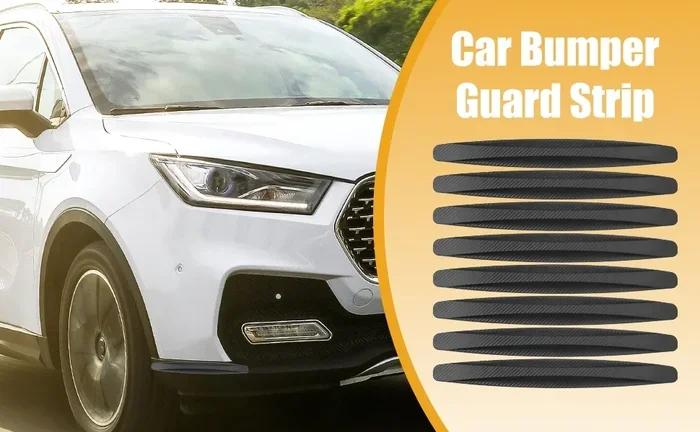
Car Bumper Protector Strips for Ultimate Protection
Car bumper protector strips are a simple yet powerful way to keep your vehicle’s front end safe from daily wear and tear. These adhesive-backed strips absorb impact, prevent scratches, and block road debris from damaging your bumper. They are easy to install, affordable, and suitable for almost any car model. Whether you commute daily or hit the highway often, bumper protector strips add a layer of defense that saves you money on costly repairs. This guide covers everything you need to know about choosing, installing, and maintaining car bumper protector strips.
This is a comprehensive guide about car bumper protector strips.
Key Takeaways
- Scratch and dent prevention: Bumper protector strips absorb impact and shield your car’s front end from minor collisions and scrapes.
- Easy DIY installation: Most strips use adhesive backing and can be applied in under 30 minutes with no special tools.
- Multiple types available: You can choose from rubber, TPU, silicone, and foam strips based on your protection needs.
- Cost-effective solution: Protector strips cost a fraction of what a bumper repair or replacement would cost.
- Improved resale value: Keeping your bumper scratch-free helps maintain your car’s overall appearance and market value.
- Universal fit options: Many bumper guard strips come in adjustable sizes that fit sedans, SUVs, and trucks alike.
[FEATURED_IMAGE_PLACEHOLDER]
What Are Car Bumper Protector Strips?
Car bumper protector strips are adhesive-backed or clip-on strips designed to guard the front and rear bumpers of your vehicle. They act as a physical barrier between your bumper and the road. These strips absorb minor impacts from speed bumps, parking curbs, and road debris.
The concept is simple. You attach a strip of durable material to the edge of your bumper. This edge is the most vulnerable part of your car. It takes the first hit in almost every low-speed collision. By adding a protector, you redirect that force away from the paint and plastic body panels.
Bumper protector strips come in many shapes and sizes. Some wrap around the bumper lip. Others sit on top of the bumper edge. The material can range from soft rubber to tough thermoplastic polyurethane. Each type offers a different level of protection and style.
These strips are also known by other names. You might hear people call them bumper guard strips, front bumper protectors, or bumper lip guards. No matter the name, they all serve the same purpose. They keep your bumper looking new for longer.
If you have ever parked and walked away to find a long scrape on your front bumper, you know how frustrating it can be. A simple bumper edge protector can prevent that pain entirely. It is one of the cheapest car accessories you can buy with the biggest impact.
Why You Need Bumper Protector Strips
Daily Driving Exposes Your Bumper to Damage
Every time you drive, your bumper faces risks. Parking lot scrapes are the most common cause of bumper damage. A quick park next to a shopping cart or a concrete pillar can leave a mark. Low speed bumps in residential areas are another frequent culprit.
Road debris also plays a big role. Small rocks, gravel, and dust kicked up by other vehicles hit your front bumper constantly. Over time, these tiny hits add up. They cause scratches, chips, and even small cracks in the bumper material.
Even weather can harm your bumper. UV rays fade the bumper paint over time. Cold temperatures make plastic brittle. Rain and road salt can cause corrosion on metal bumper components. A car front bumper protector helps shield against all of these elements.
Save Money on Expensive Repairs
Bumper repairs are not cheap. A minor scrape repair can cost anywhere from $150 to $400. A full bumper replacement can run from $500 to well over $2,000 depending on your vehicle model. These costs can add up fast if you drive frequently or park in tight spaces.
Bumper protector strips cost between $10 and $50 for a full set. That is a tiny fraction of the repair cost. Think of them as insurance for your bumper. They take the hit so your bumper does not have to.
Many insurance claims for bumper damage come from low-speed incidents. These are the exact situations where bumper protector strips work best. They handle the small impacts so you never need to file a claim at all.
Keep Your Car Looking New
Your car’s appearance matters. A scratched or chipped bumper makes the whole vehicle look older and neglected. First impressions count, whether you are selling your car or just driving through your neighborhood.
Bumper protector strips keep the bumper edge clean and intact. They prevent the paint from chipping and the plastic from cracking. Over months and years, the difference is noticeable. Cars with bumper guards look significantly newer than unprotected ones.
This is especially important if you plan to sell or trade in your vehicle. A well-maintained bumper adds to the overall perceived value. Buyers notice the details. A scratch-free front end signals that the car has been cared for.
Types of Car Bumper Protector Strips
Not all bumper protector strips are the same. Different materials and designs serve different needs. Understanding the options helps you choose the right one for your vehicle and driving habits.
Rubber Bumper Strips
Rubber strips are the most traditional type of bumper guard. They are flexible, durable, and weather-resistant. Rubber absorbs shocks well and conforms to the bumper shape. These strips are great for everyday driving and light protection.
Rubber bumper protector strips are easy to install with adhesive backing. They are also affordable and widely available. The downside is that they can degrade faster under heavy UV exposure. They may also collect dirt and grime over time.
TPU (Thermoplastic Polyurethane) Strips
TPU strips are the gold standard for bumper protection. They are incredibly tough yet flexible. TPU resists impacts, abrasions, and temperature changes better than rubber. These strips maintain their shape and color for years.
Car bumper protector strips made from TPU are slightly more expensive but worth the investment. They offer superior protection against high-impact situations like parking curbs and speed bumps. Many premium bumper guard brands use TPU as their primary material.
Silicone Bumper Guards
Silicone strips offer a soft-touch feel and excellent weather resistance. They stay flexible in extreme cold and do not harden over time. Silicone is also hypoallergenic and easy to clean.
These strips work well as bumper lip protectors for daily drivers. They provide moderate protection and look sleek on the vehicle. Silicone is a great choice if you want a balance of protection and aesthetics.
Foam and Felt Bumper Strips
Foam and felt strips are the softest option. They are ideal for preventing minor scratches and scuffs. These strips work best in low-impact situations like parking lot maneuvering.
Foam bumper protector strips are very affordable and easy to cut to size. However, they do not offer much protection against hard impacts. They are best used as a supplementary layer rather than a primary defense.
How to Install Bumper Protector Strips
Installing bumper protector strips is one of the easiest car maintenance tasks you can do. Most kits come with everything you need. You do not need special tools or professional help. Here is a step-by-step guide to get the job done right.
Step 1: Clean the Bumper Surface
Start by thoroughly cleaning the bumper edge where you will apply the strip. Use a mild car wash soap and a microfiber cloth. Remove all dirt, grease, and wax from the surface. A clean surface ensures the adhesive bonds properly.
For the best results, use an alcohol wipe or rubbing alcohol on the area after washing. This removes any remaining oils and creates a tacky surface for the adhesive. Let the bumper dry completely before moving to the next step.
Step 2: Measure and Trim the Strip
Hold the bumper protector strip against the bumper edge without removing the adhesive backing. Align it carefully and mark where you need to trim. Use sharp scissors or a utility knife to cut the strip to the exact length.
Make sure to leave a small gap at each end. This prevents the strip from peeling up at the edges. A snug fit is important, but you do not want the strip to overlap onto the bumper face.
Step 3: Apply the Strip
Remove the adhesive backing slowly and press the strip onto the bumper edge. Start at one end and work your way to the other. Apply firm, even pressure as you go. Use a plastic squeegee or a credit card to smooth out any air bubbles.
Make sure the strip sits flush against the bumper. No gaps or lifted edges. If the strip has a clip-on design, snap it into place along the bumper lip. Ensure it is secure and does not wobble.
Step 4: Let the Adhesive Cure
After installation, let the adhesive cure for at least 24 hours. Avoid washing your car or driving through heavy rain during this time. The bond strengthens significantly during the curing period.
Once fully cured, your bumper protector strip is ready to handle whatever the road throws at it. The entire process takes about 20 to 30 minutes. It is a simple DIY project that pays for itself many times over.
Best Car Bumper Protector Strips to Buy
The market is full of bumper protector strip options. Choosing the right one can feel overwhelming. Here are some factors to consider when making your purchase.
What to Look For
- Material quality: Look for TPU or thick rubber strips for the best durability.
- Adhesive strength: Choose strips with strong 3M adhesive or similar high-grade bonding technology.
- Universal fit: Many strips are adjustable and fit multiple car models. Check the size range before buying.
- Weather resistance: Make sure the strip can handle UV rays, rain, snow, and temperature extremes.
- Color match: Some strips come in black, chrome, or body-color options to match your bumper.
- Easy removal: Good strips should come off cleanly without leaving residue behind.
Top Brands to Consider
Several brands stand out in the bumper protector strip market. 3M offers industrial-grade adhesive strips that last for years. WeatherTech is another trusted name known for precise fit and rugged construction. For budget-friendly options, brands like AUTOSUPPLY and OxGord provide solid protection at a lower price point.
Read customer reviews before buying. Look for feedback on adhesion longevity and real-world performance. A well-reviewed strip from a reputable brand will give you the best results.
Common Mistakes to Avoid
Skipping Surface Preparation
The most common mistake is applying the strip without properly cleaning the bumper. Dirt and oils prevent the adhesive from bonding. This leads to the strip peeling off after just a few weeks. Always take the time to clean and dry the surface thoroughly.
Applying in Extreme Temperatures
Do not install bumper protector strips in freezing or extremely hot conditions. Cold temperatures make the adhesive brittle. Extreme heat softens it too much. The ideal application temperature is between 50 and 80 degrees Fahrenheit. Apply in a garage or shaded area for best results.
Overstretching the Strip
When applying the strip, do not stretch it too tight. Overstretching causes the adhesive to weaken and the strip to pull away. Press it gently and let it conform naturally to the bumper shape. A snug but relaxed fit works best.
Ignoring Regular Maintenance
Bumper protector strips need occasional maintenance. Dirt buildup can reduce their effectiveness. Inspect the strips every few months. Clean them with a damp cloth and mild soap. Replace any strip that shows signs of peeling or cracking.
Maintenance Tips for Bumper Protector Strips
Taking care of your bumper protector strips extends their lifespan significantly. A little regular maintenance goes a long way.
- Clean weekly: Wipe the strips with a damp cloth during regular car washes. Remove dirt and road grime buildup.
- Inspect monthly: Check for any peeling edges, cracks, or loose spots. Address small issues before they become big problems.
- Avoid harsh chemicals: Use mild soap and water. Harsh cleaners can degrade the adhesive and the strip material.
- Reapply if needed: If the adhesive weakens, clean the surface with rubbing alcohol and reapply the strip. Most strips can be reattached once or twice.
- Replace annually: Even with good care, most bumper protector strips last one to two years. Replace them when they show visible wear.
Proper maintenance ensures your bumper guard strips continue to protect your vehicle effectively. It is a small effort that delivers big results over time.
Bumper Protector Strips vs. Other Protection Methods
Bumper protector strips are not the only way to protect your bumper. Let us compare them with other popular methods.
- Bumper bra (hood protector): A bumper bra covers the entire front end. It offers broad protection but can be bulky and trap dirt. Bumper protector strips are slimmer and more discreet.
- Paint protection film (PPF): PPF is a clear film applied to the bumper. It offers excellent scratch protection but costs significantly more. Bumper protector strips are much more affordable.
- Bumper bull bar: A bull bar provides heavy-duty protection but changes the vehicle’s appearance. It is overkill for daily driving. Strips offer a subtle and practical solution.
- Ceramic coating: A ceramic coating adds a layer of protection to the paint. It does not protect against physical impacts. Bumper protector strips absorb the actual force of collisions.
For most drivers, car bumper protector strips offer the best balance of protection, aesthetics, and cost. They complement other protection methods and can even be used alongside paint protection film for maximum defense.
Final Thoughts
Car bumper protector strips are one of the simplest and most effective ways to protect your vehicle from everyday damage. They prevent scratches, absorb impacts, and block road debris from harming your bumper. Installation takes just minutes, and the cost is minimal compared to the repair bills they help you avoid.
Whether you choose rubber, TPU, silicone, or foam, the right bumper protector strip will keep your car looking great for years. Choose a quality material, install it properly, and maintain it regularly. Your bumper will thank you.
Do not wait until you have a costly repair bill. Invest in bumper protector strips today and enjoy peace of mind every time you park or drive. It is a small change that makes a big difference for your vehicle’s long-term health and appearance.
Frequently Asked Questions
How long do car bumper protector strips last?
Most bumper protector strips last between one and three years depending on the material and driving conditions. TPU strips tend to last the longest, while foam strips may need replacement sooner. Regular cleaning and inspection help extend their lifespan significantly.
Can I remove bumper protector strips without damaging my paint?
Yes, most quality bumper protector strips are designed for clean removal. The adhesive used by reputable brands does not leave residue or damage the paint. If any adhesive remains, you can remove it with rubbing alcohol or a commercial adhesive remover safely.
Are bumper protector strips waterproof?
Most bumper protector strips are waterproof and weather-resistant. Materials like TPU, rubber, and silicone all handle rain, snow, and moisture well. This makes them suitable for all-season use and various driving conditions throughout the year.
Can I install bumper protector strips myself?
Absolutely. Bumper protector strips are designed for DIY installation. The process is straightforward and requires no special tools. Just clean the surface, measure, trim, and press the strip into place. Most people complete the job in under 30 minutes.
Do bumper protector strips affect the appearance of my car?
Modern bumper protector strips are designed to be low-profile and unobtrusive. Many come in black, chrome, or body-color options that blend seamlessly with your bumper. They add protection without compromising the vehicle’s clean look or factory aesthetic.
What is the best material for bumper protector strips?
TPU is widely considered the best material for bumper protector strips. It offers the strongest impact resistance, the most flexibility, and the longest lifespan. Rubber is a solid budget-friendly alternative, while silicone works well for drivers who prioritize a soft-touch feel and easy maintenance.
Frequently Asked Questions
What is car bumper protector strips?
car bumper protector strips is an important topic with many practical applications.